How to Get Over Emetophobia: Fear of Vomiting Symptoms and Treatment
Last updated:
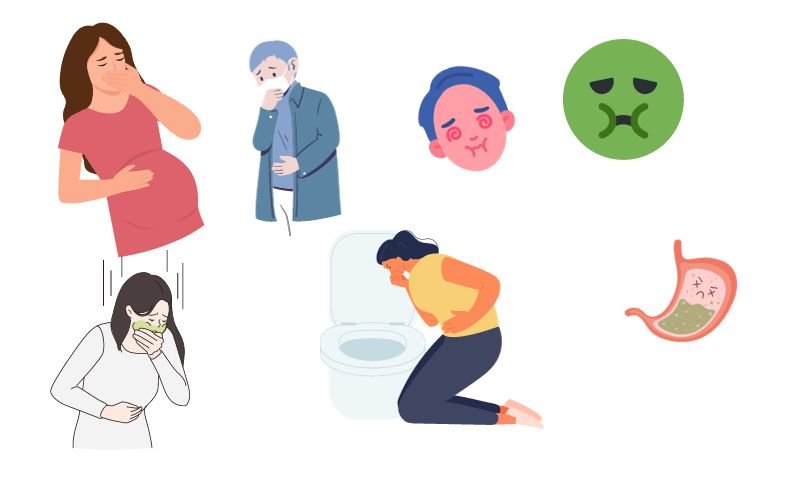
Emetophobia is a strong, lasting fear of vomiting or of seeing others vomit. It goes far beyond the normal dislike of being sick that almost everyone shares: it can cause real physical anxiety, restrictive eating, and social avoidance that shapes daily life around the fear. The condition is one of the less talked about anxiety disorders, yet it is well recognised, and it is treatable. This guide explains what emetophobia looks like, why it develops, and how to get over emetophobia using evidence-based treatment and practical everyday strategies.
What Is Emetophobia?
Emetophobia, also known as Specific Phobia of Vomiting (SPOV), is a specific phobia characterised by an extreme, persistent and irrational fear of vomiting or witnessing vomiting. It is a recognised condition listed in the DSM-5, the diagnostic manual used by mental health professionals.
Some key facts:
- Prevalence: studies estimate emetophobia affects between 0.1% and 8.8% of the population, with women more commonly affected than men.
- Onset: it can develop at any age but often begins in childhood or adolescence.
- Overlap: it frequently co-occurs with other anxiety problems, including panic disorder and health-related worry.
- Impact: it can significantly affect eating habits, travel, work and social activities.
What separates emetophobia from ordinary squeamishness is the degree of interference. Most people find vomiting unpleasant; someone with emetophobia organises their life to avoid any perceived risk of it happening.
Symptoms of Emetophobia
Emetophobia shows up in three connected ways: what your body does, what you feel and think, and how you behave.
Physical symptoms
When people with emetophobia think about vomiting, or encounter cues such as the sound or sight of someone being unwell, they commonly experience:
- A racing heart and palpitations
- Sweating and trembling
- Dizziness or feeling faint
- Stomach discomfort and nausea, which can itself feel like proof that sickness is coming
- Shortness of breath or hyperventilation
Emotional and psychological symptoms
- Intense fear or panic at the thought of vomiting
- Anticipatory anxiety about meals, travel, illness “season” or social events
- A sense of impending loss of control, or fear of embarrassment in front of others
- Persistent worry about catching stomach bugs or food poisoning
Behavioural symptoms
Behaviour is where emetophobia does most of its damage. Common patterns include:
- Avoiding crowded places, public transport, pubs or anywhere without easy access to a toilet
- Restricting food, sticking to a narrow list of “safe” foods, overcooking meals or discarding food well before its use-by date
- Checking and cleaning rituals, such as excessive handwashing or repeatedly checking your own temperature
- Monitoring other people for signs of illness and withdrawing from anyone who seems unwell
These safety behaviours bring short-term relief, but they keep the fear active over time because you never get to learn that you could have coped without them.
[!note] The vicious cycle Fear of vomiting raises anxiety, and anxiety itself causes nausea and stomach symptoms. Those sensations then feel like evidence that being sick is imminent, which fuels more fear. Breaking this loop is the central task of treatment.
What Causes Emetophobia?
There is no single cause. Emetophobia usually develops through a combination of factors:
- A distressing experience: many people trace the fear to a vivid episode of vomiting, food poisoning or a medical procedure, in childhood or later, or to witnessing someone else being violently sick.
- Anxiety sensitivity: a tendency to focus closely on bodily sensations and interpret them catastrophically makes ordinary queasiness feel dangerous.
- Family factors: a family history of anxiety disorders, or growing up around someone with strong illness-related fears, can increase vulnerability.
- Thinking styles: perfectionism and a strong need for control often accompany emetophobia, because vomiting represents the ultimate loss of control.
Common triggers
Typical triggers include feeling nauseous, motion sickness, pregnancy-related morning sickness, certain smells or sounds, films and news stories that depict vomiting, and contact with people who are unwell, particularly during winter vomiting bug outbreaks.
How Emetophobia Affects Daily Life
The effects reach far beyond the fear itself:
- Social and work life: avoiding parties, restaurants and work events where food is served; missing work or school during flu season; turning down travel.
- Eating: restrictive eating patterns can become severe enough to cause weight loss or nutritional problems. Emetophobia is sometimes mistaken for an eating disorder for this reason, although the driving fear is different.
- Healthcare: some people avoid medicines, pregnancy, medical procedures or even necessary treatment because nausea is listed as a side effect.
- Family life: parents with emetophobia often describe intense dread of their children catching stomach bugs, which can make ordinary family life exhausting.
How to Get Over Emetophobia: Treatment That Works
The most important thing to know is that emetophobia is highly treatable. You do not have to wait until life has shrunk around the fear before seeking help.
Cognitive behavioural therapy (CBT)
CBT is the main recommended psychological treatment for specific phobias, including emetophobia. According to the NHS, almost all phobias can be successfully treated, and talking therapies such as CBT are often the first option offered. CBT for emetophobia typically involves:
- Psychoeducation: understanding how anxiety produces nausea and why the fear keeps itself going.
- Cognitive restructuring: identifying and testing catastrophic beliefs such as “if I feel sick, I will definitely vomit” or “vomiting would be unbearable”.
- Behavioural experiments: gradually dropping safety behaviours to discover that the feared disaster does not follow.
- Relaxation and breathing skills: practical tools for managing anxiety spikes.

Exposure and response prevention (ERP)
Within CBT, exposure and response prevention has the strongest evidence for phobias. It means facing feared cues gradually and deliberately, while resisting the urge to use safety behaviours, so your brain can relearn that the situations are tolerable. A therapist will build a personal hierarchy and pace it so that each step feels challenging but manageable. A typical ladder might look like this:
- Saying and writing the word “vomit”
- Looking at cartoon images, then photographs
- Watching short video clips of someone being sick
- Visiting places you have been avoiding, such as a busy restaurant
- Eating foods you have cut out through fear
- Safely inducing mild sensations, such as dizziness from spinning, to reduce fear of the feelings themselves
Exposure work is most effective, and safest, when planned with a professional rather than attempted in one big leap.
Medication
Medication is not a first-line treatment for a specific phobia, but it can have a place. A GP or psychiatrist may discuss a selective serotonin reuptake inhibitor (SSRI) when anxiety is severe or depression is also present, and anti-nausea medicines are occasionally used briefly during treatment. Relying on anti-sickness tablets long term can backfire, because it reinforces the belief that nausea is dangerous. Any decision about medicines should be made with your GP or a specialist, never through self-medication.
Other approaches
Mindfulness, relaxation training and paced breathing can all help you manage the panic-like surge that comes with triggers, and support groups or online communities reduce the isolation many people feel. Approaches such as hypnotherapy and EMDR are sometimes offered for phobia and trauma-related fears, though the evidence base for emetophobia specifically is more limited than for CBT, so discuss options with a qualified professional.
Getting Help on the NHS
Start with your GP. They can rule out physical causes for ongoing nausea, discuss treatment options and refer you to local psychological services. In England you can also refer yourself directly to NHS Talking Therapies without seeing your GP first; the service offers CBT-based treatment for phobias and anxiety, and our guide to NHS talking therapies explains how the process works. Routes to therapy differ in Scotland, Wales and Northern Ireland, so ask your GP or local health service about options where you live. Private CBT therapists are another route; look for accredited therapists with experience of exposure work for phobias.
Everyday Coping Strategies
Alongside formal treatment, these practical steps help many people:
- Carry a small coping kit. A packet of mints or ginger sweets, a bottle of water and a comfort item can reduce immediate worry and make outings feel safer while you work on the fear itself.
- Use grounding when anxiety spikes. The 5-4-3-2-1 method, naming five things you can see, four you can touch, three you can hear, two you can smell and one you can taste, pulls attention away from your stomach. More options are in our guide to grounding techniques.
- Slow your breathing. One to two minutes of slow, steady breathing calms the physical alarm that makes nausea feel worse.
- Set small, specific goals. Trying one new cafe with a trusted friend beats aiming for “complete normality” straight away. Each completed step genuinely weakens the phobia.
- Connect with others. Hearing from people further along in recovery reduces shame and provides realistic hope.
Supporting Someone With Emetophobia
If someone you care about has emetophobia, take the fear seriously rather than telling them to “just get over it”. Learn how the phobia works, encourage professional help without pressuring, avoid providing endless reassurance about germs and food safety, which feeds the cycle, and celebrate small wins such as a meal out or a bus journey managed without escape.
When to Seek Help
See your GP if the fear of vomiting is stopping you working, studying or taking part in family life, if you have lost weight because you avoid food, or if symptoms are getting worse. For urgent mental health advice outside GP hours, contact NHS 111. If you feel at risk of harming yourself, call 999 or go to A&E straight away.
One important caveat: new, severe or unexplained physical symptoms, for example marked weight loss or persistent vomiting that is not linked to anxiety, should always be assessed promptly by a medical professional. Getting a genuine symptom checked once is sensible healthcare, not a failure of courage.
Frequently Asked Questions
Is emetophobia a real medical condition?
Yes. Emetophobia is a recognised specific phobia listed in the DSM-5. It is a legitimate anxiety disorder, not an overreaction or a character flaw, and it responds well to evidence-based treatment.
How common is emetophobia?
Estimates range from 0.1% to 8.8% of the population depending on the study and threshold used. It is reported more often in women than men, and many more people experience milder versions of the fear.
Can children develop emetophobia?
Yes, and it often begins in childhood or adolescence. Early intervention is particularly effective for young people, so speak to your GP if a child’s fear of being sick is limiting their eating, school attendance or friendships.
Can emetophobia be cured?
Many people achieve significant improvement or complete remission with CBT and exposure work. The practical goal is a life where the fear no longer makes your decisions for you.
How long does treatment take?
Many people see meaningful progress within 12 to 20 sessions of CBT or ERP, though the timeline varies with how long the phobia has been established and how gradually the exposure ladder needs to be climbed.
Frequently Asked Questions
Is emetophobia a real medical condition?
Yes. Emetophobia, sometimes called Specific Phobia of Vomiting (SPOV), is a recognised specific phobia listed in the DSM-5, the diagnostic manual used by mental health professionals. It is a legitimate anxiety disorder that can significantly affect quality of life, and it responds well to treatment.
How common is emetophobia?
Estimates vary widely, with studies suggesting emetophobia affects somewhere between 0.1% and 8.8% of the population. It is more commonly reported in women than in men and often begins in childhood or adolescence.
Can children develop emetophobia?
Yes. Emetophobia often starts in childhood or the teenage years, sometimes after a distressing episode of illness at school or at home. Early support is particularly effective for young people, so it is worth speaking to your GP if a child's fear of being sick is limiting their eating, schooling or social life.
Can emetophobia be cured?
Many people achieve significant improvement or full remission with treatment, particularly cognitive behavioural therapy that includes gradual exposure work. The realistic goal is to reduce the fear to a manageable level so that it no longer controls your eating, travel or social life.
How long does treatment for emetophobia take?
It varies from person to person, but many people see meaningful improvement within roughly 12 to 20 sessions of CBT or exposure-based therapy. Some people need longer-term support, especially if the phobia has been present for many years.
Related Articles
Anxiety and Stomach Problems: Why Anxiety Affects Your Gut
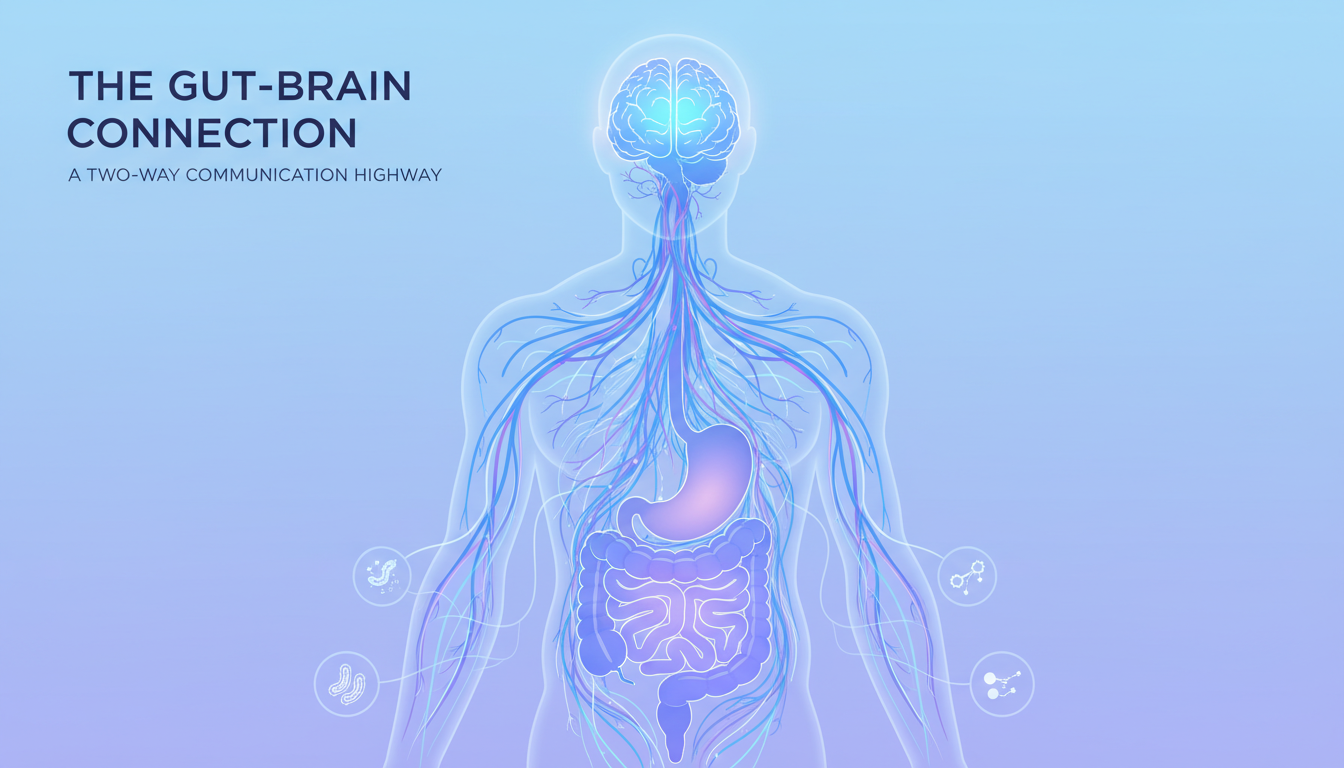
Discover why anxiety causes stomach problems and what you can do about it. Learn about the brain-gut connection, common symptoms, and evidence-based relief.

CBT for Anxiety: How It Works, Techniques and How to Access It
Learn how CBT helps with anxiety, including 5 proven techniques you can practise at home. Find out how to access CBT on the NHS or privately in the UK.

Grounding Techniques for Anxiety: Exercises to Try Now
Grounding techniques can stop anxiety in its tracks. Learn what grounding techniques are and try simple, effective exercises to come back to the present moment.