NHS talking therapies for generalised anxiety disorder: Effective approaches to manage worry and stress
Last updated:
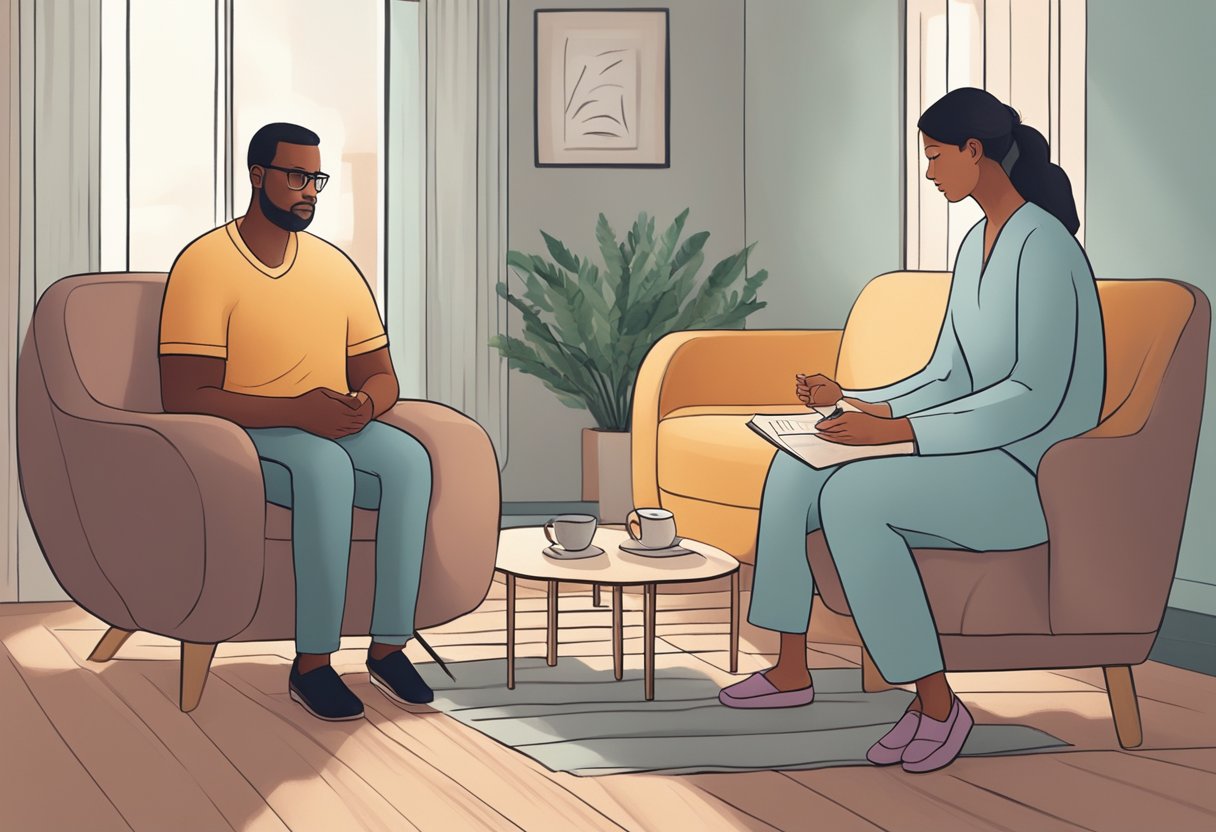
Anxiety disorders can be challenging, but effective treatments exist. NHS talking therapies offer support for various anxiety conditions, including generalised anxiety disorder (GAD) and social anxiety. These therapies, particularly cognitive behavioural therapy (CBT), help people manage their symptoms and improve their quality of life.
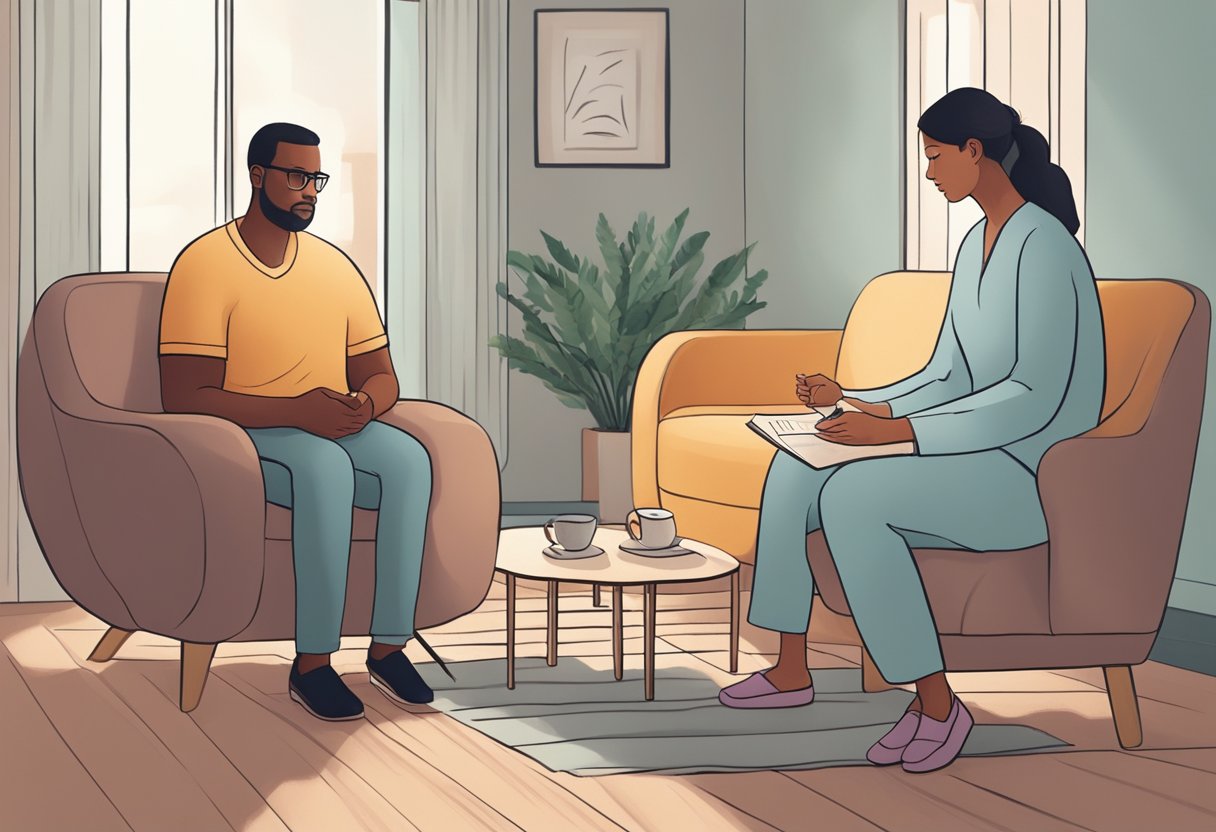
For those dealing with specific anxiety issues like health anxiety or panic attacks in public, there are tailored approaches. Mindfulness-based therapy shows promise for obsessive-compulsive disorder, while coping strategies can help those with agoraphobia navigate daily life. People with post-traumatic stress disorder (PTSD) have several treatment options to explore.
Managing anxiety often involves a mix of professional help and self-care techniques. While medication can be useful for some, many find relief through therapy and lifestyle changes. Learning to recognise and address anxiety symptoms is key to long-term wellbeing.
Key Takeaways
- Talking therapies like CBT are effective for many anxiety disorders
- Tailored approaches exist for specific anxiety conditions
- A combination of professional help and self-care strategies often works best
Understanding Generalised Anxiety Disorder (GAD)
Generalised Anxiety Disorder (GAD) is a common mental health condition marked by persistent, excessive worry. People with GAD often struggle to control their anxious thoughts, which can impact daily life.
Diagnostic Criteria and Assessment for GAD
GAD involves persistent and excessive worry about various aspects of life. Common symptoms include:
- Feeling on edge or restless
- Difficulty concentrating
- Sleep problems
- Muscle tension
- Fatigue
To diagnose GAD, these symptoms must be present for at least 6 months and cause significant distress.
A GP or mental health professional can assess GAD through:
- Clinical interviews
- Questionnaires
- Physical exams to rule out other conditions
Early diagnosis is crucial for effective treatment.
NHS Talking Therapies for GAD
The NHS offers talking therapies as a primary treatment for GAD. These include:
- Cognitive Behavioural Therapy (CBT): This helps people identify and change negative thought patterns.
- Applied Relaxation: Teaches relaxation techniques to manage anxiety.
- Mindfulness-Based Therapies: Focus on present-moment awareness to reduce worry.
Patients can access these therapies through GP referrals or self-referral to local NHS services. Treatment duration varies, but typically involves weekly sessions over several months.
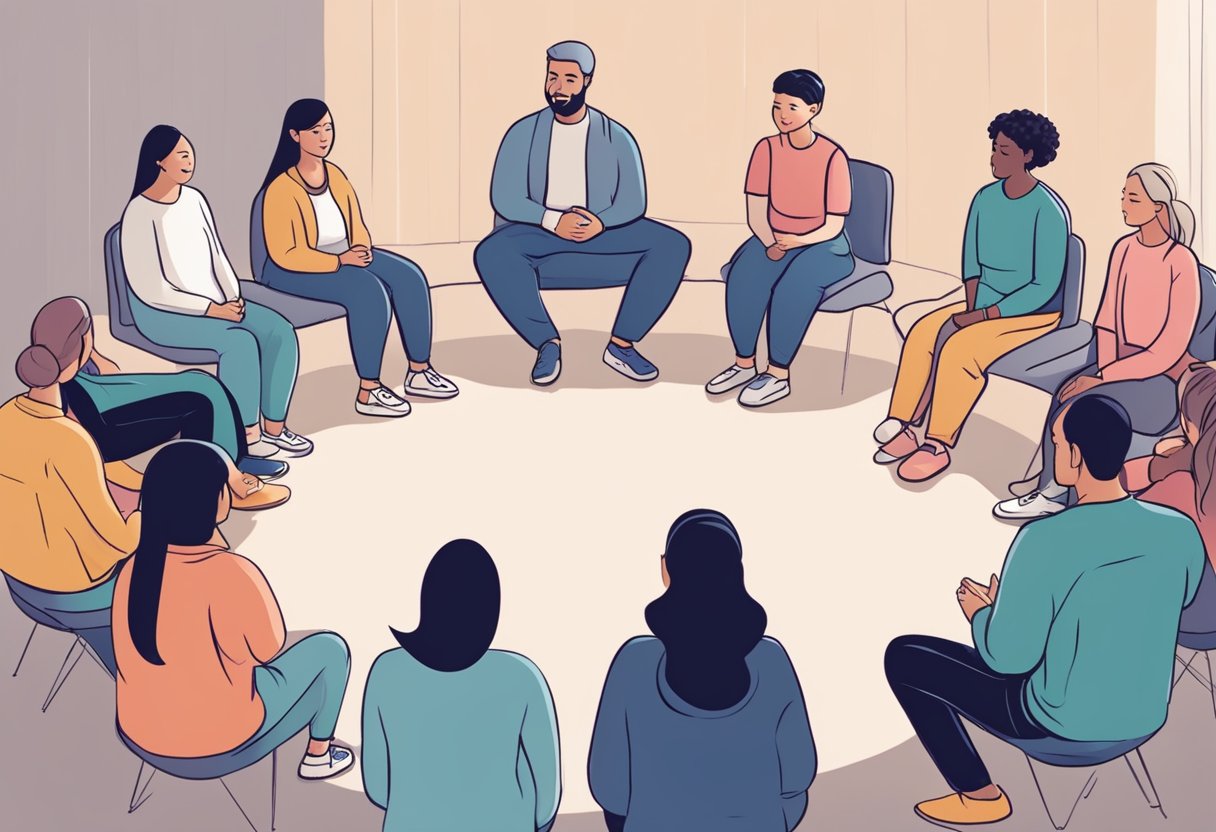
Talking therapies can be delivered individually or in groups. They aim to provide coping strategies and reduce GAD symptoms.
Cognitive Behavioural Therapy (CBT)
Cognitive behavioural therapy is a proven treatment for anxiety disorders. It helps people change unhelpful thought patterns and behaviours. CBT can be particularly effective for social anxiety and specific phobias.
CBT for Social Anxiety Disorder
CBT is a recommended treatment for social anxiety disorder. It teaches people to identify and challenge negative thoughts about social situations.
A key aspect is exposure therapy. This involves gradually facing feared social scenarios in a controlled way. For example, someone might start by making eye contact with strangers, then progress to small talk.
CBT also focuses on reducing safety behaviours. These are habits that make people feel safer but actually maintain anxiety. Examples include avoiding eye contact or rehearsing conversations excessively.
Patients learn to shift their focus outward in social settings. This helps reduce self-consciousness and overthinking.
Applying CBT Principles to Manage Phobias
CBT is highly effective for treating specific phobias. The main technique used is systematic desensitisation.
This involves:
- Creating a fear hierarchy
- Learning relaxation techniques
- Gradually facing feared situations
For instance, someone with a fear of dogs might start by looking at pictures of dogs. They would then progress to watching videos, seeing dogs from a distance, and eventually petting a dog.
CBT also addresses unhelpful beliefs that maintain phobias. A person might learn to challenge thoughts like “All dogs are dangerous”.
Therapists may use cognitive restructuring to help patients develop more balanced views. This can reduce anxiety and avoidance behaviours over time.
Alternative Approaches to Anxiety Management
There are several effective ways to manage anxiety without relying solely on medication. These approaches focus on developing coping skills, changing thought patterns, and practising mindfulness techniques.
Overcoming Health Anxiety without Medication
Health anxiety can be managed through cognitive behavioural therapy (CBT) techniques. These help identify and challenge anxious thoughts about health.
One key strategy is to limit health-related information seeking. This means avoiding excessive internet searches or frequent doctor visits for reassurance.
Relaxation techniques like deep breathing and progressive muscle relaxation can help reduce physical symptoms of anxiety. Regular exercise is also beneficial for both physical and mental health.
Keeping a thought diary can help track anxious thoughts and identify patterns. This allows for more rational responses to health worries.
Talking therapies offered by the NHS can provide professional support in developing these skills.
Implementing Mindfulness-Based Therapy
Mindfulness-based therapy is an effective tool for managing various anxiety disorders. It involves focusing on the present moment without judgement.
A common practice is mindful breathing. This involves paying attention to each breath, noticing thoughts without engaging with them.
Body scan exercises help increase awareness of physical sensations. This can reduce anxiety by grounding a person in the present.
Mindfulness can be practised through guided meditations, yoga, or everyday activities like mindful eating.
Regular practice is key. Even short daily sessions can lead to significant improvements in anxiety symptoms over time.
Utilising Self-Help Strategies for Anxiety
Self-help strategies can be powerful tools for managing anxiety. These techniques can be used alongside professional treatment or on their own.
Creating a structured daily routine can provide a sense of control and reduce anxiety. This includes regular sleep patterns and meal times.
Journaling can help process anxious thoughts and identify triggers. Writing down worries can make them feel more manageable.
Connecting with others who experience anxiety can provide support and reduce feelings of isolation. Support groups or online forums can be helpful.
Engaging in hobbies or activities that bring joy can serve as a healthy distraction from anxious thoughts.
NHS Talking Therapies offer guided self-help options for those who prefer to work through strategies independently.
Practical Techniques for Acute Anxiety Events
Acute anxiety events can be overwhelming, but there are effective ways to manage them. These techniques focus on regaining control and reducing distress in challenging situations.
Managing Panic Attacks in Public Spaces
Panic attacks in public can be frightening, but there are ways to cope. The first step is to recognise the symptoms. Racing heart, sweating, and feeling dizzy are common signs.
Try to find a quiet spot if possible. This can help reduce external stimuli. Deep breathing exercises can be very helpful. Breathe in slowly for four counts, hold for four, then exhale for four.
Grounding techniques can also work well. Focus on five things you can see, four you can touch, three you can hear, two you can smell, and one you can taste. This helps shift attention away from anxious thoughts.
It’s important to remind yourself that panic attacks are temporary. They usually peak within 10 minutes. Knowing this can help reduce fear about the attack itself.
Coping Strategies for Agoraphobia in Daily Life
Agoraphobia can make daily tasks challenging, but there are ways to manage it. Understanding the condition and its triggers is crucial – you can learn more about agoraphobia symptoms and NHS treatment options to develop an effective management plan. Start by creating a routine that feels safe and comfortable. Gradually introduce small changes to build confidence.
Cognitive behavioural therapy (CBT) can be very effective for agoraphobia. It helps challenge negative thoughts and behaviours. Consider seeking help from a therapist who specialises in anxiety disorders.
Practice relaxation techniques at home. This can include progressive muscle relaxation or mindfulness meditation. These skills can then be used when facing anxiety-inducing situations.
Set small, achievable goals. This might mean walking to the end of the street one day, and a bit further the next. Celebrate each success, no matter how small it may seem.
Specialised Therapies for Specific Anxiety Disorders
Certain anxiety disorders require tailored treatment approaches. These specialised therapies target the unique symptoms and challenges of each condition.
Mindfulness-Based Therapy for Obsessive-Compulsive Disorder
Mindfulness-based therapy can be effective for obsessive-compulsive disorder (OCD). It helps people observe their thoughts without acting on them.
The approach teaches acceptance of intrusive thoughts rather than fighting them. This can reduce the distress these thoughts cause.
Mindfulness techniques include:
- Observing thoughts as mental events, not facts
- Practising non-judgmental awareness
- Learning to sit with discomfort
Regular mindfulness practice can help break the cycle of obsessions and compulsions. It’s often used alongside other treatments like exposure and response prevention therapy.
PTSD Treatment Options
Post-traumatic stress disorder (PTSD) has several evidence-based treatment options. These therapies help process traumatic memories and reduce symptoms.
Trauma-focused CBT is a common approach. It helps people understand how trauma affects their thoughts and behaviours.
Eye Movement Desensitisation and Reprocessing (EMDR) is another effective treatment. It involves recalling traumatic memories while following specific eye movements.
Other options include:
- Narrative Exposure Therapy
- Prolonged Exposure Therapy
- Cognitive Processing Therapy
Treatment choice depends on individual needs and preferences. A mental health professional can help determine the best approach.
Accessing NHS Mental Health Services
Getting help for anxiety through the NHS involves several pathways. Understanding these options can help people access the right support more quickly.
Self-Referral and GP Referral Processes
Many NHS talking therapy services accept self-referrals. This means people can contact services directly without seeing a GP first.
To self-refer, individuals can:
- Search online for local NHS talking therapy services
- Call or complete an online form
- Attend an initial assessment
GP referrals are another option. GPs can assess symptoms and refer to appropriate services. They may also prescribe medication if needed.
The referral process typically involves:
- Initial consultation with GP
- Completion of assessment questionnaires
- Referral to suitable service
- Waiting for appointment
Both routes aim to connect people with the most appropriate help for their needs.
Understanding Waiting Times and Service Availability
NHS talking therapy services have target waiting times. The goal is for people to start treatment within 6 weeks of referral, with 18 weeks being the maximum wait.
Waiting times can vary by area and service demand. Some factors that may affect waiting times include:
- Local service capacity
- Severity of symptoms
- Type of therapy needed
While waiting, people can:
- Use self-help resources
- Attend support groups
- Practice relaxation techniques
- Maintain healthy lifestyle habits
If symptoms worsen during the wait, it’s important to contact the service or GP for advice.
Crisis support is available 24/7 through services like Samaritans (116 123) or NHS 111 for urgent mental health support.
Related Articles
Anxiety Attack Symptoms: How to Recognise and Respond
Learn to recognise anxiety attack symptoms quickly. Understand what's happening in your body and how to respond with confidence.

Anxiety Attack vs Panic Attack: What’s the Difference?
Anxiety attack vs panic attack - what's the difference? Understand the key distinctions so you can respond effectively in the moment.

Chronic Anxiety: When Anxiety Won’t Go Away
When anxiety won't go away, it can feel overwhelming. Understand chronic anxiety and discover strategies to break the long-term cycle.