
Nausea from Anxiety: Why It Happens and How to Stop It
Last updated:
Introduction: The Stomach-Churning Reality of Anxiety
We have all felt it at one time or another: that queasy, unsettled feeling in the pit of the stomach before an exam, a job interview, or a difficult conversation. For most people, this is a fleeting sensation that passes once the stressful event is over. But for people living with anxiety disorders, nausea can become a frequent, debilitating companion that interferes with eating, working, socialising, and everyday life.
Anxiety-related nausea is remarkably common. Research suggests that gastrointestinal symptoms, including nausea, are among the most frequently reported physical complaints in people with anxiety disorders. Yet despite its prevalence, anxiety nausea is often overlooked or dismissed as “just nerves.” In reality, it involves complex interactions between the brain, the nervous system, and the digestive tract that are only now being fully understood by science.
The Gut-Brain Connection: Why Your Stomach Responds to Your Emotions
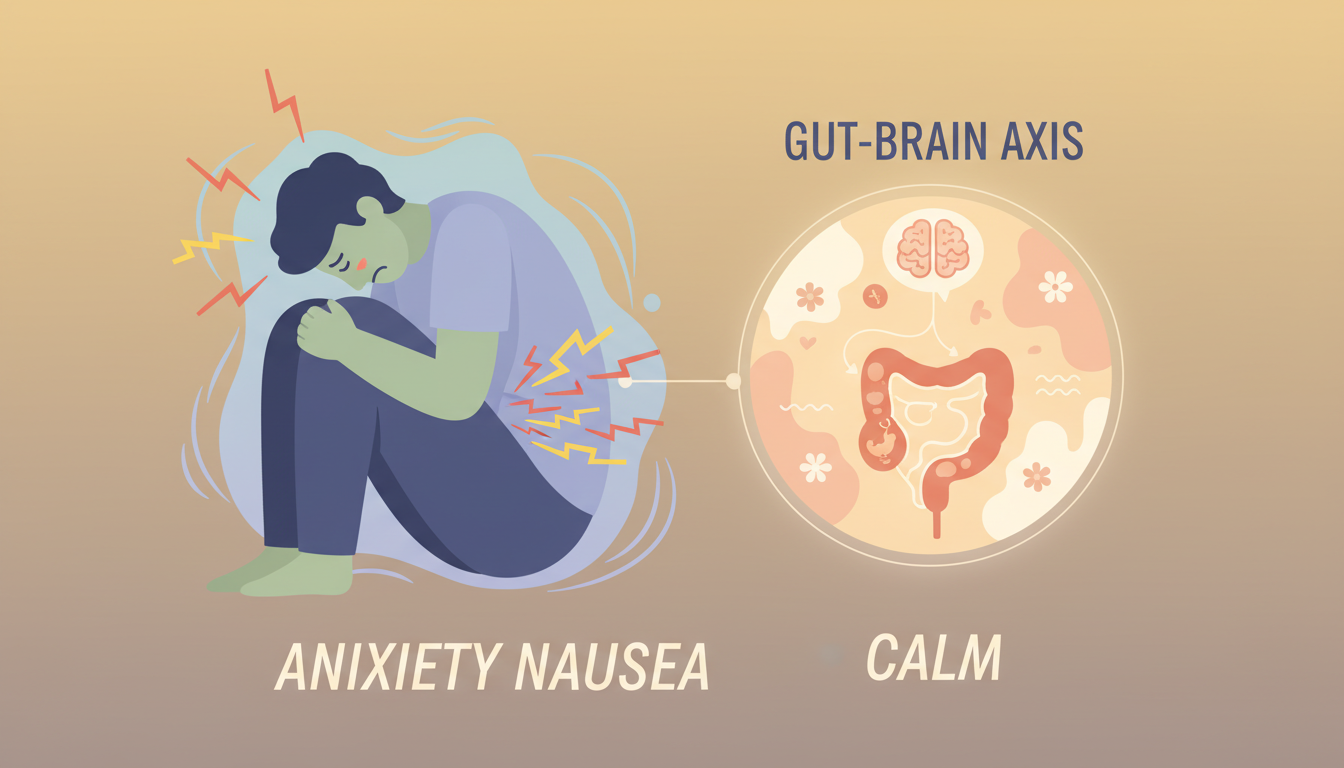
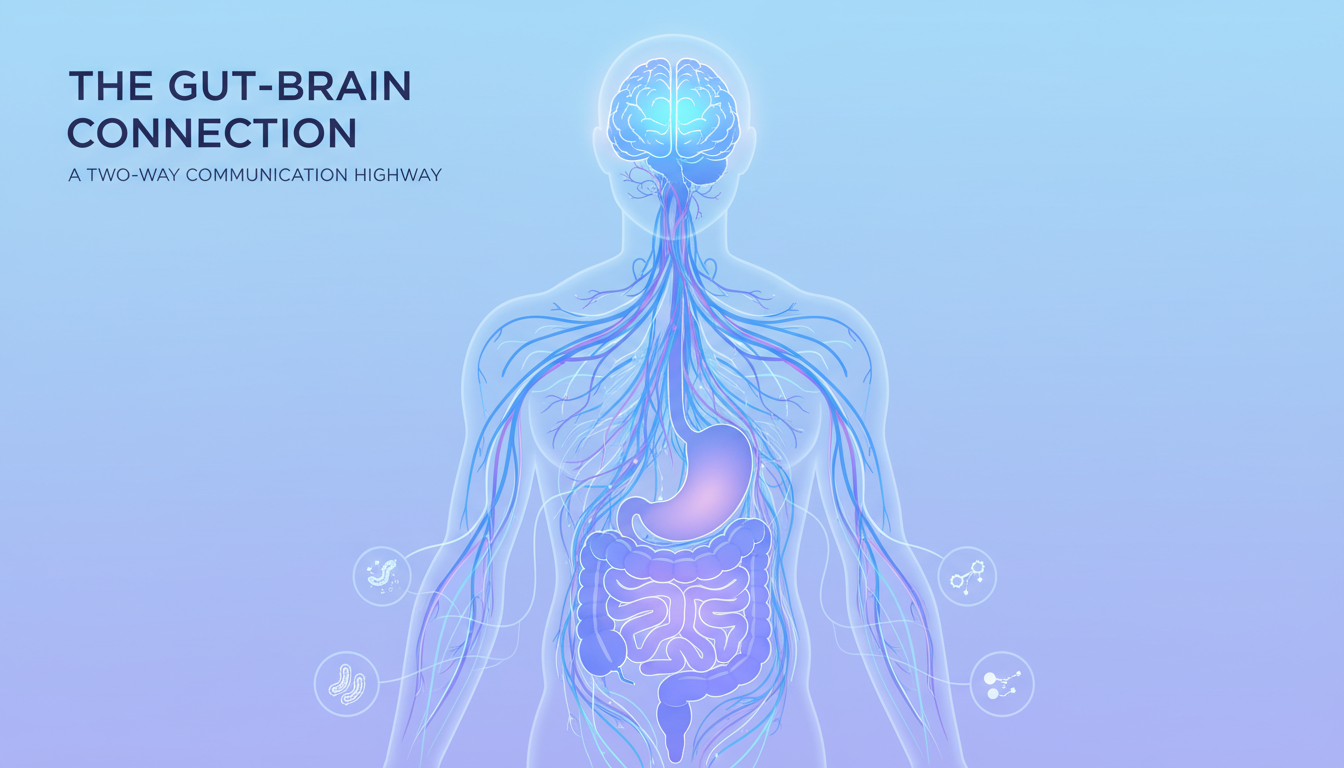
The connection between your emotions and your digestive system is not a figure of speech. Your gut and your brain are in constant, bidirectional communication through a network known as the gut-brain axis. This network involves the vagus nerve (the longest cranial nerve in the body), hormones, neurotransmitters, and the trillions of microorganisms that make up your gut microbiome.
The Enteric Nervous System
Your gut has its own nervous system, called the enteric nervous system, which contains over 100 million neurons. It is sometimes referred to as the “second brain” because it can operate independently of the central nervous system. This enteric nervous system controls digestion, but it also communicates directly with the brain via the vagus nerve. When your brain detects a threat and activates the stress response, signals travel down the vagus nerve to the gut, altering its function.
What Happens to Your Gut During Anxiety
When the fight-or-flight response is triggered, your body redirects resources away from non-essential functions like digestion towards the muscles and organs needed for immediate survival. This produces several changes in the digestive system:
- Reduced blood flow to the stomach: Blood is redirected to the muscles, reducing the stomach’s ability to function normally.
- Altered gut motility: The muscles of the digestive tract may contract abnormally, speeding up or slowing down the movement of food. This can cause nausea, cramping, diarrhoea, or constipation.
- Increased stomach acid: Stress hormones can increase the production of hydrochloric acid in the stomach, leading to irritation and nausea.
- Changes in the gut microbiome: Chronic stress can alter the composition of gut bacteria, which emerging research suggests may contribute to both digestive and psychological symptoms.
Serotonin and the Gut
An often-overlooked fact is that approximately 95% of the body’s serotonin, a neurotransmitter closely linked to mood regulation, is produced in the gut. Anxiety can disrupt serotonin signalling in the gut, which can directly affect digestive function and contribute to nausea. This is one reason why SSRI medications, which increase serotonin availability, sometimes cause temporary nausea as a side effect when first started.
What Does Anxiety Nausea Feel Like?
Anxiety-related nausea can present in various ways. Some people experience a persistent, low-grade queasiness that lasts for hours or even days. Others have sudden, intense waves of nausea that may come close to causing vomiting. Common descriptions include:
- A churning or unsettled feeling in the stomach
- A sensation of “butterflies” that has intensified into discomfort
- A feeling of fullness or loss of appetite
- An urge to vomit without actually being sick
- A tight, knotted sensation in the abdomen
- Waves of nausea that come and go unpredictably
For some people, the nausea is accompanied by other digestive symptoms such as bloating, diarrhoea, stomach cramps, or acid reflux. It may occur in specific situations, such as before social events or during work, or it may seem to appear randomly, particularly in people with generalised anxiety disorder.
The Vicious Cycle of Nausea and Anxiety
One of the most challenging aspects of anxiety nausea is the way it can create a self-reinforcing cycle. The nausea makes you feel unwell, which increases your anxiety. The increased anxiety worsens the nausea, which further increases the anxiety. Over time, this cycle can lead to avoidance behaviours. You might stop eating certain foods, avoid going out, or skip social events because you fear feeling nauseous.
In some cases, the fear of nausea or vomiting itself becomes the primary anxiety. This specific phobia, known as emetophobia, is more common than many people realise and can be severely restricting. If you recognise this pattern in yourself, it is worth discussing with a healthcare professional, as targeted treatment is available.
Immediate Relief: How to Stop Anxiety Nausea
When nausea strikes, there are several practical strategies that can help ease the discomfort.
Breathing Techniques
Slow, controlled breathing activates the parasympathetic nervous system, which calms the stress response and can ease nausea. Try breathing in through your nose for four counts, holding for four counts, and breathing out through your mouth for six counts. Repeat for several minutes until the nausea begins to subside.
Ginger
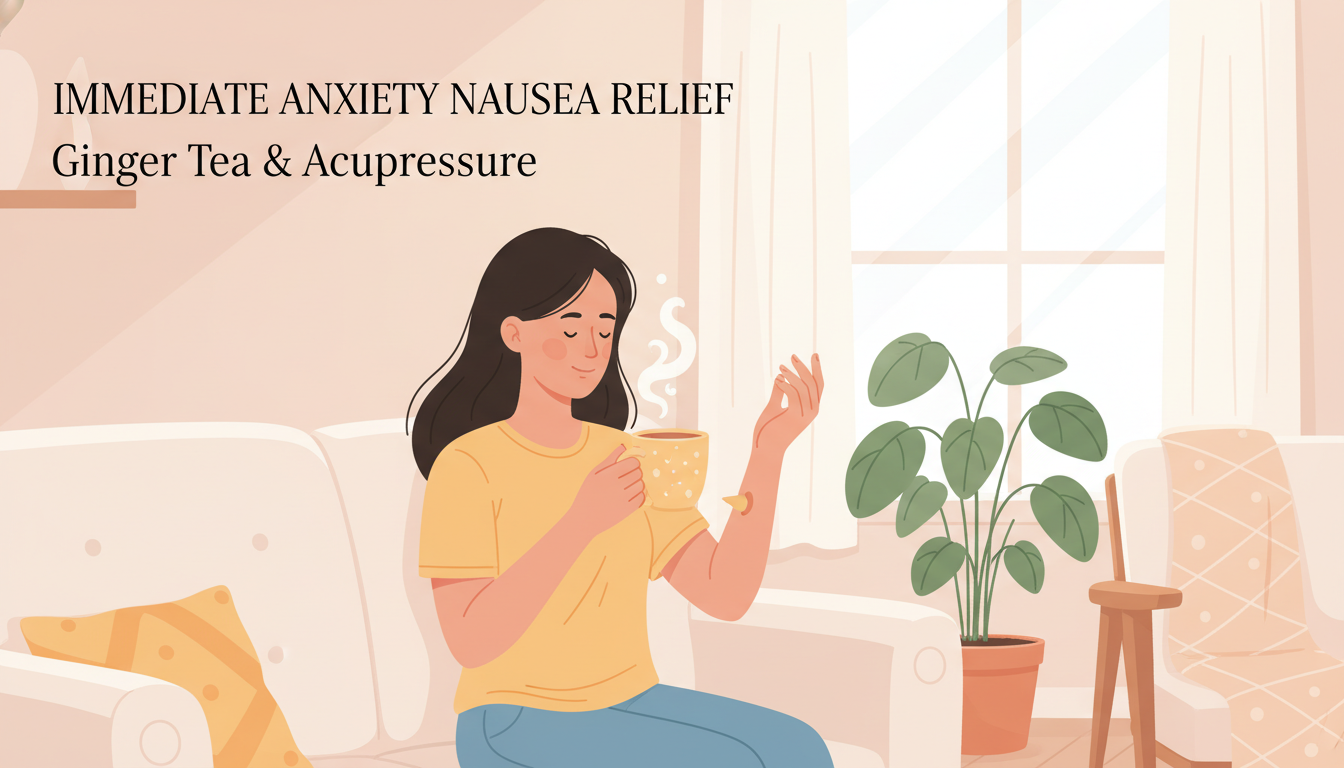
Ginger has been used for centuries to treat nausea and has good evidence supporting its effectiveness. A Cochrane review found that ginger was effective for reducing nausea in various contexts. You can try ginger tea, ginger biscuits, crystallised ginger, or ginger supplements. The NHS acknowledges ginger as a helpful natural remedy for nausea.
Peppermint
Peppermint has antispasmodic properties that can relax the muscles of the digestive tract. Sipping peppermint tea or inhaling peppermint oil may help reduce nausea and stomach discomfort.
Small, Bland Meals
When you feel nauseous, the thought of eating can be unappealing, but an empty stomach can actually worsen nausea. Try eating small amounts of bland, easily digestible foods such as plain toast, crackers, rice, or bananas. Avoid fatty, spicy, or strongly flavoured foods, as these can irritate the stomach further.
Hydration
Dehydration can worsen nausea, so it is important to stay well hydrated. Sip water slowly throughout the day. If plain water is unappealing, try adding a slice of lemon or ginger, or drink clear, non-caffeinated fluids.
Fresh Air and Cool Compresses
Stepping outside for fresh air or placing a cool, damp cloth on the back of your neck can help ease nausea. These simple measures can activate the vagal nerve in ways that calm the digestive system.
Acupressure
Pressing on the P6 (Nei Guan) acupressure point on the inner wrist has been shown in some studies to reduce nausea. You can use your thumb to apply firm pressure to the point approximately three finger-widths below the base of the palm, between the two tendons on the inner wrist.
Long-Term Management: Treating the Root Cause
While the above strategies can provide immediate relief, the most effective long-term approach is to treat the underlying anxiety itself.
Cognitive Behavioural Therapy (CBT)
NICE recommends CBT as a first-line treatment for anxiety disorders. For anxiety-related nausea, CBT can help by challenging the catastrophic thoughts that fuel the anxiety-nausea cycle, gradually exposing you to situations that trigger nausea to reduce avoidance, and teaching coping strategies that reduce overall anxiety levels. In the UK, CBT is available free through NHS Talking Therapies, and you can often self-refer without needing a GP appointment.
Medication
If your anxiety is moderate to severe, your GP may recommend medication. SSRIs such as sertraline are commonly prescribed for anxiety disorders and can reduce the overall frequency and intensity of anxiety symptoms, including nausea. It is worth noting that some people experience temporary nausea when first starting an SSRI, but this usually resolves within the first two weeks.
Dietary Considerations
Because anxiety affects the gut directly, paying attention to your diet can make a meaningful difference. Consider reducing caffeine (which stimulates the stress response and can irritate the stomach), limiting alcohol (which can increase anxiety and disrupt digestion), eating regular, balanced meals to maintain stable blood sugar, and including probiotic-rich foods like yoghurt, kefir, and sauerkraut, which may support a healthy gut microbiome.
Regular Exercise
Physical activity is one of the most effective natural remedies for anxiety. The NHS recommends 150 minutes of moderate exercise per week. Exercise reduces cortisol, increases endorphins, and improves gut motility, all of which can help reduce anxiety-related nausea.
When to See Your GP
While anxiety-related nausea is common and generally not dangerous, there are situations where you should consult your GP:
- Persistent nausea that lasts for more than a few weeks
- Nausea accompanied by unexplained weight loss
- Vomiting blood or noticing blood in your stools
- Severe abdominal pain
- Nausea that prevents you from eating or drinking adequately
- Nausea that significantly interferes with your daily life
Your GP can help determine whether your nausea is related to anxiety or whether other causes should be investigated. They can also discuss treatment options and refer you to appropriate services.
UK Support Resources
- NHS Talking Therapies: Free therapy for anxiety disorders, including CBT. Self-referral available in most areas.
- Mind: Information and support for mental health. Infoline: 0300 123 3393.
- Anxiety UK: Specialist support for anxiety conditions. Helpline: 03444 775 774.
- Gut Charity (Guts UK): Information and support for digestive health conditions. Website: gutscharity.org.uk.
Conclusion
Anxiety-related nausea is a genuine, physiological response to stress that can significantly affect your quality of life. Understanding the gut-brain connection and the mechanisms through which anxiety disrupts digestion can help demystify the experience and reduce the fear that so often accompanies it. With a combination of immediate coping strategies and longer-term treatment for the underlying anxiety, most people can find lasting relief. You do not have to simply endure it, and effective support is readily available in the UK.
Are you having a panic attack right now? Open the Panic SOS appFrequently Asked Questions
What Happens to Your Gut During Anxiety?
When the fight-or-flight response is triggered, your body redirects resources away from non-essential functions like digestion towards the muscles and organs needed for immediate survival. This produces several changes in the digestive system:
What Does Anxiety Nausea Feel Like?
Anxiety-related nausea can present in various ways. Some people experience a persistent, low-grade queasiness that lasts for hours or even days. Others have sudden, intense waves of nausea that may come close to causing vomiting. Common descriptions include:
When to See Your GP?
While anxiety-related nausea is common and generally not dangerous, there are situations where you should consult your GP:
Related Articles
Anxiety Chest Pain: What It Feels Like, Causes and When to Seek Help
Anxiety chest pain can feel frightening. Learn what causes it, how to tell it apart from a heart attack, and what to do — including when to call 999.

Anxiety Fatigue: Why Anxiety Makes You So Tired
Anxiety can leave you exhausted. Understand why anxiety causes fatigue and discover strategies to restore your energy and wellbeing.
Anxiety and Stomach Problems: Why Anxiety Affects Your Gut
Discover why anxiety causes stomach problems and what you can do about it. Learn about the brain-gut connection, common symptoms, and evidence-based relief.