Anxiety and Stomach Problems: Why Anxiety Affects Your Gut
Last updated:
Why Does Anxiety Cause Stomach Problems?
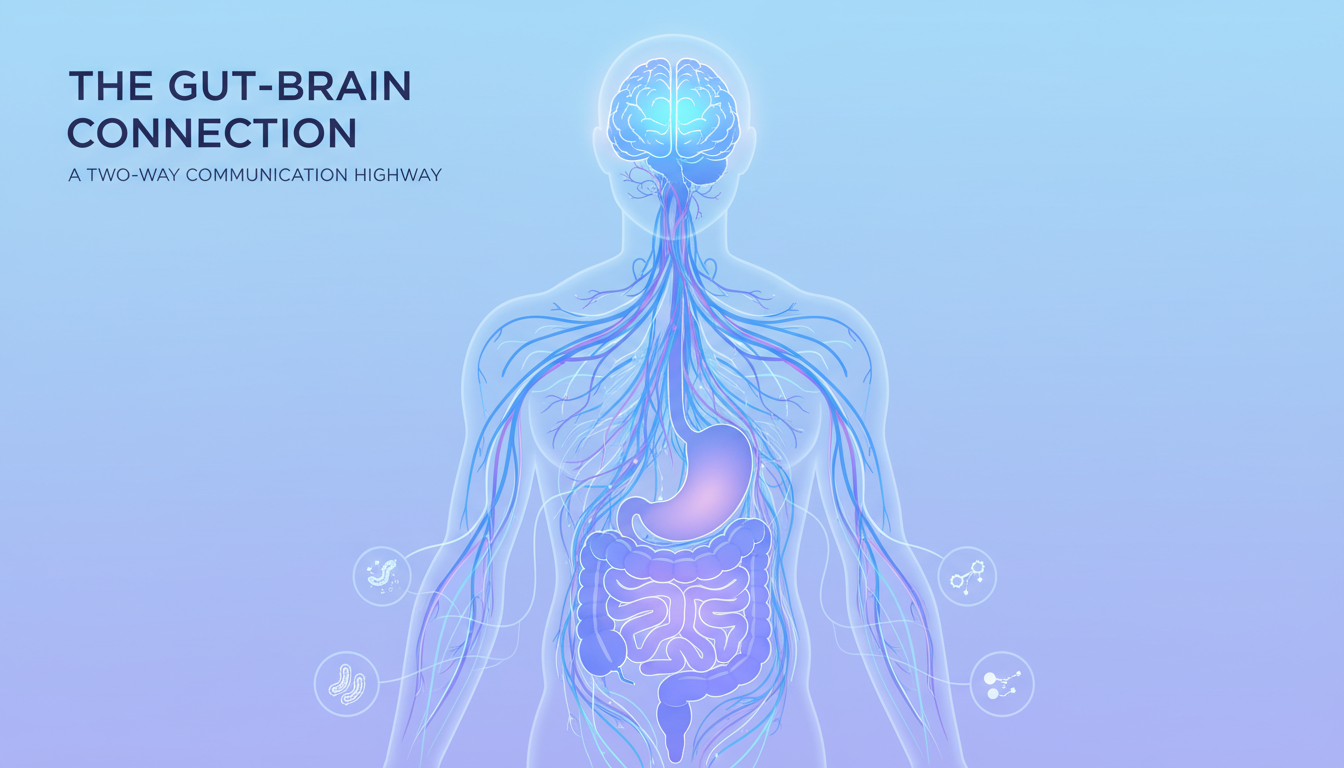
If you have ever felt your stomach churn before a job interview or lost your appetite during a stressful week, you have experienced the brain-gut connection first-hand. This is not a coincidence — your brain and digestive system are intimately linked through a complex network of nerves, hormones, and neurotransmitters.
The Enteric Nervous System: Your “Second Brain”
Your gut contains its own independent nervous system called the enteric nervous system (ENS). Often referred to as your “second brain,” the ENS contains over 100 million nerve cells lining your gastrointestinal tract from oesophagus to rectum. This is more nerve cells than your spinal cord contains.
The ENS does not just control digestion — it communicates constantly with your brain. When your brain perceives a threat (whether that is a genuine danger or an anxious thought about tomorrow’s presentation), it sends signals directly to your gut. This is why emotional distress so often manifests as physical stomach symptoms.
The Vagus Nerve: The Brain-Gut Highway
The vagus nerve is the longest cranial nerve in your body, running from your brainstem all the way down to your abdomen. It acts as a two-way communication highway between your brain and your gut. Approximately 80% of the signals travelling along the vagus nerve go from the gut to the brain, not the other way around — which helps explain why gut problems can trigger or worsen anxiety.
When you are anxious, the vagus nerve transmits stress signals to your digestive system, altering gut motility (how quickly food moves through your system), increasing stomach acid production, and changing the composition of your gut microbiome.
The Fight-or-Flight Response and Digestion
When anxiety triggers your body’s fight-or-flight response, your sympathetic nervous system kicks into gear. Your body prioritises survival functions — increased heart rate, heightened alertness, and blood flow redirected to your muscles.
This means blood is actively diverted away from your digestive system. Your body essentially puts digestion on hold because, from an evolutionary perspective, you do not need to digest your lunch when you are running from a predator. The result? Slowed digestion, cramping, nausea, and that familiar “knot in your stomach” feeling.
Additionally, the stress hormones cortisol and adrenaline increase stomach acid production and can cause the muscles in your digestive tract to spasm, leading to pain, bloating, and changes in bowel habits.
Common Anxiety-Related Stomach Symptoms
Anxiety can cause a surprisingly wide range of digestive symptoms. You may experience one or several of these at the same time:
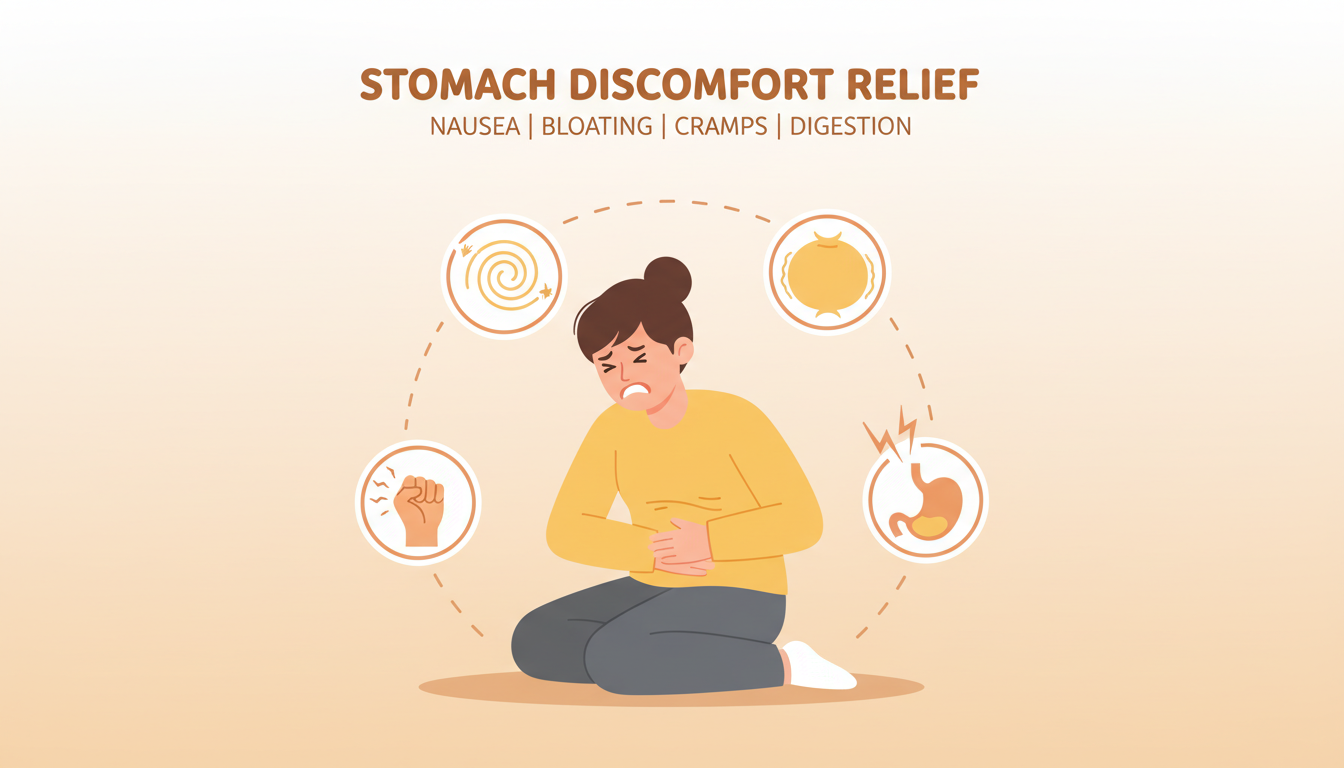
- Nausea — a queasy, unsettled feeling that may come in waves, particularly before stressful events
- Stomach cramps and pain — ranging from dull aches to sharp, gripping pains
- IBS flare-ups — anxiety is one of the most common triggers for irritable bowel syndrome symptoms
- Diarrhoea — stress speeds up gut motility, causing loose or frequent stools
- Constipation — paradoxically, chronic anxiety can also slow digestion, leading to constipation
- Bloating and excess gas — anxiety changes how your gut processes food and can increase air swallowing
- Acid reflux and heartburn — increased stomach acid production caused by stress hormones
- Loss of appetite — the fight-or-flight response suppresses hunger signals
- “Butterflies” in your stomach — a fluttering sensation caused by reduced blood flow to the digestive tract
- Feeling of fullness — even after eating very little, anxiety can make your stomach feel uncomfortably full
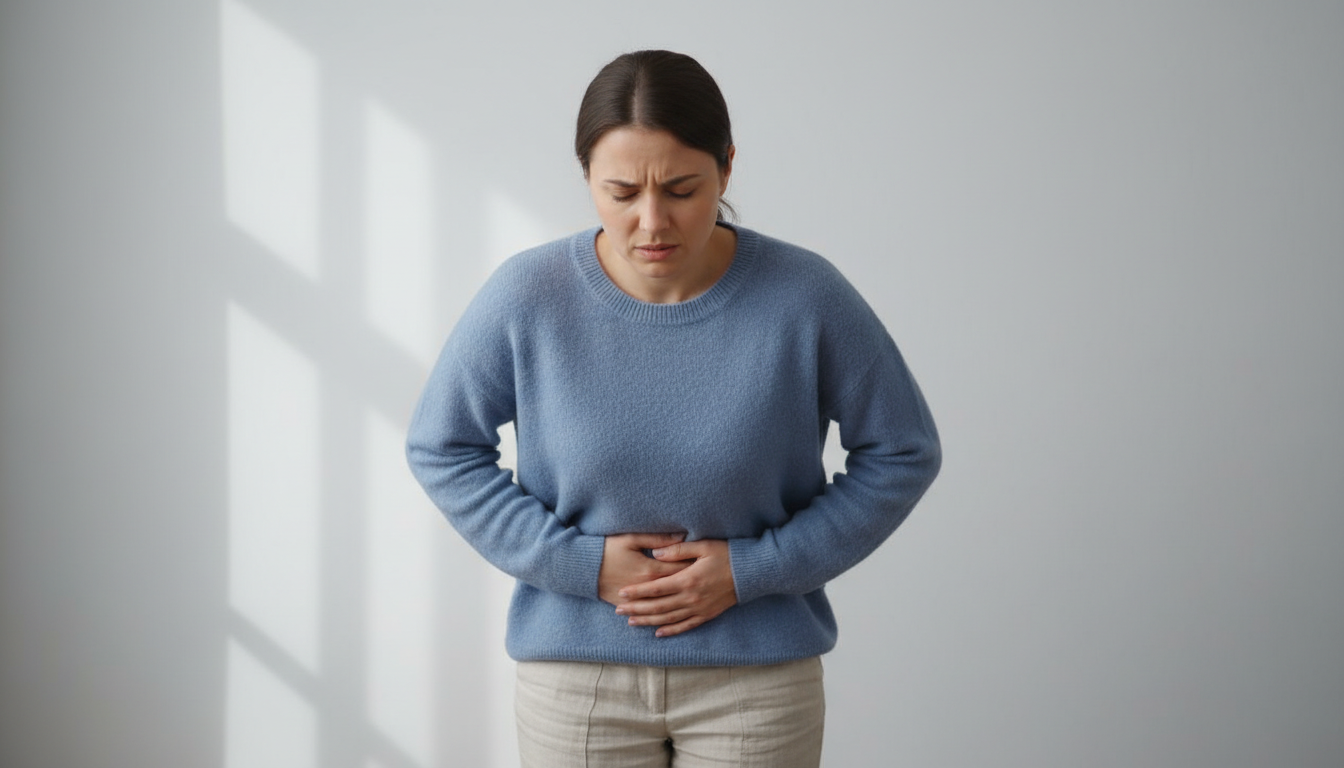
It is important to recognise that these symptoms are entirely real and physical. The brain-gut connection means that psychological distress produces genuine physiological changes in your digestive system. You are not imagining it, and it is certainly not “all in your head.”
Can Anxiety Cause Long-Term Digestive Problems?
While occasional anxiety-related stomach upset is normal and usually resolves once the stressor passes, chronic anxiety can lead to more persistent digestive issues.
Chronic Stress and Gut Health
Prolonged exposure to stress hormones can damage the lining of your stomach and intestines, alter the balance of beneficial bacteria in your gut microbiome, and increase intestinal permeability (sometimes called “leaky gut”). Research published in the Journal of Physiology and Pharmacology has shown that chronic psychological stress significantly affects gut barrier function and immune response.
The Anxiety-IBS Connection
Irritable bowel syndrome (IBS) affects approximately 10-15% of the UK population, and research consistently demonstrates a strong bidirectional relationship between IBS and anxiety. According to the National Institute for Health and Care Excellence (NICE), psychological factors play a significant role in IBS, and psychological therapies are recommended as part of the treatment pathway.
Studies suggest that up to 60% of people with IBS also have a diagnosable anxiety disorder, and people with anxiety are significantly more likely to develop IBS than the general population. This is not because IBS is “just anxiety” — it is a real condition with real symptoms — but anxiety can trigger, maintain, and worsen IBS symptoms.
Functional Dyspepsia
Functional dyspepsia is a condition characterised by persistent indigestion, upper abdominal pain, and early fullness without an identifiable structural cause. Research has shown that anxiety and stress are major contributing factors. Like IBS, functional dyspepsia involves disruption of the brain-gut axis and is increasingly treated with a combination of physical and psychological approaches.
How to Calm an Anxious Stomach
When anxiety strikes your stomach, there are several evidence-based strategies that can provide relief. These techniques work by activating your parasympathetic nervous system (your body’s “rest and digest” mode), counteracting the fight-or-flight response.
Diaphragmatic Breathing
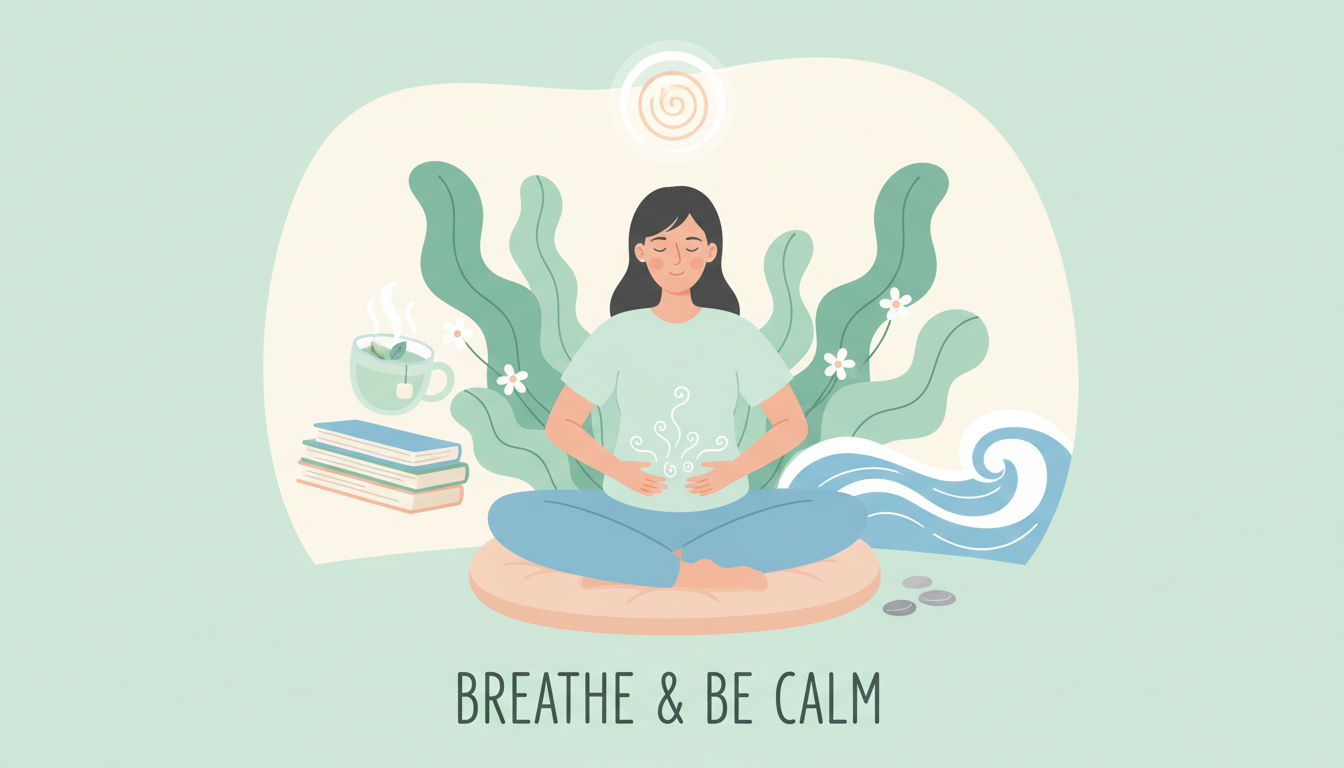
Deep belly breathing is one of the fastest ways to calm both anxiety and stomach symptoms. It directly stimulates the vagus nerve, sending calming signals to your gut.
- Place one hand on your chest and the other on your stomach.
- Breathe in slowly through your nose for 4 seconds, feeling your stomach rise.
- Hold for 2 seconds.
- Breathe out slowly through your mouth for 6 seconds, feeling your stomach fall.
- Repeat for 5-10 minutes.
Research published in Frontiers in Psychology found that diaphragmatic breathing significantly reduces cortisol levels and improves sustained attention, both of which benefit gut function.
Peppermint Tea
Peppermint has antispasmodic properties that can relax the smooth muscles of the digestive tract. A warm cup of peppermint tea can ease cramping, bloating, and nausea. The British Dietetic Association recognises peppermint oil as a potential treatment for IBS symptoms, and NICE includes it as an option for first-line treatment.
Gentle Movement
Light physical activity such as a short walk, gentle yoga, or stretching can help restore normal blood flow to your digestive system and reduce the muscle tension that contributes to stomach discomfort. A 10-15 minute walk after eating can be particularly helpful for bloating and feelings of fullness.
Mindfulness and Body Scanning
Mindfulness meditation can reduce the hypervigilance that makes anxiety-related stomach symptoms feel more intense. Body scan exercises, where you systematically relax each part of your body, can be especially effective for releasing tension held in your abdomen. Apps such as Headspace and Calm offer guided body scan meditations specifically designed for digestive comfort.
Heat Therapy
Applying a heat pack or hot water bottle to your abdomen can relax cramped muscles, improve blood flow to the area, and provide soothing comfort. Research suggests that heat therapy can be as effective as over-the-counter pain relief for abdominal cramping.
What to Eat (and Avoid) When Anxiety Upsets Your Stomach
What you eat can significantly influence how your gut responds to anxiety. While dietary changes alone will not cure anxiety, they can reduce the severity of stomach symptoms.
Foods That May Help
- Ginger — a natural anti-nausea remedy supported by research. Try ginger tea, ginger biscuits, or fresh ginger in hot water.
- Plain, easily digestible foods — toast, rice, bananas, and boiled potatoes are gentle on an upset stomach.
- Probiotic-rich foods — natural yoghurt, kefir, sauerkraut, and kimchi support a healthy gut microbiome. Research from University College Cork found that certain probiotic strains can reduce stress-related gut symptoms.
- Small, frequent meals — eating smaller portions more often is easier on your digestive system than large meals, especially during anxious periods.
- Fibre-rich foods — oats, vegetables, and fruits (introduced gradually) support healthy digestion and regular bowel movements.
Foods and Drinks to Limit or Avoid
- Caffeine — stimulates stomach acid production and can worsen both anxiety and digestive symptoms. This includes coffee, strong tea, energy drinks, and cola.
- Alcohol — irritates the stomach lining, disrupts sleep, and can increase anxiety the following day.
- Spicy foods — can exacerbate acid reflux and stomach pain during anxious periods.
- High-FODMAP foods — if you have IBS alongside anxiety, foods high in fermentable carbohydrates (such as onions, garlic, wheat, and some fruits) may trigger symptoms. The Monash University Low FODMAP Diet app can help identify your triggers, and the NHS recommends working with a registered dietitian before attempting a full FODMAP elimination diet.
- Processed and fatty foods — take longer to digest and can worsen bloating and discomfort.
When to See Your GP
While anxiety-related stomach problems are common and often manageable with self-help strategies, certain symptoms require medical attention. See your GP if you experience any of the following:
- Blood in your stool or black, tarry stools
- Unexplained weight loss
- Persistent symptoms lasting more than two weeks that do not respond to self-help measures
- Severe abdominal pain that disrupts your daily life
- Difficulty swallowing or persistent vomiting
- Symptoms that wake you at night
- A change in bowel habits that persists, especially if you are over 50
- New symptoms that you have not experienced before
Your GP can rule out other causes, refer you for appropriate tests if needed, and discuss treatment options for both the physical and psychological aspects of your symptoms.
Treatment Options
Effective treatment for anxiety-related stomach problems often addresses both the gut symptoms and the underlying anxiety. Your GP or specialist may recommend one or more of the following approaches.
Cognitive Behavioural Therapy (CBT)
CBT is the gold-standard psychological treatment for anxiety and has strong evidence for improving gut symptoms too. It helps you identify and challenge the thought patterns that fuel anxiety, develop coping strategies, and gradually change behaviours that maintain the anxiety-gut cycle. CBT is available for free on the NHS through the Talking Therapies programme (formerly IAPT), and you can self-refer without needing a GP referral.
Gut-Directed Hypnotherapy
Gut-directed hypnotherapy is a specialised form of clinical hypnotherapy that targets the brain-gut connection. It uses relaxation, suggestion, and visualisation techniques to reduce gut sensitivity and normalise digestive function. NICE recommends gut-directed hypnotherapy for IBS when other treatments have not been effective, and research from the University of Manchester has shown that up to 70% of patients experience significant improvement.
In the UK, gut-directed hypnotherapy is available in some NHS centres and privately through practitioners registered with the British Society of Clinical and Academic Hypnosis (BSCAH).
Medication
Depending on your symptoms, your GP may suggest:
- Antispasmodics (such as mebeverine or Buscopan) for cramping and pain
- Low-dose antidepressants — SSRIs or tricyclic antidepressants at low doses can reduce gut sensitivity and anxiety simultaneously. NICE recommends these for IBS when other treatments have not helped.
- Proton pump inhibitors (PPIs) for acid reflux
- Anti-nausea medication for persistent nausea
Always discuss medication options with your GP, as treatment should be tailored to your specific symptoms and circumstances.
Getting Help in the UK
If anxiety-related stomach problems are affecting your quality of life, there is a clear pathway to support in the UK:
NHS Services
- Your GP — your first point of contact for both gut symptoms and anxiety. They can investigate physical causes, prescribe medication, and refer you to specialists.
- NHS Talking Therapies — free, evidence-based psychological therapy for anxiety. Self-refer online at nhs.uk/talk or ask your GP for a referral.
- NHS gastroenterology services — your GP can refer you to a gastroenterologist if your symptoms require specialist investigation.
NICE Guidelines
The National Institute for Health and Care Excellence provides evidence-based guidelines for both anxiety (CG113) and IBS (CG61). These guidelines recommend a stepped-care approach, starting with self-help and progressing to psychological therapies and medication as needed.
Charities and Support Organisations
- The IBS Network (theibsnetwork.org) — the UK’s national charity for IBS, offering information, support groups, and a helpline.
- Guts UK (gutscharity.org.uk) — provides information about all digestive conditions and funds gut health research.
- Anxiety UK (anxietyuk.org.uk) — offers support, therapy access, and information for people living with anxiety. Helpline: 03444 775 774.
- Mind (mind.org.uk) — the UK’s leading mental health charity. Infoline: 0300 123 3393.
Frequently Asked Questions
How long do anxiety stomach problems last?
Anxiety-related stomach symptoms can last anywhere from a few minutes to several days, depending on the severity and duration of the anxiety. Acute anxiety (such as before a specific event) typically causes symptoms that resolve within hours. However, if you are experiencing chronic or generalised anxiety, stomach problems may persist for weeks or longer until the underlying anxiety is addressed. With appropriate treatment, most people see significant improvement within 6-12 weeks.
Can anxiety cause IBS?
While anxiety does not directly cause IBS, there is a strong bidirectional relationship between the two conditions. Anxiety can trigger the onset of IBS symptoms, worsen existing IBS, and make flare-ups more frequent and severe. Research suggests that treating anxiety often leads to significant improvement in IBS symptoms. NICE guidelines recommend psychological therapies as part of the IBS treatment pathway.
Why does my stomach hurt when I am nervous?
When you feel nervous, your body activates the fight-or-flight response, releasing stress hormones including adrenaline and cortisol. These hormones redirect blood away from your digestive system, increase stomach acid production, and cause the muscles in your gut to contract or spasm. Your gut’s own nervous system (the enteric nervous system) also responds directly to emotional signals from your brain via the vagus nerve, causing pain, cramping, and other digestive symptoms.
Can CBT help with anxiety stomach problems?
Yes, CBT has strong evidence for improving both anxiety and associated stomach symptoms. By addressing the anxious thoughts and behaviours that drive the stress response, CBT can break the anxiety-gut cycle. Research has shown that CBT reduces gut symptom severity in people with IBS by 50-70% in many cases. You can access CBT for free through NHS Talking Therapies by self-referring at nhs.uk/talk.
Should I see a GP or a gastroenterologist?
Start with your GP. They can assess your symptoms, rule out common causes, and determine whether a referral to a gastroenterologist is necessary. In many cases, your GP can manage anxiety-related stomach problems effectively with a combination of reassurance, self-help advice, and if needed, medication or a referral to psychological therapy. A gastroenterology referral is typically recommended if you have red-flag symptoms, if initial treatments are not helping, or if further investigation is needed.
Is anxiety stomach a real condition?
Anxiety-related stomach symptoms are absolutely real. The term “functional gastrointestinal disorder” is used medically to describe gut symptoms driven by the brain-gut connection rather than structural disease. These conditions are well-recognised in medical practice and are included in the Rome IV diagnostic criteria. The symptoms are genuine, measurable, and treatable — they are not imagined, exaggerated, or a sign of weakness.
Related Articles
Anxiety and High Blood Pressure: Understanding the Connection
Can anxiety cause high blood pressure? Learn about the link between anxiety and blood pressure, what the research says, and how to manage both effectively.
Anxiety Chest Pain: What It Feels Like, Causes and When to Seek Help
Anxiety chest pain can feel frightening. Learn what causes it, how to tell it apart from a heart attack, and what to do — including when to call 999.

Anxiety Fatigue: Why Anxiety Makes You So Tired
Anxiety can leave you exhausted. Understand why anxiety causes fatigue and discover strategies to restore your energy and wellbeing.