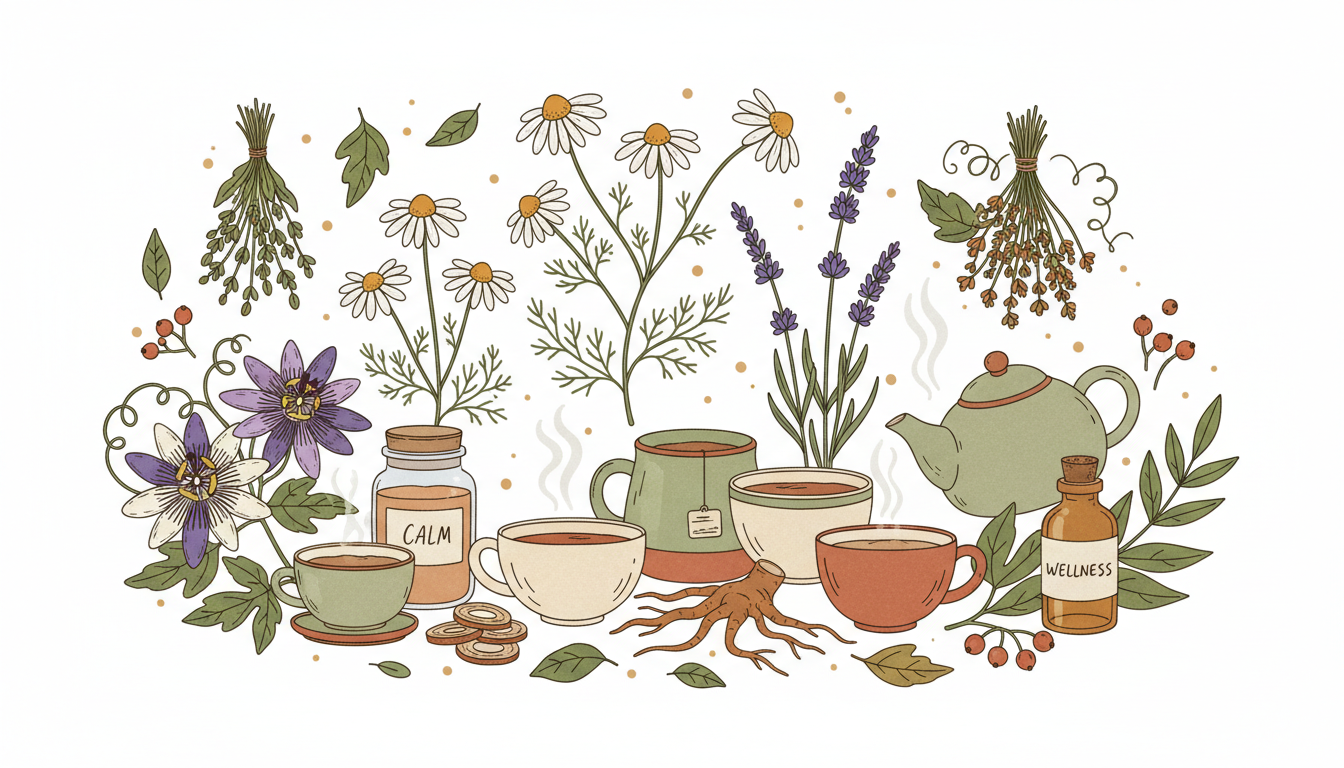
Can Chamomile Tea Help With Anxiety? What the Evidence Says
There is something instinctively right about reaching for chamomile tea when you feel wound up, and for once the instinct has some science behind it. Chamomile is among the better-studied herbal options for anxiety. But there is a catch that most articles skip: the trials that found real reductions in anxiety symptoms used concentrated extracts, not the teabag in your kitchen cupboard.
This guide, part of our managing anxiety resources, separates what a cup of tea can honestly do from what the research extracts did, and covers the safety points that even a gentle herb deserves. For how chamomile compares with other approaches, our review of natural remedies for anxiety covers the whole field.
The short answer
Chamomile tea can help you feel calmer, especially as part of a wind-down routine, and it carries very little risk for most people. What it cannot do is treat an anxiety disorder. The clinical evidence for measurable symptom reduction comes from standardised extracts taken daily for weeks, at concentrations far beyond what brewing a teabag releases. Think of tea as a small, pleasant ally and the extracts as the version scientists actually tested.
That distinction matters because it protects you from two mistakes: dismissing chamomile entirely, and expecting a hot drink to fix persistent anxiety that needs proper treatment.
How chamomile may work
Chamomile flowers contain a family of active compounds, the most discussed being a flavonoid called apigenin. In laboratory studies, apigenin binds to the same receptor sites in the brain that benzodiazepine medicines target, part of the GABA system that dampens nervous activity. Other constituents add mild anti-inflammatory and muscle-relaxing effects.
The result is a gentle calming action without the strong sedation or dependence risk of prescription tranquillisers. Gentle is the operative word: at the amounts in a cup of tea, the pharmacological effect is small, which is why the warm-drink ritual, the pause, and the switch away from caffeine probably contribute as much as the chemistry. If caffeine is part of your anxiety picture, our guide to caffeine and anxiety is worth reading alongside this one.
What the research shows
The evidence base is genuinely encouraging for a herbal remedy, with honest limits.
- A randomised controlled trial published in the Journal of Clinical Psychopharmacology in 2009 gave 57 people with mild to moderate generalised anxiety disorder either a standardised chamomile extract or placebo for eight weeks. The chamomile group showed a significantly greater drop in anxiety scores. The sample was small, but the design was solid.
- A longer study published in Phytomedicine in 2016 followed adults with generalised anxiety disorder through twelve weeks of open-label chamomile extract, then randomised those who improved to continue with chamomile or switch to placebo for a further six months. Symptoms stayed lower in the chamomile group and the extract was well tolerated over the long term, although the difference in relapse rates did not reach statistical significance.
So the fair grading is this: standardised chamomile extract has shown modest, real effects on mild to moderate anxiety symptoms in small trials, it appears safe over months of use, and it has not been shown to prevent relapse or to treat severe anxiety. Different products contain different amounts of active compounds, so one brand’s results do not automatically transfer to another. No health body recommends chamomile in place of NICE-recommended treatments such as CBT.
How many cups a day?
Nobody has run a trial counting cups, so any article giving you a precise daily number is inventing it. What we can say honestly:
- Typical use is one to three cups a day, most often in the evening as part of a wind-down routine.
- Part of the benefit is substitution. Every chamomile tea that replaces a coffee, cola or energy drink removes caffeine that may be feeding your symptoms.
- The ritual matters. A deliberate ten-minute pause with a warm drink is itself a small relaxation exercise, and it pairs well with breathing exercises or the routine in our guide to sleep and anxiety.
- Anchor it to a routine rather than to symptoms. A cup at the same point each evening, as part of a calming evening routine, builds a cue your body learns to associate with winding down, which is worth more than reaching for the kettle only when anxiety has already spiked.
- Escalating consumption is a signal. If you notice you are drinking cup after cup to keep symptoms down, the tea is not the problem, but it is telling you the anxiety needs a better tool.
If you want the version the trials used, that means a standardised extract sold as a supplement. In the UK these are food supplements rather than MHRA-licensed medicines, so quality varies by manufacturer; choose reputable brands, and ask a pharmacist to check the label against your medicines.
Safety, allergies and interactions
Chamomile is one of the gentler herbs, but not risk-free:
- Daisy-family allergy. Chamomile belongs to the Asteraceae family alongside ragweed and chrysanthemums. If those set off your hay fever or skin reactions, chamomile can too, and severe allergic reactions, though rare, have been reported.
- Blood thinners. Chamomile contains coumarin-related compounds, and there are case reports of interaction with warfarin. If you take any anticoagulant, stick to occasional tea at most and talk to your GP or pharmacist before using extracts.
- Sedatives and sleep medicines. Concentrated chamomile can add to drowsiness from benzodiazepines, sleeping tablets, some antidepressants and alcohol.
- Pregnancy and breastfeeding. The occasional cup of tea is generally regarded as low risk, but concentrated supplements have not been established as safe; discuss them with your midwife, GP or pharmacist first.
- Ciclosporin and other critical medicines. Isolated reports suggest chamomile can interfere with some drugs metabolised by the liver. The safe habit is simple: whenever you take regular medication, mention any supplement to a pharmacist.
When chamomile is not enough
Chamomile suits mild, everyday anxiety and stressful patches. If your anxiety is frequent, intense, has lasted more than a few weeks, or is interfering with sleep, work or relationships, a nicer tea is not the answer. Talking therapies have far stronger evidence: the NHS explains the options on its anxiety, fear and panic pages, and in England you can refer yourself for free NHS Talking Therapies without seeing a GP first. Our guide to how to manage anxiety pulls the full toolkit together.
If you are exploring other herbal options, passionflower has small trials in generalised anxiety, and valerian is the traditional choice where poor sleep is the bigger problem. Treat them the same way as chamomile: modest helpers, honestly graded, never cures.
When to seek help
See your GP if anxiety is persistent or worsening, or if you are relying on any remedy daily to get through. If you or someone else is in immediate danger, call 999 or go to A&E. For urgent advice when it is not life-threatening, call NHS 111. If you need to talk to someone right now, Samaritans are on 116 123, free and open around the clock.
A cup of chamomile in the evening is a small, sane habit with a little science behind it. Enjoy it for what it is, and let the heavier lifting be done by treatments built for the job.
Frequently Asked Questions
Can chamomile tea help with anxiety?
A cup of chamomile tea can genuinely help you feel calmer in the moment, partly through its mild active compounds and partly through the ritual of a warm, caffeine-free drink. However, the clinical trials that found reductions in anxiety symptoms used concentrated standardised extracts, which contain far more of the active compounds than a teabag. Tea is a pleasant support, not a treatment.
How many cups of chamomile tea a day should I drink for anxiety?
There is no researched number of cups that treats anxiety, so be wary of any article that prescribes one. Most people who use it drink one to three cups a day, often in the evening, and part of the benefit comes from replacing caffeinated drinks. If you find yourself drinking cup after cup to control symptoms, that is a sign to speak to your GP about better tools.
Who should be careful with chamomile?
Anyone allergic to plants in the daisy family, such as ragweed or chrysanthemums, can react to chamomile, occasionally severely. Concentrated extracts may interact with blood thinners like warfarin and can add to the effect of sedatives. If you are pregnant, breastfeeding or take regular medicines, check with your GP or pharmacist before using chamomile supplements rather than the occasional cup of tea.
Is chamomile better than valerian or passionflower for anxiety?
No head-to-head trials have compared them properly, so nobody can honestly rank them. Chamomile has some of the better trial evidence for mild to moderate anxiety symptoms, valerian is mostly studied for sleep with mixed results, and passionflower has small promising studies. They are all modest options that suit different people, not competing cures.
Related Articles

How to Manage Anxiety: Self-Help That Works Without Medication
Learn how to manage anxiety without medication with NHS-backed self-help techniques, daily habits, CBT tools and prevention tips, plus when to seek professional support in the UK.

Natural Remedies for Stress and Anxiety: What Actually Works
Do natural remedies for stress and anxiety actually work? We review the evidence, from exercise to herbal options, so you can make informed and safe choices.
Passionflower for Anxiety: Evidence, Safety and How People Use It
Passionflower for anxiety reviewed honestly. What small trials found, how tea differs from tablets, THR-registered products, interactions and when to see a GP.