Sleep Anxiety: Causes, Symptoms and How to Break the Cycle
Last updated:
What Is Sleep Anxiety?
Sleep anxiety, sometimes called somniphobia or sleep-related anxiety, is a persistent fear or dread associated with the act of going to sleep. It goes beyond the occasional restless night that everyone experiences. With sleep anxiety, the approach of bedtime itself becomes a source of significant worry. You may begin to feel anxious hours before bed, dreading the moment you have to turn off the lights and face the quiet darkness where anxious thoughts thrive.
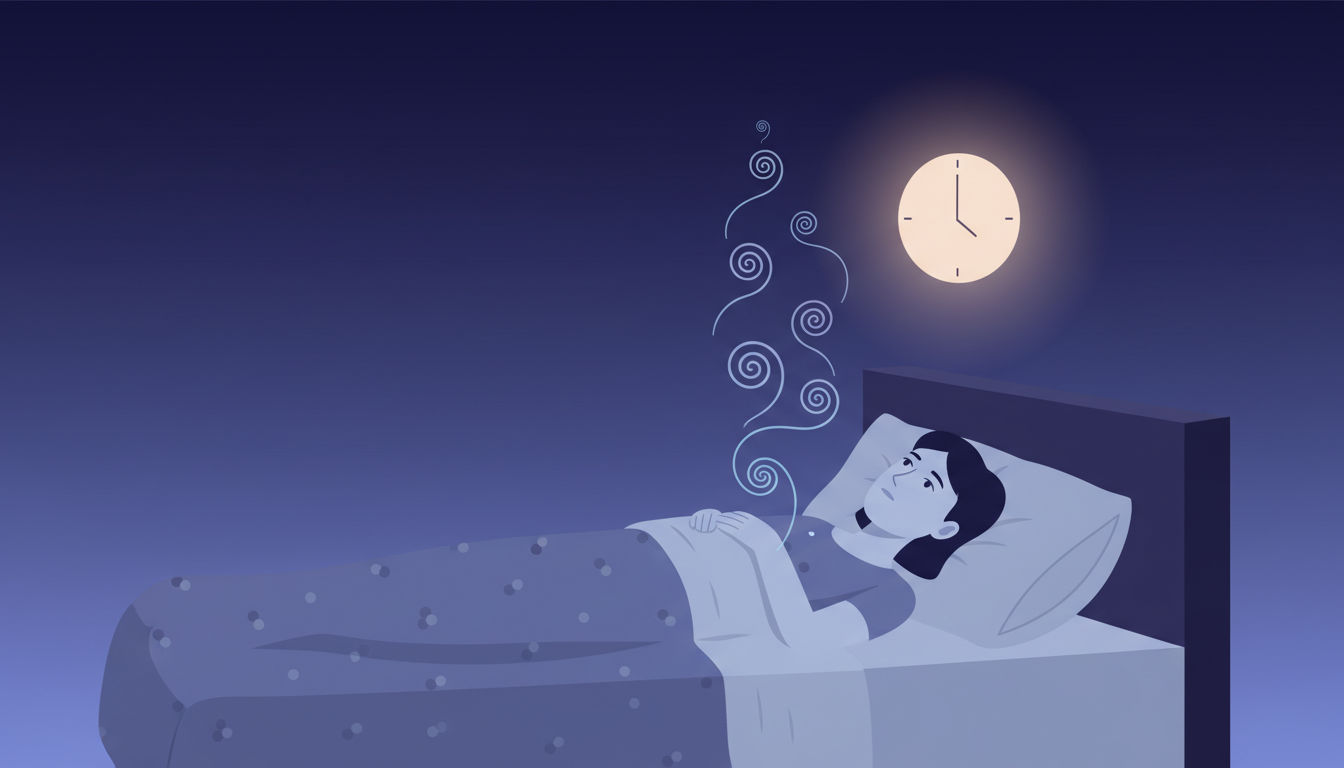
Sleep anxiety can take several forms. Some people fear not being able to fall asleep. Others worry about what will happen while they sleep, whether that is nightmares, panic attacks or simply “wasting” hours lying awake. For some, the anxiety is specifically about the consequences of poor sleep: the fear that tomorrow will be ruined, that they will not cope at work, or that their health will suffer.
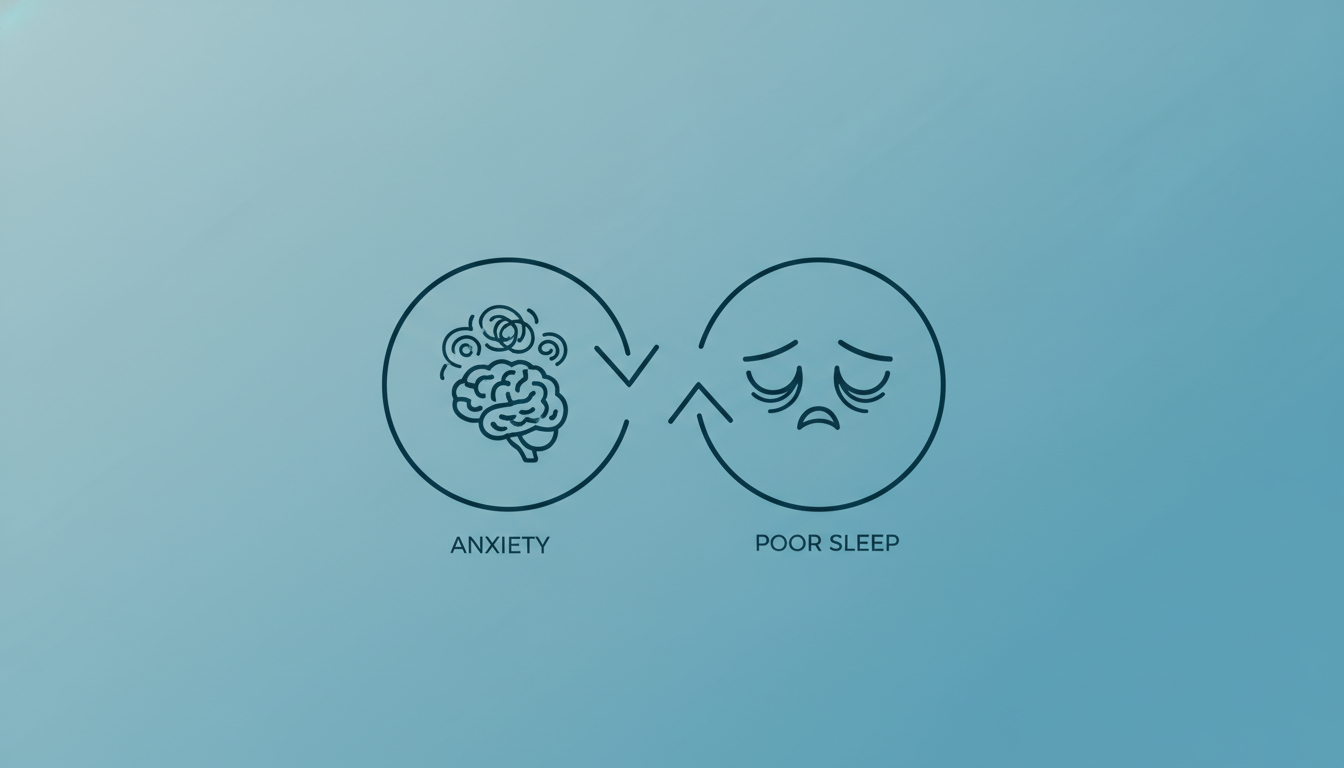
What makes sleep anxiety particularly cruel is its self-reinforcing nature. The more anxious you are about sleep, the harder it becomes to sleep. The harder it becomes to sleep, the more evidence your brain collects that sleep is something to fear. This cycle can escalate rapidly, turning occasional difficulty into chronic insomnia.
In the United Kingdom, the scale of this problem is significant. According to the Mental Health Foundation, nearly one-third of UK adults suffer from insomnia, and anxiety is one of the most common causes. The Great British Sleep Survey found that racing thoughts were the primary reason for sleeplessness, reported by 82% of poor sleepers.
Symptoms of Sleep Anxiety
Sleep anxiety produces both emotional and physical symptoms. Recognising the full range of symptoms can help you understand your experience and communicate it effectively to a healthcare professional.
Emotional and Psychological Symptoms
- A sense of dread or apprehension as bedtime approaches, sometimes beginning hours before you actually go to bed
- Racing thoughts that intensify when you lie down, including worries about sleep itself, the next day, or wider life concerns
- Irritability and emotional volatility in the evening and at bedtime, often directed at partners or family members
- Difficulty concentrating during the evening as anxiety about the coming night builds
- Catastrophic thinking about sleep, such as “If I don’t sleep tonight, I won’t be able to function tomorrow” or “I’m going to be awake all night again”
- Hypervigilance about sleep cues, obsessively monitoring whether you feel tired enough, checking the clock repeatedly, or tracking your sleep data compulsively
- Avoidance behaviours, such as staying up excessively late to delay the dreaded moment of trying to sleep, or sleeping in a different location
- A sense of helplessness and frustration about your inability to do something as seemingly basic as falling asleep
Physical Symptoms
- Racing or pounding heart (palpitations) when you get into bed or try to fall asleep
- Muscle tension, particularly in the shoulders, neck, jaw and back, that intensifies as bedtime approaches
- Sweating or night sweats, even in a cool room
- Shallow, rapid breathing or a feeling of not being able to take a full breath
- Stomach discomfort, including nausea, churning or the need to use the bathroom repeatedly
- Tingling or numbness in the hands or feet
- Restlessness and fidgeting, an inability to find a comfortable position or keep still
- Hot flushes or chills that seem unrelated to the room temperature
Why Anxiety Disrupts Sleep
Hyperarousal: The Opposite of Sleep
Sleep requires your body and mind to transition from a state of wakefulness and alertness to one of relaxation and reduced vigilance. Anxiety does the opposite: it activates the sympathetic nervous system, placing you in a state of hyperarousal. Your heart rate is elevated, your muscles are tense, your stress hormones are flowing, and your brain is actively scanning for threats. This state is fundamentally incompatible with falling asleep.
Research using polysomnography (sleep recording equipment) has shown that people with anxiety disorders take longer to fall asleep, spend more time in lighter sleep stages, experience more frequent awakenings during the night, and get less slow-wave (deep) sleep and less REM sleep.
Racing Thoughts and Cognitive Arousal
The quiet of bedtime removes the distractions that kept anxious thoughts at bay during the day. Without the noise of activity, work and conversation, worries flood in. You might find yourself running through to-do lists, rehearsing conversations, imagining worst-case scenarios, or worrying about not being able to sleep itself.
This phenomenon, sometimes called “cognitive arousal,” is often the most distressing aspect of anxiety-related insomnia. The thoughts feel urgent and unstoppable, and the harder you try to suppress them, the more insistent they become. Research has shown that thought suppression, the deliberate attempt to push unwanted thoughts away, typically causes those thoughts to return with greater frequency and intensity, a phenomenon known as the “ironic rebound effect.”
Conditioned Arousal
Over time, if you repeatedly experience difficulty sleeping, your brain can form an association between bed and wakefulness. The bedroom, which should be a cue for relaxation and sleep, becomes instead a cue for anxiety and frustration. This conditioned arousal means that simply getting into bed triggers a stress response, making it even harder to fall asleep. You may notice that you feel sleepy on the sofa but become wide awake the moment you move to the bedroom, a classic sign of conditioned arousal.
The Bidirectional Cycle
The relationship between anxiety and sleep is not one-directional. Poor sleep does not just result from anxiety; it actively worsens it. Research at the University of California, Berkeley, found that a single night of sleep deprivation increased activity in the amygdala (the brain’s fear centre) by 60%, meaning the brain’s emotional reactivity was dramatically heightened. Other studies have shown that sleep deprivation reduces activity in the prefrontal cortex, the brain region responsible for rational thought and emotional regulation.
This creates a vicious cycle: anxiety prevents sleep, lack of sleep increases anxiety, increased anxiety further prevents sleep, and so on. Without intervention, this cycle can escalate rapidly, and what begins as a few bad nights can develop into chronic insomnia within weeks.
Risk Factors for Sleep Anxiety
While anyone can develop sleep anxiety, certain factors increase your vulnerability. Understanding these risk factors can help you and your healthcare provider identify the most appropriate treatment approach.
Existing Mental Health Conditions
- Generalised anxiety disorder (GAD): The pervasive worry characteristic of GAD readily extends to sleep, creating a fertile ground for sleep anxiety.
- Post-traumatic stress disorder (PTSD): Nightmares, hypervigilance and intrusive memories can make the vulnerability of sleep feel unsafe. Many people with PTSD develop a fear of sleeping because of distressing dreams.
- Depression: While depression is more commonly associated with excessive sleep, it can also cause insomnia, particularly early-morning waking. The relationship between depression, anxiety and sleep disruption is complex and often overlapping.
- Panic disorder: Nocturnal panic attacks, which occur during sleep without an obvious trigger, can create intense fear of going to sleep.
Sleep Disorders
- Sleep apnoea: Obstructive sleep apnoea, which causes repeated interruptions to breathing during sleep, is associated with increased anxiety. The experience of waking gasping for breath can generate significant fear about sleep.
- Restless legs syndrome: The uncomfortable sensations and irresistible urge to move the legs can make falling asleep extremely difficult, contributing to anxiety about bedtime.
- Parasomnias: Conditions such as sleepwalking, sleep talking or night terrors can make the prospect of sleep anxiety-provoking, both for the individual and for their bed partner.
Lifestyle and Substance Factors
- Caffeine: With a half-life of 5 to 7 hours, afternoon and evening caffeine consumption can significantly disrupt sleep and amplify anxiety.
- Alcohol: While alcohol may help you fall asleep initially, it disrupts sleep architecture, reducing sleep quality and increasing awakenings in the second half of the night.
- Cannabis: Although some people use cannabis as a sleep aid, long-term use can disrupt normal sleep patterns and worsen anxiety upon withdrawal.
- Shift work: Irregular work patterns disrupt the circadian rhythm, making it harder to establish consistent sleep patterns and increasing vulnerability to sleep anxiety.
Long-Term Effects of Sleep Anxiety
Sleep anxiety is not simply an inconvenience. When poor sleep becomes chronic, it can have serious consequences for both physical and mental health. Understanding these risks is not intended to increase your anxiety but to underscore the importance of seeking help.
Physical Health Consequences
- Cardiovascular disease: Chronic sleep deprivation is associated with an increased risk of high blood pressure, heart disease and stroke. Research published in the European Heart Journal found that sleeping fewer than six hours per night was associated with a 48% increased risk of developing or dying from coronary heart disease.
- Type 2 diabetes: Poor sleep affects insulin sensitivity and glucose metabolism, increasing the risk of developing type 2 diabetes. Even partial sleep deprivation over just a few nights can measurably impair glucose tolerance.
- Obesity: Sleep deprivation disrupts the hormones that regulate appetite, increasing levels of ghrelin (which stimulates hunger) and reducing levels of leptin (which signals fullness). This can lead to increased calorie intake and weight gain over time.
- Weakened immune function: During sleep, the immune system produces protective cytokines and antibodies. Chronic sleep loss impairs this process, leaving you more susceptible to infections and slowing recovery from illness.
- Chronic pain: Sleep deprivation lowers pain thresholds and can worsen conditions such as fibromyalgia, arthritis and chronic headaches.
Mental Health Consequences
- Worsening anxiety and depression: Chronic insomnia significantly increases the risk of developing depression and anxiety disorders, and worsens existing conditions.
- Impaired cognitive function: Sustained sleep loss affects memory, concentration, decision-making and reaction time, with implications for work performance and safety.
- Emotional dysregulation: The prefrontal cortex, which helps regulate emotions, is particularly sensitive to sleep deprivation. This can lead to increased irritability, emotional reactivity and difficulty coping with everyday stressors.
How Is Sleep Anxiety Diagnosed?
If sleep anxiety is significantly affecting your life, it is important to seek a proper assessment. Diagnosis typically involves several steps.
GP Assessment
Your GP is usually the first port of call. They will ask about your sleep patterns, the duration and nature of your difficulties, your mental health history, and any physical symptoms. They may also ask about your lifestyle, including caffeine and alcohol consumption, work patterns and screen use. Your GP may carry out blood tests to rule out physical conditions that can affect sleep, such as thyroid disorders, iron deficiency or vitamin D deficiency.
Sleep Diary
Your GP or therapist may ask you to keep a sleep diary for one to two weeks. This involves recording what time you go to bed, how long it takes you to fall asleep, how many times you wake during the night, what time you wake in the morning, and how you feel during the day. A sleep diary provides valuable objective data that can help guide treatment decisions.
Validated Questionnaires
Standardised tools such as the Insomnia Severity Index (ISI), the Pittsburgh Sleep Quality Index (PSQI), and the GAD-7 (for generalised anxiety) may be used to assess the severity of your sleep and anxiety symptoms.
Sleep Studies
In some cases, particularly if a sleep disorder such as sleep apnoea is suspected, your GP may refer you for a sleep study (polysomnography). This involves spending a night at a sleep clinic where your brain activity, breathing, heart rate and movements are monitored. Home sleep testing kits are also increasingly available through the NHS for certain conditions.
Types of Anxiety-Related Sleep Problems
Difficulty Falling Asleep (Sleep-Onset Insomnia)
The most common pattern: you lie in bed for 30 minutes, an hour, or longer, unable to fall asleep despite being tired. Your mind is too active, your body too tense. The quiet darkness that should invite sleep instead becomes a stage for your anxious thoughts.
Difficulty Staying Asleep (Sleep-Maintenance Insomnia)
You may fall asleep initially but wake repeatedly during the night, often with anxious thoughts that make it difficult to return to sleep. Many people report waking in the early hours, typically between 3 and 5 am, with a surge of worry. This pattern is often associated with cortisol fluctuations, as the stress hormone naturally begins to rise in the early morning.
Nocturnal Panic Attacks
Some people with anxiety disorders experience panic attacks during the night, waking suddenly with intense fear, a pounding heart, shortness of breath and dread. These nocturnal panic attacks can be particularly frightening because they seem to come from nowhere, and they can create a deep-seated fear of going to sleep. Research suggests that up to 70% of people with panic disorder experience at least one nocturnal panic attack.
Unrefreshing Sleep
Even when you manage to sleep for a reasonable number of hours, anxiety can reduce sleep quality to the point where you wake feeling unrefreshed. This is because anxiety tends to increase the proportion of light sleep at the expense of deep, restorative slow-wave sleep and REM sleep.
Sleep Anxiety in Children
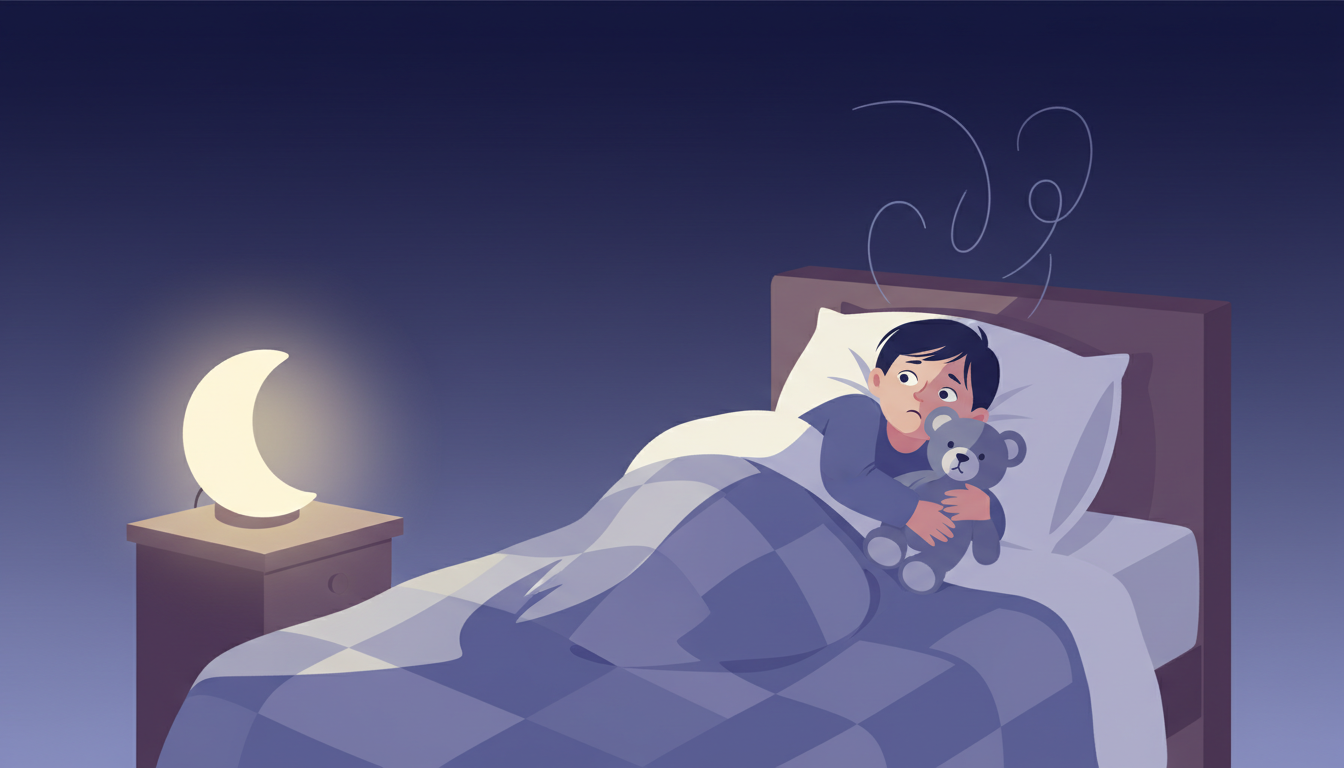
Sleep anxiety is not confined to adults. Many children experience significant anxiety around bedtime, and it is one of the most common concerns parents raise with health visitors and GPs.
How Sleep Anxiety Presents in Children
In younger children, sleep anxiety often manifests as resistance to going to bed, repeated requests for a parent to stay, fear of the dark, fear of being alone, and worry about nightmares or monsters. In older children and teenagers, it may present more like adult sleep anxiety, with racing thoughts, worry about the next day (particularly school), and difficulty switching off.
Common Triggers
Common triggers for childhood sleep anxiety include starting a new school, family changes such as parental separation or a new sibling, bullying, exposure to frightening media content, and general life transitions. Some children have a temperamental predisposition to anxiety that makes them more vulnerable to sleep difficulties.
What Parents Can Do
- Establish a consistent, calming bedtime routine that begins at the same time each night
- Validate your child’s fears rather than dismissing them; saying “I can see you feel scared” is more helpful than “There’s nothing to be afraid of”
- Gradually increase your child’s independence at bedtime rather than making sudden changes
- Limit screen time in the hour before bed, as blue light and stimulating content can worsen anxiety
- Teach age-appropriate relaxation techniques such as deep breathing or guided imagery
- Avoid allowing your child to sleep in your bed regularly as a solution, as this can reinforce the anxiety long term
If your child’s sleep anxiety is persistent and significantly affecting their daytime functioning, speak to your GP. NHS services, including Child and Adolescent Mental Health Services (CAMHS), can provide specialist assessment and support.
Evidence-Based Solutions
CBT for Insomnia (CBT-I)
CBT-I is recommended by NICE as the first-line treatment for chronic insomnia and is considered more effective than sleeping medication in the long term. CBT-I typically involves 4 to 8 sessions and includes several components:
Sleep restriction: Counterintuitively, this involves temporarily reducing the time spent in bed to match the time actually spent sleeping. This builds up “sleep pressure” and strengthens the association between bed and sleep. For example, if you are in bed for 8 hours but only sleeping for 5, you would initially restrict your time in bed to approximately 5 hours. As sleep efficiency improves, time in bed is gradually increased.
Stimulus control: This addresses conditioned arousal by establishing rules such as: only go to bed when sleepy, use the bed only for sleep (and intimacy), and if you cannot sleep after 15 to 20 minutes, get up and do something calming in another room until you feel sleepy again.
Cognitive restructuring: Challenging unhelpful beliefs about sleep, such as “I must get 8 hours or I won’t function” or “If I don’t sleep tonight, something terrible will happen.” These beliefs increase anxiety about sleep and perpetuate insomnia. Through cognitive restructuring, you learn to develop more balanced, realistic perspectives on sleep.
Relaxation training: Techniques such as progressive muscle relaxation, diaphragmatic breathing and body scan meditation to reduce physical tension at bedtime.
Sleep hygiene education: Guidance on environmental and behavioural factors that support good sleep.
CBT-I is available through NHS Talking Therapies, and there are also digital CBT-I programmes approved by the NHS, such as Sleepio, which provides the same evidence-based techniques in a self-guided online format.
Treating the Underlying Anxiety
While CBT-I addresses the sleep problem directly, treating the underlying anxiety disorder is equally important. NICE recommends CBT for generalised anxiety disorder, panic disorder and other anxiety conditions. Treating the anxiety reduces the hyperarousal that drives insomnia, addressing the root cause rather than just the symptom. In many cases, the most effective approach is to treat both the sleep problem and the anxiety simultaneously.
Medication
While sleeping pills (such as zopiclone or zolpidem) may be prescribed for short-term relief, NICE advises against their long-term use due to risks of dependence and reduced effectiveness over time. These medications are sometimes referred to as “Z-drugs” and are typically prescribed for no more than two to four weeks.
SSRIs prescribed for the underlying anxiety disorder may improve sleep as anxiety reduces, though some SSRIs can initially disrupt sleep before sleep quality improves. Your GP should discuss this possibility with you so that you know what to expect.
Melatonin, a hormone that regulates the sleep-wake cycle, may be prescribed in some cases, particularly for older adults or for people whose circadian rhythm has been disrupted. It is available on prescription in the UK and is not the same as the over-the-counter supplements available in some other countries.
Your GP can discuss the most appropriate approach for your specific situation.
Practical Sleep Strategies
Sleep Hygiene
While sleep hygiene alone is usually not sufficient to resolve anxiety-related insomnia, it provides an important foundation:
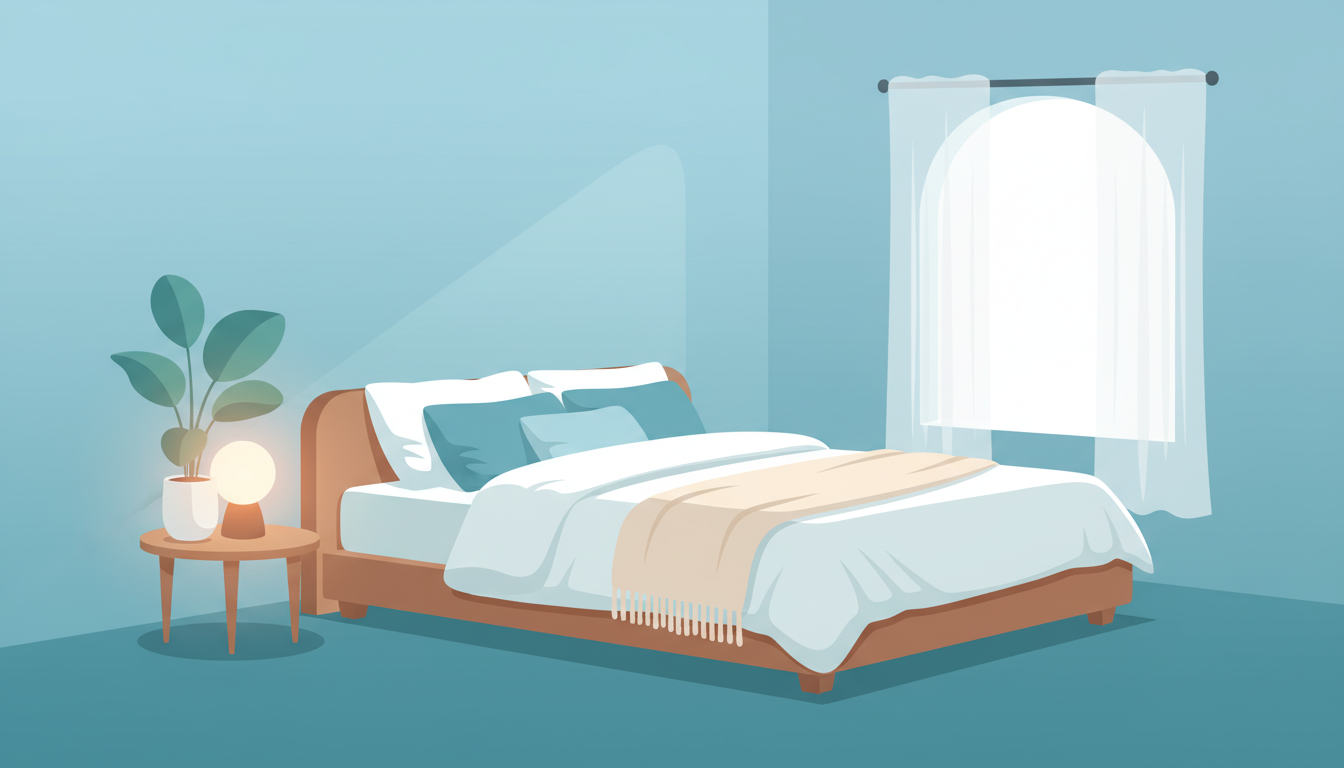
- Consistent schedule: Go to bed and wake up at the same time every day, including weekends. Consistency is one of the most powerful signals you can give your body’s internal clock.
- Cool, dark, quiet bedroom: Use blackout curtains, earplugs or a white noise machine if needed. Keep the room temperature cool, around 16 to 18 degrees Celsius, which research suggests is optimal for sleep.
- Limit screens: Blue light from phones, tablets and computers suppresses melatonin production. Avoid screens for at least 30 minutes before bed, ideally longer. If you must use a device, enable the blue light filter.
- Avoid caffeine after midday: Caffeine has a half-life of 5 to 7 hours, meaning that an afternoon coffee can still be affecting you at bedtime. Be aware that tea, chocolate and some soft drinks also contain caffeine.
- Limit alcohol: While alcohol may help you fall asleep initially, it disrupts sleep architecture, reducing sleep quality and increasing awakenings in the second half of the night.
- Regular exercise: Physical activity promotes better sleep, but try to finish vigorous exercise at least 3 to 4 hours before bedtime, as exercising too close to bed can increase arousal.
Pre-Sleep Wind-Down
Create a consistent 30 to 60-minute wind-down routine before bed. This signals to your brain that the transition to sleep is beginning. Your routine might include:
- A warm bath or shower (the subsequent drop in body temperature paradoxically helps promote sleepiness)
- Gentle stretching or yoga
- Reading a physical book (not on a screen)
- Listening to calming music, a sleep podcast or an audiobook
- A relaxation exercise such as progressive muscle relaxation or guided meditation
- A warm, caffeine-free drink such as herbal tea or warm milk
Managing Racing Thoughts
Worry time: Schedule a specific 15 to 20-minute “worry time” earlier in the evening, well before bed. Write down your worries and any possible next steps. Then close the notebook and put it aside. If worries arise at bedtime, remind yourself that you have already dealt with them and they can wait until tomorrow.
Journaling: Writing down thoughts and feelings before bed can help externalise them, reducing the intensity of racing thoughts. Some people find it helpful to write a brief gratitude list, which can shift the brain’s focus towards positive experiences.
Body scan meditation: Starting from your toes and working up to the top of your head, focus your attention on each body part in turn, noticing any tension and consciously relaxing it. This redirects attention from thoughts to physical sensations and promotes relaxation.
The cognitive shuffle: This technique involves thinking of random, unrelated images in quick succession (for example, a red apple, a sailing boat, a grey cat). By occupying the mind with low-stakes imagery, you make it harder for anxious thoughts to take hold. Research from Simon Fraser University suggests this technique can help people fall asleep faster.
When to Seek Help
If you have been struggling with anxiety-related sleep problems for more than a few weeks, if your daytime functioning is significantly affected, or if you are relying on alcohol or over-the-counter sleep aids to get through the night, it is time to seek professional help. You should also seek help if you experience:
- Loud snoring, gasping or choking during sleep (which may indicate sleep apnoea)
- Nocturnal panic attacks
- Significant daytime sleepiness that affects your ability to work or drive safely
- Symptoms of depression alongside your sleep difficulties
- Sleep problems that have not improved despite consistent self-help efforts
Your GP can assess your situation, discuss treatment options, and refer you to appropriate services.
UK Resources
- NHS Talking Therapies: Free CBT and CBT-I. Self-referral available without a GP appointment. Visit nhs.uk to find your local service.
- Sleepio: NHS-approved digital CBT-I programme. Available for free in some NHS areas. Website: sleepio.com.
- Every Mind Matters (NHS): Free sleep self-assessment and personalised sleep plan. Website: nhs.uk/every-mind-matters.
- The Sleep Charity: UK charity providing sleep advice and support. Helpline: 03303 530 541. Website: thesleepcharity.org.uk.
- Mind: Information on sleep and mental health. Infoline: 0300 123 3393. Website: mind.org.uk.
- Anxiety UK: Support for people living with anxiety disorders. Helpline: 03444 775 774. Website: anxietyuk.org.uk.
- Samaritans: If you need to talk to someone urgently, call 116 123 (free, 24 hours a day).
Breaking the Cycle
The relationship between anxiety and sleep is one of the most challenging aspects of living with an anxiety disorder. The relentless cycle of anxious nights and exhausted days can feel unbreakable. But the evidence is clear: with the right approach, this cycle can be broken.
CBT-I, treatment of underlying anxiety, and practical sleep strategies can together transform your nights and, by extension, your days. Recovery is not always linear, and there will be setbacks along the way. But each night does not have to be a battle, and sleep does not have to be a source of dread.
If sleep has become something you fear rather than welcome, please reach out for help. Speak to your GP, self-refer to NHS Talking Therapies, or contact one of the organisations listed above. You deserve to sleep well, and with the right support, you can.
Frequently Asked Questions
How common is sleep anxiety?
Sleep anxiety is extremely common. According to the Mental Health Foundation, nearly one in three UK adults experience insomnia, and anxiety is one of the leading causes. The Great British Sleep Survey found that 82% of poor sleepers identified racing thoughts as their primary barrier to sleep. While exact figures for sleep anxiety specifically are difficult to determine because it is not a standalone diagnosis, research consistently shows that the majority of people with anxiety disorders experience significant sleep disruption, and many develop anxiety specifically related to sleep over time.
Can sleep anxiety cause physical symptoms?
Yes, absolutely. Sleep anxiety can cause a wide range of physical symptoms including a racing or pounding heart, muscle tension (particularly in the neck, shoulders and jaw), sweating, shallow breathing, stomach discomfort, nausea, tingling in the hands or feet, and restlessness. These symptoms are caused by the activation of the sympathetic nervous system, the body’s “fight or flight” response, which is triggered by anxiety and is fundamentally incompatible with the relaxed state needed for sleep. These physical symptoms are real and measurable, not imagined.
How do I stop anxiety before bed?
Several evidence-based strategies can help reduce anxiety before bed. Establish a consistent wind-down routine starting 30 to 60 minutes before bed, during which you avoid screens, engage in calming activities and practise relaxation techniques. Schedule a “worry time” earlier in the evening to process your concerns well before bedtime. Use techniques such as progressive muscle relaxation, deep breathing or body scan meditation to reduce physical tension. Avoid checking the clock, as this increases anxiety about lost sleep. If you cannot sleep after 15 to 20 minutes, get up and do something calming in another room until you feel sleepy. CBT-I, available free through NHS Talking Therapies, provides a structured, evidence-based approach to addressing sleep anxiety comprehensively.
Is sleep anxiety a disorder?
Sleep anxiety is not classified as a standalone disorder in current diagnostic manuals such as the ICD-11 or DSM-5. However, it is closely related to several recognised conditions, including insomnia disorder, generalised anxiety disorder and specific phobia (somniphobia, or fear of sleep). In clinical practice, sleep anxiety is usually understood as a feature of either an anxiety disorder, an insomnia disorder, or both. Regardless of its diagnostic classification, sleep anxiety is a genuine and treatable condition, and you do not need a specific label to access help through your GP or NHS Talking Therapies.
What medication helps with sleep anxiety?
NICE recommends CBT-I as the first-line treatment for chronic insomnia, ahead of medication. When medication is considered, options may include short-term use of Z-drugs (such as zopiclone), though these are not recommended for long-term use due to dependence risks. SSRIs or SNRIs prescribed for underlying anxiety may improve sleep as the anxiety reduces. Melatonin may be prescribed to help regulate the sleep-wake cycle, particularly for older adults. Over-the-counter antihistamines (such as diphenhydramine) are sometimes used but can cause daytime drowsiness and are not recommended for regular use. It is important to discuss medication options with your GP, who can recommend the most appropriate approach for your specific situation.
Can sleep anxiety go away on its own?
Mild, situational sleep anxiety, such as the kind triggered by a stressful event, an upcoming deadline or a temporary life change, can resolve on its own once the triggering situation passes. However, when sleep anxiety has become chronic and self-reinforcing, with the anxiety causing poor sleep and the poor sleep worsening the anxiety, it is unlikely to resolve without some form of intervention. The good news is that sleep anxiety responds very well to treatment. CBT-I, in particular, has an impressive evidence base, with research showing that approximately 70 to 80% of people who complete a course of CBT-I experience significant improvement in their sleep.
Does sleep anxiety affect sleep quality even if I fall asleep?
Yes. Even when you manage to fall asleep, anxiety can significantly reduce the quality of your sleep. Research shows that anxiety increases the proportion of light sleep at the expense of deep slow-wave sleep and REM sleep, both of which are essential for physical recovery, memory consolidation and emotional regulation. This means you can sleep for a seemingly adequate number of hours and still wake feeling unrefreshed, foggy and emotionally fragile. Addressing the underlying anxiety, not just the duration of sleep, is therefore essential for truly restorative rest.
Related Articles
Relationship Anxiety: Signs, Causes and How to Cope
Relationship anxiety can affect even the healthiest partnerships. Learn the signs, causes, and evidence-based strategies to cope with anxiety in relationships.
Anxiety in Social Situations: Practical Coping Strategies
Social situations can trigger anxiety for many people. Find practical coping strategies to face social anxiety with more confidence.
Morning Anxiety: Why You Wake Up Anxious and How to Stop It
Waking up anxious? Learn why morning anxiety happens, the role of cortisol, and gentle, evidence-based ways to start your day feeling calmer and more in control.