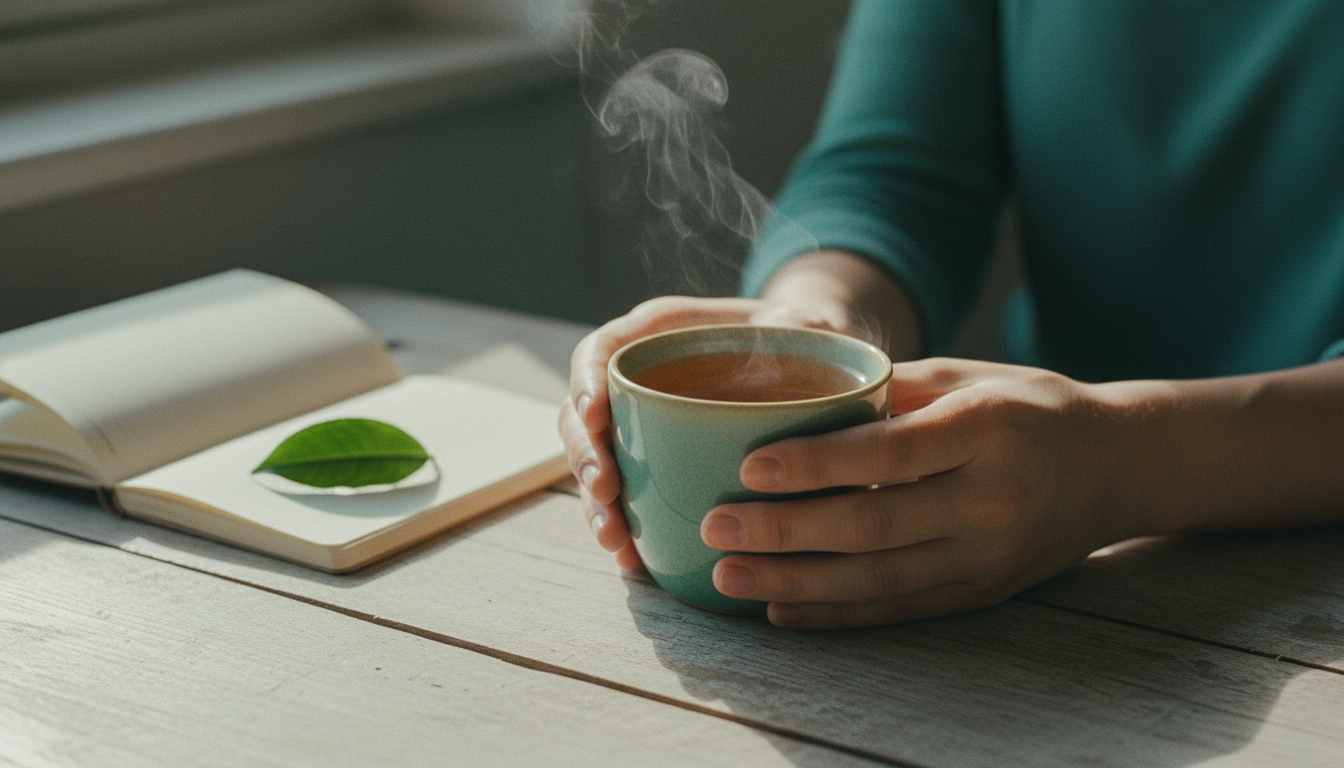
Valerian root is probably the most familiar herbal remedy in Britain: it sits behind the counter of every pharmacy, stars in traditional sleep tablets, and has been used for nervous tension since Roman physicians were writing about it. Familiarity, though, is not evidence. When you actually weigh the studies, valerian’s case for anxiety is weaker than its reputation, and its honest home is somewhere slightly different.
This guide, part of our managing anxiety resources, looks at what valerian is, what the research genuinely shows, what the THR mark on UK packs does and does not mean, and who should steer clear. For the whole landscape of supplements and lifestyle approaches, see our review of natural remedies for anxiety.
The short answer
Direct evidence that valerian reduces anxiety is thin and mixed. Its better-supported territory is sleep, where studies suggest a modest, inconsistent improvement in how well people feel they slept. That matters for anxious people because sleep and anxiety feed each other: a run of bad nights inflames the next day’s worry, and calmer nights soften it. So the honest positioning is this: valerian is a traditional, low-risk option to discuss with a pharmacist when poor sleep is amplifying your anxiety, not a treatment for the anxiety itself, and certainly not for panic attacks, which need faster, evidence-based tools.
What valerian is and how it may work
Valerian is a flowering plant whose root has a long history in European herbal practice, and an unmistakable smell that anyone who has opened a packet will remember. Researchers attribute its effects mainly to valerenic acid and related compounds, which in laboratory studies increase activity in the GABA system, the brain’s main braking network. That is the same broad mechanism claimed for passionflower and, far more potently, for benzodiazepine medicines.
The laboratory story is plausible; the question is whether the effect in humans is big enough to matter. That is where the trials come in.
What the evidence shows
Graded honestly, in three layers:
- For diagnosed anxiety: insufficient evidence. A Cochrane systematic review published in 2006 searched for randomised trials of valerian in anxiety disorders and found just one eligible study of 36 people, too small and too limited to support any conclusion. Almost twenty years later, that gap has not been meaningfully filled.
- For sleep: modest and inconsistent. A frequently cited meta-analysis published in the American Journal of Medicine in 2006 pooled sixteen trials and found valerian might improve subjective sleep quality, while noting the studies were methodologically weak. A 2020 review reached a similar verdict: results are inconsistent, possibly because products and preparations vary so much between studies.
- For anxious people who sleep badly: the indirect case. This is where valerian’s modest sleep signal earns its practical relevance, because improving sleep is one of the most reliable ways to lower next-day anxiety. Our guide to anxiety and sleep explains that two-way relationship in depth.
Set against that, the placebo effect on sleep and anxiety measures is large, individual responses vary widely, and no health body recommends valerian as an anxiety treatment. NICE-recommended care for anxiety disorders remains talking therapy, particularly CBT, and medication where appropriate.
The THR mark: what UK valerian products are actually registered for
Valerian has the strongest regulatory story of any herb we cover, and it is worth understanding precisely. Many valerian products in UK pharmacies carry a Traditional Herbal Registration (THR), a scheme run by the MHRA. A THR means the product has been assessed for quality and manufacturing standards, comes with approved safety information, and is labelled honestly for uses justified by longstanding traditional practice, typically the temporary relief of sleep disturbances and symptoms of mild anxiety, such as those caused by everyday stress.
Read that carefully, because it contains both the reassurance and the limit. The reassurance: a THR product contains what the label says, at a consistent strength, with vetted safety warnings, which is more than any unregistered supplement can promise. The limit: registration is based on traditional use, not on proof of effectiveness. The THR logo tells you the bottle is trustworthy; it does not tell you the herb works. Both halves are true at once, and marketing tends to quote only the first.
The dosage question
Valerian dosage searches are constant, and our answer is the same across this site: we do not give dosage instructions for supplements. Preparations differ so much, from teas to tinctures to concentrated tablets, that a number without a product attached is meaningless anyway. The practical route is to choose a THR-registered product and follow its own directions, which the MHRA has assessed for that exact formulation, and to ask a pharmacist to check it against your medicines.
Can valerian cause anxiety?
For a minority of people, valerian backfires. Reported paradoxical reactions include restlessness, agitation and vivid, unsettling dreams, and some people wake groggy after taking it, which can feel remarkably like morning anxiety. There is no way to predict who reacts this way. If valerian leaves you edgier or foggier, that is a mismatch between the herb and your nervous system: stop, rather than adjusting and persisting.
Safety, interactions and who should avoid it
Valerian is generally well tolerated in the short term, with drowsiness, headache and stomach upset the usual complaints. The cautions that count:
- Driving and machinery. Do not drive until you know how it affects you; drowsiness is the point, and it does not always wait for bedtime.
- Alcohol, sedatives and sleeping tablets. Effects add together. Combining valerian with benzodiazepines, z-drugs or a heavy evening of drinking is asking for excessive sedation.
- Antidepressants and other regular medicines. Interactions are plausible, including with sedating antidepressants; if you take anything on prescription, including SSRIs, talk to your GP or pharmacist before starting.
- Liver. Rare reports of liver injury exist, mostly involving multi-herb products rather than valerian alone. Stop and seek medical advice if you develop jaundice, dark urine or persistent nausea.
- Pregnancy, breastfeeding and under-18s. Avoid; adequate safety data does not exist.
- Surgery. Stop valerian in the weeks before a planned operation and tell your anaesthetist, because it can add to anaesthetic sedation.
When valerian is not enough
A herb with borderline evidence has no business carrying persistent anxiety on its own. If anxiety is frequent, severe, or has been shaping your days for more than a few weeks, see your GP; the NHS anxiety, fear and panic pages set out the options, and in England you can refer yourself to free NHS Talking Therapies. Our guide to how to manage anxiety gathers the full toolkit, and if you arrived here comparing herbs, chamomile has the better anxiety trials while kava is banned in the UK altogether.
In an emergency call 999 or go to A&E, for urgent advice call NHS 111, and Samaritans are on 116 123, free, at any hour.
Valerian has earned its place as a traditional, well-regulated option for rough patches of sleep and tension. Give it that job if it suits you, judge it over a few weeks, and give the bigger job of treating anxiety to the treatments that have actually proven they can do it.
Frequently Asked Questions
Does valerian root help with anxiety?
The direct evidence is weak. A Cochrane review found only one small trial of valerian for anxiety disorder, too little to draw conclusions, and sleep studies show modest, inconsistent benefits. Its most defensible use is where poor sleep is feeding daytime anxiety, since even a small improvement in sleep can soften the next day's symptoms. It is not a treatment for anxiety disorders or panic.
Can valerian cause anxiety?
Indirectly, yes, for a minority. Some people experience paradoxical restlessness, agitation or vivid dreams instead of calm, and morning grogginess after a poor night can feel like anxiety too. If valerian makes you feel worse rather than better, stop taking it; a paradoxical reaction is a mismatch, not something to push through.
Is it safe to take valerian every night?
THR-registered valerian products are labelled for the temporary relief of sleep disturbances and mild anxiety, not indefinite nightly use. Trials mostly ran for a few weeks, so long-term nightly use is simply not well studied. If you feel you need it every night for more than a few weeks, that is the signal to see your GP about what is driving the poor sleep or anxiety.
What is the right valerian dosage for anxiety?
There is no established dose for anxiety, and we do not give dosage instructions. Products vary widely in strength and preparation, which is exactly why the THR label matters. A registered product states its own directions, assessed by the MHRA for that specific formulation. Follow the label of your product and ask a pharmacist if anything is unclear.
Related Articles
Can Chamomile Tea Help With Anxiety? What the Evidence Says
Can chamomile tea help with anxiety? What clinical trials found, why teabags differ from the extracts studied, how many cups people drink, and safety points.

How to Manage Anxiety: Self-Help That Works Without Medication
Learn how to manage anxiety without medication with NHS-backed self-help techniques, daily habits, CBT tools and prevention tips, plus when to seek professional support in the UK.
Kava for Anxiety: Why It Is Banned in the UK and What Helps Instead
Kava for anxiety explained for UK readers. Why kava has been banned from sale here since 2003, what the trials found, the liver risks, and legal alternatives.