
Separation Anxiety in Relationships and Adult Life: Signs, Causes and What Helps
Your partner leaves for a three-day work trip and your stomach knots before the front door has closed. You check your phone constantly, imagine accidents in vivid detail, and cannot settle until they are home. If this sounds familiar, you may be dealing with separation anxiety in relationships, and the first thing to know is that it is a real, recognised experience in adults, not a childish weakness you should have outgrown.
Separation anxiety is intense distress about being apart from a person you are strongly attached to, together with persistent worry that something bad will happen to them or to you while you are separated. This guide, part of our anxiety disorders resources, focuses on the adult form: how it shows up in romantic relationships and adult life, how it differs from the childhood version, what tends to cause it, and the coping strategies and therapy routes that genuinely help.
Can Adults Have Separation Anxiety?
Yes. For decades separation anxiety was described almost exclusively as a condition of early childhood, and adults who experienced it were often misdiagnosed or dismissed. That changed formally in 2013, when the DSM-5, one of the main diagnostic manuals used by clinicians, removed the requirement that symptoms must begin before age 18. Adult separation anxiety disorder is now recognised in its own right, and research since has suggested it is more common than previously assumed, with many cases beginning in adulthood rather than carrying over from childhood.
The difference in adults is mainly who the attachment figure is. A child’s separation anxiety usually centres on a parent or carer. An adult’s usually centres on a partner or spouse, and sometimes on a parent, a close friend or their own children. The underlying machinery is the same: an attachment system, designed to keep us close to the people who keep us safe, firing far too strongly.
What Adult Separation Anxiety Looks Like
Adult separation anxiety is more than missing someone. Common signs include:
- Intense distress around separations, starting before the separation happens: dread in the days before a partner’s trip, or anxiety that spikes every morning as they leave for work.
- Persistent worry about harm, imagining accidents, illness or death befalling the person while you are apart, however unlikely.
- Reluctance to be apart, such as avoiding travel, turning down opportunities that involve time away, or struggling to be at home alone, especially overnight.
- Constant contact and checking: needing to know where the person is, repeated calls and messages, and rising panic when a reply is slow to arrive.
- Physical symptoms when separation happens or is anticipated: racing heart, nausea, stomach pain, headaches, trembling and disturbed sleep. Some people experience full panic attacks, and if that is a regular pattern our guide to panic disorder may also be relevant.
Occasional versions of these feelings are normal, especially early in a relationship or after a frightening event. The line into a clinical problem is crossed when the distress is intense, lasts months rather than days, and starts shrinking your life.
Separation Anxiety in Relationships
Romantic relationships are where adult separation anxiety most often plays out, because a partner is typically the main attachment figure in adult life.
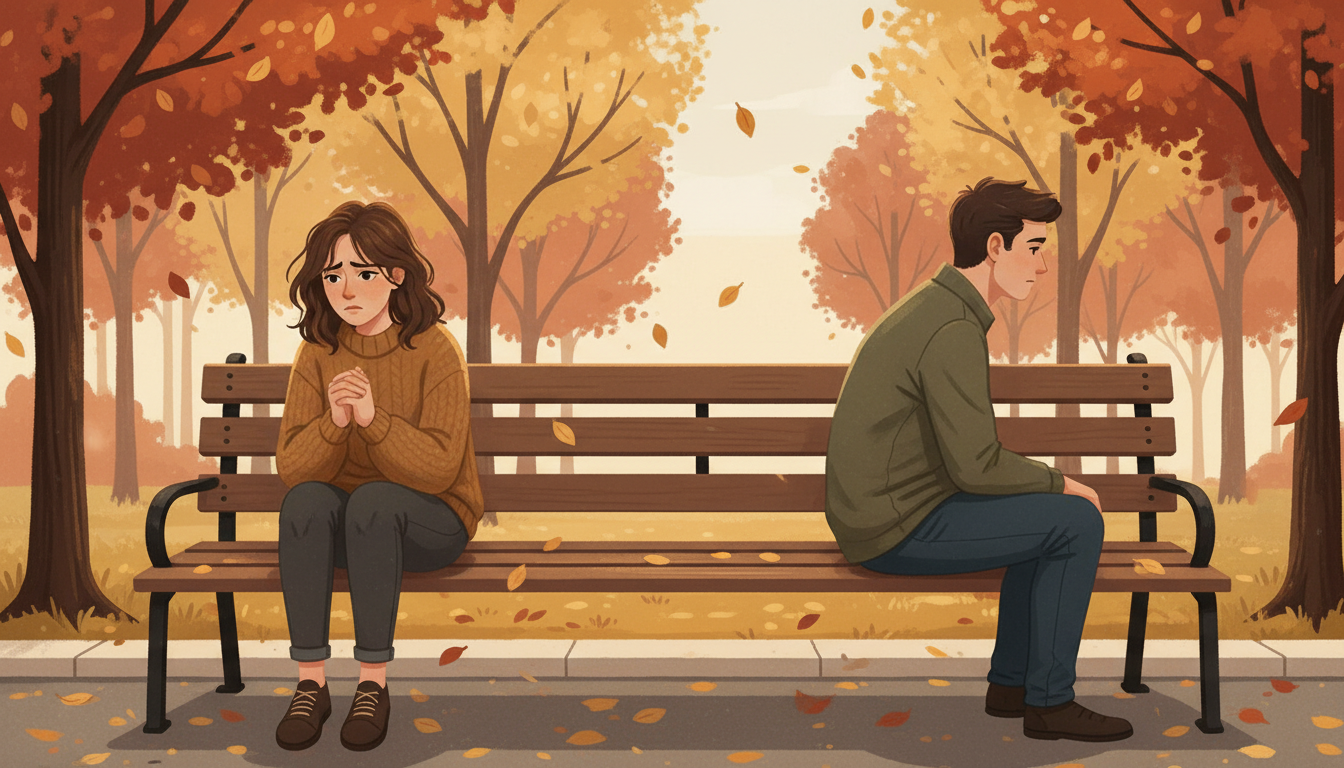
Within a relationship it can look like needing to accompany your partner everywhere, cutting your own plans short to get back to them, feeling unable to enjoy anything while they are away, or repeatedly seeking reassurance that they are safe and still committed. Many people describe an exhausting cycle: anxiety rises when apart, contact brings brief relief, and the relief teaches the brain that contact was necessary, making the next separation harder.
It is worth separating this from two look-alikes. Jealousy is fear of betrayal and centres on what the partner might choose to do. Separation anxiety is fear of loss and harm, and can be intense even in relationships with complete trust. It is also distinct from relationship anxiety more broadly, which involves doubts about the relationship itself and your partner’s feelings; we cover that pattern in our guide to anxiety and relationships. The two can overlap, but separation anxiety is specifically about the physical fact of being apart.
An honest word about the other side: partners of people with separation anxiety often feel monitored or smothered, then guilty for feeling that way. Naming the pattern as anxiety, rather than as a character flaw or a lack of love on either side, is usually the first step that lets couples work on it together.
How It Differs From Separation Anxiety in Children
In babies and toddlers, distress at separation is a healthy developmental stage: clinginess and tears around six months to three years show that attachment is working as it should, and most children grow through it naturally. In older children it can become a disorder, often visible as school refusal, nightmares about separation and physical complaints at drop-off. If you are a parent supporting an anxious child, our dedicated guide to separation anxiety in children covers that form in depth.
The adult form differs in three main ways: the attachment figure is usually a partner rather than a parent, the worry is more elaborate and future-focused, and the costs land on adult responsibilities, such as declining jobs that involve travel, avoiding independent activities, or organising an entire routine around another person’s presence. None of this means an adult with separation anxiety is being childish. It means the same fundamental system misfires at every age.
What Causes Separation Anxiety in Adults?
There is rarely one cause. Factors that commonly contribute include:
- Attachment history. Inconsistent, frightening or disrupted early caregiving can leave the attachment system primed to expect loss, which resurfaces in adult relationships.
- Loss and trauma. Bereavement, a partner’s serious illness, an accident, or a sudden past break-up or divorce can switch the system to high alert. Adult onset frequently follows an event that made loss feel real.
- Life transitions. Moving away from family, a child leaving home, retirement or a new relationship after long independence can all unsettle attachment security.
- Temperament and existing anxiety. People prone to worry, and those already living with conditions such as generalised anxiety disorder, are more vulnerable to separation-focused fears.
How to Deal With Separation Anxiety
Coping is a practice, not a switch. These strategies, drawn from the cognitive behavioural approaches used across NHS services, help most when used consistently.
- Practise graded separations. Deliberately plan time apart that feels challenging but manageable, then extend it step by step: an evening out alone, a night away, a weekend. The aim is to let the anxiety rise, peak and fall without escaping early, which is how the brain relearns safety.
- Shrink the checking. Constant location-checking and message loops feed the cycle. Agree a realistic check-in rhythm with your partner in advance, then resist contact between check-ins, tolerating the discomfort as it fades.
- Calm the body first. When the wave hits, slow diaphragmatic breathing and the 5-4-3-2-1 method give your nervous system a way down. Our grounding techniques for anxiety guide walks through the options.
- Build a life that is yours. Friendships, hobbies and goals that do not involve your partner are not disloyalty; they are the scaffolding of secure attachment. Schedule them, especially during planned separations.
- Talk about the pattern, not just the incidents. A calm conversation in a quiet moment, explaining that the anxiety is about fear of loss rather than mistrust, prevents the resentment that builds when it is only discussed mid-argument.
Therapy and Treatment Routes
If self-help is not enough, effective treatment exists. Cognitive behavioural therapy, particularly with graded exposure to feared separations, is the best-evidenced approach; our guide to CBT for anxiety explains how it works. In England you can self-refer to NHS Talking Therapies without going through your GP; in Scotland, Wales and Northern Ireland, your GP can advise on local psychological therapy services.
Where separation anxiety is straining a relationship, couples counselling, for example through Relate, can help both partners change the pattern together rather than framing one person as the problem. If symptoms are severe, your GP may also discuss medication options used for anxiety disorders more widely, such as antidepressants; that is a personalised conversation about benefits and risks to have with a clinician.
When to Seek Help
See your GP if worry about being apart from someone is persistent, causes intense distress or panic attacks, or is limiting your work, travel, sleep or relationships. For urgent mental health concerns that are not life-threatening, contact NHS 111. If you or someone else is at immediate risk of harm, call 999 or go to A&E, and if you need to talk to someone right now, Samaritans are available free on 116 123, day and night. Separation anxiety responds well to treatment, and asking for help is a step towards a relationship, and a life, with more room to breathe.
Frequently Asked Questions
Can adults have separation anxiety?
Yes. Although it was long treated as a childhood condition, separation anxiety disorder is now formally recognised in adults, and diagnostic manuals no longer require it to have started before age 18. In adults the attachment figure is most often a partner, spouse or close family member, and the worry centres on being apart from them or on harm coming to them.
Is separation anxiety in a relationship the same as being clingy or anxiously attached?
Not quite. An anxious attachment style is a general pattern of needing closeness and fearing rejection, and by itself it is not a disorder. Separation anxiety becomes a clinical concern when the distress about being physically apart is intense, persistent, out of proportion, and interferes with everyday life, for example turning down work, avoiding travel or being unable to sleep alone.
How do I deal with separation anxiety when my partner is away?
Plan the separation rather than enduring it. Agree a realistic check-in rhythm in advance instead of messaging constantly, fill the time with absorbing activities you choose beforehand, and use slow breathing or grounding techniques when the physical wave of anxiety hits. Practising shorter separations regularly, and letting the anxiety rise and fall without cutting them short, gradually retrains your threat response.
What causes separation anxiety in adults?
There is rarely a single cause. Early attachment experiences, losses such as bereavement or a past sudden break-up, major life transitions, an anxious temperament and existing anxiety conditions can all contribute. In adults it often emerges or intensifies after a frightening event involving a loved one, such as a health scare or an accident.
When should I see a GP about separation anxiety?
See your GP if worry about being apart from someone is persistent, causes intense distress or panic, or is limiting your work, travel, sleep or relationships. Contact NHS 111 for urgent mental health advice that is not an emergency, and call 999 or go to A&E if you or someone else is at immediate risk.
Related Articles

Relationship Anxiety: Signs, Causes and How to Cope
Relationship anxiety can affect even the healthiest partnerships. Learn the signs, causes, and evidence-based strategies to cope with anxiety in relationships.

Generalised Anxiety Disorder (GAD): The Complete Guide
Everything you need to know about generalised anxiety disorder: symptoms, causes and risk factors, diagnosis, CBT and other treatment options, NHS pathways and recovery.

Panic Disorder: Symptoms, Causes and CBT Treatment Options
Understand panic disorder and panic attacks - what triggers them, how the panic cycle works, and how cognitive behavioural therapy and NHS treatment can help.