
Childhood Separation Anxiety: A Parent's Guide to What Is Normal and What Helps
The Clinging, the Crying, and What It Really Means
If your baby wails the moment you leave the room, or your four-year-old attaches themselves to your leg at the nursery door, you are watching one of the most universal scenes in childhood. Separation anxiety is a normal part of growing up, and in its everyday form it is actually good news: it means your child has formed a strong attachment to you and has worked out that you matter.
That knowledge does not make drop-offs less heartbreaking, and it does not answer the question every parent eventually asks: is this still normal, or has it become something that needs help? This guide, part of our anxiety in daily life resources, walks through what childhood separation anxiety looks like at each age, the signs it has tipped into a disorder, what genuinely helps at home and at the school gate, and where to turn in the UK if you need more support.
One scope note: this page is about children. Adults can experience intense separation anxiety too, and that has its own guide in our article on separation anxiety in adults.
Why Separation Anxiety Happens
Somewhere around the middle of the first year, babies develop object permanence: the understanding that people and things continue to exist when they cannot be seen. It is a huge cognitive leap, and it comes with a sting. Once your baby knows you still exist somewhere else, they can miss you, and they have no concept yet of “back in five minutes”.
Crying, clinging and protest at separations are the developmentally appropriate response of a brain that has attached deeply but cannot yet hold time, predict returns or self-soothe. The NHS notes that separation anxiety is common from around six months to three years of age. It is not manipulation and it is not a sign of spoiling; it is a stage, and children move through it at their own pace, with wobbles returning at big transitions for years afterwards.
What Is Normal at Each Age
Babies (roughly 6 to 12 months)
True separation anxiety typically begins from around six months, often intensifying towards the end of the first year. Expect crying at handovers, fretting when you leave the room, and a strong preference for one or two familiar carers. A note on the word “newborn”: very young babies certainly settle best with familiar people, but the specific, targeted distress at your departure is not usually a newborn behaviour. If someone tells you their three-week-old has separation anxiety, what they are seeing is normal newborn need for comfort, not the developmental milestone this article describes.
Toddlers (1 to 3 years)
This is usually the peak. Nursery drop-offs can be operatic, bedtime becomes a negotiation about your whereabouts, and a toddler who happily played alone last month may suddenly shadow you to the kettle. Intense feelings, briefly expressed, followed by recovery once you are gone: nursery staff will almost always tell you the tears stopped within minutes of your departure, and they are almost always telling the truth.
Preschool (3 to 5 years)
Most children ease noticeably in this window as language, memory and trust in routines develop. Flare-ups still happen around starting school, a new sibling, illness, house moves or family stress. A previously settled child regressing during upheaval is normal, not a red flag by itself.
School age and beyond
By the school years most children manage routine separations, even if Sunday-evening wobbles or clinginess after holidays persist. Older children and teenagers with separation worries look different: fewer tears, more stomach aches on school mornings, repeated texts checking you are safe, avoidance of sleepovers, school trips or clubs, and elaborate reasons to stay home. Because it looks like reluctance rather than fear, it is easy to misread as defiance.
Signs It May Be More Than a Phase
Ordinary separation anxiety is time-limited, responds to routine and reassurance, and does not stop a child living a child’s life. It is worth closer attention when the fear is far more intense than other children of the same age show, when it persists for several weeks or more without easing, and when it interferes with everyday functioning. In that territory, clinicians start thinking about separation anxiety disorder, one of the most common childhood anxiety conditions, and one that responds well to help.
Signs worth noting down (a two-week diary is genuinely useful to a GP):
- School refusal or repeated pleading to stay home, beyond the first weeks of a new school year.
- Physical complaints clustered around separations: tummy aches, headaches or feeling sick that reliably appear before school or your nights out, and fade when the separation is cancelled.
- Extreme bedtime distress: inability to fall asleep without you present, night after night, or repeated night waking to check you are there. Our guide to anxiety and sleep includes a section on children.
- Persistent catastrophic worries: recurring fears that you will be hurt, die or not come back, or nightmares with separation themes.
- Shrinking independence: refusing playdates, parties, clubs or grandparents’ houses they used to enjoy.
The NHS guidance on anxiety in children is a sensible companion read, and it makes the key point clearly: persistent anxiety that affects daily life is a reason to seek help, not to wait and hope.
How to Help a Child With Separation Anxiety
The goal is not to eliminate the feelings; it is to teach your child, through hundreds of small repetitions, that separations are survivable and reunions are reliable.
- Build a goodbye ritual and keep it short. A hug, a phrase (“one kiss, one squeeze, see you after lunch”), a wave at the window, then go. Rituals make partings predictable, and predictability is safety to a small child. Long, lingering goodbyes feel kind but actually stretch the hardest moment.
- Always say goodbye, never sneak away. Slipping out while they are distracted avoids one meltdown and buys a bigger problem: a child who learns you might vanish at any moment, and who watches you accordingly.
- Tell them when you will return, in their time units. “After nap, before tea” beats “at half past three”. Then be reliably back when you said, because every kept promise is a deposit in the trust account.
- Practise separations in small doses. Start with minutes in another room, then a short errand while they stay with a familiar adult, then longer stretches. Graded practice is exactly how anxiety is treated clinically, and parents can run the gentle version at home.
- Use a transitional object. A small soft toy, a family photo, a button from your coat pocket: something that carries the connection while you are apart. It is a bridge, not a crutch.
- Name and accept the feeling, then express confidence. “You are sad because Mummy is going, and that is okay. You will have fun with Grandma, and I am coming back after lunch.” Validation plus confidence works better than either alone, and far better than “don’t be silly”.
- Keep your own face calm. Children read their carers constantly. If your goodbye is anxious, apologetic and reluctant, the message received is “even Mum thinks this is dangerous”. Steady, warm and boring is the tone to aim for, however you feel inside.
- Protect sleep and routine. Tired children have far fewer resources for brave behaviour, and chaotic weeks amplify clinginess. Avoid stacking big changes at once where you can.
School Refusal and the School-Morning Battle
School is where separation anxiety bites hardest, because it is compulsory, daily and public. Some UK schools and local authorities now talk about emotionally based school avoidance, which is a useful frame: the child is not choosing defiance, they are avoiding a feeling that has become unbearable.
Two principles carry most of the weight. First, involve the school early: class teachers, the pastoral team or the SENCo have seen this many times and can arrange soft landings, a calm arrival routine, a trusted adult at the gate, or a check-in system. Second, keep attendance going wherever possible, with compassion. Every avoided day brings short-term relief and makes the next morning harder, which is the standard anxiety trap; a supported return, even a partial one, usually beats a long absence that lets the fear grow.
Mornings themselves are half the battle. A predictable, unhurried start with everything prepared the night before removes the chaos that anxiety feeds on. We have a full, practical guide to building a calm school morning routine for anxious children, and it pairs directly with this article.
When and How to Get Help in the UK
Trust your judgement: you know your child’s baseline better than anyone. Speak to your GP, or your health visitor for under-fives, if separation anxiety is intense beyond what fits their age, has persisted for several weeks or more without improving, is keeping them out of nursery or school, or is causing frequent physical symptoms, sleep disruption or family strain.
The GP can rule out physical causes of tummy aches and headaches, offer guidance, and refer onwards where needed to local children and young people’s mental health services, often known as CAMHS, where evidence-based approaches such as CBT adapted for children, usually with parents closely involved, are the standard of care. Schools can often refer too, and in some areas parents can contact services directly. The charity YoungMinds runs excellent resources for parents, including a parents’ helpline, and Mind has good pages on young people’s mental health.
If a child is in immediate danger or at risk of serious harm, call 999 or go to A&E. For urgent advice that is not an emergency, contact NHS 111.
The Long View
Here is the reassurance to hold onto at the nursery door: separation anxiety exists because your child loves you and knows it. The tears at goodbye are not evidence of damage, and your calm, repeated returns are quietly teaching the most valuable lesson in the syllabus, that the people we love go away and come back. Most children learn it thoroughly. Some need extra help with the coursework, and that help works. Either way, the clinging ends, usually long before you have finished missing it.
Frequently Asked Questions
At what age does separation anxiety start in babies?
True separation anxiety usually appears from around six months of age, once a baby develops object permanence, the understanding that you still exist when out of sight. Newborns can certainly be unsettled and comforted by familiar arms, but the specific distress at your departure typically begins in the second half of the first year. The NHS notes separation anxiety is common from around six months to three years, often peaking in the toddler stage.
Is separation anxiety normal in children?
Yes, for the most part it is a healthy sign of secure attachment and normal brain development, not a problem to fix. Most children move through it gradually, with flare-ups at big transitions such as starting nursery or school. It becomes worth attention when the distress is intense, lasts well beyond what is typical for the child's age, or stops them doing normal things such as attending school, sleeping alone or making friends.
How can I help my child with separation anxiety?
Keep goodbyes short, warm and predictable, with a consistent ritual and a clear statement of when you will return in language they understand. Practise brief separations in familiar settings and build up gradually, offer a comfort object that carries the connection while you are apart, and always say goodbye rather than slipping away, because vanishing teaches a child that you might disappear at any moment. Staying calm yourself matters enormously, since children read their carer's anxiety.
What is separation anxiety disorder in children?
Separation anxiety disorder is diagnosed when fear of being apart from a caregiver is much more intense than expected for the child's developmental stage, lasts several weeks or more, and significantly interferes with school, sleep, friendships or family life. Signs include repeated refusal to attend school, frequent physical complaints around separations, extreme distress at bedtime and persistent fears that something terrible will happen to a parent. It is treatable, and the usual first step in the UK is talking to your GP.
What should I do if my child refuses to go to school?
Act early and treat it as a team problem rather than defiance. Talk to the class teacher or pastoral team promptly, because schools see anxiety-based avoidance often and can arrange soft landings such as a calm arrival routine or a trusted adult meeting your child at the gate. Keep mornings predictable and low-conflict, validate the feelings while gently holding the expectation of attending, and involve your GP if refusal persists, since long absences usually make the anxiety stronger.
Related Articles

Sleep Anxiety: Causes, Symptoms and How to Break the Cycle
Can't sleep because of stress and anxiety? Learn what causes sleep anxiety, how to recognise the symptoms, and evidence-based techniques to finally get restful sleep.
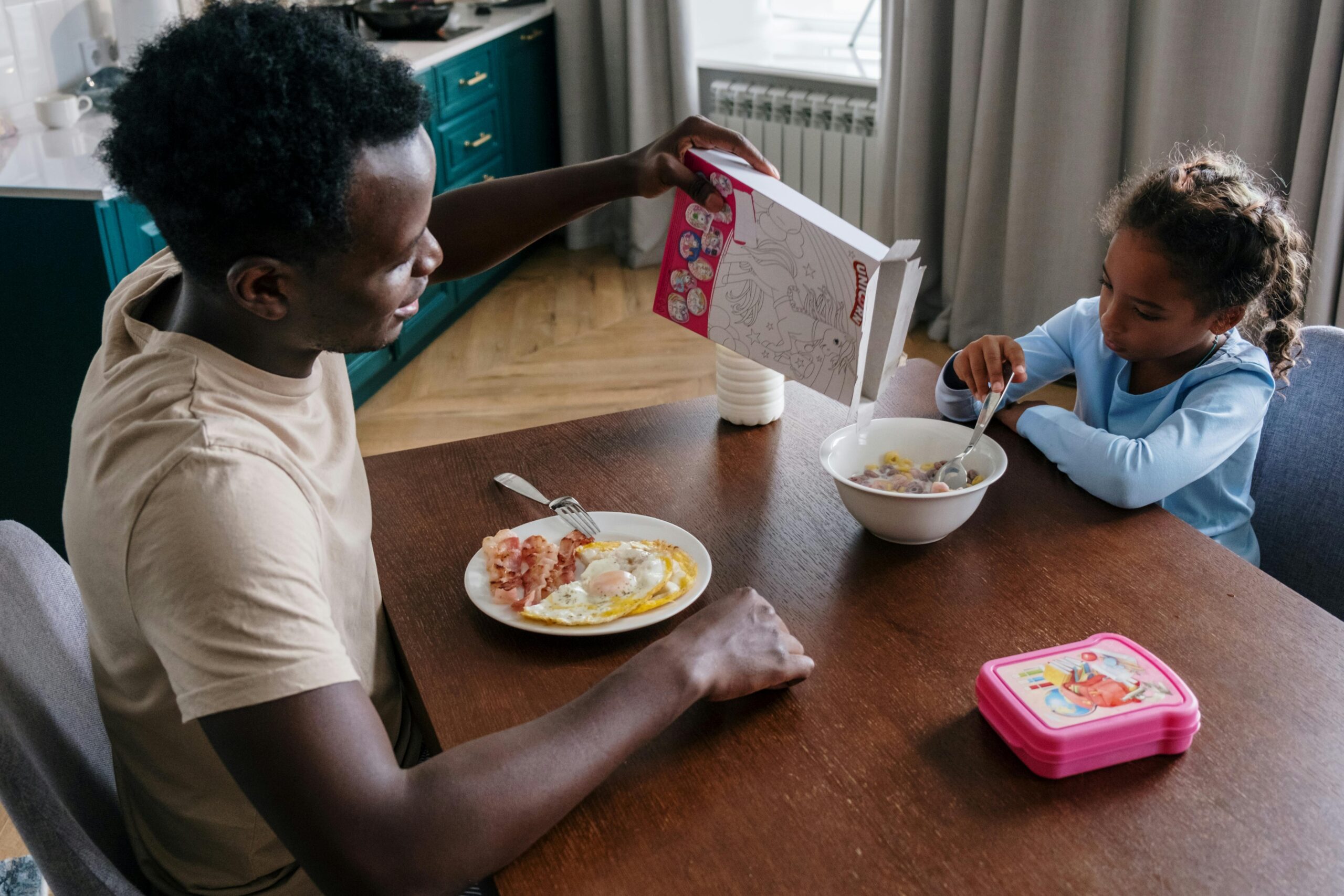
School Morning Routine for Anxious Children (Calm Start)
School mornings can feel like a knot in the stomach. He might wake early with a tummy ache or snap over socks that do not feel right, then refuse breakfast…

Separation Anxiety in Relationships and Adult Life: Signs, Causes and What Helps
Separation anxiety in relationships is real for adults. Learn how adult separation anxiety shows up, how it differs from the childhood form, and what helps.