
Generalised Anxiety Disorder (GAD): The Complete Guide
Last updated:
What Is Generalised Anxiety Disorder?
Generalised anxiety disorder, commonly known as GAD (also spelled generalized anxiety disorder in some countries), is a mental health condition characterised by persistent, excessive worry that feels difficult or impossible to control. Unlike the normal anxiety we all experience from time to time, GAD involves a near-constant state of apprehension that can last for months or even years if left untreated.
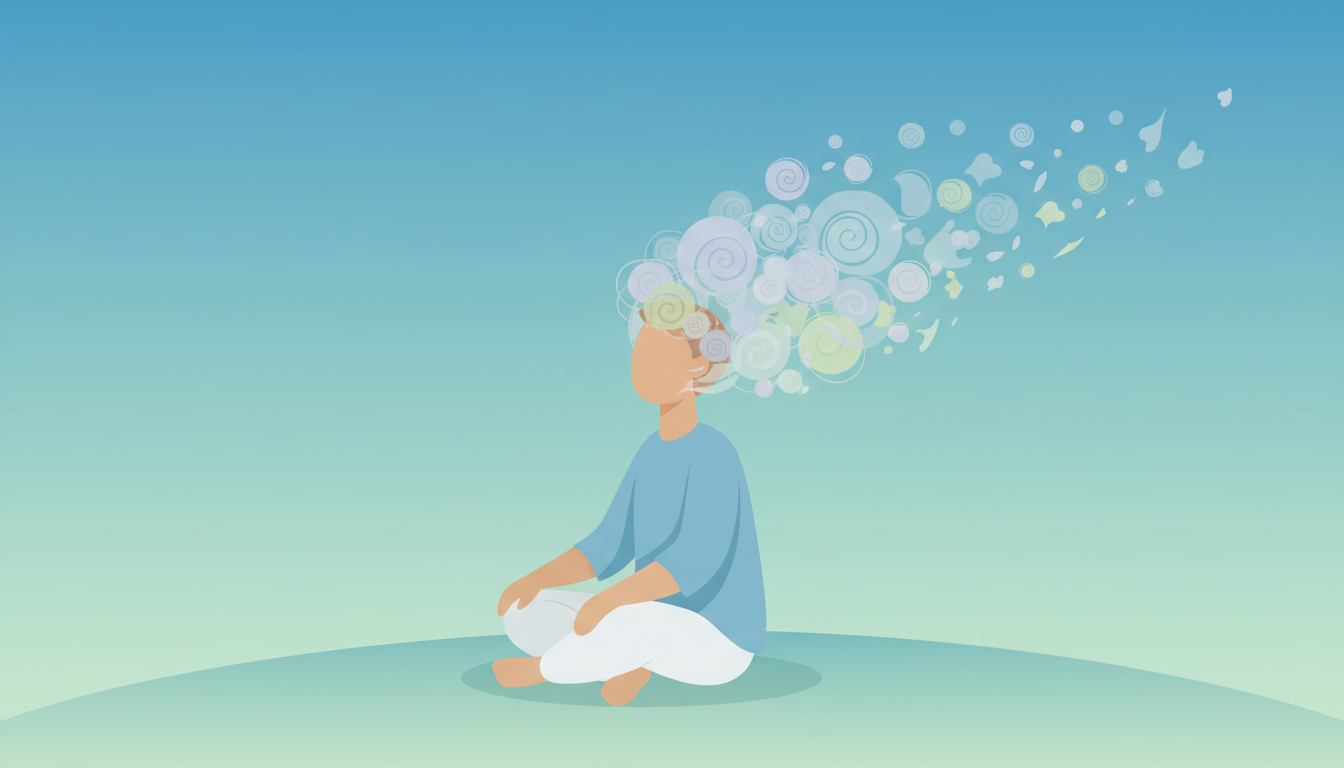
What makes GAD distinct from other anxiety disorders is that the worry is not focused on one particular thing. Someone with panic disorder may fear having panic attacks; someone with social anxiety may dread social situations. But a person living with GAD tends to worry about many different things throughout the day, often jumping from one concern to the next. Money, health, work, family, relationships, world events — the topics shift, but the underlying sense of dread remains.
The NHS recognises GAD as one of the most common anxiety disorders in the United Kingdom. It can develop at any age, although it often begins in early adulthood. Women are roughly twice as likely as men to be diagnosed, though this may partly reflect differences in help-seeking behaviour rather than true prevalence.
Is It Normal Worry or GAD?
This is one of the most frequently asked questions about generalised anxiety disorder, and it is an important one. Everyone worries. Worry is a normal, adaptive human response that helps us plan, prepare and protect ourselves. So how do you know when your worry has crossed the line from normal to something that deserves professional attention?
Normal Worry
- Is usually triggered by a specific, identifiable situation or event
- Feels proportionate to the actual risk or importance of the situation
- Is time-limited and tends to resolve once the situation passes
- Does not significantly interfere with your ability to work, socialise or carry out daily activities
- Can be set aside or distracted from relatively easily
- Does not typically cause significant physical symptoms
GAD-Level Worry
- Is present on more days than not, for at least six months
- Covers many different topics and often shifts from one worry to another
- Feels out of proportion to the actual likelihood or impact of the feared event
- Feels very difficult or impossible to control, even when you recognise it is excessive
- Significantly interferes with your ability to work, maintain relationships or enjoy life
- Is accompanied by physical symptoms such as muscle tension, fatigue, restlessness or sleep disturbance
- Persists even in the absence of a clear trigger
- Often involves “what if” thinking that spirals into worst-case scenarios
A helpful way to think about it: normal worry is like a smoke alarm that goes off when there is actual smoke. GAD is like a smoke alarm that goes off constantly, even when there is no fire, and you cannot find the off switch. If you recognise yourself in the second description, it is worth speaking to your GP or self-referring to NHS Talking Therapies.
Symptoms of Generalised Anxiety Disorder
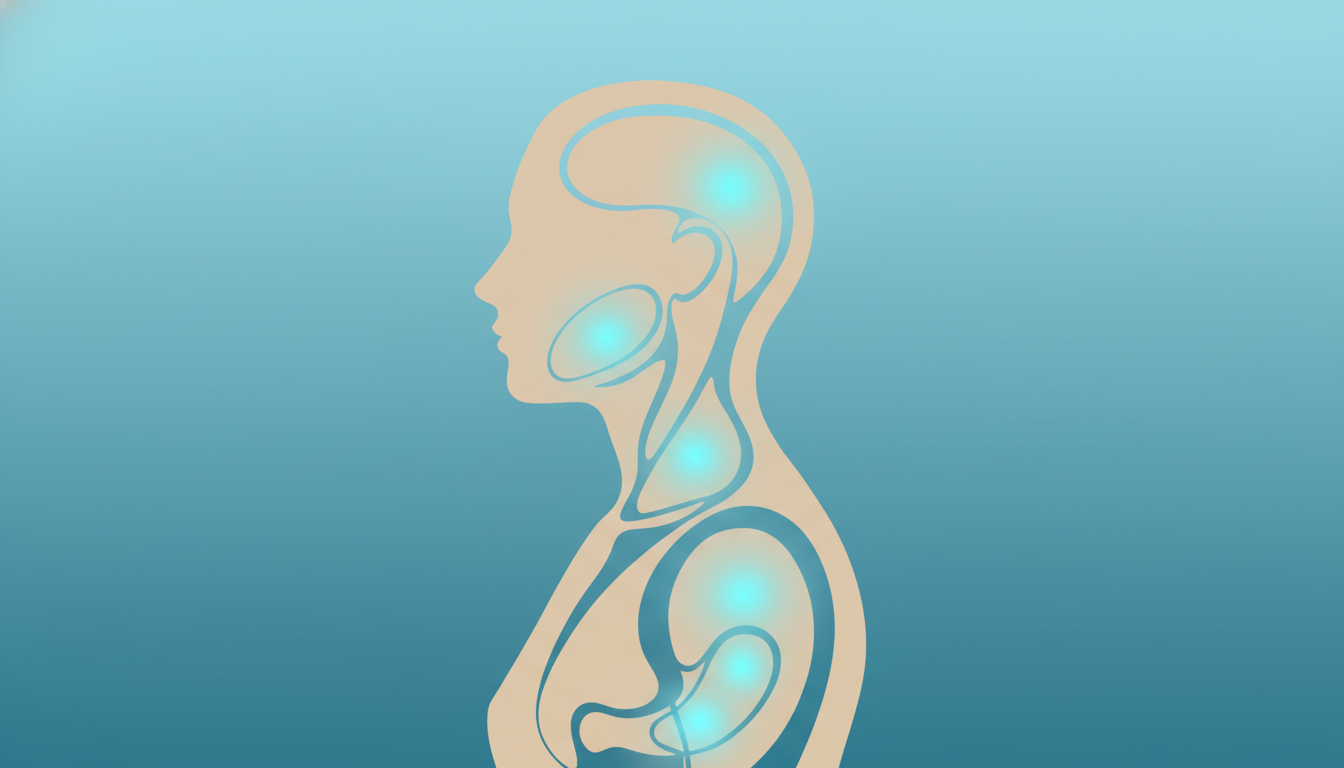
GAD affects both the mind and the body. Understanding the full range of symptoms can help you recognise when everyday worry has crossed the line into something that deserves professional attention.
Psychological Symptoms
The hallmark of GAD is chronic, excessive worry that feels out of proportion to the actual likelihood or impact of the feared event. You might find yourself:
- Feeling a persistent sense of dread or unease, even when there is no obvious reason to worry
- Finding it extremely difficult to stop worrying, even when you recognise the worry is excessive
- Feeling restless and unable to relax or settle
- Having difficulty concentrating because your mind keeps returning to anxious thoughts
- Feeling irritable, on edge or easily startled
- Experiencing a sense of detachment or feeling that things are not quite real (derealisation)
- Difficulty making decisions because of fear of making the wrong choice
- A pervasive sense that something bad is about to happen, even without evidence
Physical Symptoms
Many people with GAD are surprised to learn just how many physical symptoms anxiety can cause. These are not imagined — they are genuine physiological responses driven by the body’s stress system. Common physical symptoms include:
- Muscle tension, particularly in the shoulders, neck and jaw
- Headaches and migraines
- Fatigue and exhaustion, even after a full night’s sleep
- Difficulty falling asleep or staying asleep (insomnia)
- Stomach problems such as nausea, diarrhoea or irritable bowel symptoms
- Heart palpitations or a noticeably rapid heartbeat
- Dizziness or light-headedness
- Sweating, trembling or shaking
- Dry mouth and difficulty swallowing
- Frequent need to urinate
- Tingling or numbness in the hands or feet
According to NICE guidelines (CG113), a diagnosis of GAD is typically considered when excessive worry and anxiety have been present on more days than not for at least six months and are accompanied by several of the symptoms listed above.
What Causes GAD?
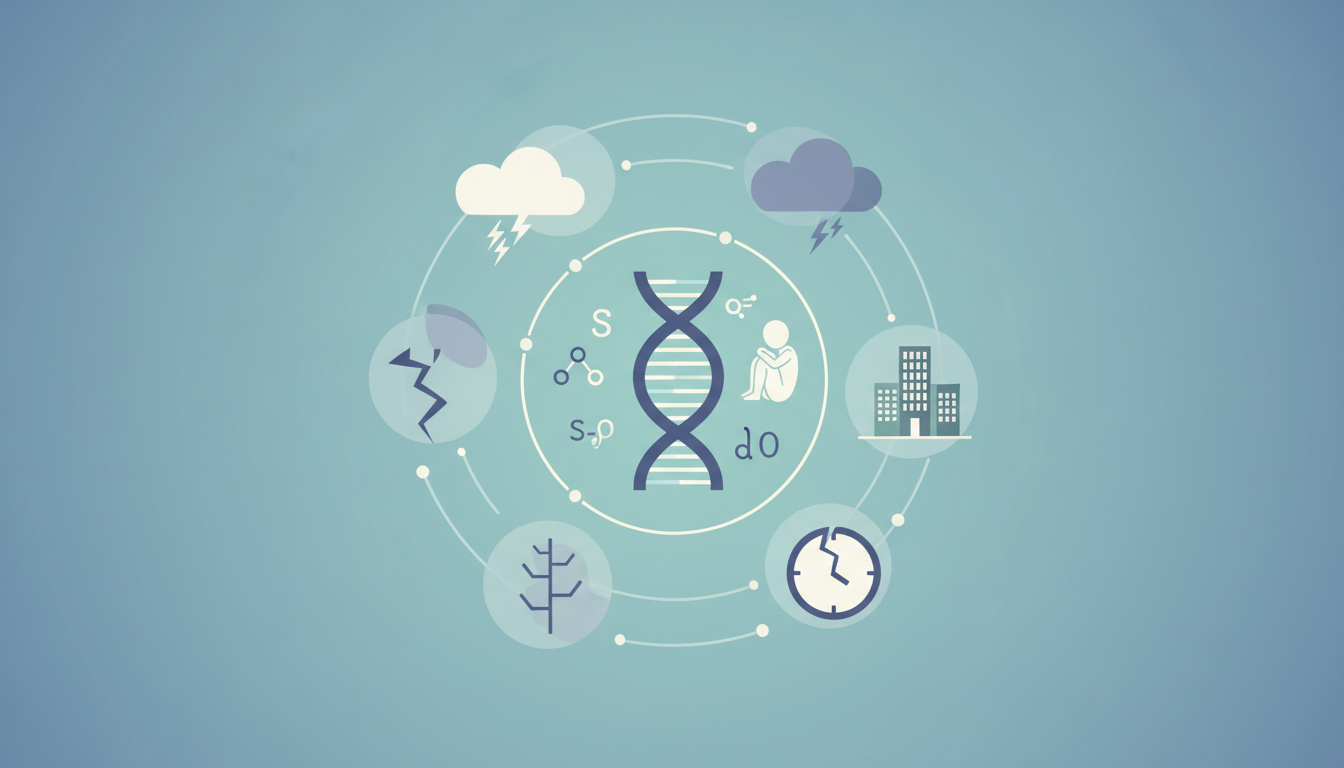
There is no single cause of generalised anxiety disorder. Like most mental health conditions, it usually develops through a combination of biological, psychological and environmental factors.
Biological Factors
Research suggests that GAD has a genetic component. If a close family member has an anxiety disorder, you may be more likely to develop one yourself. Twin studies suggest that genetic factors account for approximately 30% of the risk of developing GAD.
Neuroimaging studies have shown that people with GAD tend to have differences in the way certain brain regions, particularly the amygdala and prefrontal cortex, process threat-related information. The amygdala, which acts as the brain’s alarm system, appears to be more reactive in people with GAD, while the prefrontal cortex, which helps regulate emotional responses, may be less effective at calming the alarm.
Imbalances in neurotransmitters such as serotonin, noradrenaline and gamma-aminobutyric acid (GABA) are also thought to play a role, which is partly why certain medications can be effective in managing symptoms.
Psychological Factors
Certain thinking patterns can make someone more vulnerable to GAD. These include:
- Intolerance of uncertainty: A strong need to know for certain that things will be okay, and significant distress when certainty is not available
- Positive beliefs about worry: The belief that worrying is somehow helpful, protective, or responsible — for example, “If I worry about it, I can prevent bad things from happening”
- Perfectionism: Setting unrealistically high standards for yourself and experiencing intense anxiety about falling short
- Cognitive avoidance: Using worry as a way to avoid engaging with more distressing emotions or images
Cognitive behavioural models of GAD, such as those developed by Adrian Wells and by Michel Dugas, suggest that these meta-cognitive beliefs about worry play a central role in maintaining the condition.
Life Experiences
Adverse childhood experiences, including abuse, neglect, bullying or growing up in an unstable environment, can increase vulnerability to anxiety disorders in later life. Stressful life events such as bereavement, job loss, relationship breakdown or financial difficulty can also trigger or worsen GAD. Sometimes, GAD develops gradually without a clear trigger, which can make it harder to recognise and can lead to years of suffering before help is sought.
How GAD Is Diagnosed
If you suspect you may have GAD, the first step is usually to visit your GP. There is no blood test or scan that can diagnose GAD; instead, your GP will talk with you about your symptoms, how long you have been experiencing them and how they affect your daily life.
The GAD-7 Questionnaire
Your GP may use the GAD-7 (Generalised Anxiety Disorder Assessment), a standardised questionnaire that asks how often over the past two weeks you have been bothered by seven core symptoms of anxiety. Scores range from 0 to 21, with 5-9 indicating mild anxiety, 10-14 moderate anxiety, and 15-21 severe anxiety. While the GAD-7 is not a diagnostic tool on its own, it provides a useful measure of symptom severity and can be used to track progress over time.
Diagnostic Criteria
To meet the diagnostic criteria for GAD, your anxiety and worry must:
- Have been present on more days than not for at least six months
- Be about a range of different events or activities (not just one specific concern)
- Be difficult to control
- Be accompanied by at least three associated symptoms (restlessness, fatigue, difficulty concentrating, irritability, muscle tension or sleep disturbance)
- Cause clinically significant distress or impairment in social, occupational or other important areas of functioning
- Not be better explained by another mental health condition or by a substance or medical condition
Your GP may also carry out a physical examination or blood tests to rule out other conditions that can mimic anxiety, such as thyroid problems, vitamin deficiencies or cardiac conditions.
Conditions That Commonly Occur with GAD
GAD rarely occurs in isolation. Research consistently shows that the majority of people with GAD also meet the criteria for at least one other mental health condition. Understanding these common co-occurrences is important because they can affect treatment decisions and overall outcomes.
Depression
Depression is the most common co-occurring condition with GAD. Studies suggest that up to two-thirds of people with GAD will experience major depression at some point. The two conditions share overlapping symptoms, including fatigue, difficulty concentrating and sleep disturbance, which can make it harder to distinguish between them. When both conditions are present, treatment may need to address both simultaneously.
Panic Disorder
While GAD involves persistent, generalised worry, panic disorder involves sudden, intense episodes of fear (panic attacks). Many people with GAD also experience panic attacks, particularly during periods of heightened stress. The experience of a panic attack can itself become a source of worry, adding another layer to the anxiety.
Social Anxiety Disorder
Social anxiety disorder, characterised by intense fear of social situations and scrutiny by others, commonly occurs alongside GAD. While GAD involves worry about many different topics, social anxiety focuses specifically on social evaluation and rejection.
Obsessive-Compulsive Disorder (OCD)
Although OCD is now classified separately from anxiety disorders, it frequently co-occurs with GAD. Both conditions involve intrusive, unwanted thoughts and difficulty tolerating uncertainty, though the nature of the thoughts and the responses to them differ.
Post-Traumatic Stress Disorder (PTSD)
People who have experienced traumatic events may develop both PTSD and GAD. The hypervigilance and heightened threat sensitivity characteristic of PTSD can overlap with and exacerbate GAD symptoms.
Substance Misuse
Some people with GAD turn to alcohol, cannabis or other substances to manage their anxiety. While these may provide temporary relief, they typically worsen anxiety in the long term and can lead to dependence. Research published by the charity Alcohol Change UK suggests that people with anxiety disorders are approximately twice as likely to develop alcohol problems as the general population.
Complications of Untreated GAD
When GAD is left untreated, the chronic stress it places on the body and mind can lead to a range of complications. Understanding these potential consequences is not intended to cause alarm but to emphasise the importance of seeking help.
Physical Health Complications
- Irritable bowel syndrome (IBS): The gut-brain connection means that chronic anxiety frequently manifests as gastrointestinal symptoms. Research suggests that up to 60% of people with IBS also have an anxiety disorder.
- Chronic headaches and migraines: Persistent muscle tension, particularly in the head, neck and shoulders, can lead to tension-type headaches and may trigger migraines in susceptible individuals.
- Chronic pain: The sustained muscle tension associated with GAD can contribute to chronic pain conditions, including back pain, jaw pain (temporomandibular disorder) and fibromyalgia.
- Insomnia: The racing thoughts and hyperarousal of GAD frequently disrupt sleep, and chronic insomnia can develop as a secondary condition that persists even when other anxiety symptoms improve.
- Cardiovascular problems: Chronic stress and anxiety are associated with elevated blood pressure and increased risk of heart disease. A meta-analysis published in the Journal of the American College of Cardiology found that anxiety was associated with a 26% increased risk of coronary heart disease.
- Weakened immune function: Chronic stress hormones suppress immune function, making people with untreated GAD more susceptible to infections and slower to recover from illness.
Mental Health Complications
- Depression: Untreated GAD significantly increases the risk of developing depression.
- Substance misuse: Self-medication with alcohol or drugs is a common but ultimately counterproductive coping mechanism.
- Reduced quality of life: The constant burden of worry can lead to social withdrawal, impaired work performance, and a diminished capacity to enjoy life.
- Suicidal thoughts: In severe cases, particularly when GAD occurs alongside depression, the condition can contribute to suicidal ideation. If you are experiencing thoughts of self-harm or suicide, please contact the Samaritans immediately on 116 123.
Treatment Options for GAD
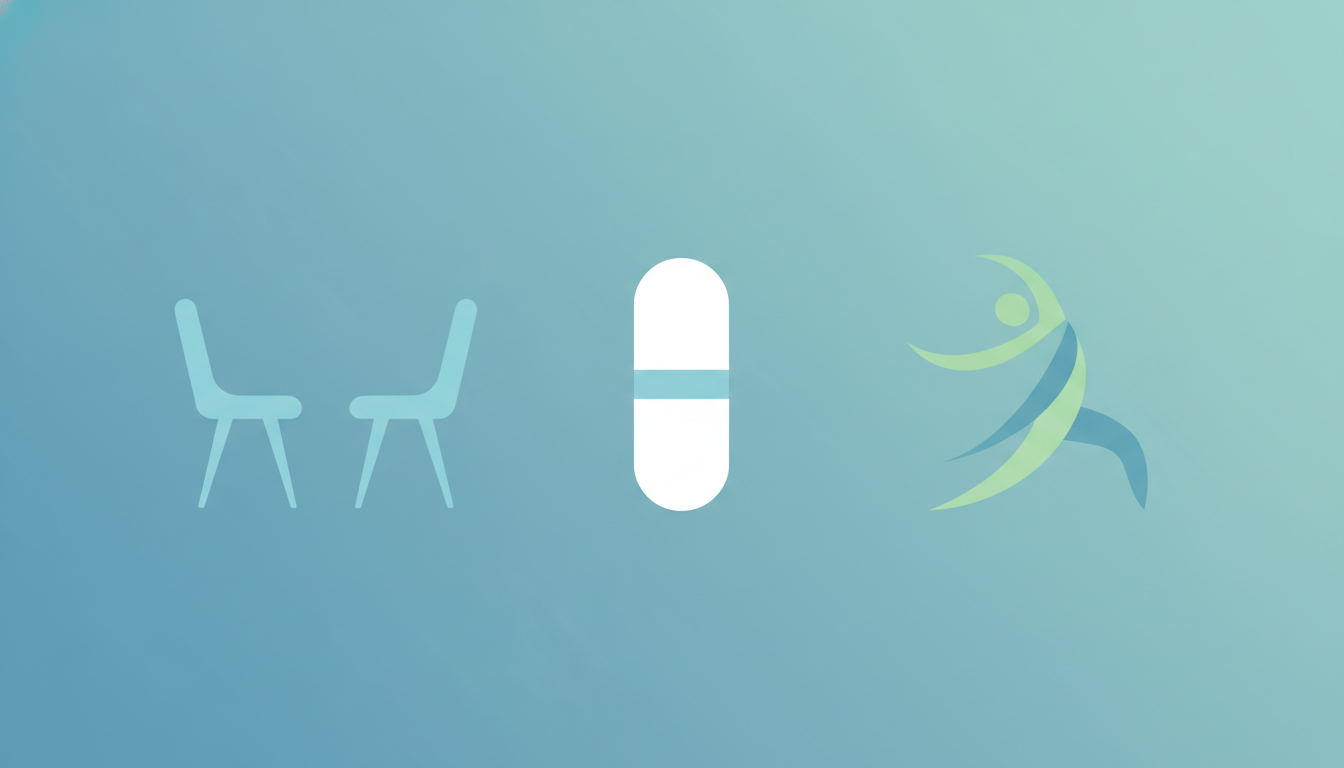
The good news is that effective treatments for GAD are well-established and widely available through the NHS. NICE recommends a stepped-care approach, starting with the least intensive interventions and moving to more specialised treatments if needed.
Step 1: Self-Help and Psychoeducation
For mild to moderate GAD, guided self-help is often the first treatment offered. This typically involves working through a structured programme based on cognitive behavioural therapy (CBT) principles, either with a book, online course or app, supported by brief regular check-ins with a trained practitioner. NHS Talking Therapies (formerly IAPT) services across England offer free guided self-help programmes that you can self-refer to without needing a GP referral.
Step 2: Cognitive Behavioural Therapy (CBT)
CBT is the gold-standard psychological treatment for GAD, recommended as a first-line intervention by NICE. It works by helping you identify and challenge the unhelpful thinking patterns and behaviours that keep anxiety going. A typical course of CBT for GAD involves 12 to 16 sessions and may include:
- Learning to identify and evaluate anxious thoughts
- Developing tolerance for uncertainty
- Reducing worry through scheduled “worry time” and thought challenging
- Relaxation techniques and mindfulness-based approaches
- Behavioural experiments to test anxious predictions
- Gradually facing situations you have been avoiding
CBT is available through NHS Talking Therapies services and can be delivered face-to-face, by telephone or via video call.
Acceptance and Commitment Therapy (ACT)
Acceptance and commitment therapy is a newer form of therapy that has gained a growing evidence base for the treatment of GAD. Unlike CBT, which focuses primarily on changing the content of anxious thoughts, ACT takes a different approach. It focuses on changing your relationship with your thoughts rather than the thoughts themselves.
The core principles of ACT for GAD include:
- Acceptance: Rather than fighting or trying to eliminate anxiety, ACT encourages you to acknowledge and accept anxious thoughts and feelings as normal human experiences. This does not mean resignation; it means stopping the struggle against anxiety that often makes it worse.
- Cognitive defusion: Learning to see thoughts as just thoughts, not facts or commands. Techniques such as observing a thought without engaging with it, or repeating a worry aloud until it loses its power, can help create distance between you and your anxious thinking.
- Present-moment awareness: Much of GAD involves worry about the future. ACT uses mindfulness techniques to help you return your attention to the present moment, where threats are usually far fewer than anxiety would have you believe.
- Values clarification: Identifying what truly matters to you in life, such as family, creativity, health or community, and using these values as a compass for your actions.
- Committed action: Taking meaningful steps towards your values, even in the presence of anxiety, rather than waiting for anxiety to disappear before living your life.
Research published in the Journal of Anxiety Disorders has shown ACT to be effective for GAD, and it may be particularly helpful for people who have not responded fully to traditional CBT. ACT is increasingly available through NHS Talking Therapies and private therapists.
Step 3: Medication
If psychological therapy alone is not sufficient, or if your symptoms are severe, your GP may discuss medication options.
SSRIs (Selective Serotonin Reuptake Inhibitors): The first-line medication for GAD, as recommended by NICE, is an SSRI such as sertraline. SSRIs work by increasing the availability of serotonin in the brain and typically take four to six weeks to reach their full effect. Some people experience a temporary increase in anxiety when they first start taking them, so your GP should monitor you regularly during the early weeks of treatment.
SNRIs (Serotonin-Noradrenaline Reuptake Inhibitors): If SSRIs are not suitable or effective, an SNRI such as duloxetine or venlafaxine may be considered. These work on both serotonin and noradrenaline pathways.
Buspirone: Buspirone is an anti-anxiety medication that works differently from SSRIs and SNRIs. It acts on serotonin receptors and is sometimes used as an alternative or addition to other medications for GAD. It tends to have fewer side effects than some other options, does not cause dependence, and does not cause the sedation associated with benzodiazepines. However, like SSRIs, it takes several weeks to reach its full effect.
Pregabalin: In some cases, pregabalin may be prescribed for GAD. It works by reducing the release of certain neurotransmitters involved in anxiety. NICE includes it as a treatment option, though it is typically considered after SSRIs and SNRIs.
Benzodiazepines: Benzodiazepines (such as diazepam) are generally not recommended for GAD except as a very short-term measure during a crisis, due to the risk of dependence and tolerance. They should not be used for more than two to four weeks.
Applied Relaxation
Applied relaxation, a technique that involves learning to relax your muscles rapidly in situations that normally cause anxiety, is recommended by NICE as an alternative to CBT. It typically involves 12 to 15 sessions and teaches you to recognise the early physical signs of anxiety and respond with learned relaxation techniques.
GAD in Children and Teenagers
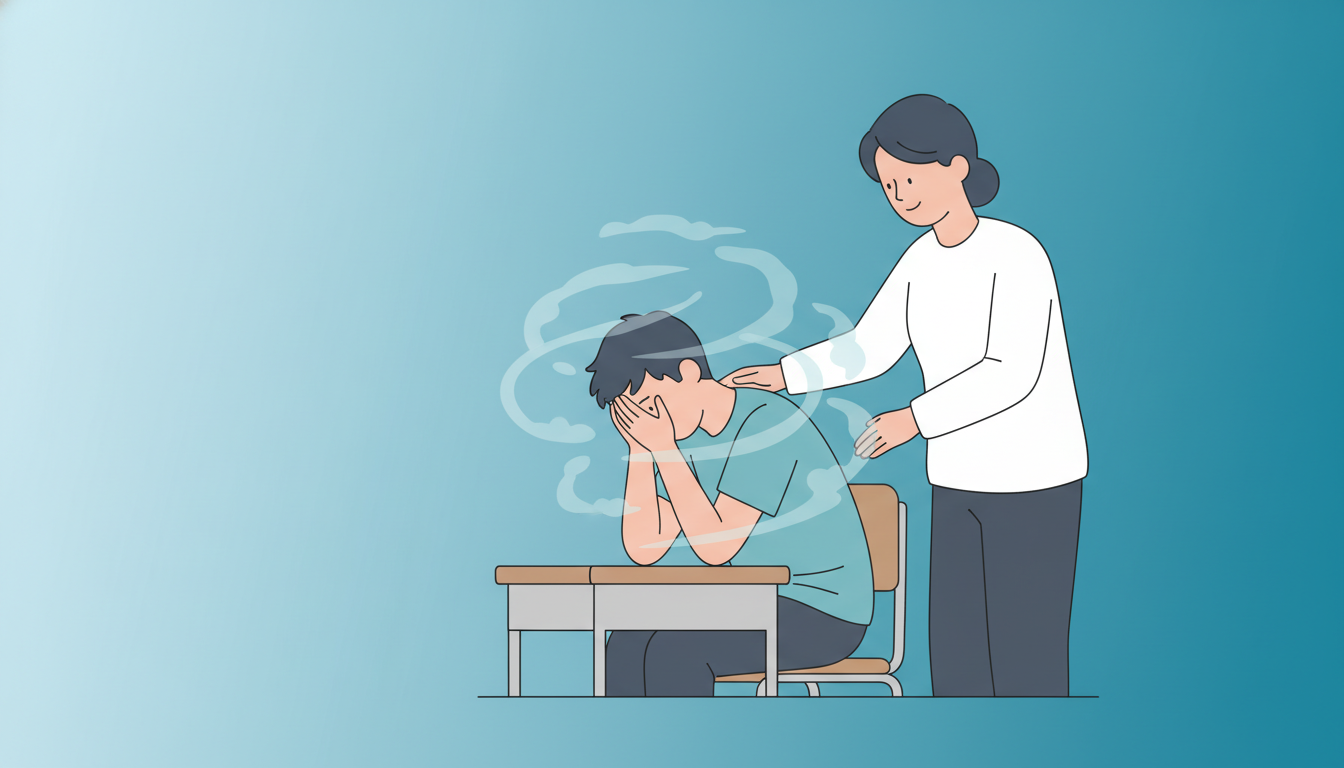
While GAD is commonly associated with adults, it can and does affect children and young people. In fact, GAD is one of the most common anxiety disorders in childhood and adolescence, with an estimated prevalence of 3 to 5% among young people in the UK.
How GAD Presents in Young People
GAD in children and teenagers often looks somewhat different from GAD in adults. Common features include:
- Excessive worry about school performance: Extreme anxiety about tests, homework, grades and teacher approval, often accompanied by perfectionism and fear of making mistakes
- Reassurance-seeking: Repeatedly asking parents, teachers or friends whether things will be okay, whether they have done something wrong, or whether people are angry with them
- Physical complaints: Frequent stomach aches, headaches and nausea that may be attributed to physical illness but are driven by anxiety. These are particularly common on school mornings
- Sleep difficulties: Difficulty falling asleep due to worry, nightmares, or reluctance to sleep alone
- Worry about safety: Excessive concern about the safety of parents, siblings or friends, fear of burglary, natural disasters or other catastrophic events
- Difficulty with transitions: Significant anxiety about changes in routine, starting a new school year, going on school trips, or attending social events
- Avoidance: Reluctance to attend school, participate in activities or spend time away from parents
Supporting a Young Person with GAD
If you suspect your child may have GAD, speak to your GP, who can refer to Child and Adolescent Mental Health Services (CAMHS) if appropriate. CBT adapted for young people is the recommended first-line treatment. Parents and carers play a crucial role in supporting a child with GAD by:
- Validating their feelings without reinforcing the anxiety (“I can see you’re worried, and that must feel really hard”)
- Gently encouraging them to face feared situations rather than avoiding them
- Modelling calm, non-anxious responses to everyday challenges
- Maintaining consistent routines that provide a sense of predictability and security
- Avoiding excessive reassurance, which can inadvertently reinforce the anxiety cycle
- Encouraging open conversation about feelings and normalising the experience of anxiety
Young Minds, a UK charity focused on children and young people’s mental health, offers a parents’ helpline on 0808 802 5544 and extensive online resources.
Supporting a Loved One with GAD
Living with or caring for someone with GAD can be challenging, and your role matters more than you might realise. Here are practical ways to offer effective support.
Educate Yourself
Understanding GAD as a genuine mental health condition, not a character weakness or a choice, is the foundation of effective support. Learn about the condition, its symptoms and its treatment. This knowledge will help you respond with empathy rather than frustration when your loved one is struggling.
Listen Without Fixing
When someone with GAD shares their worries with you, the instinct to offer solutions or reassurance is natural. However, what often helps most is simply being heard. Try to listen without immediately jumping to problem-solving. Saying “That sounds really difficult” can be more helpful than “You shouldn’t worry about that.”
Avoid Enabling Avoidance
It is tempting to help your loved one avoid anxiety-provoking situations, whether that means making phone calls for them, allowing them to skip social events, or taking on their responsibilities when anxiety is high. While this comes from a place of care, it can reinforce the anxiety in the long run by confirming the message that the avoided situation is genuinely dangerous. Gently encourage facing fears at a manageable pace.
Be Patient with Reassurance-Seeking
People with GAD often seek reassurance repeatedly about the same concerns. While it is kind to offer reassurance, unlimited reassurance can become part of the anxiety cycle. You might agree together on a compassionate approach, such as acknowledging the anxiety without endlessly debating the content of the worry: “I can see your anxiety is really active right now. I love you, and we’ve talked about this. What can we do to help you feel more settled?”
Encourage Professional Help
If your loved one has not sought professional support, gently encourage them to do so. Offer to help with practical steps, such as finding their local NHS Talking Therapies service or accompanying them to a GP appointment. Frame this as an act of care: “I want you to get the support you deserve.”
Look After Your Own Wellbeing
Supporting someone with GAD can be emotionally taxing. Make sure you are looking after your own mental health. Maintain your own social connections, pursue activities that bring you joy, and consider seeking your own support if needed. Carers UK (helpline: 0808 808 7777) offers support specifically for people caring for someone with a health condition.
Self-Help Strategies for Managing GAD
Alongside professional treatment, there are several evidence-informed strategies you can use to help manage your symptoms day to day:
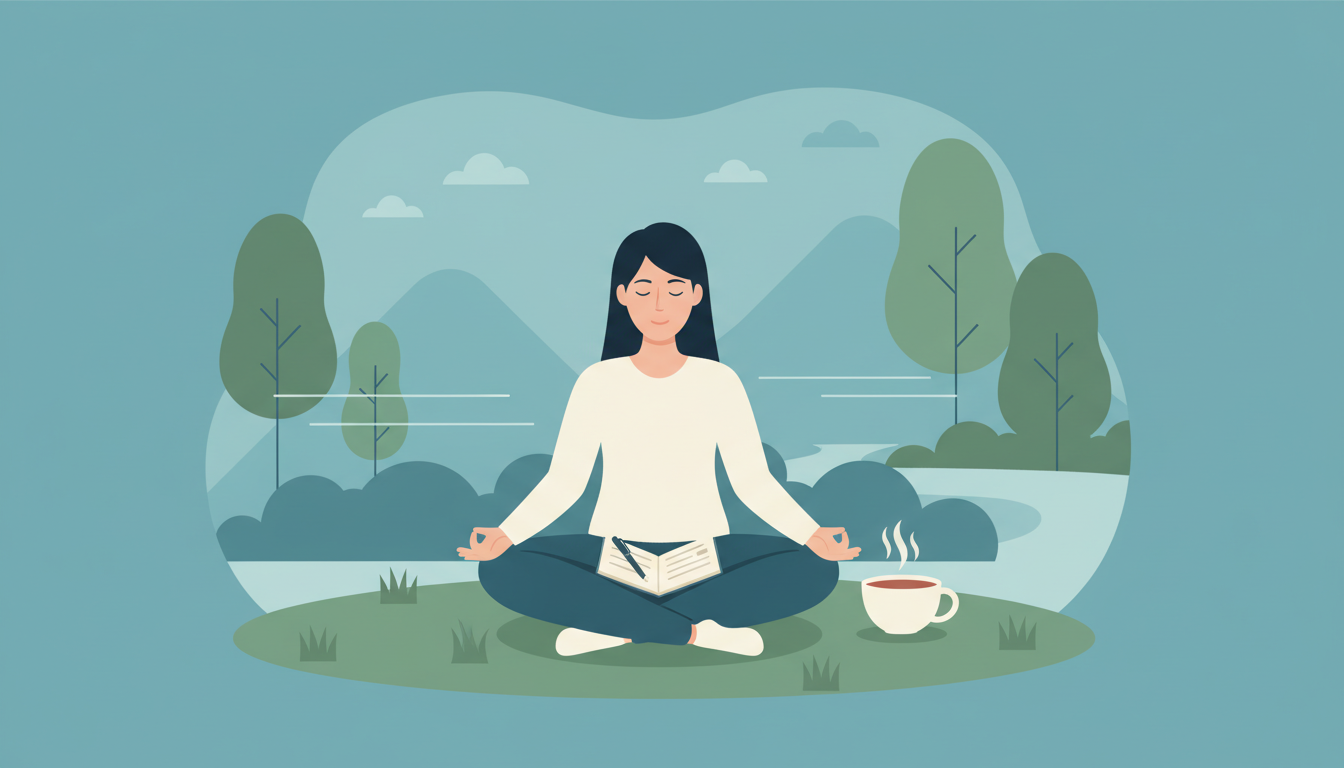
- Regular physical exercise: Research consistently shows that regular aerobic exercise can significantly reduce anxiety symptoms. The NHS recommends at least 150 minutes of moderate-intensity activity per week. Even a 30-minute walk can help reduce anxiety in the short term.
- Limit caffeine and alcohol: Both can worsen anxiety symptoms. Caffeine is a stimulant that can mimic and amplify anxiety, while alcohol, despite its initial calming effect, disrupts brain chemistry and can increase anxiety the following day. Try reducing your intake gradually and notice whether it makes a difference.
- Establish a sleep routine: Go to bed and wake up at consistent times, avoid screens before bed and create a calming pre-sleep routine. Poor sleep and anxiety are closely linked, and improving one often helps the other.
- Practise relaxation techniques: Deep breathing exercises, progressive muscle relaxation and mindfulness meditation can all help activate your body’s parasympathetic nervous system, the “rest and digest” response that counteracts anxiety.
- Stay connected: Isolation tends to make anxiety worse. Try to maintain social connections, even when it feels difficult. Talking to someone you trust about your anxiety can reduce its power.
- Limit news and social media consumption: Constant exposure to alarming news can fuel the cycle of worry. Consider setting specific times for checking the news rather than scrolling throughout the day.
- Structured worry time: Rather than trying to stop worrying entirely (which rarely works), schedule a specific 15 to 20-minute period each day to focus on your worries. Write them down and consider what, if anything, you can do about each one. Outside of this time, postpone worrying by telling yourself “I’ll deal with this during my worry time.”
Living with GAD: What to Expect
GAD is often a chronic condition, which means that symptoms may come and go over time. However, this does not mean you are destined to struggle indefinitely. Many people with GAD achieve significant improvement with treatment and learn to manage their symptoms effectively. Some people recover fully; others find that while anxiety remains part of their experience, it no longer dominates their lives.
It can be helpful to think of managing GAD as an ongoing process rather than a one-off fix. The skills you learn through CBT, ACT or other therapies are tools you can continue to use throughout your life. Some people find it helpful to have occasional “booster” sessions with a therapist during particularly stressful periods.
Recovery is rarely linear. You will likely have periods where symptoms improve significantly and periods where they flare up again, often in response to life stressors. This does not mean treatment has failed; it means you are human, and anxiety naturally fluctuates. The goal of treatment is not to eliminate anxiety entirely, which would be neither possible nor desirable, but to reduce it to a manageable level and equip you with the tools to cope when it intensifies.
When to Seek Help
You should consider seeking professional help if:
- Your worry feels constant and uncontrollable, lasting most days for several weeks or more
- Anxiety is interfering with your ability to work, study, maintain relationships or carry out everyday tasks
- You are experiencing physical symptoms such as persistent muscle tension, sleep problems or stomach issues that do not have another medical explanation
- You are using alcohol, drugs or other substances to cope with anxiety
- You have noticed your world shrinking as you avoid more and more situations
- You are having thoughts of self-harm or suicide
You do not need to wait until your symptoms are severe. Early intervention often leads to better outcomes, and there is no minimum level of suffering required to deserve support.
UK Resources
- Your GP: Book an appointment to discuss your symptoms and explore treatment options.
- NHS Talking Therapies: Free talking therapy for anxiety disorders. You can self-refer without seeing your GP first. Visit nhs.uk to find your local service.
- Mind: The mental health charity offers information, support and local services. Call the Mind Infoline on 0300 123 3393. Website: mind.org.uk.
- Anxiety UK: Support, information and therapy services for people living with anxiety. Helpline: 03444 775 774. Website: anxietyuk.org.uk.
- No Panic: Helpline for people experiencing anxiety and panic. Helpline: 0300 772 9844.
- Young Minds: Support for children, young people and their parents. Parents’ helpline: 0808 802 5544. Website: youngminds.org.uk.
- Samaritans: If you need to talk to someone urgently, call 116 123 (free, 24 hours a day). Website: samaritans.org.
- Crisis support: If you are in immediate danger, call 999 or go to your nearest A&E department.
Moving Forward
Living with generalised anxiety disorder is not easy, but it is far from hopeless. Effective treatments exist, support is available, and recovery, in whatever form it takes for you, is genuinely possible. GAD does not define you, and it does not have to control your life.
If you recognise yourself in this article, the most important step you can take is to reach out for help. Whether that means booking an appointment with your GP, self-referring to NHS Talking Therapies, or calling one of the helplines listed above, you are taking a step towards a life where anxiety is no longer in charge. You deserve to feel at peace, and with the right support, that peace is within reach.
Frequently Asked Questions
What is the difference between normal worry and GAD?
The key differences lie in persistence, intensity, controllability and impact. Normal worry tends to be tied to specific situations, feels proportionate, can be set aside, and does not significantly disrupt daily life. GAD involves worry that is present on more days than not for at least six months, covers many different topics, feels excessive and out of proportion, is very difficult to control, and significantly interferes with work, relationships and daily functioning. GAD is also accompanied by physical symptoms such as muscle tension, fatigue, restlessness and sleep disturbance. If your worry feels constant, uncontrollable and is affecting your ability to function, it is worth speaking to a healthcare professional.
Can GAD be cured?
The concept of “cure” is complex when it comes to GAD. Some people recover fully and no longer experience significant anxiety symptoms. Others achieve substantial improvement but may experience periods where symptoms return, particularly during times of stress. What is consistently demonstrated by research is that effective treatments, particularly CBT and medication, can significantly reduce GAD symptoms and improve quality of life. Many people who receive appropriate treatment reach a point where anxiety is no longer the dominant force in their lives. It may be more helpful to think of recovery as learning to manage anxiety effectively rather than eliminating it entirely.
What triggers generalised anxiety disorder?
GAD can be triggered by a variety of factors, and often it is a combination rather than a single cause. Common triggers include significant life changes (such as starting a new job, moving house, or becoming a parent), stressful events (such as bereavement, financial difficulties, or relationship breakdown), health concerns (either your own or those of someone close to you), and periods of prolonged stress. However, one of the defining features of GAD is that it often does not require a specific trigger. The worry can attach itself to almost any topic, and many people with GAD describe their anxiety as a background hum that is always present, even during objectively calm periods.
How long does GAD last?
Without treatment, GAD tends to be a chronic, fluctuating condition. Symptoms may wax and wane over months or years, often intensifying during stressful periods and easing during calmer times. Research suggests that without intervention, only about one-third of people with GAD will recover within two years. However, with appropriate treatment, the outlook is considerably more positive. A course of CBT can produce lasting improvements, and many people find that their symptoms reduce significantly within 12 to 16 sessions. Medication can also provide substantial relief, typically within four to six weeks of reaching an effective dose. Early treatment generally leads to better long-term outcomes.
What does GAD feel like?
People with GAD often describe it as a constant, low-level hum of anxiety that never fully switches off. It has been compared to having a radio playing worry in the background of your mind at all times. You might feel a persistent sense of unease or dread, as though something bad is about to happen even when there is no evidence to support this. The worry tends to jump from topic to topic: you might start the day worrying about work, move to worrying about your health by lunchtime, and spend the evening worrying about your children. Physically, you may feel tense, tired, restless and unable to relax. Many people describe difficulty concentrating, as though their mind is full and there is no room for anything else. The exhaustion of constant worry is often one of the most debilitating aspects.
Is GAD a disability in the UK?
GAD can be considered a disability under the Equality Act 2010 if it has a substantial and long-term adverse effect on your ability to carry out normal day-to-day activities. “Long-term” is defined as lasting, or likely to last, 12 months or more. “Substantial” means more than minor or trivial. If your GAD meets these criteria, you are entitled to reasonable adjustments in the workplace and protection from discrimination. You do not need a formal disability assessment; the legal definition is based on the impact of the condition on your daily life. Mind and Citizens Advice can provide guidance on your rights under the Equality Act.
Can you work with GAD?
Many people with GAD work successfully, though the condition can make work more challenging. Common workplace difficulties include difficulty concentrating, fatigue, perfectionism that slows productivity, and anxiety about meetings, deadlines or performance reviews. If GAD is affecting your work, you may be entitled to reasonable adjustments under the Equality Act 2010. These might include flexible working hours, regular breaks, a quieter workspace, or adjustments to deadlines during particularly difficult periods. Speaking to your employer or occupational health service about your needs can help. Access to Work, a government programme, can also provide support for people with mental health conditions in the workplace.
Related Articles
Anxiety Attack Symptoms: How to Recognise and Respond
Learn to recognise anxiety attack symptoms quickly. Understand what's happening in your body and how to respond with confidence.

Anxiety Attack vs Panic Attack: What’s the Difference?
Anxiety attack vs panic attack - what's the difference? Understand the key distinctions so you can respond effectively in the moment.

Chronic Anxiety: When Anxiety Won’t Go Away
When anxiety won't go away, it can feel overwhelming. Understand chronic anxiety and discover strategies to break the long-term cycle.