
Eye Strain Anxiety Symptoms: How Stress Affects Your Eyes and What Helps
By late afternoon your eyes ache, the text on the screen swims slightly, and there is a dull band of pressure behind your brow. You are stressed, you have been staring at a screen for hours, and now you are worried about your eyes too. Eye strain anxiety symptoms are a real and underrated pairing: anxiety and visual strain feed each other, and telling the two apart is half the battle.
This guide explains how anxiety affects your eyes, which symptoms belong to the stress side and which need an optometrist, and what actually relieves the strain. It is part of our wider guide to the physical effects of anxiety.
How anxiety affects your eyes
To be upfront: research directly linking anxiety to eye strain as a single package is limited. What is well established is each mechanism in the chain, and they add up.
- Adrenaline changes your pupils and focus. The fight-or-flight response dilates the pupils to let in more light, useful for spotting danger, less useful under office lighting. Dilated pupils make you more sensitive to light and glare, and the eye’s focusing system can feel briefly unreliable, which reads as fluctuating blur.
- Tension settles around the eyes. Anxiety tightens the muscles of the brow, eyelids, jaw and scalp, and holds the eye’s focusing muscles in sustained close-up work. That constant low-grade clench is a classic driver of the pressure-behind-the-eyes feeling and of tension-type headaches around the temples, which we cover in our guide to anxiety headaches.
- You blink less. Concentration and vigilance both suppress blinking, and blinking is what spreads the tear film that keeps the surface of the eye smooth and comfortable. Fewer blinks mean dry, gritty, stinging eyes and vision that blurs then clears when you blink.
- Hyperventilation blurs the edges. Breathing too fast, a hallmark of anxiety, can cause brief dimming or fuzziness of vision along with lightheadedness, closely related to the sensations in our guide to dizziness and anxiety.
Common eye strain anxiety symptoms
Most people with this pairing describe some mix of the following:
- Tired, aching or heavy eyes, especially later in the day
- Blurred vision that comes and goes, often clearing with a blink or a break
- Dry, gritty or stinging eyes
- Sensitivity to light and glare
- Eyelid twitching. This flickering, called myokymia, is harmless and strongly linked to stress, tiredness and caffeine according to the NHS page on twitching eyes and muscles
- Headaches around the temples, forehead or behind the eyes
- More awareness of floaters. Anxiety does not create floaters, but an alert, scanning mind notices the normal ones far more
None of these, on its own, indicates eye disease. Their signature is that they fluctuate with stress, screen time and tiredness.
The screen-stress cycle
Anxiety and screens form a loop that is worth naming. Stress drives more screen time: doomscrolling, compulsive checking, working late. Screens roughly halve your blink rate and hold your focus at a fixed close distance, which produces strain. The strain produces symptoms, the symptoms produce worry, and for some people the worry becomes its own problem: repeatedly testing their vision, researching eye diseases, booking and re-booking appointments. If that pattern sounds familiar, our guide to health anxiety is written for exactly this loop.
Late-night phone use adds a second cost: it erodes sleep, and short sleep worsens both anxiety and eye comfort the next day, part of the broader picture in our guide to anxiety and fatigue. Caffeine, meanwhile, feeds both jitteriness and eyelid twitching. The cycle has several entry points, which means it also has several exits.
Practical relief
- Use the 20-20-20 rule. Every 20 minutes, look at something about 20 feet away (around six metres) for at least 20 seconds. It relaxes the focusing muscles and restarts normal blinking.
- Blink on purpose. A few slow, full blinks every time you finish a paragraph or send a message re-wets the eye surface. It sounds trivial and works.
- Fix your setup. Screen at roughly arm’s length with the top at or just below eye level, text size increased so you are not leaning in, glare from windows and lamps reduced.
- Use artificial tears if your eyes feel dry. Preservative-free drops from a pharmacy are safe for regular use, and a pharmacist can help you choose. A warm compress on closed lids for a few minutes also helps gritty, tired eyes.
- Lower the overall tension. Slow breathing with a long out-breath, short walks between tasks, less late-day caffeine and a consistent bedtime all reduce the muscle tension and vigilance driving the strain. These are the same levers that calm the rest of your body’s stress response, as covered across our physical symptoms of anxiety guide.
- Book an eye test. The NHS recommends a sight test every two years for most adults, and an uncorrected or outdated prescription is one of the most common hidden causes of eye strain. An optometrist can also spot dry eye and other surface problems in minutes.
Is it anxiety or your eyes?
A simple sorting rule helps. If your symptoms fluctuate with stress, improve on relaxed days, affect both eyes and ease with breaks, the anxiety-strain loop is the likely driver. If symptoms persist through calm periods, get steadily worse, affect one eye only, or track a specific visual task regardless of your mood, think eyes first.
The pathway matters too. For visual symptoms, the optometrist is the right first stop, not the GP: eye tests are quick, inexpensive and definitive about prescription and surface problems. See your GP about the anxiety side: persistent worry, poor sleep, tension symptoms across your body. NICE recommends cognitive behavioural therapy (CBT) as a first-line treatment for anxiety disorders, and in England you can self-refer to NHS Talking Therapies without a GP referral. Doing both, one eye test plus honest attention to stress, resolves the majority of cases.
When to seek urgent help
A small number of eye symptoms need same-day assessment rather than self-care. Go to A&E or an urgent eye clinic, or call 999 if you cannot get there safely, for: sudden loss or marked dimming of vision, a shadow or curtain moving across your sight, a sudden shower of new floaters or flashes of light, severe eye pain with a red eye, or new double vision. These are signs of conditions that need immediate attention, and none of them is caused by anxiety.
For everything less dramatic: NHS 111 can advise if you are unsure how urgent something is, and if stress or worry is becoming hard to carry, Samaritans are free to call on 116 123 at any time.
The bottom line
Anxious bodies produce strained eyes: tension, dilated pupils, suppressed blinking and long screen hours are a reliable recipe for aching, blurry, twitchy vision. The symptoms are real, common and almost always benign, and they respond to boringly practical fixes: breaks, blinks, a decent screen setup, less caffeine, more sleep and an up-to-date prescription. Get an eye test to close the question, treat the anxiety that keeps the tension loaded, and reserve the urgency for the short list of red flags above.
Frequently Asked Questions
Can anxiety cause eye strain?
Yes, indirectly but reliably. Anxiety tenses the muscles of the face, brow and eyes, dilates the pupils through adrenaline, reduces how often you blink, and usually goes hand in hand with long stretches of screen use. Each of those mechanisms is well recognised, and together they produce tired, aching, blurry eyes.
Can anxiety cause blurred vision?
Short-lived blurring during anxious moments is common. Adrenaline dilates the pupils and changes focusing, hyperventilation can make vision briefly dim or fuzzy, and dry eyes from reduced blinking blur and then clear with a blink. Persistent or worsening blur is different: book an eye test, because uncorrected prescription problems are a far more common cause.
Why does my eyelid twitch when I am stressed?
Eyelid twitching, called myokymia, is a harmless flickering of the eyelid muscle that the NHS links to stress, tiredness and caffeine. It usually settles within days once you sleep better and cut back on caffeine. See a GP if a twitch lasts more than a few weeks or spreads to other parts of your face.
Can anxiety cause dry eyes?
It can contribute. When you are stressed or concentrating hard you blink less, and blinking is what spreads the tear film across the eye. Screens cut blink rate further, so anxious doomscrolling is a double hit. Deliberate blinking breaks and preservative-free artificial tears from a pharmacy usually ease it; persistent dryness is worth an optometrist visit.
When should I worry about eye symptoms?
Seek urgent help the same day, via A&E or an urgent eye clinic, for sudden vision loss, a shadow or curtain across your vision, a sudden shower of new floaters or flashes, severe eye pain with redness, or new double vision. For anything persistent but less dramatic, an optometrist appointment is the right first step and often quickly reassuring.
Related Articles
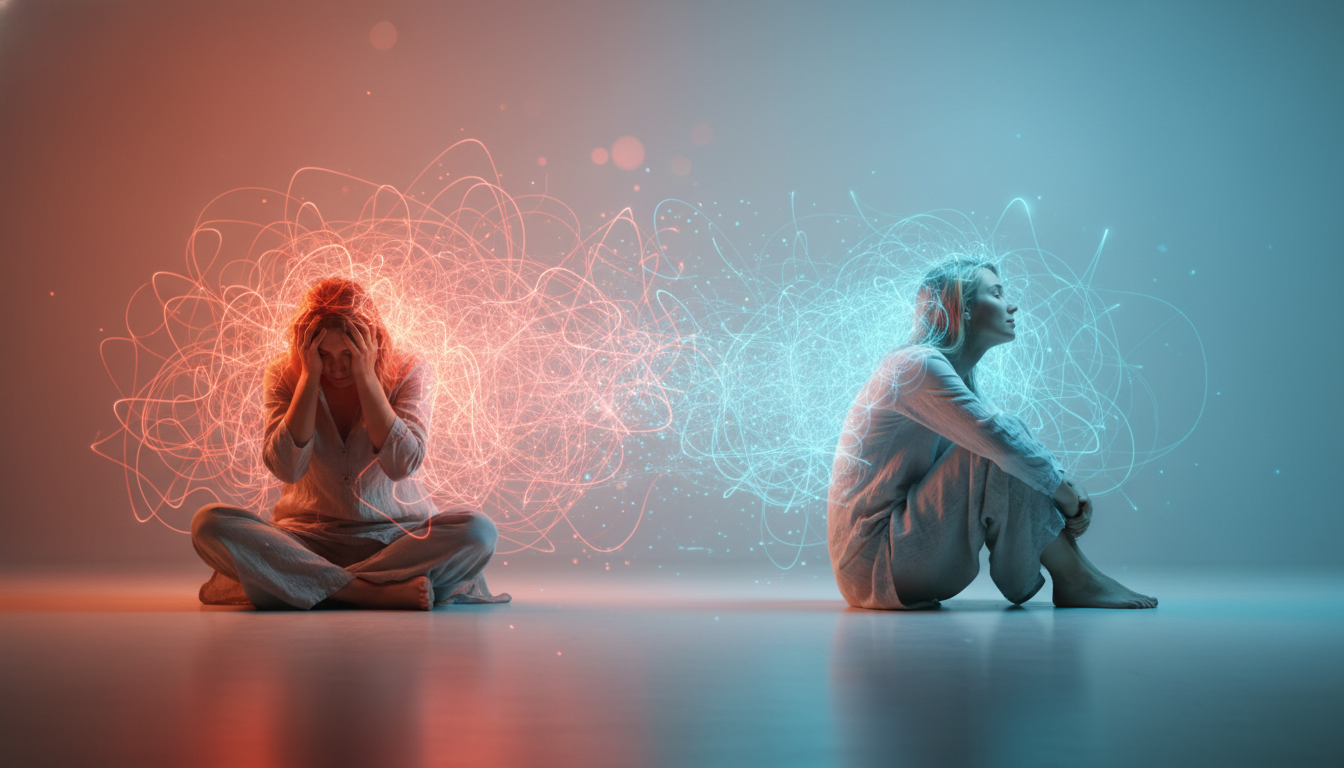
Anxiety Fatigue: Why Anxiety Makes You So Tired
Why does anxiety make you tired? Understand how the stress response drains your energy and the strategies that restore it, from better sleep to pacing and CBT.
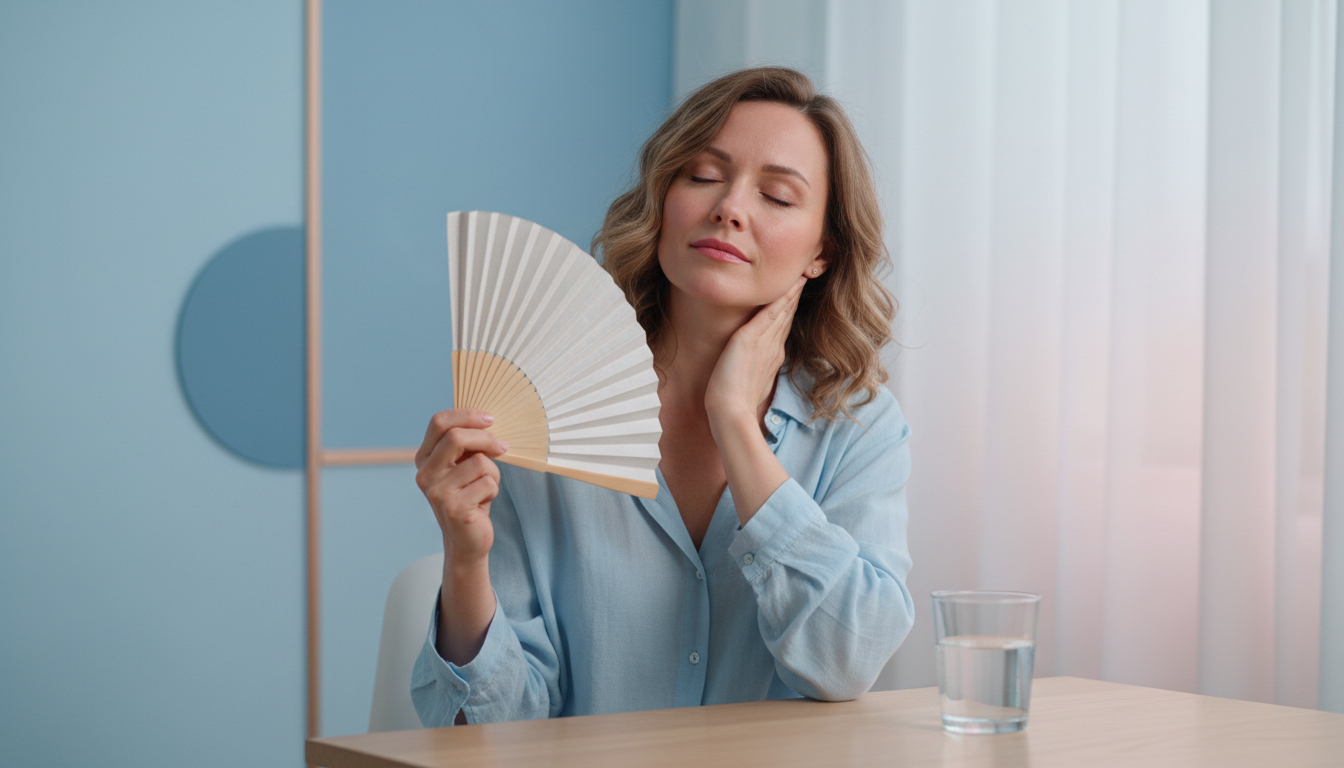
Tension Headache and Anxiety: Types, Triggers and Relief
Tension headache and anxiety often feed each other. Learn how anxiety triggers tension headaches and migraines, what keeps the cycle going, and how to find lasting relief.
Can Anxiety Make You Dizzy? Why It Happens and How to Feel Steadier
Yes, anxiety can make you dizzy. Learn why anxious breathing and muscle tension cause light-headedness and dizzy spells, how to stop dizziness from anxiety, and when to see a GP.