Physical Symptoms of Anxiety: How Anxiety Affects Your Body
Last updated:
Introduction: When Anxiety Lives in Your Body
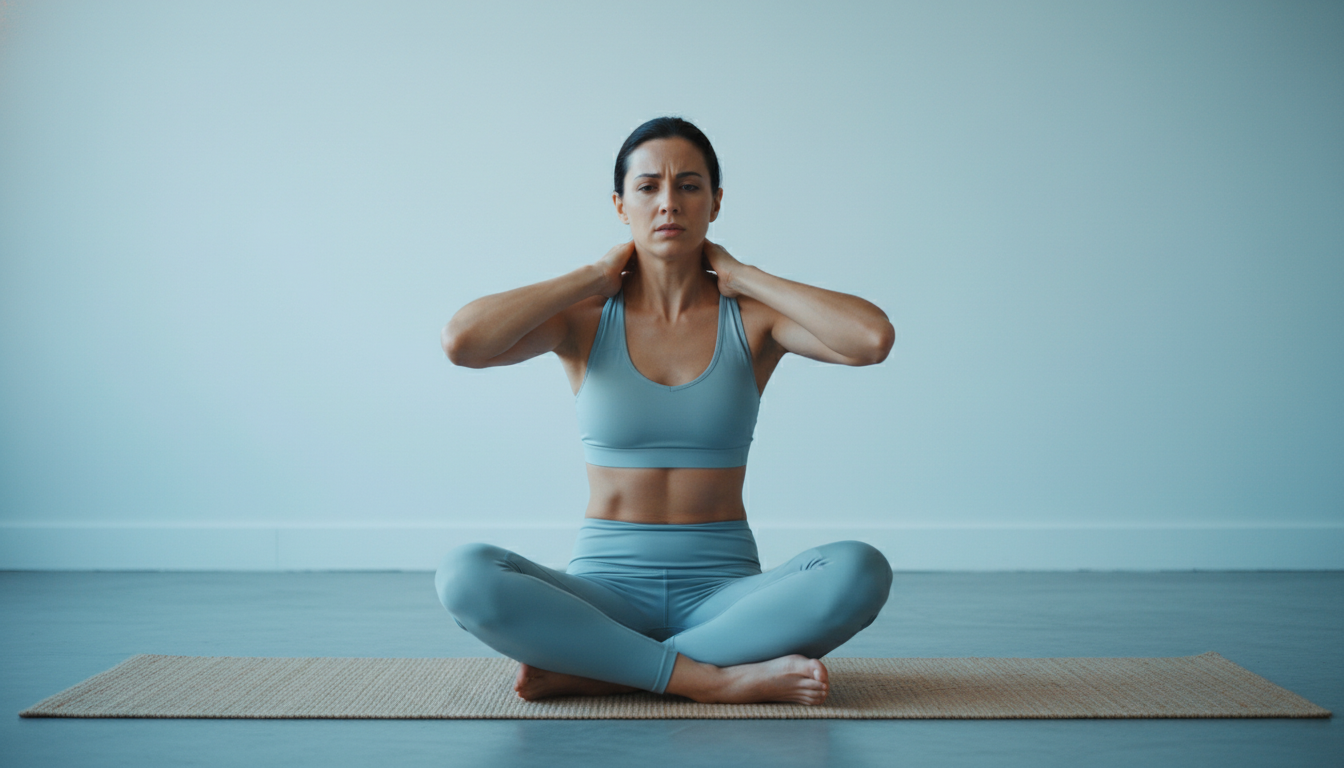
Many people think of anxiety as a purely mental experience, a feeling of worry or dread that exists only in the mind. But anyone who has lived with anxiety knows that it is profoundly physical. The pounding heart, the churning stomach, the aching muscles, the exhaustion that sleep does not fix: these are not imagined symptoms or signs that something is “wrong” with your body. They are your body’s entirely natural, if unhelpful, response to perceived threat.
In fact, for many people, the physical symptoms of anxiety are more distressing than the psychological ones. It is the chest pain that sends someone to A&E, the dizziness that makes them afraid to leave the house, or the chronic fatigue that drains all motivation. According to the NHS, anxiety is one of the most common reasons people visit their GP with unexplained physical symptoms.
This article provides a comprehensive guide to the physical symptoms of anxiety: what they are, why they happen, which ones are most common, and what you can do about them. Understanding the physical side of anxiety can help reduce the fear these symptoms create and put you firmly back in control.
Why Does Anxiety Cause Physical Symptoms?
To understand why anxiety causes physical symptoms, you need to understand the fight or flight response. This is your body’s built-in alarm system, a survival mechanism that evolved to protect you from physical danger.
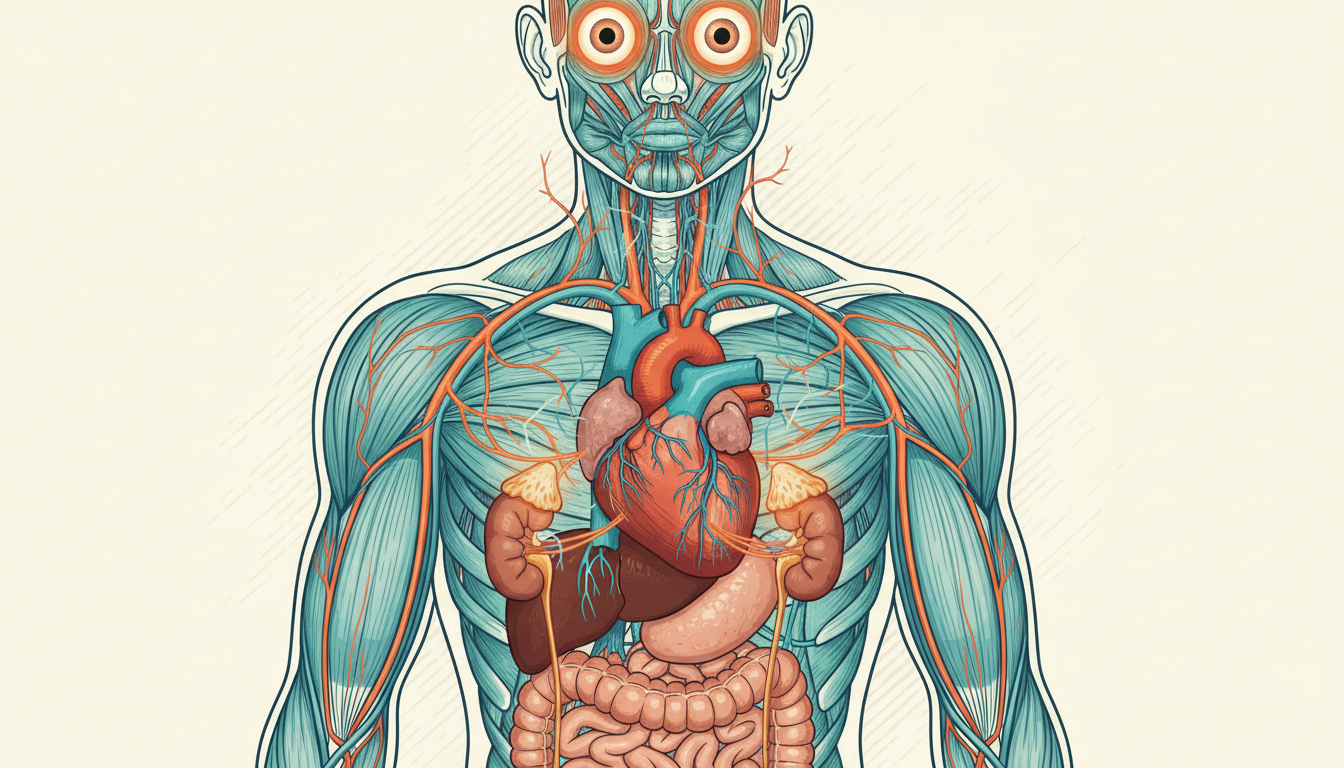
When your brain perceives a threat, whether it is a genuine physical danger or a worry about a work deadline, the amygdala triggers the hypothalamus to activate the sympathetic nervous system. This releases a surge of stress hormones, primarily adrenaline and cortisol, into the bloodstream.
These hormones cause rapid, widespread changes throughout the body, all designed to prepare you to either fight the threat or flee from it. Your heart beats faster. Your muscles tense. Your breathing quickens. Your digestive system slows. You begin to sweat.
The critical point is this: your body cannot tell the difference between a genuine physical threat and a psychological worry. It responds to both with the same alarm response. So when you lie awake worrying about money, your body may respond as though you are facing a physical attacker. This is why anxiety produces such intense physical symptoms.
A System-by-System Guide to Physical Anxiety Symptoms
Cardiovascular System: Heart and Circulation
The heart is often the first organ to respond to anxiety, and cardiovascular symptoms are among the most commonly reported.
Heart palpitations: A rapid, pounding, or irregular heartbeat is extremely common during anxiety. Adrenaline directly stimulates the heart, causing it to beat faster and harder to pump blood to the muscles. You may feel your heart pounding in your chest, neck, or even in your ears.
Chest pain or tightness: Anxiety-related chest pain is one of the most frightening symptoms because it so closely mimics the symptoms of a heart attack. This pain is typically caused by muscle tension in the chest wall, changes in breathing patterns, and the effects of adrenaline. It is usually a sharp, stabbing pain or a dull, persistent ache, often located in a specific spot. Cardiac chest pain, by contrast, tends to feel like a heavy pressure across the whole chest. If you experience chest pain for the first time, always seek medical advice to rule out cardiac causes.
Raised blood pressure: Stress hormones cause blood vessels to constrict, temporarily raising blood pressure. While occasional spikes are not harmful, chronically elevated blood pressure due to long-term anxiety can contribute to cardiovascular risk over time.
Respiratory System: Breathing
Shortness of breath: Feeling unable to get enough air is a hallmark anxiety symptom. During the fight or flight response, breathing automatically becomes faster and shallower to take in more oxygen. However, this hyperventilation can actually reduce carbon dioxide levels in the blood, causing you to feel even more breathless, dizzy, and lightheaded. This creates a vicious cycle: the breathlessness causes more anxiety, which causes more breathlessness.
Hyperventilation: Overbreathing is common during anxiety and panic attacks. It can cause tingling or numbness in the fingers, toes, and lips, as well as muscle cramps, dizziness, and a feeling of unreality. Learning slow, diaphragmatic breathing techniques can be very effective at breaking this cycle.
Throat tightness: Many people with anxiety describe a feeling of tightness or a “lump” in the throat (known medically as globus sensation). This is caused by tension in the muscles of the throat and is not dangerous, although it can be very uncomfortable.
Digestive System: The Gut
The gut-brain connection is one of the most well-established links in medicine. The enteric nervous system, a vast network of neurons lining the digestive tract, communicates constantly with the brain. This is why anxiety so frequently affects digestion.
Nausea: Feeling sick is one of the most common anxiety symptoms. The fight or flight response diverts blood away from the digestive system towards the muscles, slowing digestion and causing nausea.
Stomach cramps and pain: Anxiety can cause painful stomach cramps and a churning sensation. Some people describe it as “butterflies” taken to an extreme.
Diarrhoea: The body may attempt to empty the bowels quickly during a perceived emergency, leading to loose stools or urgent bowel movements.
Loss of appetite or overeating: Anxiety can suppress appetite in some people and trigger comfort eating in others.
Irritable bowel syndrome (IBS): The NHS recognises a strong link between IBS and anxiety. Many people with IBS find that their symptoms worsen during periods of increased anxiety, and treating the anxiety can significantly improve digestive symptoms.
Musculoskeletal System: Muscles and Joints
Chronic muscle tension: Persistent tightness in the muscles, particularly in the shoulders, neck, jaw, and back, is a defining feature of generalised anxiety disorder. You may clench your jaw, hunch your shoulders, or grip with your hands without realising it. Over time, this chronic tension can lead to significant pain and stiffness.
Tension headaches: The most common type of headache associated with anxiety, typically described as a constant band of pressure around the head or a dull ache at the temples, forehead, or back of the head.
Trembling and shaking: Adrenaline can cause visible trembling or shaking, particularly in the hands. This is a direct result of the muscles being primed for action.
Muscle twitches: Small, involuntary muscle twitches (fasciculations) are common during periods of high anxiety and are harmless, although they can be alarming.
Neurological Symptoms
Dizziness and lightheadedness: Changes in breathing patterns, blood pressure fluctuations, and muscle tension in the neck can all contribute to dizziness. This is one of the symptoms that most commonly leads people to fear they have a serious neurological condition.
Pins and needles: Tingling or numbness, usually in the hands, feet, or face, is often caused by hyperventilation, which alters the balance of carbon dioxide in the blood.
Blurred vision: The pupils dilate during the fight or flight response to let in more light and improve peripheral vision. This can cause temporary blurring, light sensitivity, or visual disturbances.
Other Common Physical Symptoms
- Sweating: Particularly in the palms, underarms, and forehead. The body sweats to cool itself in preparation for physical exertion.
- Hot flushes and cold chills: Rapid changes in blood flow can cause sudden feelings of heat or cold.
- Dry mouth: Saliva production decreases during the stress response.
- Frequent urination: The bladder can become more sensitive during periods of anxiety.
- Fatigue and exhaustion: Living in a constant state of high alert is profoundly draining. Many people with chronic anxiety experience crushing fatigue, even after sleeping.
- Insomnia: Difficulty falling asleep, staying asleep, or achieving restful sleep is extremely common with anxiety.
The Long-Term Physical Effects of Chronic Anxiety
While the individual symptoms described above are not dangerous in themselves, living with chronic, untreated anxiety can take a toll on physical health over time. Research published in journals including The Lancet and the British Medical Journal has linked long-term anxiety to:
- Increased risk of cardiovascular disease, including heart attack and stroke.
- Weakened immune function, leading to increased susceptibility to infections.
- Chronic digestive problems, including IBS and inflammatory bowel conditions.
- Chronic pain conditions, including fibromyalgia.
- Hormonal disruption, including effects on the menstrual cycle and fertility.
This is not intended to cause alarm but rather to emphasise the importance of seeking treatment for persistent anxiety. Treating anxiety effectively can have significant benefits for your physical health as well as your mental wellbeing.
Managing Physical Anxiety Symptoms
Breathing Techniques
Controlled breathing is one of the most effective immediate strategies for managing physical anxiety symptoms. The NHS recommends techniques such as box breathing (inhale for 4 counts, hold for 4, exhale for 4, hold for 4) and diaphragmatic breathing (breathing deeply into the belly rather than the chest). These activate the parasympathetic nervous system, which counteracts the fight or flight response.
Progressive Muscle Relaxation
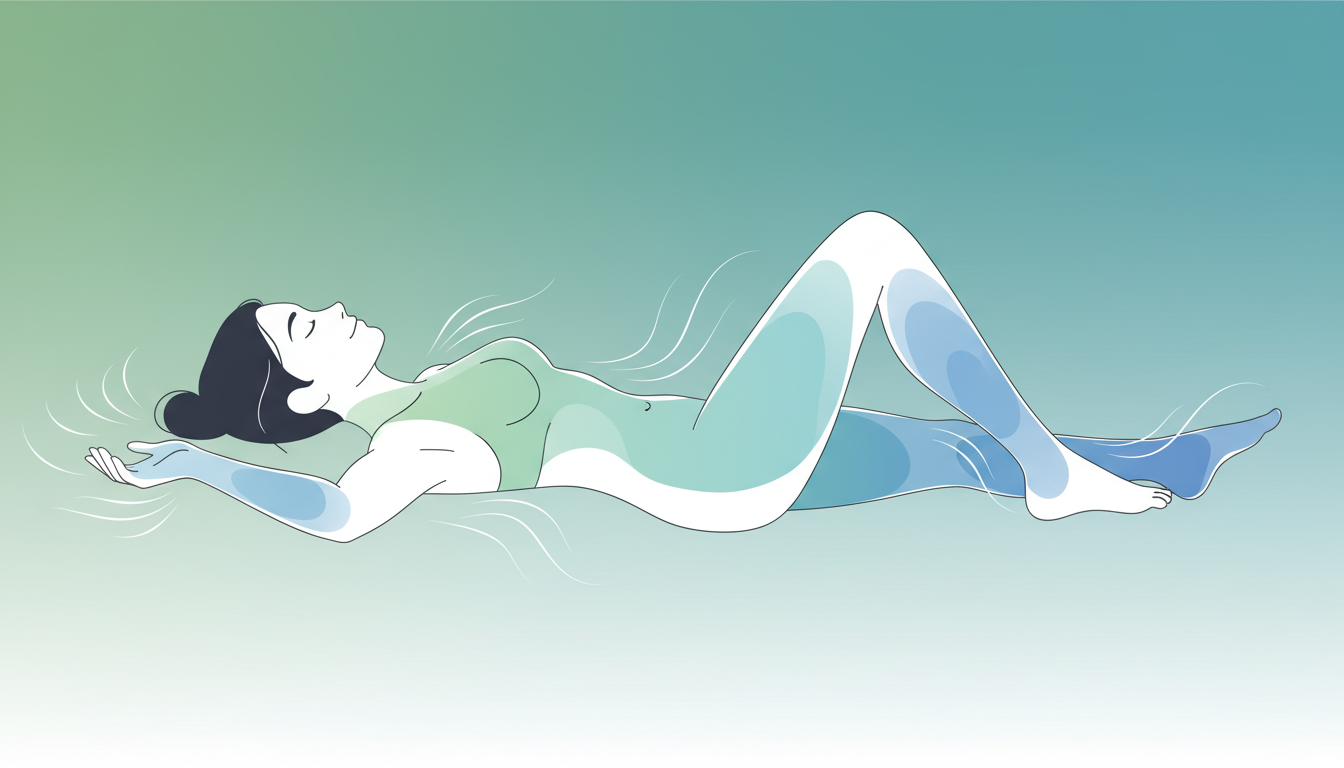
This technique involves systematically tensing and then releasing different muscle groups throughout the body. It helps you become more aware of muscle tension and teaches your body to relax. NICE recognises relaxation techniques as a useful self-help strategy for anxiety.
Physical Exercise
Regular exercise is one of the most evidence-based strategies for reducing anxiety. The NHS recommends at least 150 minutes of moderate-intensity activity per week. Exercise burns off excess adrenaline, releases endorphins, reduces muscle tension, and improves sleep. Research from the University of Cambridge has shown that regular exercise can reduce anxiety risk by up to 60 per cent.
Cognitive Behavioural Therapy
CBT is highly effective at reducing physical anxiety symptoms because it addresses the thought patterns that trigger the stress response. By learning to challenge catastrophic thoughts and reduce avoidance, you can break the cycle that keeps your body in a state of high alert. NICE recommends CBT as the primary treatment for anxiety disorders.
When to Seek Help
While physical anxiety symptoms are not dangerous, they deserve attention and care. You should seek help if:
- Physical symptoms are significantly affecting your quality of life.
- You are avoiding activities, places, or situations because of physical symptoms.
- You are experiencing new or unexplained symptoms that you would like a doctor to evaluate (to rule out physical health conditions).
- You are having frequent panic attacks with intense physical symptoms.
- Physical symptoms are not improving despite self-help measures.
- You are finding it hard to distinguish between anxiety symptoms and signs of a physical illness.
Your GP can help assess your symptoms, provide reassurance where appropriate, and refer you for treatment. NHS Talking Therapies can be accessed by self-referral in most areas of England. Mind (0300 123 3393) and Anxiety UK (03444 775 774) can also provide information and support.
Your physical symptoms are real, they are valid, and they can be treated. You do not have to simply put up with them.
Related Articles
Anxiety Causes: What Triggers Anxiety and Why
What causes anxiety? Explore the triggers, risk factors and underlying reasons anxiety develops - and what you can do about it.
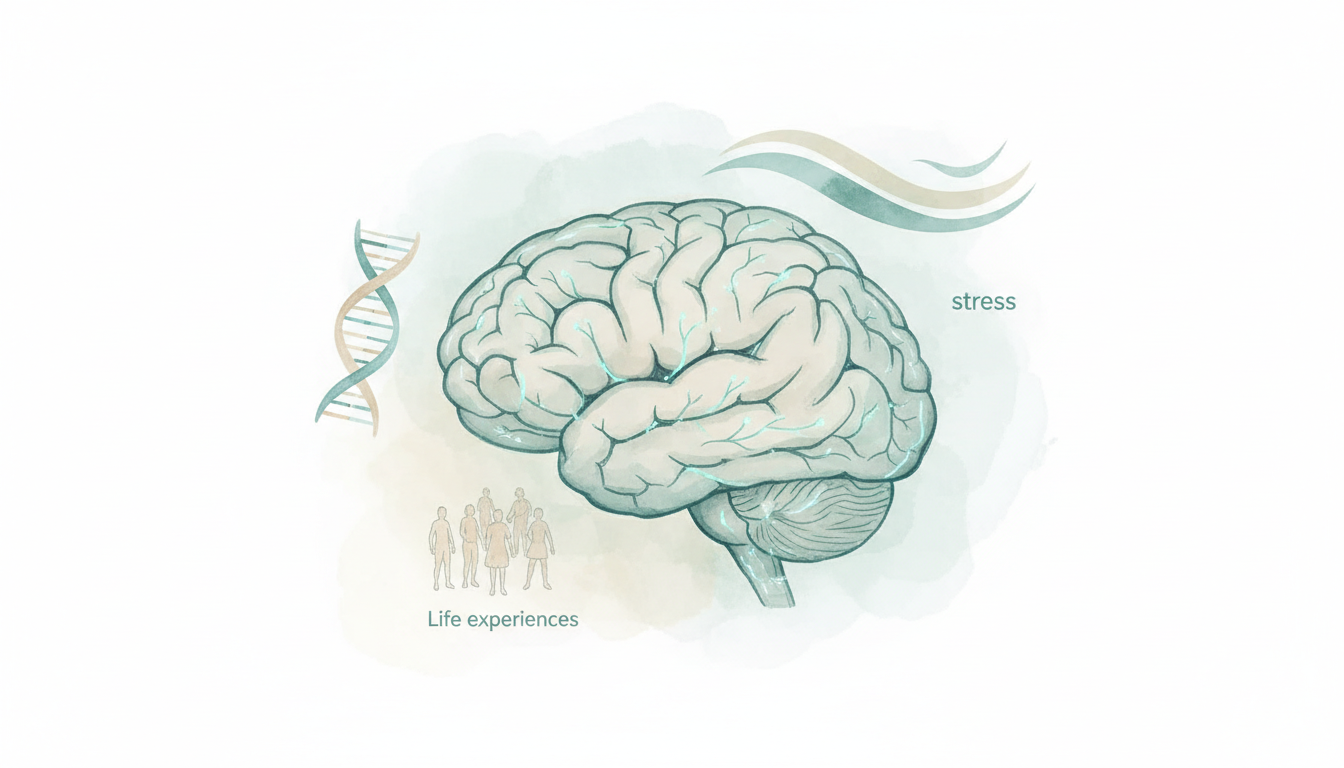
Anxiety Causes: Exploring the Roots of Worry and Fear
Anxiety Causes TL;DR Anxiety can stem from various factors, including genetics, brain chemistry, life experiences, and chronic stress. Understanding these causes is the first step towards...
Anxiety Symptoms: Signs, Causes and When to Seek Help
Recognise the signs of anxiety - physical, emotional and behavioural. Learn what causes anxiety and when to seek professional help.