Anxiety Headache: Types, Triggers and Relief
Last updated:
Introduction: When Anxiety Gets Inside Your Head
Headaches are one of the most common health complaints in the United Kingdom. The NHS estimates that around 10 million people in the UK experience regular headaches. While headaches have many potential causes, anxiety is one of the most significant and often underrecognised triggers. The relationship between anxiety and headaches is bidirectional: anxiety can cause headaches, and the experience of chronic headaches can generate anxiety, creating a cycle that can be difficult to break without the right approach.
If you have ever noticed that your headaches seem to coincide with periods of stress or worry, or if you find yourself reaching for paracetamol more often during anxious times, you are experiencing a well-documented medical phenomenon. This article explores the types of headaches associated with anxiety, the physiological mechanisms involved, and evidence-based strategies for finding relief.
Types of Headaches Linked to Anxiety
Tension-Type Headaches
The most common type of headache associated with anxiety is the tension-type headache. These headaches are characterised by:
- A dull, aching pain on both sides of the head
- A feeling of pressure or tightness, often described as a “band” around the head
- Tenderness in the scalp, neck, and shoulder muscles
- Pain that is generally mild to moderate in intensity
- Duration ranging from 30 minutes to several hours, or even days in chronic cases
Tension-type headaches are directly related to muscle contraction. When you are anxious, you may unconsciously clench your jaw, furrow your brow, tense your neck muscles, or hunch your shoulders. Over time, this sustained muscle tension produces pain. According to NICE, tension-type headaches are the most prevalent primary headache disorder, affecting up to 80% of the UK population at some point in their lives.
Migraines
While migraines are a distinct neurological condition with their own complex causes, anxiety and stress are well-established migraine triggers. Research published in the journal Cephalalgia found that people with anxiety disorders are two to five times more likely to experience migraines than the general population.
Migraines associated with anxiety may involve:
- Intense, throbbing pain, often on one side of the head
- Sensitivity to light, sound, and sometimes smell
- Nausea and vomiting
- Visual disturbances (aura) such as flashing lights or blind spots
- Duration of 4 to 72 hours
The connection between anxiety and migraines likely involves several mechanisms, including altered serotonin levels, cortisol fluctuations, disrupted sleep, and changes in blood vessel dilation.
Medication Overuse Headaches
An important secondary issue is medication overuse headache, sometimes called “rebound headache.” People with anxiety-related headaches may find themselves taking painkillers frequently, and paradoxically, the regular use of painkillers (more than 10 to 15 days per month) can itself cause headaches. NICE guidelines specifically warn about this risk and recommend that painkillers be used no more than 10 days per month to avoid this problem.
The Physiology of Anxiety Headaches
Muscle Contraction
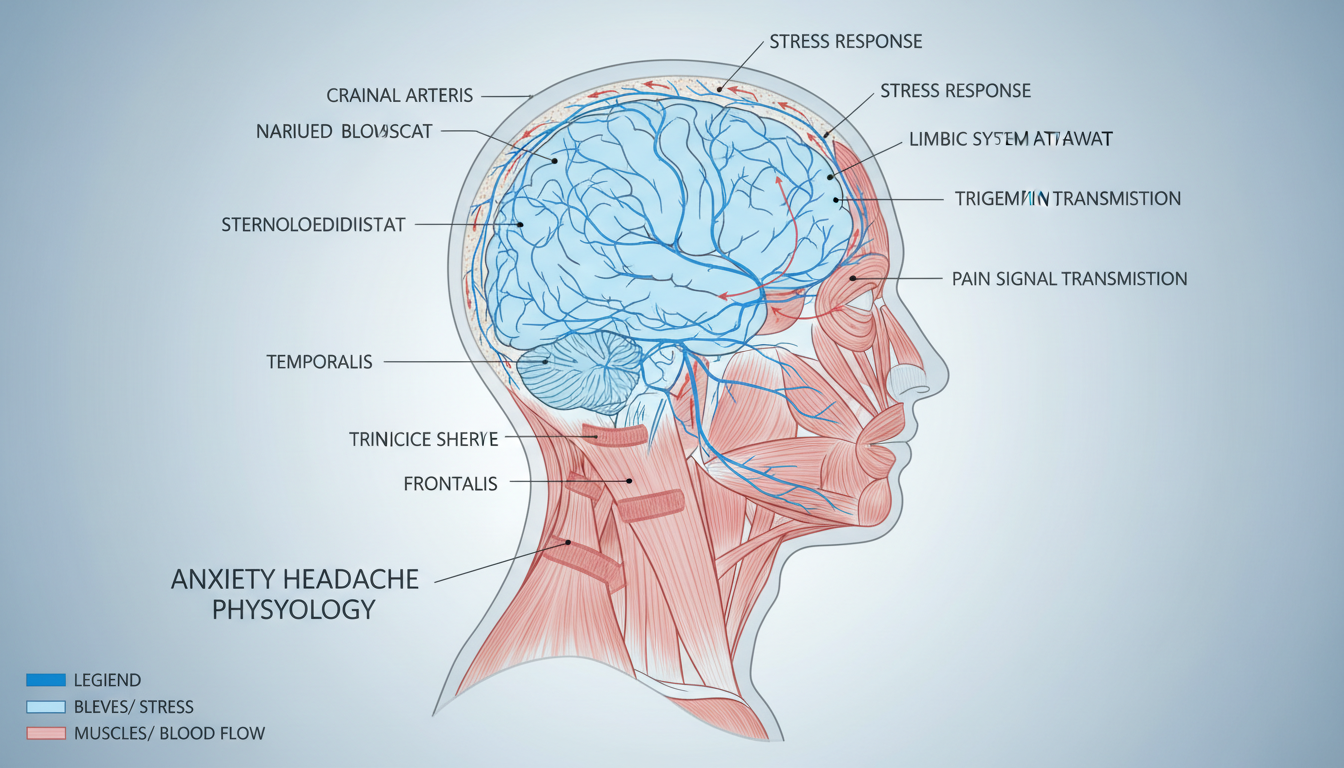
The most straightforward mechanism linking anxiety to headaches is muscle contraction. The muscles of the head, face, neck, and upper shoulders are highly responsive to emotional states. During anxiety, these muscles contract and remain in a state of tension. The trapezius muscle (running from the neck across the upper back and shoulders) and the temporalis muscle (on the sides of the head) are particularly prone to anxiety-related tension. Prolonged contraction of these muscles reduces blood flow, produces metabolic waste products such as lactic acid, and activates pain receptors.
Central Sensitisation
In people with chronic anxiety headaches, the nervous system can become sensitised, meaning it amplifies pain signals. This central sensitisation means that stimuli which would not normally be painful, such as light pressure on the scalp, become uncomfortable. It also means that headaches can be triggered by lower levels of stress than previously required.
Sleep Disruption
Anxiety frequently disrupts sleep, and poor sleep is one of the most reliable triggers for both tension headaches and migraines. A study in the Journal of Headache and Pain found that people who slept fewer than six hours per night were significantly more likely to experience frequent headaches. The relationship is bidirectional: poor sleep increases anxiety, and anxiety disrupts sleep, creating another reinforcing cycle.
Bruxism (Teeth Grinding)
Many people with anxiety grind or clench their teeth, particularly during sleep. This condition, known as bruxism, places enormous strain on the temporomandibular joint (TMJ) and the muscles of the jaw and temples, frequently causing headaches. If you wake up with headaches, jaw pain, or worn-down teeth, bruxism may be a contributing factor. Your dentist can assess for signs of bruxism and may recommend a mouth guard.
The Headache-Anxiety Cycle
Understanding the cyclical relationship between headaches and anxiety is crucial for effective treatment. Here is how the cycle typically works:
- You experience anxiety, which causes muscle tension and other physiological changes.
- The muscle tension produces a headache.
- The headache causes distress and worry, perhaps about what is causing it or whether it will interfere with your plans.
- This worry increases your anxiety, which increases muscle tension, which worsens the headache.
- Over time, you may begin to fear headaches themselves, which means that even minor head sensations trigger anxiety.
Breaking this cycle requires addressing both the headaches and the underlying anxiety simultaneously.
Relief and Treatment Options
Immediate Headache Relief
Relaxation techniques: Progressive muscle relaxation, where you systematically tense and release muscle groups, can directly address the muscle tension causing the headache. Pay particular attention to the shoulders, neck, jaw, and forehead.
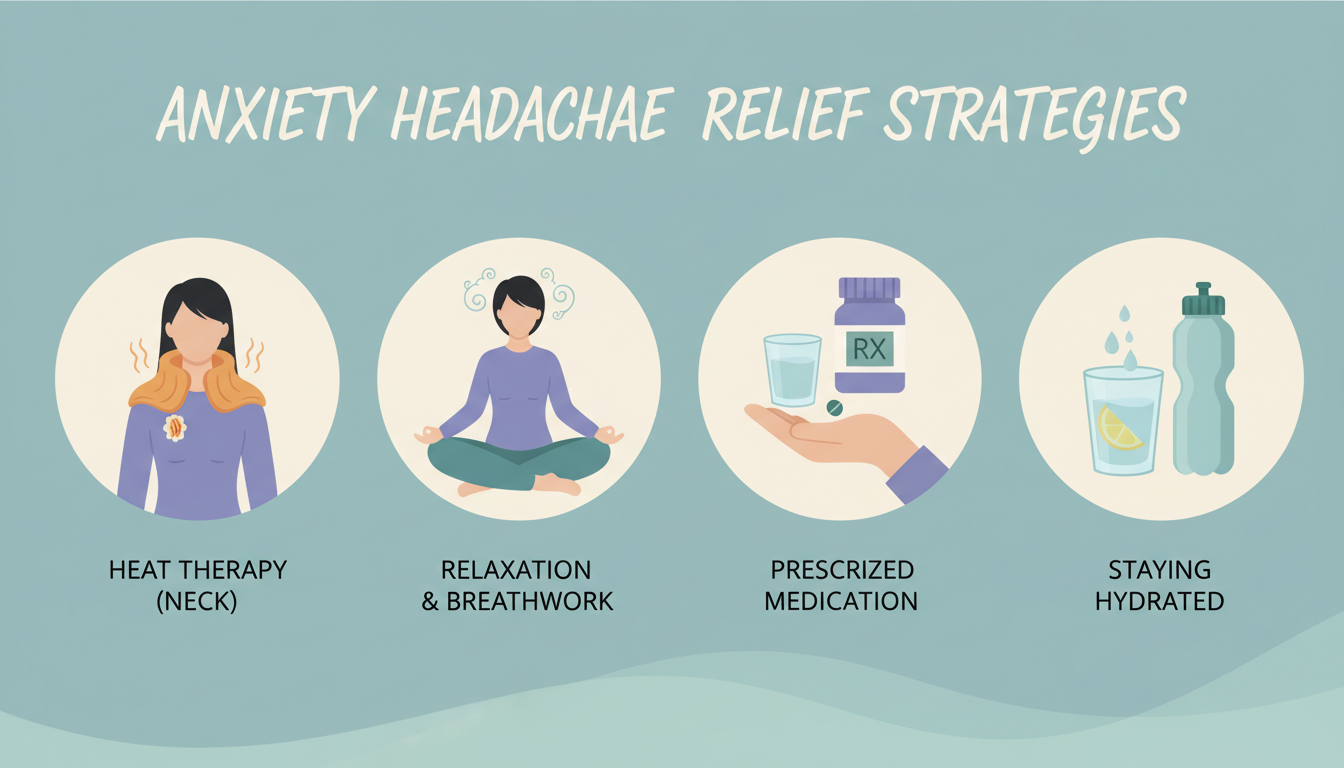
Heat therapy: Applying a warm compress or heat pad to the neck and shoulders can help relax tense muscles and improve blood flow. A warm bath or shower can also be effective.
Gentle stretching: Neck rolls, shoulder shrugs, and gentle stretching of the neck and upper back can release muscle tension.
Hydration: Dehydration is a common headache trigger that is easily overlooked. Aim for 6 to 8 glasses of water per day, as recommended by the NHS.
Over-the-counter painkillers: Paracetamol or ibuprofen can provide relief for occasional tension headaches. However, as noted above, use these no more than 10 days per month to avoid medication overuse headaches.
Preventing Anxiety Headaches
Regular exercise: Physical activity releases endorphins, reduces muscle tension, and lowers cortisol levels. The NHS recommends 150 minutes of moderate exercise per week. Activities that combine physical movement with mindfulness, such as yoga, tai chi, or swimming, can be particularly beneficial for headache prevention.
Posture awareness: Poor posture, especially during desk work, contributes significantly to neck and shoulder tension. Ensure your workstation is ergonomically set up, take regular breaks to move and stretch, and be mindful of holding your phone between your ear and shoulder.
Stress management: Identifying and addressing the sources of your stress can reduce headache frequency. Techniques such as time management, boundary-setting, and mindfulness meditation can all help.
Regular sleep schedule: Maintaining consistent sleep and wake times, even on weekends, helps regulate the body’s internal clock and reduces both anxiety and headache frequency.
Professional Treatment
CBT: NICE recommends CBT for the management of anxiety disorders, and it can be particularly effective for breaking the headache-anxiety cycle. CBT helps you identify and challenge the thought patterns that increase anxiety, develop healthier responses to stress, and reduce hypervigilance about physical symptoms. Available through NHS Talking Therapies.
Medication for anxiety: If your headaches are primarily driven by an underlying anxiety disorder, treating the anxiety with appropriate medication (such as SSRIs) may reduce headache frequency as a secondary benefit.
Preventive migraine medication: If you experience frequent migraines triggered by anxiety, your GP may recommend preventive medication such as propranolol, amitriptyline, or topiramate, all of which are recommended by NICE for migraine prevention.
When to See Your GP
While most anxiety headaches are benign, you should see your GP if:
- Your headaches are frequent (more than 15 days per month) or worsening
- Over-the-counter painkillers are not providing relief
- Your headaches are accompanied by neurological symptoms such as visual changes, weakness, or difficulty speaking
- You experience a sudden, severe headache unlike any you have had before
- Your headaches are significantly affecting your work, relationships, or quality of life
UK Resources
- NHS Talking Therapies: Free talking therapy for anxiety. Self-referral available.
- The Migraine Trust: UK charity providing information and support for migraine. Website: migrainetrust.org.
- Mind: Mental health support. Infoline: 0300 123 3393.
- Your GP: Can assess headaches, discuss medication, and refer to specialist services.
Conclusion
Anxiety headaches, while common and often debilitating, are highly treatable. Understanding the connection between your mental state and your physical symptoms is the first step toward effective management. By combining immediate relief strategies with longer-term anxiety treatment, you can break the headache-anxiety cycle and significantly improve your quality of life. Do not suffer in silence; support is available and effective treatments exist.
Frequently Asked Questions
When to See Your GP?
While most anxiety headaches are benign, you should see your GP if:
What are the most common physical symptoms?
For Anxiety Headache, this question is best answered with personalised guidance. If you are concerned, speak to your GP or contact NHS 111. The article above outlines the most relevant evidence-based approaches.
How long do these symptoms typically last?
For Anxiety Headache, this question is best answered with personalised guidance. If you are concerned, speak to your GP or contact NHS 111. The article above outlines the most relevant evidence-based approaches.
Related Articles
Anxiety and High Blood Pressure: Understanding the Connection
Can anxiety cause high blood pressure? Learn about the link between anxiety and blood pressure, what the research says, and how to manage both effectively.

Anxiety Fatigue: Why Anxiety Makes You So Tired
Anxiety can leave you exhausted. Understand why anxiety causes fatigue and discover strategies to restore your energy and wellbeing.
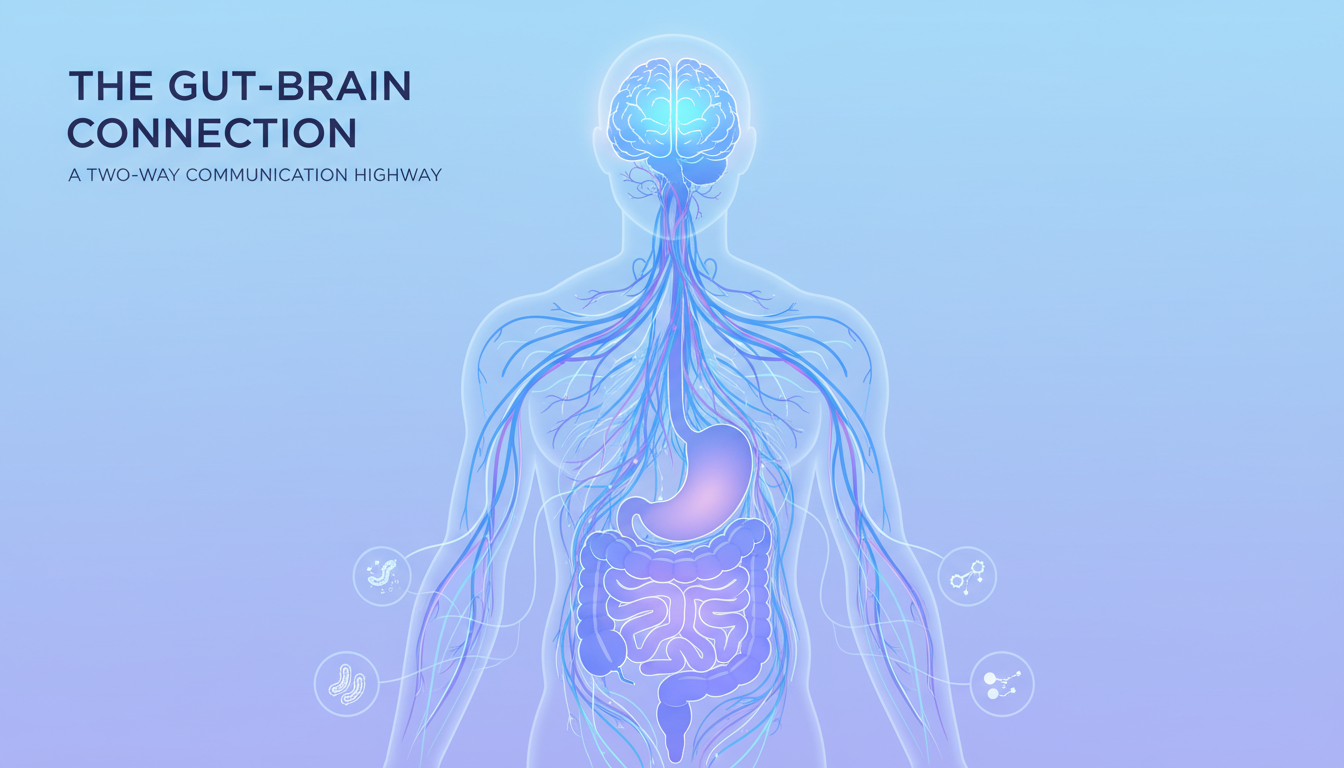
Anxiety and Stomach Problems: Why Anxiety Affects Your Gut
Discover why anxiety causes stomach problems and what you can do about it. Learn about the brain-gut connection, common symptoms, and evidence-based relief.