Anxiety Causes: Exploring the Roots of Worry and Fear
Last updated:
Anxiety Causes
TL;DR
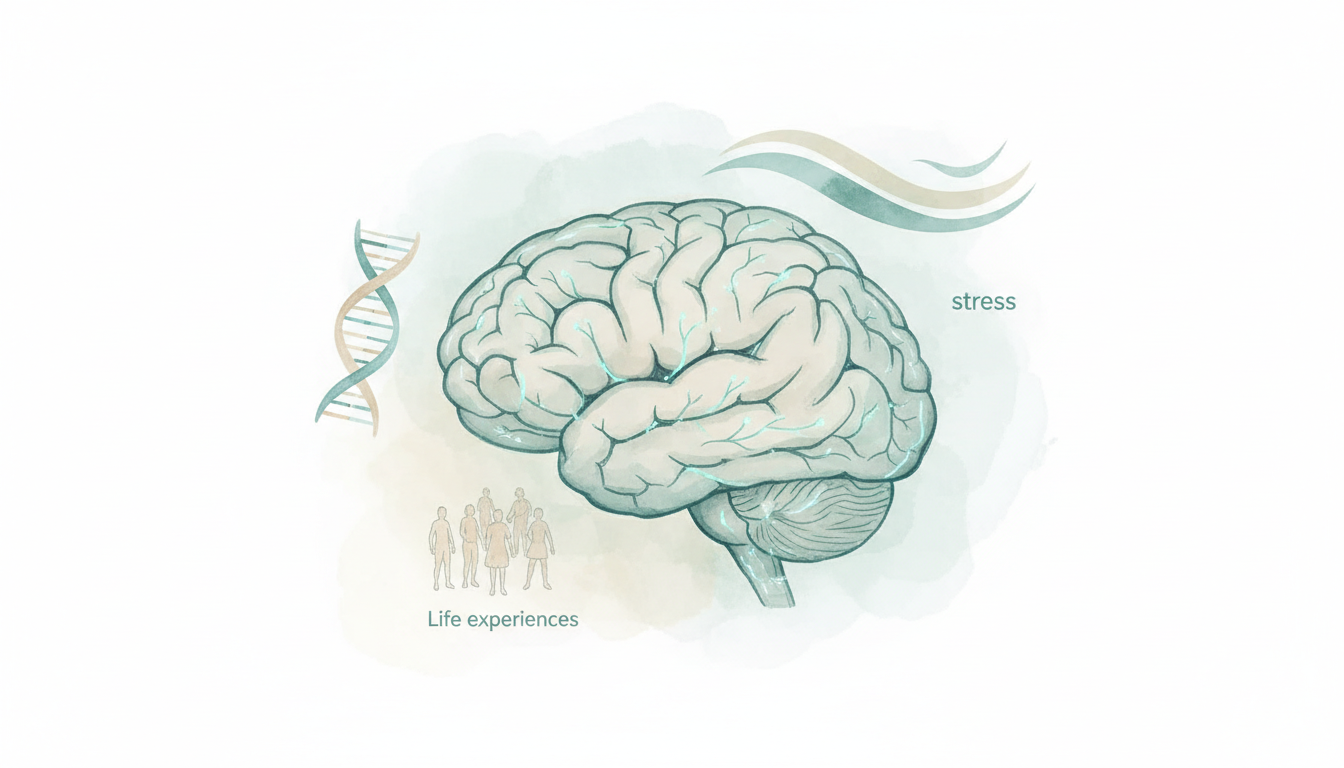
Anxiety can stem from various factors, including genetics, brain chemistry, life experiences, and chronic stress. Understanding these causes is the first step towards effective management. This article provides an overview of potential anxiety triggers and emphasizes the importance of seeking professional help when needed. Remember to consult NHS or NICE guidelines for further information.
Introduction
Anxiety is a common mental health condition affecting millions in the UK. Understanding the root causes of anxiety is crucial for developing effective coping strategies and seeking appropriate treatment. This article explores the multifaceted nature of anxiety causes, drawing on current research and guidelines from reputable sources like the NHS and NICE. Please note that this article is based on currently available data, which may be incomplete, and will be revisited and expanded as better data becomes available.
Genetic Factors
Family History
Claim: A family history of anxiety disorders can increase your likelihood of developing anxiety.
Evidence: Research suggests that genetic factors play a significant role in the development of anxiety disorders. Individuals with a close relative who has an anxiety disorder are more likely to develop one themselves.
Source: PubMed studies on the heritability of anxiety disorders (search PubMed for relevant meta-analyses and twin studies).
Specific Genes
Claim: Certain genes may be associated with an increased risk of anxiety.
Evidence: While no single gene is responsible for anxiety, studies have identified several genes that may contribute to its development. These genes often relate to neurotransmitter regulation and stress response.
Source: Research articles on genetic markers for anxiety disorders in PubMed.
Brain Chemistry
Neurotransmitters
Claim: Imbalances in neurotransmitters can contribute to anxiety.
Evidence: Neurotransmitters like serotonin, dopamine, and GABA play a crucial role in regulating mood and anxiety. Deficiencies or imbalances in these chemicals can lead to increased anxiety levels.
Source: NICE guidelines on anxiety disorders and PubMed articles on neurotransmitter imbalances in anxiety.
Amygdala and Fear Response
Claim: The amygdala’s overactivity can trigger excessive fear responses.
Evidence: The amygdala, a brain region responsible for processing emotions, particularly fear, can become overactive in individuals with anxiety disorders, leading to heightened fear responses.
Source: Research on the neural circuitry of fear and anxiety in PubMed.
Life Experiences
Traumatic Events
Claim: Traumatic experiences can significantly increase the risk of developing anxiety disorders.
Evidence: Events such as abuse, neglect, or witnessing violence can have a lasting impact on mental health, often leading to anxiety disorders like PTSD.
Source: NHS information on PTSD and anxiety, and PubMed studies on the link between trauma and anxiety.
Chronic Stress
Claim: Prolonged exposure to stress can contribute to chronic anxiety.
Evidence: Chronic stress can disrupt the body’s stress response system, leading to persistent feelings of anxiety and worry.
Source: NICE guidelines on managing stress and anxiety, and PubMed articles on the effects of chronic stress on mental health.
Medical Conditions
Physical Health Problems
Claim: Certain medical conditions can mimic or exacerbate anxiety symptoms.
Evidence: Conditions such as hyperthyroidism, heart problems, and chronic pain can trigger anxiety-like symptoms or worsen existing anxiety.
Source: NHS information on medical conditions that can cause anxiety symptoms, and PubMed articles on the relationship between physical health and anxiety.
Substance Use
Alcohol and Drugs
Claim: Substance use can contribute to or worsen anxiety.
Evidence: Alcohol and drug use can disrupt brain chemistry and lead to increased anxiety levels, both during use and withdrawal.
Source: NHS information on the effects of alcohol and drugs on mental health, and PubMed articles on substance-induced anxiety disorders.
Conclusion
Understanding the causes of anxiety is a complex but essential process. While genetic factors, brain chemistry, life experiences, medical conditions, and substance use can all play a role, it’s important to remember that anxiety is a treatable condition. If you are struggling with anxiety, seek help from a healthcare professional. This article provides a general overview and should not be considered a substitute for professional medical advice. This article will be revisited and expanded as better data becomes available.
Last updated: 2026-02-03 11:18:21
(venv) root@f9badb9195dc:/#(venv) root@f9badb9195dc:/#
Frequently Asked Questions
What causes anxiety causes kind of anxiety?
For Anxiety Causes, this question is best answered with personalised guidance. If you are concerned, speak to your GP or contact NHS 111. The article above outlines the most relevant evidence-based approaches.
Is it normal to feel anxiety causes way?
For Anxiety Causes, this question is best answered with personalised guidance. If you are concerned, speak to your GP or contact NHS 111. The article above outlines the most relevant evidence-based approaches.
How is anxiety causes different from everyday worry?
For Anxiety Causes, this question is best answered with personalised guidance. If you are concerned, speak to your GP or contact NHS 111. The article above outlines the most relevant evidence-based approaches.
Related Articles

Anxiety Causes: What Triggers Anxiety and Why
What causes anxiety? Explore the triggers, risk factors and underlying reasons anxiety develops - and what you can do about it.

Anxiety Symptoms: Signs, Causes and When to Seek Help
Recognise the signs of anxiety - physical, emotional and behavioural. Learn what causes anxiety and when to seek professional help.

Anxiety Symptoms: Signs, Causes and When to Seek Help
A clear guide to anxiety symptoms — physical and mental signs, common causes, and how to know when it's time to seek professional help.