Anxiety Symptoms: Signs, Causes and When to Seek Help
Last updated:
Introduction: Recognising the Many Faces of Anxiety
Anxiety does not look the same for everyone. For one person, it might manifest as a constant knot in the stomach and a racing mind that will not switch off at night. For another, it might appear as sudden, overwhelming panic attacks that seem to come from nowhere. And for someone else, it might show up as irritability, difficulty concentrating, or a persistent sense that something terrible is about to happen.
Because anxiety symptoms are so varied, many people do not realise that what they are experiencing is anxiety at all. They may visit their GP with chest pain, stomach problems, or headaches, not connecting these physical complaints to an underlying anxiety condition. According to the NHS, generalised anxiety disorder affects around 5 in every 100 people in the UK, and many more experience anxiety symptoms without meeting the full criteria for a clinical diagnosis.
This guide will walk you through the full range of anxiety symptoms, helping you understand what you are experiencing and why it is happening. Knowledge is a powerful tool, and understanding your symptoms can reduce the fear and confusion that often accompany them.
Physical Symptoms of Anxiety
The physical symptoms of anxiety are often the most alarming, particularly if you do not realise that anxiety is causing them. They are driven by the fight or flight response, the body’s automatic reaction to perceived danger, and they are completely harmless, even though they can feel frightening.
Cardiovascular Symptoms
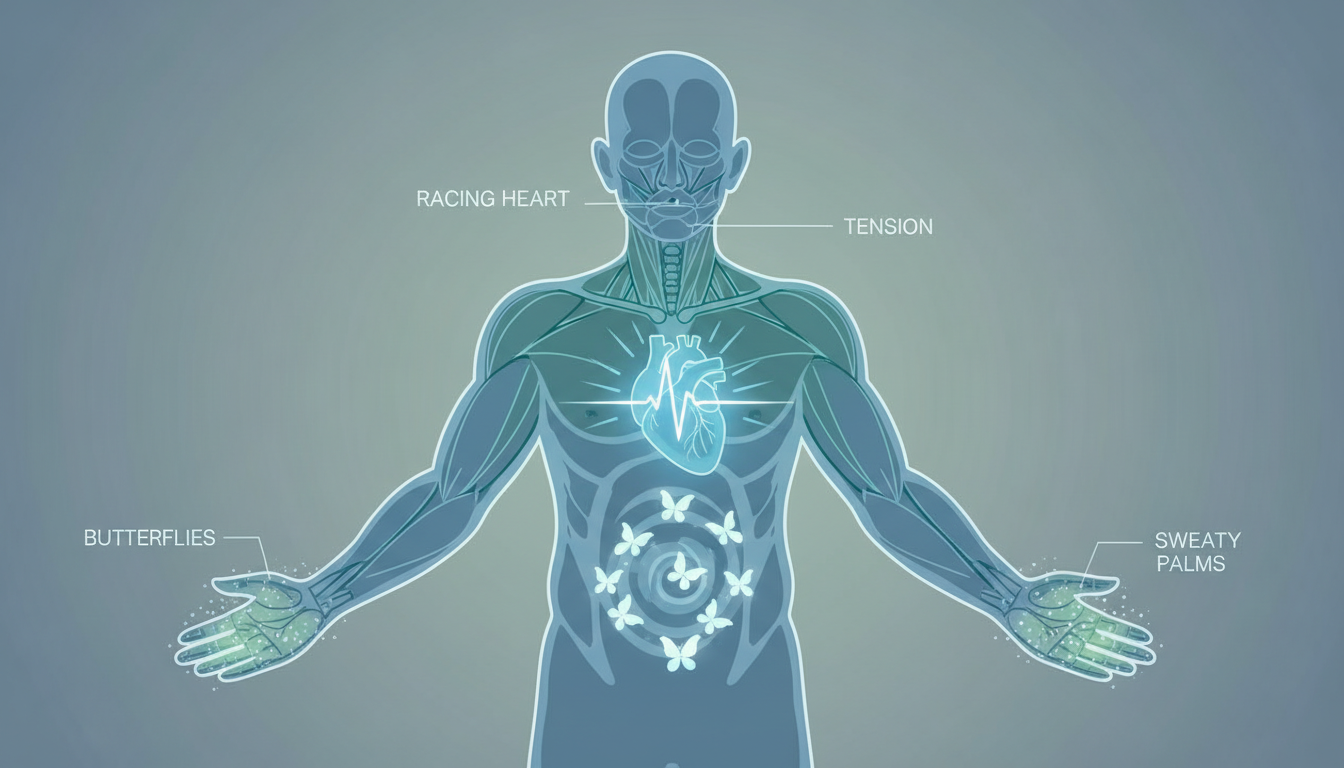
A racing or pounding heart (palpitations) is one of the most common physical symptoms of anxiety. You may feel your heart beating rapidly, skipping beats, or thumping hard in your chest. This happens because adrenaline causes the heart to pump faster, preparing the body for action. While palpitations can be frightening, anxiety-related heart palpitations are not dangerous.
You may also experience tightness or pain in the chest, which many people mistake for a heart attack. If you are experiencing chest pain for the first time, it is always sensible to have it checked by a doctor to rule out cardiac causes. However, anxiety-related chest discomfort is extremely common and is caused by muscle tension and changes in breathing patterns.
Respiratory Symptoms
Shortness of breath, rapid breathing (hyperventilation), and a feeling of not being able to get enough air are hallmark anxiety symptoms. When you are anxious, your breathing naturally quickens to take in more oxygen. However, this can lead to overbreathing, which paradoxically makes you feel more breathless and can cause tingling in the hands and feet, dizziness, and lightheadedness.
Gastrointestinal Symptoms
The gut is sometimes called the “second brain” because of the strong connection between the digestive system and the central nervous system. Anxiety commonly causes nausea, stomach cramps, diarrhoea, loss of appetite, or a churning sensation in the stomach. Some people experience irritable bowel syndrome (IBS) symptoms that are closely linked to anxiety. The NHS notes that IBS and anxiety frequently occur together.
Muscular Symptoms
Chronic muscle tension is one of the defining features of generalised anxiety disorder. You may notice tightness in your shoulders, neck, jaw, or back. Tension headaches are also common, often described as a band of pressure around the head. Some people experience trembling, shaking, or twitching muscles.
Other Physical Symptoms
Anxiety can also cause a wide range of other physical symptoms, including:
- Sweating, particularly in the palms, underarms, or forehead.
- Dry mouth and difficulty swallowing (sometimes described as a “lump in the throat”).
- Dizziness or feeling faint.
- Frequent urination.
- Fatigue and exhaustion, even after rest.
- Pins and needles or numbness in the hands and feet.
- Hot flushes or cold chills.
- Difficulty sleeping, including trouble falling asleep, staying asleep, or experiencing restful sleep.
Psychological Symptoms of Anxiety
While the physical symptoms of anxiety are often the most noticeable, the psychological symptoms are frequently the most distressing. They affect how you think, feel, and perceive the world around you.
Excessive and Uncontrollable Worry
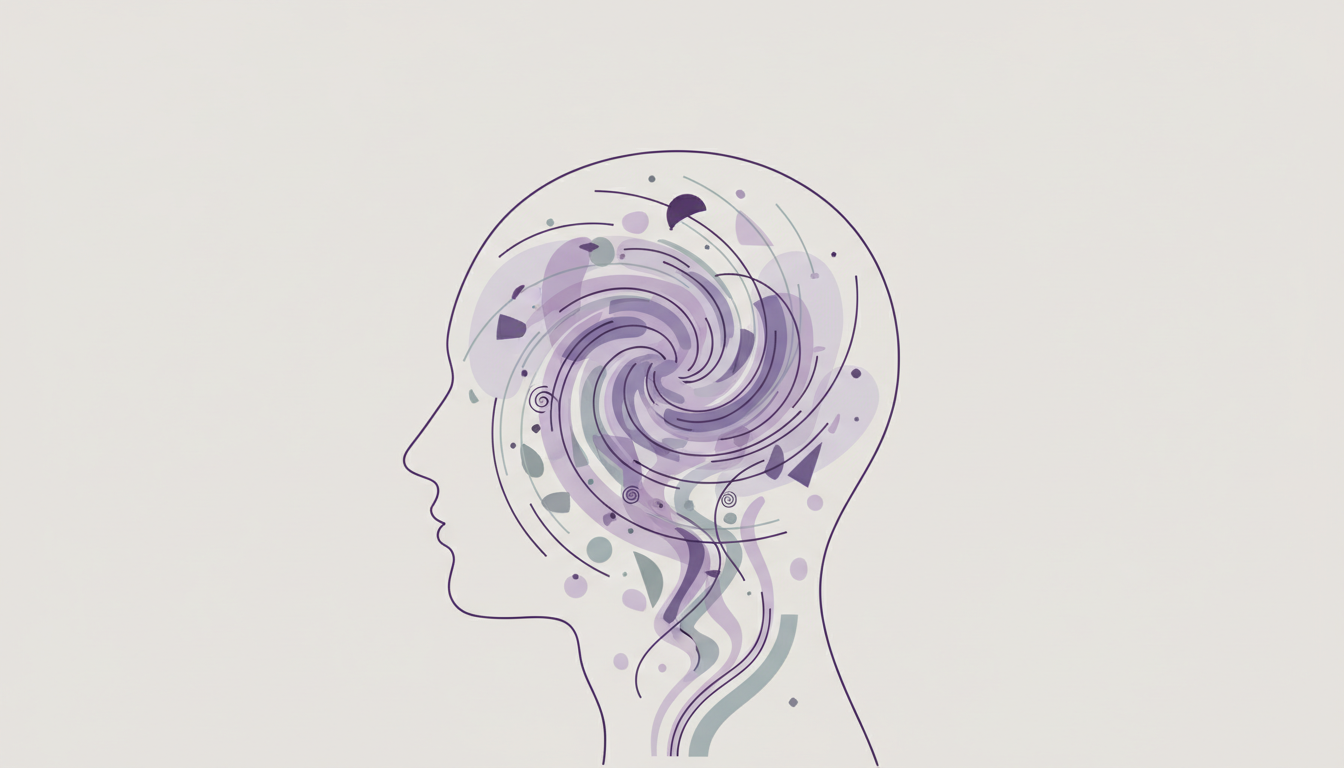
The hallmark psychological symptom of anxiety, particularly generalised anxiety disorder, is persistent, excessive worry that is difficult or impossible to control. The worry may jump from one topic to another, covering health, finances, work, family, and minor everyday matters. People with GAD often describe their mind as being unable to “switch off.”
NICE guidelines note that for a diagnosis of GAD, this worry must be present on most days for at least six months and must cause significant distress or impairment.
Difficulty Concentrating
Anxiety frequently impairs concentration and focus. You may find it hard to pay attention at work, follow conversations, or complete tasks. This happens because anxiety commands a significant amount of your brain’s processing power, leaving fewer cognitive resources available for other activities. Many people describe this as “brain fog.”
A Sense of Dread
A persistent feeling that something bad is about to happen is common in anxiety. This sense of dread or impending doom can be vague and undefined, making it particularly unsettling because you cannot identify a specific source of threat. You may feel constantly “on edge” or as though you are waiting for the other shoe to drop.
Irritability
Anxiety often manifests as irritability, particularly in men, who may be less likely to recognise or report other anxiety symptoms. When your nervous system is in a heightened state of arousal, your tolerance for frustration decreases, and minor annoyances can feel overwhelming.
Depersonalisation and Derealisation
Some people with anxiety experience depersonalisation (feeling detached from yourself, as though you are watching yourself from outside your body) or derealisation (feeling that the world around you is not real, or that you are in a dream). These experiences can be very frightening but are a common response to intense anxiety and are not a sign of a more serious condition.
Behavioural Symptoms of Anxiety
Anxiety does not just affect how you feel; it also changes how you behave. These behavioural changes are often the most visible signs that anxiety is having a significant impact on someone’s life.
Avoidance
One of the most significant behavioural symptoms of anxiety is avoidance. When certain situations, places, or activities trigger anxiety, it is natural to want to avoid them. You might start declining social invitations, avoiding public transport, putting off making phone calls, or steering clear of places that make you feel anxious.
While avoidance provides temporary relief, it reinforces anxiety in the long term. Each time you avoid a feared situation, your brain learns that the situation really is dangerous, making the anxiety stronger the next time. This cycle of avoidance is a key target in cognitive behavioural therapy.
Reassurance-Seeking
Repeatedly seeking reassurance from others, for example asking “Are you sure everything is fine?” or checking with your partner that they are not upset with you, is a common anxiety behaviour. Like avoidance, reassurance provides temporary relief but can maintain anxiety over time by preventing you from learning to tolerate uncertainty.
Safety Behaviours
Safety behaviours are subtle actions you take to feel safer in anxiety-provoking situations. Examples include always sitting near the exit in a restaurant, carrying medication “just in case,” or bringing a trusted companion to appointments. While these may seem helpful, they can prevent you from discovering that you are capable of coping without them.
Changes in Daily Habits
Anxiety can disrupt your normal routines and habits. You may notice changes in your eating patterns, either eating much more or much less than usual. Sleep may be significantly disrupted, with difficulty falling asleep, frequent waking, or vivid and disturbing dreams. You may find yourself withdrawing from activities you once enjoyed, exercising less, or spending more time alone.
What Causes These Symptoms?
All anxiety symptoms, whether physical, psychological, or behavioural, can be traced back to the body’s stress response system. When the brain perceives a threat, it activates the sympathetic nervous system and releases stress hormones including adrenaline and cortisol. These hormones prepare the body for immediate action, causing all the physical symptoms described above.
The psychological symptoms arise because anxiety also affects brain function. The prefrontal cortex, responsible for rational thinking and decision-making, becomes less active, while the amygdala, the brain’s emotional centre, becomes more active. This is why anxious thinking tends to be catastrophic, irrational, and difficult to control with logic alone.
The behavioural symptoms are the result of your mind trying to protect you. Avoidance, reassurance-seeking, and safety behaviours are all strategies your brain uses to try to reduce the perceived threat, even when that threat is not real or is greatly exaggerated.
Anxiety Symptoms in Different Age Groups
Anxiety can present differently depending on age. In children, anxiety may show up as clinginess, frequent stomach aches or headaches, crying or tantrums, difficulty sleeping, or refusal to go to school. Teenagers may experience social withdrawal, academic decline, irritability, or physical complaints.
In older adults, anxiety symptoms may overlap with cognitive decline or physical health conditions, making them harder to recognise. Older adults may focus more on physical symptoms and be less likely to report psychological distress. The NHS recommends that GPs consider anxiety as a possible factor when older patients present with unexplained physical symptoms.
When to Seek Help
Experiencing occasional anxiety symptoms is completely normal. However, you should consider seeking professional help if:
- Your symptoms have been present for most days over a period of several weeks.
- Anxiety is significantly affecting your quality of life, including your ability to work, socialise, or carry out daily tasks.
- You are increasingly relying on avoidance to manage your anxiety.
- Physical symptoms are causing you significant distress or you are worried they may indicate a health problem.
- You are experiencing panic attacks.
- You are using alcohol or other substances to cope.
- You are having thoughts of self-harm or suicide.
In the UK, your GP is an excellent starting point. They can assess your symptoms, rule out any physical health causes, and refer you for appropriate treatment. You can also self-refer to NHS Talking Therapies (England) without seeing your GP first.
Useful contacts include:
- NHS 111: For non-emergency medical advice.
- Mind Infoline: 0300 123 3393 for information and support.
- Samaritans: 116 123, available 24 hours a day, 7 days a week.
- Shout Crisis Text Line: Text “SHOUT” to 85258.
- 999 or A&E: If you are in immediate danger.
You do not have to wait until symptoms are “bad enough” to ask for help. Early intervention often leads to better outcomes, and you deserve support at any stage.
Frequently Asked Questions
What Causes These Symptoms?
All anxiety symptoms, whether physical, psychological, or behavioural, can be traced back to the body’s stress response system. When the brain perceives a threat, it activates the sympathetic nervous system and releases stress hormones including adrenaline and cortisol. These hormones prepare the body for immediate action, causing all the physical symptoms described above.
When to Seek Help?
Experiencing occasional anxiety symptoms is completely normal. However, you should consider seeking professional help if:
What causes anxiety symptoms kind of anxiety?
For Anxiety Symptoms, this question is best answered with personalised guidance. If you are concerned, speak to your GP or contact NHS 111. The article above outlines the most relevant evidence-based approaches.
Related Articles

Anxiety Causes: What Triggers Anxiety and Why
What causes anxiety? Explore the triggers, risk factors and underlying reasons anxiety develops - and what you can do about it.
Anxiety Causes: Exploring the Roots of Worry and Fear
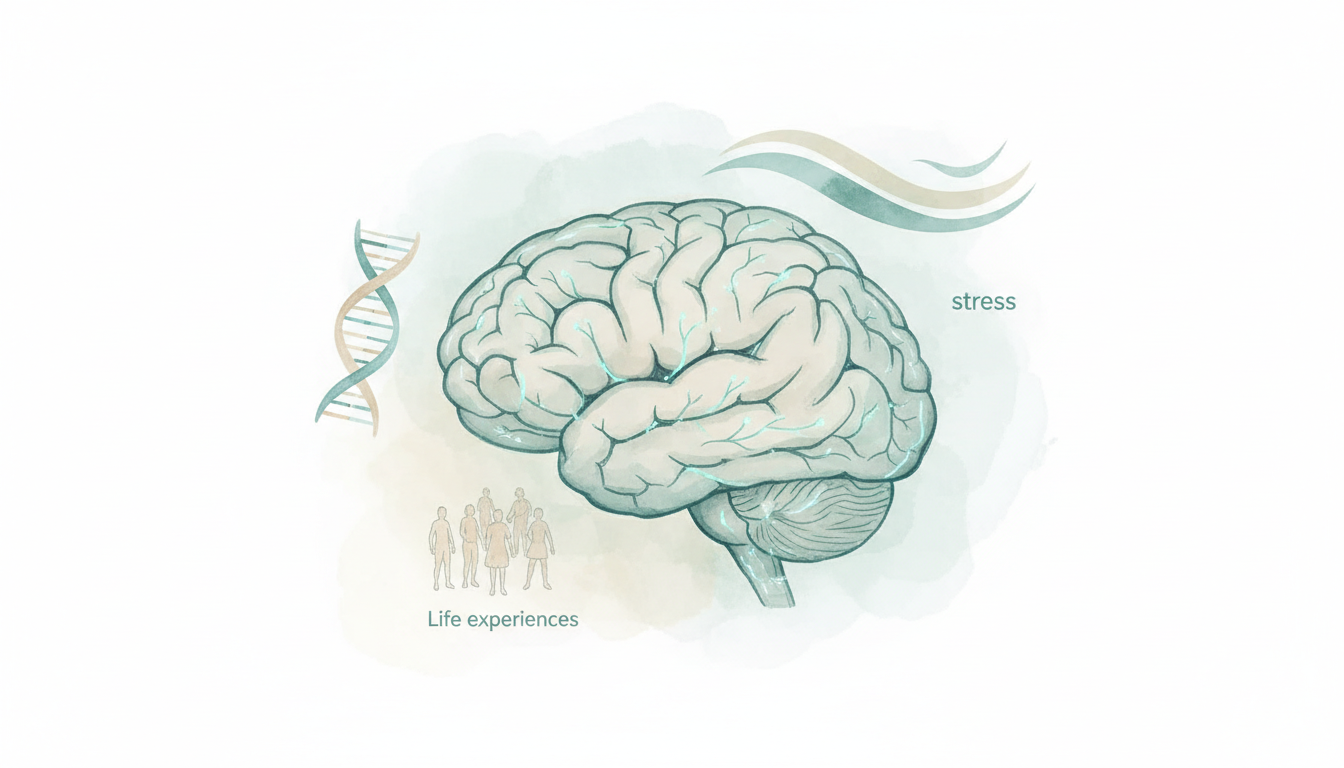
Explore the real causes of anxiety: genetics, brain chemistry, stress and life experiences. Understand the roots of worry and fear to start managing it.
Anxiety Symptoms in Women: Signs, Causes and Support
Anxiety affects women in distinct ways. Learn the common symptoms in women, how hormones play a role, and evidence-based, NHS-aligned ways to find support.