
Anxiety Causes: What Triggers Anxiety and Why
Last updated:
Introduction: Why Do I Feel Anxious?
“Why do I feel like this?” is one of the first questions people ask when anxiety begins to affect their lives. It is a natural and important question, but the answer is rarely straightforward. Anxiety does not usually have a single, identifiable cause. Instead, it typically results from a complex interplay of factors, some that you were born with, some shaped by your experiences, and some related to your current circumstances and lifestyle.
Understanding the causes and triggers of your anxiety can be empowering. It helps you see that anxiety is not a personal failing or a sign of weakness. It is the product of real, identifiable factors, many of which are beyond your control. And crucially, understanding these factors can point you towards the most effective strategies for managing your anxiety.
This article examines the evidence behind what causes anxiety, drawing on research from UK institutions and guidance from the NHS, NICE, and leading mental health charities.
Biological Causes of Anxiety
Your biology, including your genes, brain chemistry, and physical health, plays a significant role in determining your vulnerability to anxiety.
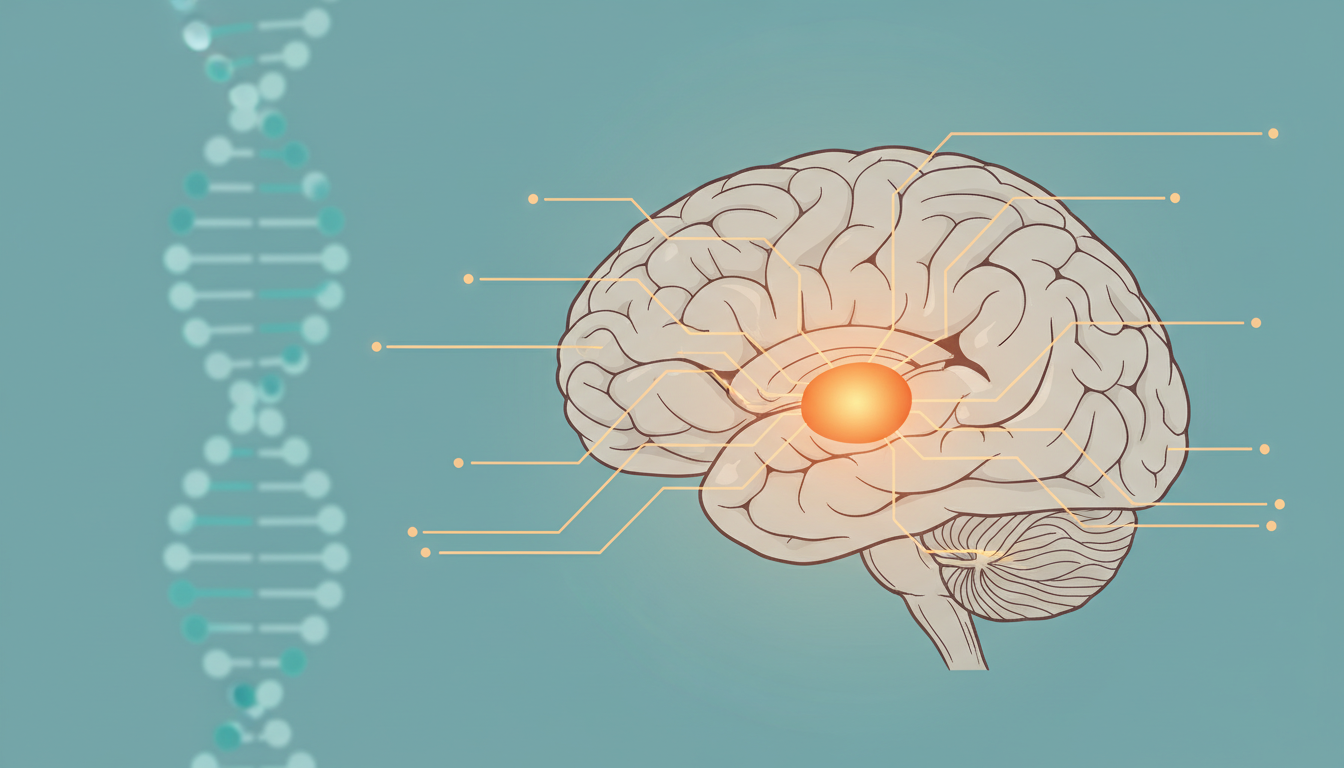
Genetics and Family History
Research consistently shows that anxiety disorders tend to run in families. If you have a close relative, such as a parent or sibling, with an anxiety disorder, you are more likely to develop one yourself. Twin studies, including those conducted at King’s College London, suggest that approximately 30 to 40 per cent of the risk for anxiety disorders is genetic.
This does not mean that there is a single “anxiety gene.” Rather, anxiety risk is influenced by many genes, each contributing a small amount. These genes may affect factors such as how your brain processes threat signals, how sensitive your stress response system is, and how efficiently your brain uses neurotransmitters like serotonin.
It is important to note that having a genetic predisposition does not mean you will inevitably develop an anxiety disorder. Genes create vulnerability, but environmental factors typically determine whether that vulnerability is activated.
Brain Chemistry and Neurotransmitters
The brain relies on chemical messengers called neurotransmitters to communicate between nerve cells. Several neurotransmitters have been implicated in anxiety:
- Serotonin: Often described as the “feel-good” neurotransmitter, low levels of serotonin are associated with both anxiety and depression. This is why SSRIs (selective serotonin reuptake inhibitors), which increase serotonin availability, are the first-line medication treatment for most anxiety disorders as recommended by NICE.
- Noradrenaline: This neurotransmitter is involved in the fight or flight response. Overactivity in the noradrenaline system can lead to heightened arousal and anxiety.
- GABA (gamma-aminobutyric acid): GABA is the brain’s primary inhibitory neurotransmitter, meaning it helps calm neural activity. Reduced GABA function has been linked to increased anxiety, which is why benzodiazepines (which enhance GABA activity) can reduce anxiety, although they are generally not recommended for long-term use due to dependency risks.
Brain Structure and Function
Brain imaging studies have revealed that people with anxiety disorders often show differences in brain structure and activity. The amygdala, which processes fear and threat, tends to be more reactive in anxious individuals. Meanwhile, the prefrontal cortex, which helps regulate emotions and assess threats rationally, may be less effective at calming the amygdala’s alarm signals.
Research from University College London has shown that these differences can be both a cause and a consequence of anxiety, as chronic anxiety can actually change brain structure over time. The encouraging news is that treatment, including CBT, has been shown to normalise some of these brain changes.
Physical Health Conditions
Certain physical health conditions can cause or worsen anxiety symptoms. These include:
- Thyroid disorders, particularly an overactive thyroid (hyperthyroidism).
- Heart conditions, including arrhythmias.
- Chronic pain conditions.
- Hormonal changes, including those related to the menstrual cycle, pregnancy, perimenopause, and menopause.
- Respiratory conditions such as asthma or chronic obstructive pulmonary disease (COPD).
The NHS recommends that your GP conducts basic physical health checks when you present with anxiety symptoms, to ensure that an underlying medical condition is not contributing to your symptoms.
Psychological Causes of Anxiety
Your psychological makeup, including your personality traits, thinking patterns, and coping styles, significantly influences your vulnerability to anxiety.
Personality Traits
Certain personality traits are associated with a higher risk of anxiety. People who score high on the trait known as “neuroticism” tend to experience negative emotions more intensely and more frequently. This trait has a genetic component but is also shaped by early experiences.
Perfectionism, the need for control, and a tendency towards self-criticism are also associated with anxiety. If you set extremely high standards for yourself and fear failure or judgement, you are more likely to experience anxiety in situations where outcomes are uncertain.
Thinking Patterns
Cognitive behavioural research has identified several thinking patterns, sometimes called “cognitive distortions,” that are common in anxiety. These include:
- Catastrophising: Automatically assuming the worst-case scenario will happen.
- Overestimating threat: Perceiving situations as more dangerous than they actually are.
- Underestimating coping ability: Believing you will not be able to handle a difficult situation.
- Black-and-white thinking: Seeing situations in extremes, with no middle ground.
- Intolerance of uncertainty: Finding it very difficult to tolerate not knowing what will happen.
These thinking patterns are not character flaws. They are learned habits of thought that can be identified and changed through approaches such as CBT, the treatment most strongly recommended by NICE for anxiety disorders.
Life Experiences and Environmental Factors
Your experiences, particularly those in childhood and during periods of significant stress, play a major role in the development of anxiety.
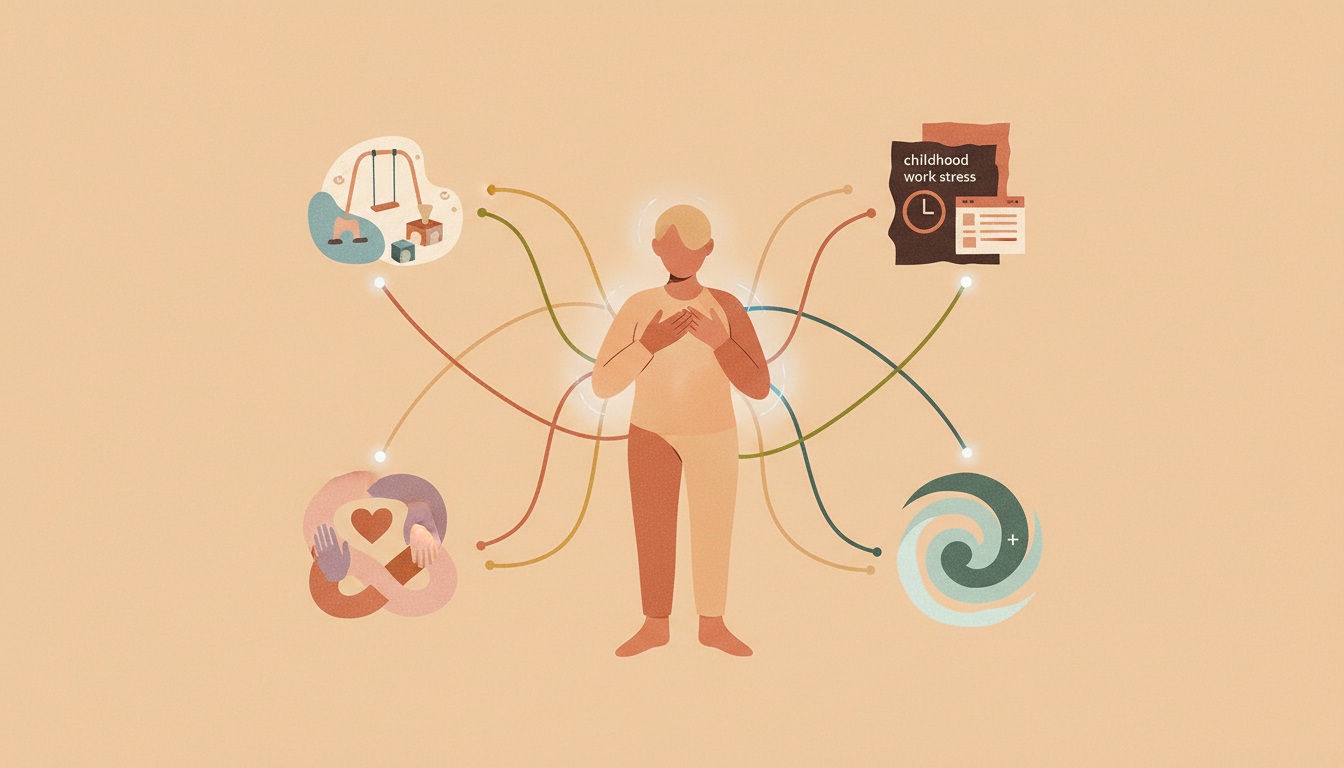
Childhood Experiences
Adverse childhood experiences (ACEs) are one of the strongest predictors of anxiety in adulthood. These include physical, emotional, or sexual abuse; neglect; parental separation; domestic violence; and living with a family member with mental health problems or substance misuse.
Research by Public Health England has shown a clear dose-response relationship: the more adverse childhood experiences a person has, the higher their risk of developing anxiety and other mental health conditions in later life. Childhood experiences shape the developing brain, potentially making the stress response system more sensitive and reactive.
Growing up with an anxious parent can also model anxious behaviour and thinking patterns. Children learn to assess threats by observing how their caregivers respond to the world.
Traumatic Events
Experiencing or witnessing a traumatic event, such as an accident, assault, natural disaster, or the sudden death of a loved one, can trigger anxiety disorders, including post-traumatic stress disorder (PTSD) and acute stress disorder. Trauma can fundamentally alter the brain’s threat-detection system, leaving it in a state of hypervigilance.
Ongoing Life Stress
Chronic, ongoing stress is a major contributor to anxiety. Common sources of sustained stress in the UK include financial pressures, work-related stress, relationship difficulties, caring responsibilities, housing insecurity, and health problems. The Mental Health Foundation’s research consistently identifies money worries and work stress as among the top causes of anxiety in UK adults.
Major Life Changes
Even positive life changes can trigger anxiety. Starting a new job, moving house, getting married, having a baby, retiring, or going to university are all significant transitions that can increase anxiety levels. Any change that disrupts your sense of certainty and control can activate the anxiety response.
Lifestyle and Situational Triggers
In addition to the deeper causes of anxiety described above, several lifestyle and situational factors can trigger or worsen anxiety symptoms on a day-to-day basis.
Caffeine and Stimulants
Caffeine is a stimulant that can mimic and amplify anxiety symptoms. It increases heart rate, promotes the release of adrenaline, and can interfere with sleep. Research published in the British Journal of Pharmacology has shown that even moderate caffeine consumption can worsen anxiety in susceptible individuals. If you are prone to anxiety, reducing or eliminating caffeine may provide noticeable relief.
Alcohol and Recreational Drugs
While many people use alcohol to cope with anxiety, it often makes things worse. Alcohol is a depressant that disrupts neurotransmitter balance. While it may temporarily reduce anxiety, the rebound effect as alcohol wears off can significantly increase anxiety levels, a phenomenon sometimes called “hangxiety.” NICE guidelines specifically advise clinicians to ask about alcohol use when assessing patients with anxiety.
Cannabis, cocaine, ecstasy, and other recreational drugs can also trigger or worsen anxiety, and in some cases can precipitate panic attacks or longer-term anxiety disorders.
Sleep Deprivation
Poor sleep and anxiety have a bidirectional relationship: anxiety makes it harder to sleep, and poor sleep increases anxiety. Research from the University of Oxford has demonstrated that sleep deprivation significantly increases activity in the brain’s emotional centres, making you more reactive to perceived threats. Addressing sleep problems is often an important component of anxiety treatment.
Social Media and Digital Overload
Growing evidence links excessive social media use to increased anxiety, particularly among young people. The Royal Society for Public Health has highlighted that social media can drive social comparison, fear of missing out (FOMO), and exposure to negative news, all of which can fuel anxiety. The constant connectivity of smartphones also means that many people never fully switch off from potential sources of stress.
The Biopsychosocial Model: Putting It All Together
Mental health professionals in the UK generally use the biopsychosocial model to understand anxiety. This model recognises that anxiety arises from the interaction of biological factors (genetics, brain chemistry, physical health), psychological factors (personality, thinking patterns, coping styles), and social factors (life experiences, relationships, socioeconomic circumstances).
No single factor is usually sufficient to cause an anxiety disorder on its own. Instead, it is the combination and interaction of multiple factors that determines whether someone develops problematic anxiety. This is why two people can experience the same stressful event but have very different outcomes, because their biological vulnerabilities, psychological resources, and social support systems differ.
Understanding your own unique combination of risk factors and triggers is a valuable part of managing anxiety. It can help you identify which areas to target with treatment and lifestyle changes.
When to Seek Help
Understanding what causes your anxiety is valuable, but it is not always possible to identify every contributing factor on your own. A mental health professional can help you explore the roots of your anxiety and develop an effective treatment plan.
You should consider seeking help if:
- You feel anxious most of the time and cannot identify a clear reason.
- Your anxiety seems disproportionate to the situations that trigger it.
- You have experienced a traumatic event and are struggling to cope.
- Anxiety is affecting your ability to function at work, in relationships, or in daily life.
- You are relying on alcohol, drugs, or other unhealthy coping strategies.
- You feel hopeless or are having thoughts of self-harm.
In the UK, you can speak to your GP, self-refer to NHS Talking Therapies, or contact Mind (0300 123 3393) for information and support. If you are in crisis, contact the Samaritans on 116 123 or text “SHOUT” to 85258.
Regardless of what has caused your anxiety, effective treatments exist, and recovery is possible. You do not need to have it all figured out before asking for help.
Frequently Asked Questions
When to Seek Help?
Understanding what causes your anxiety is valuable, but it is not always possible to identify every contributing factor on your own. A mental health professional can help you explore the roots of your anxiety and develop an effective treatment plan.
What causes anxiety causes kind of anxiety?
For Anxiety Causes, this question is best answered with personalised guidance. If you are concerned, speak to your GP or contact NHS 111. The article above outlines the most relevant evidence-based approaches.
Is it normal to feel anxiety causes way?
For Anxiety Causes, this question is best answered with personalised guidance. If you are concerned, speak to your GP or contact NHS 111. The article above outlines the most relevant evidence-based approaches.
Related Articles
Anxiety Causes: Exploring the Roots of Worry and Fear
Explore the real causes of anxiety: genetics, brain chemistry, stress and life experiences. Understand the roots of worry and fear to start managing it.

Anxiety Symptoms: Signs, Causes and When to Seek Help
Recognise the signs of anxiety - physical, emotional and behavioural. Learn what causes anxiety and when to seek professional help.

Anxiety Symptoms: Signs, Causes and When to Seek Help
A clear guide to anxiety symptoms — physical and mental signs, common causes, and how to know when it's time to seek professional help.