
What Is Anxiety? Understanding How It Works
Last updated:
Introduction: Why We All Experience Anxiety
If you have ever felt your heart race before a job interview, your palms sweat before a presentation, or a knot tighten in your stomach before a difficult conversation, you have experienced anxiety. It is one of the most universal human emotions, and in the right circumstances it is both normal and helpful.
But for millions of people in the United Kingdom, anxiety stops being a helpful signal and starts becoming a barrier to everyday life. According to the Mental Health Foundation, anxiety disorders affect approximately 8 million people in the UK at any one time. The charity Mind reports that generalised anxiety disorder (GAD) alone affects around 5% of the UK population.
Understanding what anxiety actually is, how it works in your brain and body, and where the line falls between normal worry and an anxiety disorder is the first step towards feeling better. This article will walk you through the science, the symptoms, and the support available to you.
What Exactly Is Anxiety?
At its simplest, anxiety is your body’s natural response to perceived threat or danger. It is an emotion characterised by feelings of tension, worried thoughts, and physical changes such as increased blood pressure and heart rate.
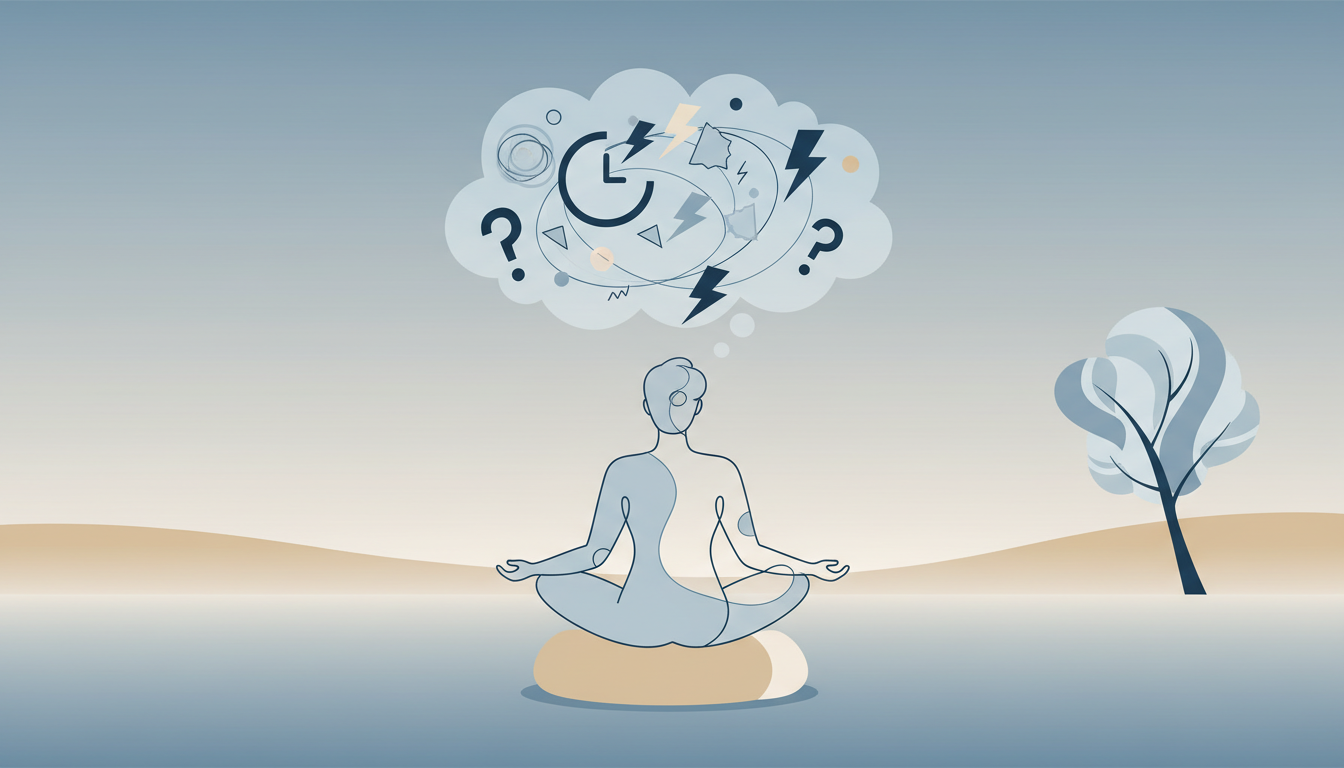
The American Psychological Association defines anxiety as “an emotion characterised by feelings of tension, worried thoughts and physical changes.” In the UK, the NHS describes it as “a feeling of unease, such as worry or fear, that can be mild or severe.”
It is important to recognise that anxiety exists on a spectrum. At one end, there is the mild unease you might feel when running late for a train. At the other end, there are intense, debilitating episodes of panic that can leave you feeling as though you are having a heart attack.
Anxiety vs Fear: What Is the Difference?
Although the terms are often used interchangeably, anxiety and fear are not quite the same thing. Fear is typically a response to an immediate, identifiable threat, such as a car swerving towards you. Anxiety, on the other hand, tends to be about anticipated threats, things that might happen in the future or situations where the danger is less clear.
Fear says: “There is danger right now.” Anxiety says: “Something bad could happen.” Both activate similar systems in the body, but anxiety tends to linger longer because the perceived threat is ongoing or uncertain.
How Anxiety Works: The Science Behind It
To understand anxiety, it helps to understand the biological machinery that drives it. Your brain has a built-in alarm system that evolved over hundreds of thousands of years to keep you alive.
The Fight or Flight Response
When your brain perceives a threat, whether real or imagined, it triggers what is known as the “fight or flight” response. This process begins in a small, almond-shaped structure deep in the brain called the amygdala.
The amygdala acts as your brain’s threat detector. When it senses danger, it sends an urgent signal to the hypothalamus, which functions as a command centre. The hypothalamus then activates the sympathetic nervous system, triggering a cascade of physical changes designed to prepare you to either fight the threat or run from it.
These changes include:
- Your heart rate increases to pump more blood to your muscles.
- Your breathing quickens to take in more oxygen.
- Your muscles tense, ready for action.
- Your digestive system slows down, as it is not a priority during an emergency.
- You may begin to sweat, helping to cool the body during physical exertion.
- Your senses sharpen, making you more alert to your surroundings.
This system was incredibly useful for our ancestors facing genuine physical dangers such as predators. The problem is that the same system activates in response to modern-day stressors such as work deadlines, social situations, or financial worries, even though these do not require a physical response.
The Role of Stress Hormones
The fight or flight response is driven by stress hormones, primarily adrenaline (epinephrine) and cortisol. Adrenaline is responsible for the immediate physical symptoms, the racing heart, the rapid breathing, and the surge of energy. Cortisol, often called the “stress hormone,” keeps the body on high alert for longer periods.
In short bursts, these hormones are not harmful. But when anxiety becomes chronic, meaning the body is repeatedly flooded with these chemicals, it can take a significant toll on both physical and mental health. Research published in the British Journal of Psychiatry has linked chronic stress hormone elevation to problems including weakened immunity, digestive disorders, and cardiovascular issues.
When Normal Anxiety Becomes a Disorder
Everyone experiences anxiety from time to time. It is a normal part of life. But there is an important distinction between ordinary anxiety and an anxiety disorder.
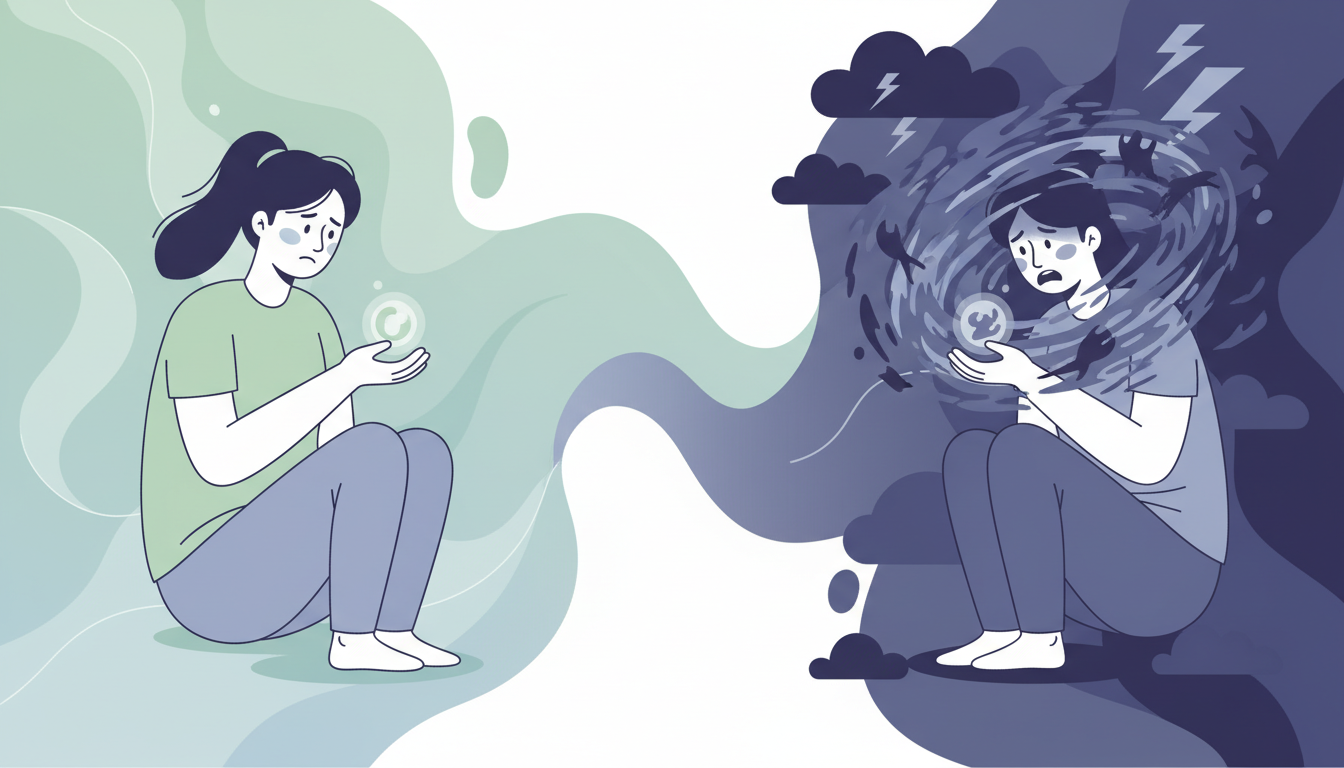
According to the National Institute for Health and Care Excellence (NICE), anxiety becomes a clinical concern when it is:
- Excessive or out of proportion to the actual threat.
- Persistent, lasting for weeks or months rather than passing once a stressful situation is over.
- Causing significant distress or interfering with daily life, including work, relationships, and social activities.
- Difficult to control, even when the person recognises that their worry is excessive.
If you find that anxiety is regularly preventing you from doing things you want or need to do, it may have crossed the line from a normal emotion into a disorder that deserves professional attention.
Common Types of Anxiety Disorders
Anxiety disorders are not a single condition but a group of related disorders. The NHS and NICE recognise several distinct types:
Generalised Anxiety Disorder (GAD): This is the most common form. It involves persistent, excessive worry about a wide range of everyday issues, from health and finances to work and family. The worry is often difficult to control and is accompanied by physical symptoms such as restlessness, fatigue, and muscle tension. NICE guidelines recommend cognitive behavioural therapy (CBT) as a first-line treatment.
Panic Disorder: Characterised by recurring, unexpected panic attacks, which are sudden surges of intense fear accompanied by physical symptoms such as chest pain, pounding heart, dizziness, and shortness of breath. Many people experiencing a panic attack for the first time believe they are having a heart attack.
Social Anxiety Disorder: An intense fear of social situations where you might be judged, embarrassed, or scrutinised by others. This goes far beyond ordinary shyness and can lead people to avoid social interactions altogether.
Specific Phobias: An intense, irrational fear of a specific object, situation, or activity, such as heights, flying, spiders, or needles. The fear is out of proportion to the actual danger posed.
Health Anxiety: Formerly known as hypochondria, this involves excessive worry about having or developing a serious illness, often leading to frequent checking of the body for signs of disease and seeking reassurance from doctors.
Obsessive-Compulsive Disorder (OCD): While sometimes classified separately, OCD is closely related to anxiety. It involves unwanted, intrusive thoughts (obsessions) and repetitive behaviours or mental acts (compulsions) performed to reduce the anxiety caused by those thoughts.
How Common Is Anxiety in the UK?
Anxiety is far more common than many people realise. You are not alone in experiencing it, and you are not weak for struggling with it.
The charity Mind reports that approximately 1 in 6 adults in England experience a common mental health problem, such as anxiety or depression, in any given week. The Office for National Statistics has found that anxiety levels in the UK have been rising, particularly since 2020.
Anxiety affects people of all ages, genders, and backgrounds, although research suggests that women are roughly twice as likely as men to be diagnosed with an anxiety disorder. Young adults aged 16 to 29 also report higher levels of anxiety than older age groups.
Despite its prevalence, many people with anxiety disorders do not seek help. The Mental Health Foundation estimates that less than 50% of people with generalised anxiety disorder access treatment. This may be due to stigma, a belief that anxiety is something you should simply “get over,” or a lack of awareness that effective treatments exist.
Treatment and Support: What Help Is Available?
The good news is that anxiety disorders are among the most treatable mental health conditions. A range of effective treatments is available, many of them free through the NHS.
Talking Therapies
Cognitive Behavioural Therapy (CBT) is the gold-standard treatment for most anxiety disorders, as recommended by NICE. CBT works by helping you identify and challenge the unhelpful thought patterns and behaviours that maintain anxiety. It is typically delivered over 12 to 20 sessions, either one-to-one or in a group setting.
You can access NHS talking therapies through the NHS Talking Therapies programme (formerly IAPT). In most areas of England, you can self-refer without needing to see your GP first. Visit the NHS website to find your local service.
Medication
For moderate to severe anxiety, your GP may recommend medication alongside talking therapy. The most commonly prescribed medications for anxiety disorders are selective serotonin reuptake inhibitors (SSRIs), such as sertraline or escitalopram. These work by increasing levels of serotonin in the brain, which helps regulate mood and anxiety.
Beta-blockers may be prescribed to manage the physical symptoms of anxiety, such as rapid heartbeat and trembling, particularly in specific situations such as public speaking.
Self-Help Strategies
Alongside professional treatment, there are many things you can do to help manage anxiety in your daily life. These include regular physical exercise, practising relaxation techniques such as deep breathing or progressive muscle relaxation, maintaining a consistent sleep routine, reducing caffeine and alcohol intake, and connecting with supportive friends or family.
The NHS and Mind both offer free self-help resources, including online guides, audio relaxation exercises, and apps such as NHS-approved Every Mind Matters tools.
When to Seek Help
It can be difficult to know when anxiety has crossed the line from a normal feeling to something that needs professional support. As a general guide, consider seeking help if:
- Your anxiety is persistent and has lasted for several weeks or more.
- You find it difficult to control your worry, even when you try.
- Anxiety is interfering with your daily life, including work, relationships, or social activities.
- You are avoiding situations or activities because of anxiety.
- You are experiencing panic attacks.
- You are using alcohol, drugs, or other substances to cope with anxious feelings.
- You are having thoughts of self-harm or suicide.
Your GP is a good first point of contact. You can also self-refer to NHS Talking Therapies in England, contact the Mind Infoline on 0300 123 3393, or text “SHOUT” to 85258 for the Shout crisis text line. If you are in immediate danger, call 999 or go to your nearest A&E department.
Remember: seeking help is a sign of strength, not weakness. Anxiety is a medical condition, not a personal failing, and you deserve support.
Related Articles

Anxiety Causes: What Triggers Anxiety and Why
What causes anxiety? Explore the triggers, risk factors and underlying reasons anxiety develops - and what you can do about it.
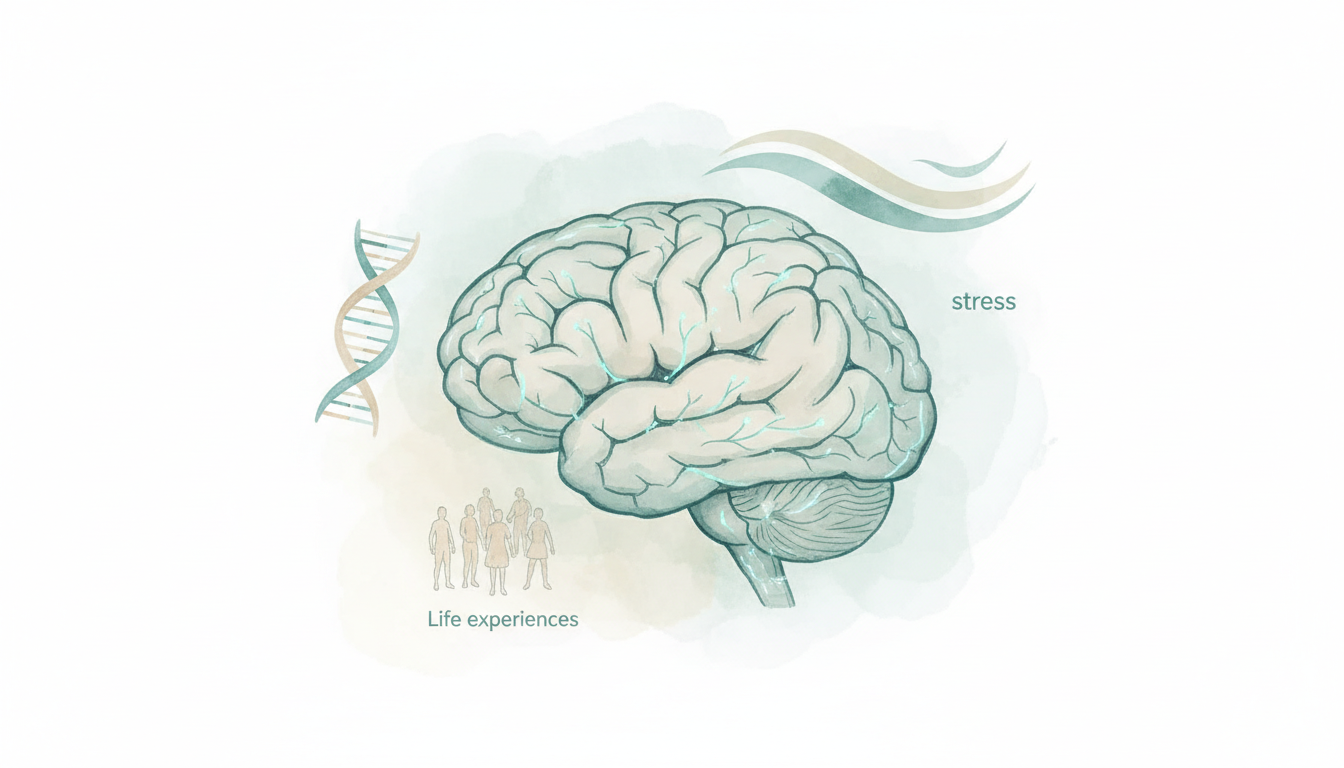
Anxiety Causes: Exploring the Roots of Worry and Fear
Anxiety Causes TL;DR Anxiety can stem from various factors, including genetics, brain chemistry, life experiences, and chronic stress. Understanding these causes is the first step towards...

Anxiety Symptoms: Signs, Causes and When to Seek Help
Recognise the signs of anxiety - physical, emotional and behavioural. Learn what causes anxiety and when to seek professional help.