
What Anxiety Feels Like: A First-Person Guide
Last updated:
Introduction: Putting Anxiety into Words
If you have ever tried to explain anxiety to someone who has not experienced it, you know how inadequate words can feel. “I feel worried” does not begin to capture the crushing weight of dread that settles on your chest. “I’m a bit stressed” does not convey the relentless, spiralling thoughts that refuse to let you rest. “I feel nervous” does not describe the full-body alarm that makes you want to run, hide, or simply cease to exist.
Anxiety is one of the most common mental health conditions in the United Kingdom, affecting around 8 million people at any given time according to the Mental Health Foundation. Yet despite its prevalence, many people who experience it feel profoundly alone, convinced that no one else could possibly understand what they are going through.
This article is different from the others in this series. Rather than focusing on clinical descriptions and diagnostic criteria, it aims to describe what anxiety actually feels like from the inside. It draws on common experiences reported by people living with anxiety in the UK, gathered from mental health organisations, support groups, and clinical literature. If you recognise yourself in these descriptions, know that you are not alone, and that what you are feeling has a name, a cause, and a treatment.
The Morning Dread
For many people with anxiety, the worst moment of the day comes before they have even got out of bed. There is a brief, merciful moment upon waking when your mind is blank. Then it starts. The worry floods in like water pouring through a crack, and within seconds, your body is tense, your heart is beating faster, and a heavy sense of dread has settled over you like a lead blanket.
You have not even opened your eyes, and already the day feels overwhelming. You run through everything that lies ahead, every meeting, every interaction, every possible thing that could go wrong, and you wonder how you are going to get through it. Some mornings, the thought of facing the day is so overwhelming that getting out of bed feels like the hardest thing you have ever done.
This experience is extremely common. Mind describes the “morning anxiety” phenomenon as one of the most frequently reported experiences among people with generalised anxiety disorder. It happens because cortisol levels naturally peak in the early morning, a process known as the cortisol awakening response, and in people with anxiety, this natural rise can trigger an exaggerated stress response.
The Constant Background Hum
Many people with anxiety describe it not as a series of distinct episodes but as a constant presence, a low-level hum of unease that never quite goes away. It is like a radio tuned to a station that only broadcasts worry, playing quietly in the background at all times.
You can sometimes turn the volume down, perhaps by keeping busy, exercising, or spending time with people who make you feel safe. But it is always there, ready to surge back at the slightest provocation: an unexpected phone call, a vaguely worded email, a slight pain in your body, a passing thought about the future.
This persistent, low-grade anxiety is exhausting precisely because it is unrelenting. You never fully relax. You never completely switch off. Even during moments that should be enjoyable, a meal with friends, a holiday, a quiet evening at home, there is a part of your brain scanning for threats, waiting for something to go wrong. The NHS describes this chronic state of heightened alertness as a core feature of generalised anxiety disorder.
The Spiral
One of the most distressing aspects of anxiety is the way thoughts can spiral rapidly out of control. It often starts with something small: a twinge of pain, a comment from a colleague, a news headline. Then your mind grabs hold of it and runs.
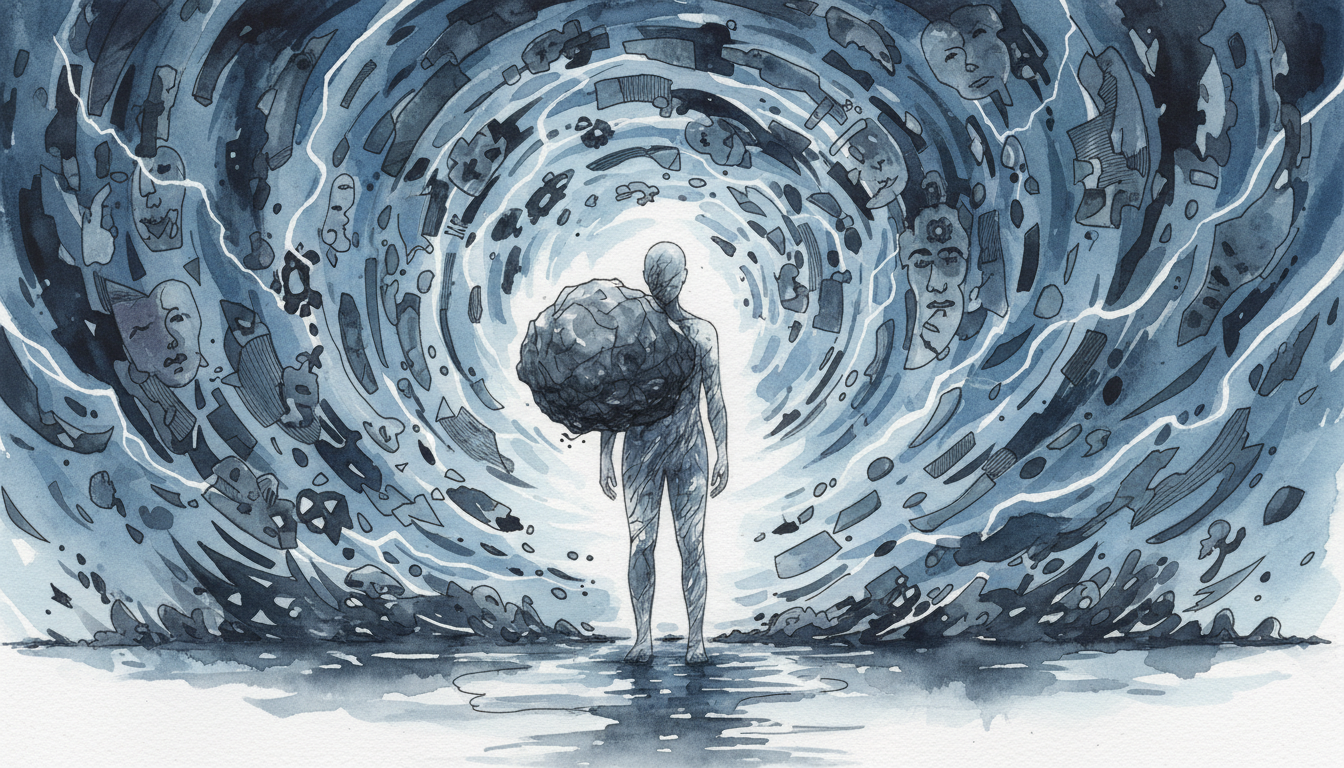
The twinge becomes a possible illness. The illness becomes a serious disease. The serious disease becomes a terminal diagnosis. Within minutes, you have mentally planned your own funeral. The rational part of your brain knows this is absurd. But the anxious part is louder, more insistent, and far more convincing.
This spiral of catastrophic thinking is one of the hallmarks of anxiety. Cognitive behavioural therapists call it “catastrophising,” and it is driven by the brain’s threat-detection system, which is designed to anticipate and prepare for danger. In anxiety, this system is overactive, generating worst-case scenarios at lightning speed. The spiral feels so real and so urgent that it can be almost impossible to interrupt without specific techniques or professional support.
The Physical Storm
Anxiety is not just in your head. It is in your body, and sometimes the physical sensations are the most overwhelming part. Imagine this: you are sitting at your desk at work, and suddenly, out of nowhere, your heart starts pounding. Your chest tightens. Your hands go cold and clammy. You feel dizzy. Your stomach drops. You struggle to breathe.
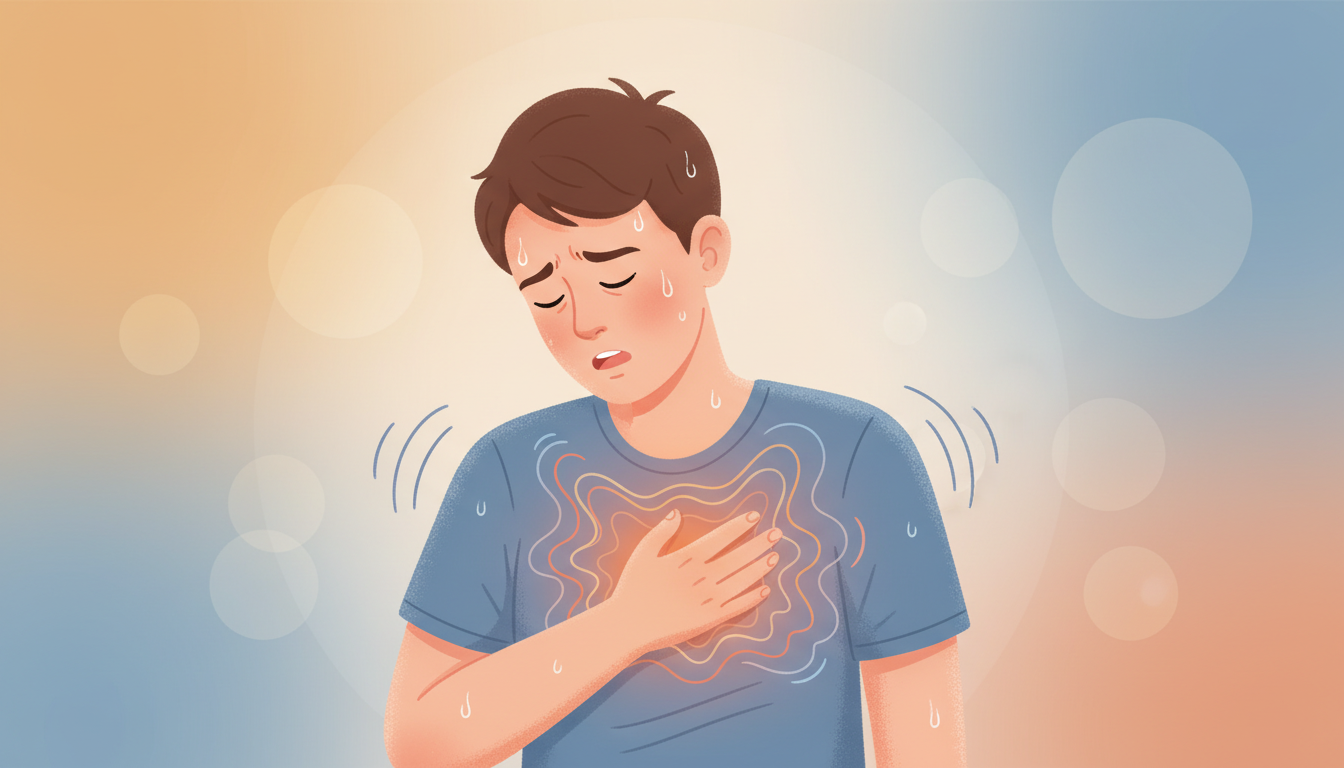
There is no obvious reason for it. Nothing has happened. No one has said anything threatening. But your body is responding as though you are in mortal danger. Every instinct is screaming at you to run, to escape, to get to safety, but there is nothing to run from.
This is what a panic attack can feel like, and it is as frightening as it sounds. The NHS notes that many people experiencing their first panic attack go to A&E, genuinely believing they are having a heart attack. The symptoms are that intense and that convincing. Even when you know it is “just” anxiety, the physical symptoms feel anything but trivial. They are as real and as overwhelming as any physical illness.
The Avoidance Trap
When certain situations consistently trigger intense anxiety, it is natural to start avoiding them. At first, the avoidance seems logical. Why put yourself through that? Why go to the party if it is going to make you feel terrible? Why take the motorway if it makes your heart race? Why speak up in the meeting if your voice is going to shake?
But avoidance is a trap. Each time you avoid something, the relief you feel teaches your brain that the situation really was dangerous and that avoidance was the right response. Over time, the list of things you avoid grows. Your world gets smaller. Places you used to go, things you used to do, people you used to see, all gradually fall away as anxiety draws ever-tighter boundaries around your life.
You might cancel plans at the last minute, then feel guilty. You might make excuses to avoid social gatherings, then feel lonely. You might turn down opportunities at work, then feel frustrated with yourself. The avoidance protects you from anxiety in the short term but steals from you in the long term. Cognitive behavioural therapy specifically targets this avoidance cycle, helping you gradually face feared situations and discover that you can cope with the anxiety they produce.
The Exhaustion
One of the aspects of anxiety that people find hardest to explain to others is the sheer exhaustion. “But you haven’t done anything,” someone might say, not understanding that you have been running a mental marathon all day. Your brain has been working overtime, scanning for threats, generating worst-case scenarios, maintaining a state of high alert, and managing the physical symptoms of a body flooded with stress hormones.
By evening, you are often completely drained. Not the pleasant tiredness that comes from a productive day, but a deep, bone-level exhaustion that feels disproportionate to what you have actually done. You might fall asleep easily from pure exhaustion, only to wake at 3am with your mind already racing. Or you might be too wired to sleep at all, lying in bed while your body is tired but your brain refuses to switch off.
This fatigue is one of the most common symptoms of generalised anxiety disorder, listed as a diagnostic criterion by both the NHS and NICE. It is not a sign of laziness. It is the natural consequence of a nervous system that is working far harder than it should need to.
The Loneliness
Anxiety can be an incredibly isolating experience. You may feel unable to explain what you are going through, convinced that others would not understand or would think less of you. You might smile and say “I’m fine” when someone asks how you are, because the truth feels too complicated, too embarrassing, or too frightening to share.
You may pull away from friends and family, either because social situations trigger anxiety or because you do not want to be a burden. You might look at other people going about their lives apparently effortlessly and wonder what is wrong with you. Why can everyone else manage when you can barely get through the day?
But the reality, hidden behind closed doors and brave faces across the UK, is that millions of people are having exactly the same experience. One in six adults in England experiences a common mental health problem in any given week, according to Mind. You are far from alone, even when it feels that way.
The Guilt and Self-Criticism
Anxiety often brings with it a heavy burden of guilt and self-criticism. You may feel guilty for cancelling plans, for not being as productive as you think you should be, for needing reassurance, or for being unable to “just get on with it.” You may criticise yourself for being “weak,” “pathetic,” or “ridiculous” for feeling anxious about things that other people seem to handle without difficulty.
This self-criticism is both unfair and counterproductive. Anxiety is a medical condition, as real as asthma or diabetes, and you would not criticise someone with asthma for struggling to breathe. The self-blame is itself a product of the anxiety, a thinking pattern that CBT can help you identify and challenge.
But There Is Hope
If you have read this far and recognised yourself in these descriptions, it is important to end on a note of hope. Anxiety is one of the most treatable mental health conditions. The experiences described in this article, as overwhelming and permanent as they may feel, are not inevitable features of your life. They are symptoms of a condition that responds well to treatment.

Cognitive behavioural therapy, available free through NHS Talking Therapies, is highly effective at changing the thought patterns and behaviours that maintain anxiety. Medication can help where anxiety is moderate to severe. Self-help strategies, including exercise, breathing techniques, mindfulness, and reducing caffeine and alcohol, can all make a meaningful difference.
Recovery from anxiety is not usually a straight line. There will be good days and difficult days. But the trajectory, with the right support, is upward. Millions of people in the UK have found their way through anxiety, and you can too.
When to Seek Help
If the experiences described in this article are a regular part of your life and are affecting your ability to function, enjoy life, or maintain relationships, please reach out for support. You deserve help, and you do not need to wait until things reach crisis point.
- Your GP: A good first step for assessment and referral.
- NHS Talking Therapies: Self-refer in most areas of England for free talking therapy.
- Mind Infoline: 0300 123 3393 for information and support.
- Anxiety UK: 03444 775 774 for specialist anxiety support.
- Samaritans: 116 123, available 24/7 for anyone in distress.
- Shout Crisis Text Line: Text “SHOUT” to 85258.
- 999 or A&E: If you are in immediate danger.
Asking for help is not a sign of defeat. It is the bravest thing you can do. And it is the first step towards reclaiming your life from anxiety.
Related Articles

Anxiety Causes: What Triggers Anxiety and Why
What causes anxiety? Explore the triggers, risk factors and underlying reasons anxiety develops - and what you can do about it.
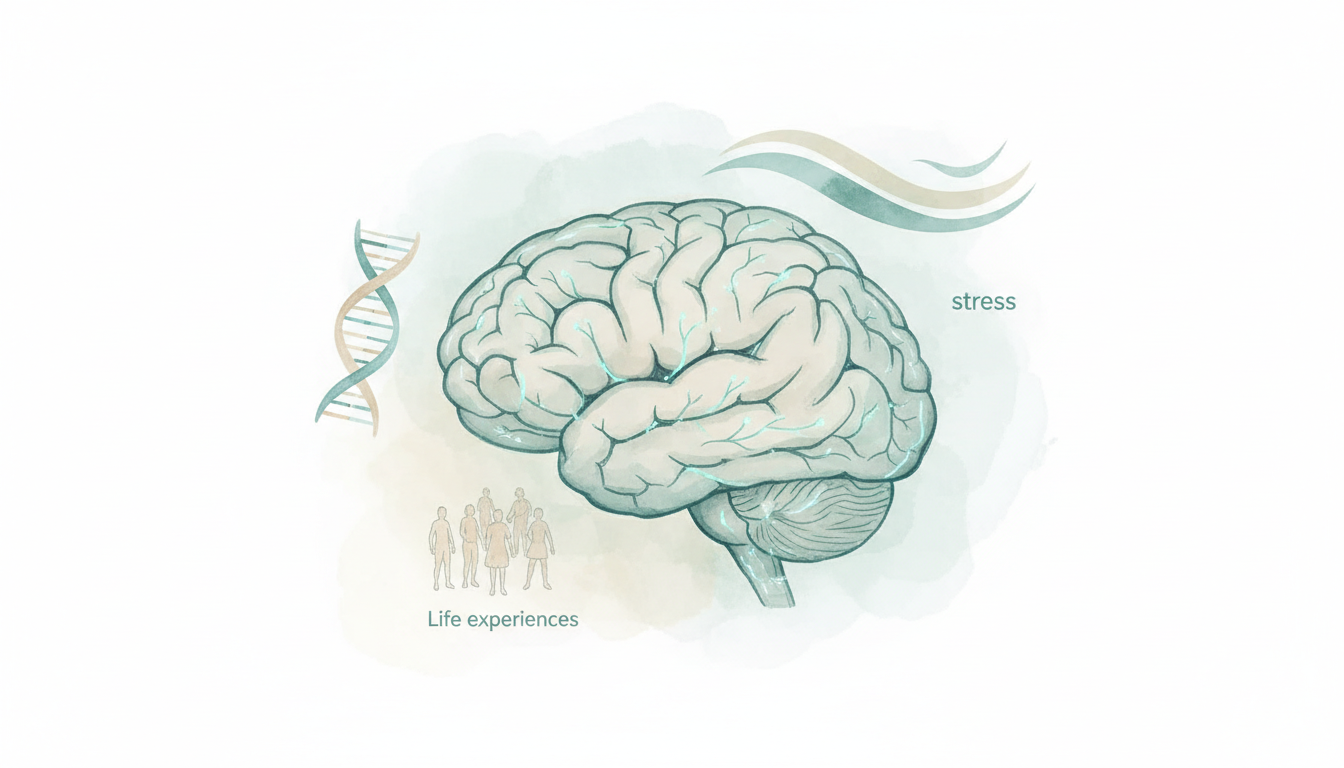
Anxiety Causes: Exploring the Roots of Worry and Fear
Anxiety Causes TL;DR Anxiety can stem from various factors, including genetics, brain chemistry, life experiences, and chronic stress. Understanding these causes is the first step towards...

Anxiety Symptoms: Signs, Causes and When to Seek Help
Recognise the signs of anxiety - physical, emotional and behavioural. Learn what causes anxiety and when to seek professional help.