School Morning Routine for Anxious Children (Calm Start)
Last updated:
School mornings can feel like a knot in the stomach. He might wake early with a tummy ache or snap over socks that do not feel right, then refuse breakfast and cling at the door. You are not alone, and there is a way to make mornings steadier.
A predictable routine tells his brain there is nothing to fear. When he knows what happens next, the body’s stress response settles, sleep and appetite improve, and he can focus better in class. This is especially helpful if he already struggles with worries, social stress, or has traits linked with ADHD or autism.
In this guide, you will get a simple, repeatable plan that starts the night before. We will cover early wake-ups that give room to breathe, a visual checklist that takes guesswork out, easy breakfasts that keep energy steady, and quick calming tools like slow breathing. You will also learn how to practise the routine ahead of time, talk through worries without feeding them, and praise small wins that build confidence.
Ready to set up a calm, child-friendly school morning routine that actually sticks? Let’s map it out so he feels safe, you feel in control, and the day begins on solid ground.
Why Morning Anxiety Hits Hard and How a Routine Can Help
Mornings are tricky because bodies and brains are shifting from sleep to action. For an anxious child, that shift can feel like stepping onto a moving train. Hormones rise, the clock is ticking, and school brings unknowns. A calm routine softens the edges. It gives structure, reduces choices, and signals safety. Predictable mornings are linked with lower stress and steadier focus, which sets your child up for a better school day. The aim is not perfection, it is safety and control.
Spotting the Signs of School Jitters in the Morning
Some signs are loud, others are quiet. You may notice:
- Tummy aches, headaches, or extra bathroom trips
- Fidgeting with clothes, socks, or hair
- Moving very slowly or freezing when asked to get dressed
- Irritability, tearfulness, or clingy behaviour
- Refusing breakfast or saying they feel sick
- Going quiet and avoiding eye contact
These signs are common in anxious children and do not mean something is wrong with you or your child. The NHS lists similar behaviours in anxious kids, like sleep issues, clinginess, and tearfulness, which often show up around school time. See more signs on the NHS page, anxiety in children.
Quick ways to show you get it, without adding pressure:
- Name the feeling: “Mornings feel tight in your tummy. I get it.”
- Keep your voice low and steady. Slow your pace.
- Offer one small step: “First socks. I will sit with you.”
- Give a simple choice: “Blue top or red top?”
- Use a short co-regulation tool: 5 slow breaths together.
- Sips of water, soft snack, or a two-minute cuddle.
- Skip long talks. Save problem-solving for later in the day.
The Power of Predictability for a Smoother Start
Rushing feeds anxiety. Predictability calms it. Routines cut down on surprises and decision fatigue, which lowers morning stress and improves attention in class. Many families find that when the steps are clear, children feel safer and more in control. For a helpful overview of morning anxiety patterns and supports, see Handspring Health’s guide, Morning Anxiety in Children.
Make the morning feel easier with:
- Visual charts: A picture checklist for wash, dress, breakfast, bag, shoes.
- One-step prompts: “Now socks.” Then praise the step.
- Time anchors: Music playlist or sand timer, not strict deadlines.
- Micro-routines: Same order every day, short and repeatable.
- Prep the night before: Bag packed, clothes chosen, breakfast plan ready.
- Practise when calm: Walk through the routine on a weekend.
A simple, repeatable routine helps both child and carer breathe. It adds safety, trims arguments, and turns a hard hour into something you can both manage.
Crafting Your Child’s Calming Morning Routine Step by Step
Small, steady steps turn hectic mornings into calm, repeatable moments. Start slow, set a gentle tone, and give your child a bit of control. The aim is a simple flow that works for your family, not a perfect script.
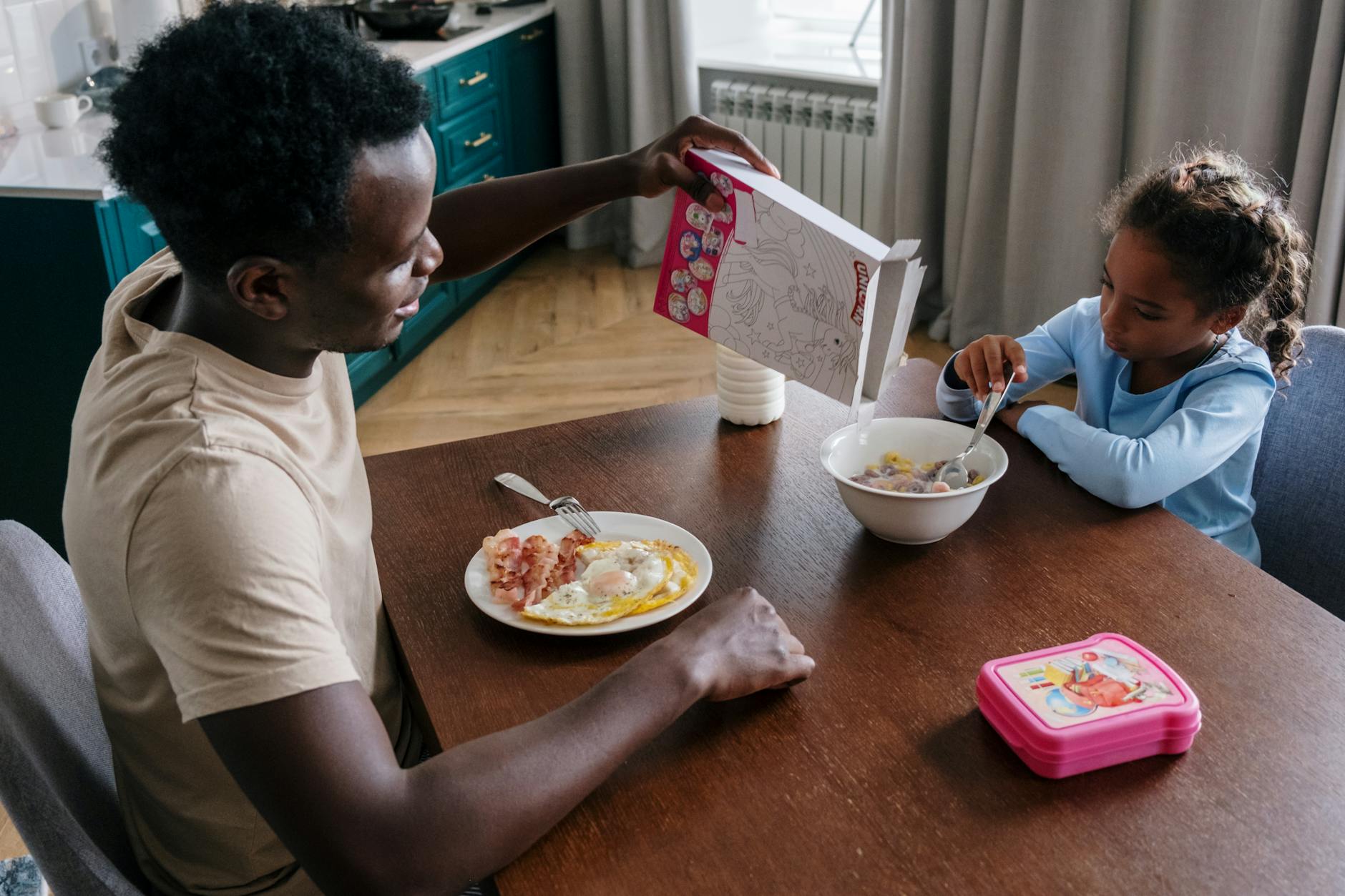 Photo by cottonbro studio
Gentle Wake-Up: Easing into the Day Without the Rush
Set the morning up by waking 45 to 60 minutes early. Think soft edges rather than sharp starts. Use a low-volume alarm, dim lights, and a few minutes of cuddles or quiet chat. Open curtains to let in natural light. This helps the brain shift from sleep in a calm way.
Keep screens off. Bright screens can spike alertness and mood swings, which makes anxiety worse. If worry shows up, try a short routine:
- 3-3-3 Breathing: Breathe in for 3, hold for 3, out for 3, repeat five times.
- Squeeze and release: Tighten hands for 5 seconds, then relax.
- Grounding: Name three things you see, two you hear, one you can touch.
Offer a comfort item like a favourite soft toy, hoodie, or smooth pebble for the pocket. A small ritual helps too, for example a stretch, a sip of water, and a hug before getting dressed. For more simple calming ideas you can try together, see PBS Parents’ tips on a calming morning routine.
A Nutritious Breakfast That Soothes the Nerves
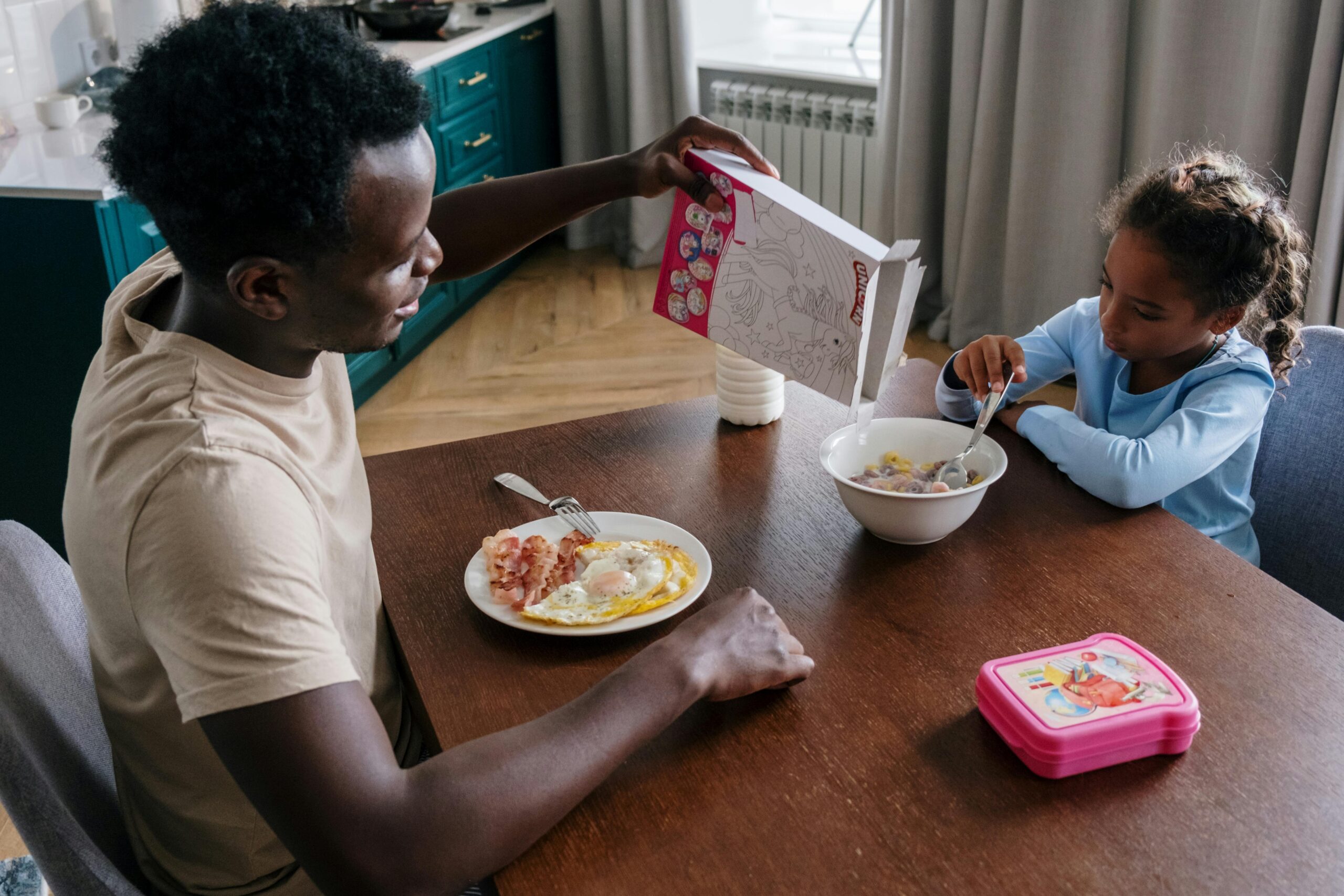
Aim for protein-rich, simple foods that keep energy steady. Serve breakfast at the table without rushing. Sit together if you can, even for five minutes. Keep chat light and predictable.
If appetite is low, offer small choices to boost control and reduce stress:
- Yoghurt with berries, or peanut butter on toast
- Scrambled egg with toast fingers, or a banana and milk
- A smoothie with milk, oats, and fruit
Think calm and consistent. Reduce noise, avoid lectures, and let your child help with one small task like stirring or choosing a bowl. If eating is hard, start with a tiny portion and praise any bite. A warm drink can be easier to accept on anxious mornings.
Smooth Preparation: Get Ready the Night Before
Evenings are your best friend. Pack the school bag, sort homework, and place it by the door. Choose clothes with your child and lay them out. Decide on shoes, coat, and comfort item. A two-minute preview of tomorrow helps the brain relax.
In the morning, use timers and visual schedules to build independence:
- A picture checklist for wash, dress, breakfast, bag, shoes
- A soft playlist as time anchors for each step
- One-step prompts, then praise: “Now socks. Great job.”
Keep the order the same most days. Use simple language and short pauses. Adjust for age: younger children may need hand-over-hand support, while older ones can tick off steps themselves. If you need a quick refresher on planning ahead, this guide from Child Mind Institute explains how night-before prep cuts stress, see School Mornings Without the Stress.
Finish with a short goodbye ritual at the door, like a squeeze, a phrase you always use, and three slow breaths together. Consistency builds confidence, one calm morning at a time.
Extra Tips to Keep the Routine Going and Reap the Rewards
Small efforts, repeated daily, make mornings steadier and goodbyes calmer. Think of your routine like a low, steady drumbeat that your child can rely on. When life gets messy, come back to the basics and keep it kind, simple, and consistent.
 Photo by Vitaly Gariev
Overcoming Common Hurdles in Morning Routines
Resistance and forgetfulness are normal when anxiety is in the mix. Your job is to support the next small step, not the whole morning at once.
- Gentle prompts: Keep cues short and calm. Try, “Now socks,” then praise.
- Build buy-in: Let your child choose the order or pick the playlist.
- Visuals and timers: Use the picture chart and a soft timer or song.
- Flexible detours: Tough day? Swap a full breakfast for a smoothie, or start dressing with one item.
- Pocket rewards: Offer tiny, instant wins. Stickers, a stamp, or choosing the walk-to-school song.
- Positive goodbyes: Use the same short ritual. Squeeze, phrase, three calm breaths.
- Reset moments: If the routine stalls, pause for five slow breaths, then return to the next step.
Involving your child in planning increases confidence and control. Routines help children feel safe and cut power struggles, which supports emotional regulation and independence. See a clear overview on why routines support mental health in kids at the Kids Mental Health Foundation.
Seeing the Bigger Picture: Lasting Benefits for Your Child
A steady morning pattern does more than get you out the door. Over time, it can:
- Lower overall anxiety due to predictability and fewer surprises.
- Improve focus at school by reducing stress before lessons begin.
- Boost confidence as your child completes steps and hears specific praise.
- Smooth transitions from home to school with fewer meltdowns.
- Strengthen family bonds through calm starts and shared rituals.
Research links regular routines with stronger executive skills, school readiness, and social-emotional growth. If you enjoy data-backed guidance, this review of routines as a protective factor is helpful reading: Routines and emerging mental health.
Track progress with a simple weekly tick-sheet. Note wins, sticky points, and any patterns. If anxiety is constant, worsens, or routines turn into time-consuming rituals, contact your GP. Many families find that CBT and school-based support make a clear difference when daily life is being affected.
You have got this. Keep it kind, keep it consistent, and keep going on the days that feel hard. Small steps, same order, steady praise.
Conclusion
A calm school morning is built, not wished for. The core pieces are simple and repeatable: a gentle wake-up, a clear visual checklist, a steady breakfast with protein, a few short calming tools, and a consistent goodbye ritual. Preparing the night before and using one-step prompts reduces choice overload, which keeps nerves lower and focus higher. If your child has ADHD or autistic traits, the same order, simple language, and small choices make the routine feel safe. If routines harden into time-consuming rituals or anxiety does not ease, speak to your GP. CBT can help, and support is available through NHS services.
Try one small step this week, for example, add a picture chart or start a three-breath door ritual. Notice what works, praise any progress, and keep tweaks small. Small changes, repeated, create big calm over time. If you need extra guidance on obsessions or rituals that creep into mornings, the YoungMinds parent guide to OCD is a helpful starting point: https://www.youngminds.org.uk/parent/a-z-guide/obsessive-compulsive-disorder-ocd/
Thank you for reading. Share what you try and what helps in your home, so others can learn from your wins too.
Related Articles

Relationship Anxiety: Signs, Causes and How to Cope
Relationship anxiety can affect even the healthiest partnerships. Learn the signs, causes, and evidence-based strategies to cope with anxiety in relationships.
Sleep Anxiety: Causes, Symptoms and How to Break the Cycle
Sleep anxiety keeps millions awake at night. Learn what causes it, how to recognise the symptoms, and evidence-based techniques to finally get restful sleep.

Anxiety at Work: Managing Workplace Anxiety Effectively
Workplace anxiety affects millions in the UK. Discover practical strategies to manage anxiety at work and protect your performance.