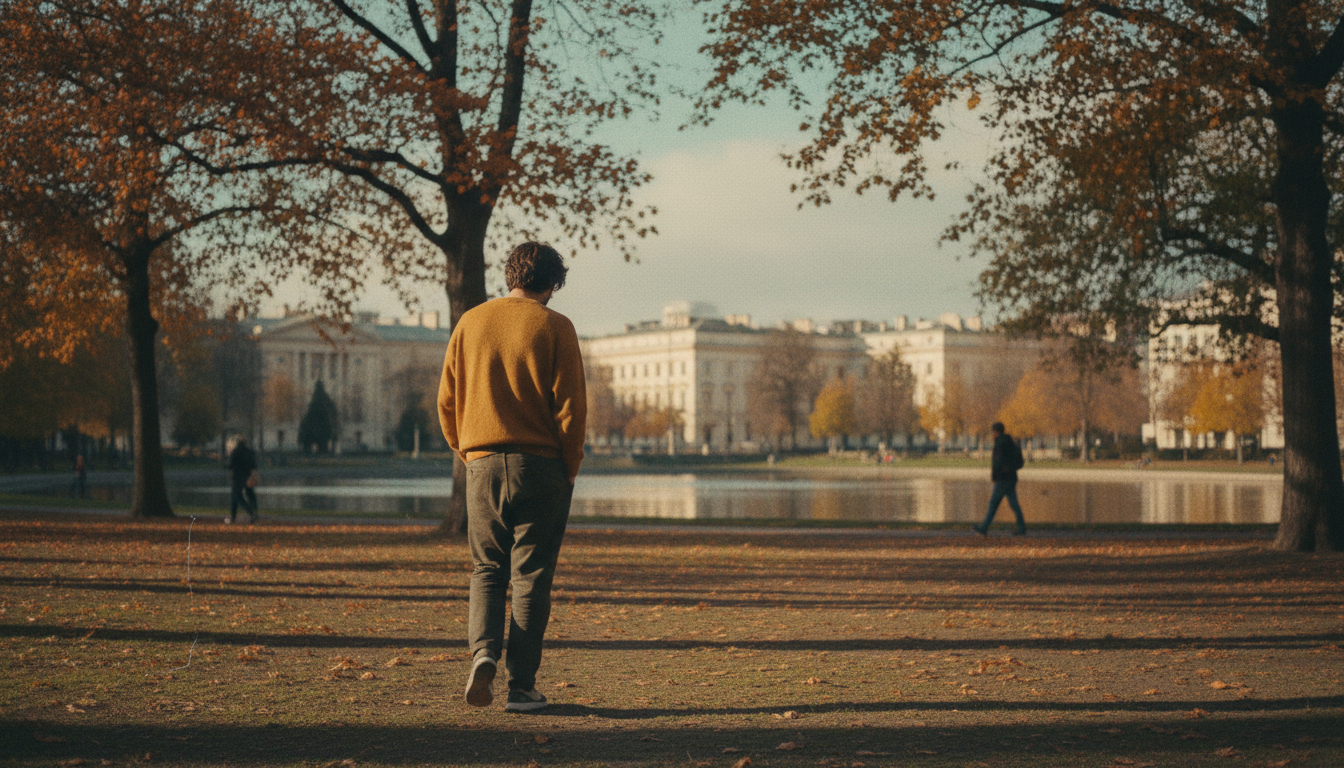
Seasonal Anxiety: Why Changing Seasons Unsettle Your Mind and What Helps
When the Seasons Turn, and Your Mood Turns With Them
Every year, as the light starts to shift, a predictable wave of people notice the same thing: sleep gets patchier, worry gets louder, energy dips, and a low hum of unease settles in that was not there a month earlier. If that sounds familiar, you are not imagining it. Seasonal anxiety is a genuinely common experience, and it earns its place in our anxiety in daily life resources because it arrives on a calendar schedule that most people never connect to their symptoms.
This guide explains what seasonal anxiety is, why the transitions between seasons (especially into autumn and winter) can stir it up, how it relates to seasonal affective disorder without being the same thing, and what practically helps.
What Is Seasonal Anxiety?
Seasonal anxiety is not a standalone diagnosis you will find in a clinical manual. It is a useful name for a real pattern: anxiety symptoms that reliably increase around times of changing daylight, temperature and routine, then usually settle as your body and habits adapt.
For most people this is a transitional effect lasting a few weeks. For others, especially those already prone to anxiety, seasonal shifts act as an amplifier: an existing tendency to worry gets noticeably louder each autumn or each spring. Both patterns are common, and neither means something is wrong with you.
Seasonal Anxiety Symptoms
The symptoms are the familiar signature of anxiety, arriving with a seasonal timestamp:
- Sleep disruption: trouble falling asleep, earlier waking, or feeling unrefreshed as light levels change.
- A restless, keyed-up feeling or its opposite, a flat heaviness that makes ordinary tasks feel bigger.
- More worry than usual, often free-floating rather than attached to a specific problem.
- Physical signs: muscle tension, headaches, a churning stomach, tiredness that arrives earlier in the day.
- Concentration dips and irritability, often worse on grey, changeable days.
- Appetite shifts, particularly cravings for heavier comfort food as winter approaches.
Symptoms tend to fluctuate day to day. If you notice new, severe or unusual physical symptoms such as chest pain, fainting or significant unexplained weight change, see a doctor rather than assuming the season explains them. The NHS overview of anxiety, fear and panic is a good baseline for what general anxiety looks like.
Why Changing Seasons Affect Anxiety
Light is the big one. Your circadian rhythm, the internal clock that governs sleep, alertness and mood, is set daily by light exposure, especially morning light. In the UK the swing is dramatic: from well over sixteen hours of daylight in midsummer to under eight in much of the country in midwinter. As mornings darken, the clock receives weaker wake-up signals, sleep timing drifts, and mood and anxiety regulation both suffer. In its account of seasonal affective disorder, the NHS explains that reduced sunlight may also affect the brain’s production of serotonin and melatonin, the chemistry that steadies mood and times your sleep.
Routine upheaval matters too. Seasonal transitions rarely change light alone. September restarts school and work rhythms. Late October brings the end of British Summer Time, and suddenly it is dark before the working day ends. December compresses social and financial pressure into three weeks. Anxiety thrives on disrupted routines, shortened recovery time and reduced time outdoors, and the turning seasons deliver all three at once.
Anticipation does the rest. Many people’s autumn anxiety is really anticipatory: a dread of the winter ahead, fed by memories of previous difficult ones. As with all anticipatory anxiety, the forecast often generates more distress than the weather itself.
Autumn Anxiety
The late-summer-into-autumn transition deserves its own mention because so many people feel it most sharply. Daylight shortens faster around the equinox than at any other time of year, routines snap back after the summer break, and the year’s remaining months suddenly feel countable. If your worry spikes every September and October, that is a recognisable pattern with recognisable levers: front-load your daylight, protect your routines, and treat the dread of winter as a thought to examine rather than a fact to obey.
Seasonal Anxiety or Seasonal Affective Disorder?
This is the honest conversation this topic needs, because the two overlap and the difference matters.
Seasonal affective disorder (SAD) is a recognised form of depression that follows a seasonal pattern, usually worsening through winter and lifting in spring. The NHS describes core symptoms including a persistent low mood, loss of pleasure in everyday things, lethargy, sleeping more than usual and, notably, feelings of anxiety. Anxiety, in other words, is often part of the SAD picture rather than separate from it.
So which are you dealing with? Nobody can diagnose you from a web page, and this one will not try. But the shape of the experience offers clues. If your seasonal difficulty is mainly worry, restlessness and disturbed sleep while your capacity for enjoyment stays broadly intact, it fits the seasonal anxiety pattern this guide addresses. If persistent low mood, hopelessness and losing interest in things you normally love dominate your winters, that points more towards SAD, and it deserves a GP conversation, because effective treatments exist, including talking therapies and, for some people, medication.
The two can coexist, and the self-help strategies below genuinely help both. But “it might be SAD” is a reason to seek assessment, not a label to quietly carry alone.
What Helps: Light, Routine and Movement
- Get morning daylight, deliberately. Twenty to thirty minutes outside early in the day, a walk, a coffee by a bright window with the curtains fully open, gives your body clock its strongest anchoring signal. Outdoor light is far brighter than indoor lighting even on an overcast British morning. If mornings are your hardest time anyway, our guide to morning anxiety pairs naturally with this.
- Hold your sleep and meal times steady. Consistency is the cheapest circadian medicine there is. Aim for the same wake time daily, including weekends, and regular meals. The two-way relationship between rest and worry is covered in depth in our guide to anxiety and sleep, and if the anxious hours cluster after dark, our night-time anxiety toolkit covers in-the-moment calming.
- Move, preferably outdoors. Even twenty minutes of daily walking combines three helpful ingredients: exercise, daylight and a break from rumination.
- Plan pleasant anchors into the dark months. Anticipatory dread shrinks when the calendar contains things you actually look forward to. Small and regular beats grand and rare.
- Watch the chemical amplifiers. Caffeine and alcohol both nudge anxiety upwards, and both tend to creep up in winter.
- Consider light therapy with realistic expectations. Light boxes are mainly studied for SAD, and the NHS notes the evidence on effectiveness is mixed, though some people clearly find them helpful. Free morning daylight remains the better-evidenced first step.
- Keep a short symptom diary. Two lines a day for a few weeks shows you whether things are settling as you adapt or genuinely persisting, which is exactly what a GP will want to know. Gentle daily practices from our guide to natural remedies for anxiety can round out the routine.
When to Seek Help
Most seasonal anxiety eases within a few weeks as routines and light adjust. Contact your GP if symptoms persist beyond that, clearly interfere with your work, sleep or relationships, return severely every year, or come with the persistent low mood and loss of interest that suggest SAD. In England you can also self-refer directly to NHS Talking Therapies for evidence-based treatment; routes differ in Scotland, Wales and Northern Ireland, where your GP can point the way. Charities such as Mind offer good information and local support options.
If you need urgent mental health advice, contact NHS 111. If you or someone else is in immediate danger, call 999 or go to A&E, and remember the Samaritans are available free on 116 123, any hour, any season.
The seasons will keep turning; that part is not negotiable. But how hard the transitions hit you is far more adjustable than it feels in the middle of a dark October week.
Frequently Asked Questions
What is seasonal anxiety?
Seasonal anxiety is a pattern where worry, tension, sleep disruption or restlessness reliably increases around seasonal transitions, most commonly as summer turns to autumn and winter. It is not a formal diagnosis in its own right, but the pattern is real and widely reported, driven by shrinking daylight, disrupted body clocks and the upheaval of routines. For most people it is temporary and responds well to light, routine and activity-based strategies.
Can seasonal depression cause anxiety?
The two very often travel together. Seasonal affective disorder (SAD) is a type of depression that follows a seasonal pattern, and the NHS lists anxiety among its common symptoms alongside persistent low mood, lethargy and sleep changes. So a winter rise in anxiety can be part of a broader SAD picture, or it can occur on its own. If low mood, loss of interest and hopelessness dominate, speak to your GP, because SAD is treatable.
How long does seasonal anxiety last?
For many people it is a transitional wobble lasting a few weeks while the body clock and daily routines adjust to new light levels, commonly around two to four weeks, though this varies. If symptoms persist for months, return every year with real intensity, or interfere with work, sleep or relationships, that moves beyond ordinary adjustment and is worth discussing with your GP.
Why is my anxiety worse in autumn?
Autumn stacks several triggers at once. Daylight shrinks quickly, the clocks going back make evenings abruptly darker, routines restart after summer, and many people begin anticipating winter with dread. Less morning light also makes it harder for your body clock to keep a steady rhythm, which affects sleep and mood. Getting outside early in the day and keeping regular sleep and meal times counteracts a surprising amount of this.
Do light boxes help with seasonal anxiety?
Light therapy is mainly studied for seasonal affective disorder, and the NHS notes that while some people find a light box helps their symptoms, the research evidence on its effectiveness is mixed. If low winter light clearly affects you, prioritising real morning daylight costs nothing and helps regulate your body clock. If you are considering a light box and have an eye condition or take medication that increases light sensitivity, check with your GP first.
Related Articles
Sleep Anxiety: Causes, Symptoms and How to Break the Cycle
Can't sleep because of stress and anxiety? Learn what causes sleep anxiety, how to recognise the symptoms, and evidence-based techniques to finally get restful sleep.
Morning Anxiety: Why You Wake Up Anxious and How to Stop It
Waking up anxious? Learn why morning anxiety happens, the role of cortisol, and gentle, evidence-based ways to start your day feeling calmer and more in control.
Natural Remedies for Stress and Anxiety: What Actually Works
Do natural remedies for stress and anxiety actually work? We review the evidence, from exercise to herbal options, so you can make informed and safe choices.