
Does Anxiety Go Away on Its Own? What the Evidence Says
Last updated:
Introduction: The Question Everyone Asks
“Will this go away on its own?” It is one of the most common questions asked by people experiencing anxiety, and it is entirely understandable. When you are in the grip of anxiety, you desperately want to know that it is temporary, that one day you will wake up and the knot in your stomach, the racing thoughts, and the constant dread will simply be gone.
The answer, like most things in mental health, is nuanced. It depends on what kind of anxiety you are experiencing, how long you have had it, how severe it is, and what, if anything, you are doing to address it. Some forms of anxiety do indeed pass with time. Others are unlikely to resolve without active intervention.
This article examines what the evidence says about whether anxiety goes away on its own, drawing on UK research, NHS guidance, and NICE recommendations. The goal is not to alarm you but to give you an honest, evidence-based picture so that you can make informed decisions about your own wellbeing.
Understanding the Different Types of Anxiety
Before we can answer whether anxiety goes away on its own, we need to distinguish between different types of anxiety, because the answer is very different for each.
Normal, Situational Anxiety
This is the anxiety everyone experiences in response to specific stressful situations: a job interview, a medical appointment, an exam, a difficult conversation. It is proportionate to the situation, time-limited, and usually resolves once the stressful event has passed.
This kind of anxiety is not a disorder. It is a normal, healthy emotional response. And yes, it does go away on its own. Once the interview is over, the exam is sat, or the conversation is had, the anxiety fades naturally as your stress response system deactivates.
Adjustment-Related Anxiety
Anxiety that develops in response to a major life change or stressful period, such as a bereavement, a relationship breakdown, a house move, or job loss, often improves as you adjust to the new circumstances. This may take weeks or months, but for many people, the anxiety gradually diminishes as the situation stabilises and they adapt.
However, if adjustment-related anxiety is particularly severe, persists for many months, or significantly impairs daily functioning, it may have developed into an anxiety disorder that would benefit from treatment.
Anxiety Disorders
Anxiety disorders, including generalised anxiety disorder, panic disorder, social anxiety disorder, and specific phobias, are clinical conditions that are defined by their persistence, severity, and impact on functioning. These are the conditions where the question of whether anxiety goes away on its own becomes most important.
What Does the Research Say?
The evidence on the natural course of untreated anxiety disorders paints a clear, if somewhat sobering, picture.
Anxiety Disorders Tend to Persist
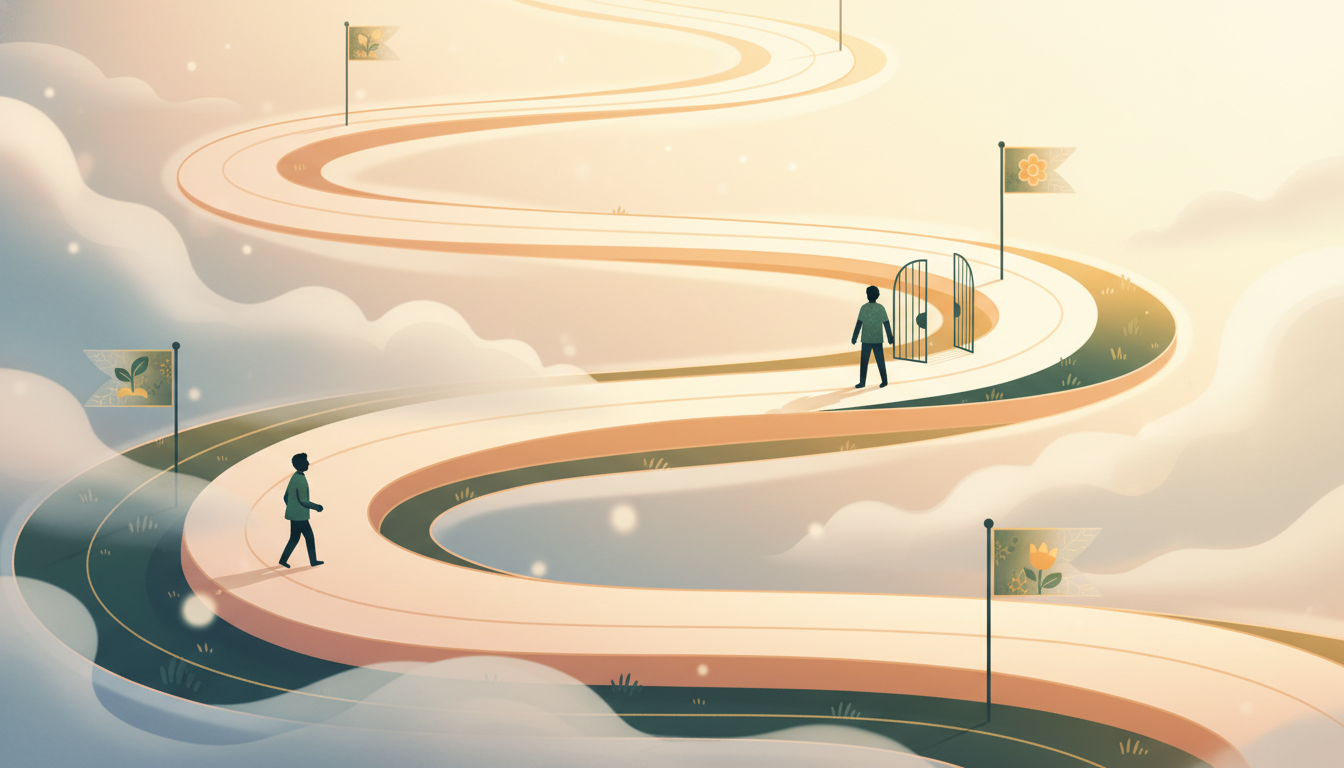
Longitudinal research, studies that follow people over many years, consistently shows that anxiety disorders tend to persist without treatment. A major study published in the British Journal of Psychiatry followed adults with anxiety disorders over 9 years and found that only about one-third experienced full remission without treatment. The remainder continued to experience significant symptoms, either continuously or in a fluctuating pattern of improvement and relapse.
Research from the Netherlands Study of Depression and Anxiety found similar results: without treatment, anxiety disorders had a chronic or relapsing course in the majority of cases. A substantial proportion of people who initially appeared to improve experienced recurrence of symptoms within a few years.
The Longer Anxiety Persists, the Harder It Can Be to Shift
Evidence suggests that the duration of untreated anxiety is an important factor in outcomes. The longer an anxiety disorder goes untreated, the more entrenched the patterns of avoidance, the thinking habits, and the neurological changes associated with chronic anxiety become. This does not mean that long-standing anxiety cannot be treated, as it absolutely can, but it does suggest that earlier intervention tends to produce better outcomes.
NICE guidelines recommend early access to evidence-based treatment for anxiety disorders, partly for this reason. The NHS Talking Therapies programme was designed to reduce waiting times and improve access to psychological therapy across England.
Some Anxiety Disorders Are More Persistent Than Others
Research indicates that different anxiety disorders have different trajectories:
- Generalised Anxiety Disorder: Tends to have a chronic, fluctuating course. Periods of improvement are common, but full, lasting remission without treatment is relatively uncommon. A study in the Journal of Clinical Psychiatry found that GAD without treatment had a remission rate of only about 38 per cent over 5 years.
- Social Anxiety Disorder: Often begins in childhood or adolescence and, without treatment, tends to persist into adulthood. It is one of the most chronic anxiety disorders, with research suggesting that untreated social anxiety rarely resolves on its own.
- Panic Disorder: Can improve spontaneously in some cases, particularly if the initial trigger is removed. However, many people develop ongoing anxiety about having future panic attacks (anticipatory anxiety) and avoidance behaviours that maintain the condition.
- Specific Phobias: Tend to be stable over time. A fear of flying or a needle phobia, for example, is unlikely to resolve without specific exposure-based treatment.
Factors That Influence Whether Anxiety Improves
Even without formal treatment, certain factors can influence whether anxiety improves over time.
Factors That May Help Anxiety Improve Naturally
- Resolution of a stressful situation: If your anxiety was triggered by a specific stressor, such as financial difficulties or relationship problems, resolving that situation can lead to significant improvement.
- Strong social support: Having supportive relationships, people you can talk to, lean on, and spend time with, is one of the strongest protective factors for mental health. The Mental Health Foundation identifies social connection as crucial for emotional wellbeing.
- Healthy lifestyle habits: Regular exercise, adequate sleep, a balanced diet, and limited caffeine and alcohol can all help the nervous system recalibrate.
- Natural resilience and coping skills: Some people naturally develop effective coping strategies over time, learning through experience how to manage anxious thoughts and feelings.
- Life stage changes: Some anxiety, particularly that related to specific life stages such as adolescence or new parenthood, may ease as you move through that period.
Factors That May Prevent Anxiety from Improving
- Avoidance: The more you avoid situations that trigger anxiety, the more entrenched the anxiety becomes. Avoidance is the single most important maintaining factor for most anxiety disorders.
- Ongoing stress: If the sources of stress in your life are chronic and unresolved, anxiety is unlikely to improve significantly.
- Unhelpful coping strategies: Using alcohol, drugs, excessive reassurance-seeking, or other short-term fixes can maintain or worsen anxiety over time.
- Isolation: Withdrawing from social contact removes one of the most important buffers against anxiety.
- Physical health problems: Untreated physical conditions that mimic or contribute to anxiety, such as thyroid disorders, can prevent improvement.
- Co-occurring depression: Anxiety and depression frequently occur together, and when they do, both conditions tend to be more persistent and harder to treat.
What Self-Help Can Achieve
For mild to moderate anxiety, self-help strategies can make a significant difference and may, in some cases, be sufficient to manage symptoms effectively. NICE recommends a “stepped care” approach to anxiety treatment, where self-help is the first step for less severe cases.
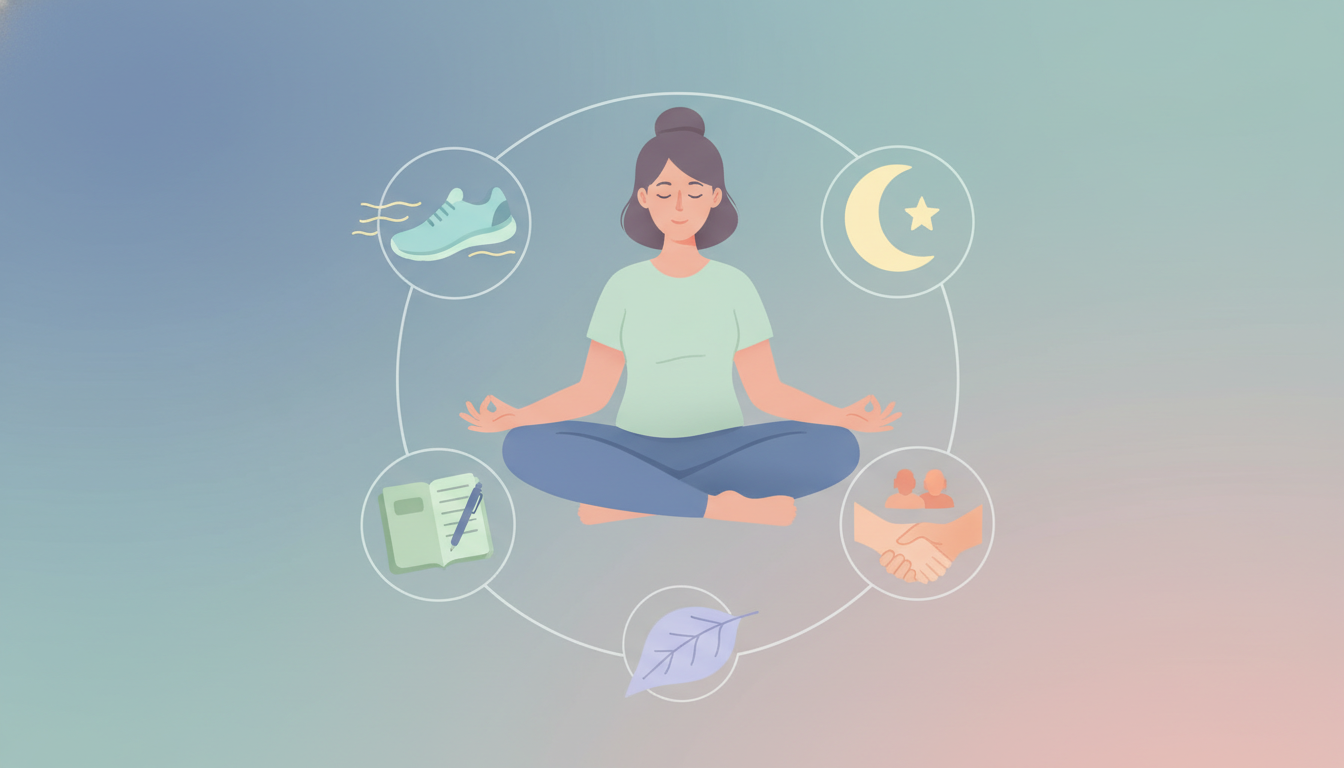
Evidence-based self-help strategies include:
- Regular physical exercise: The NHS recommends at least 150 minutes of moderate activity per week. Exercise reduces stress hormones, releases endorphins, and improves sleep.
- Self-help CBT resources: Books such as “Overcoming Anxiety” by Helen Kennerley or online programmes such as those available through NHS Every Mind Matters can teach you CBT techniques to manage anxious thinking.
- Mindfulness and meditation: Apps such as Headspace or Calm, and free resources from the NHS, can help you develop present-moment awareness and reduce the grip of anxious thoughts.
- Sleep hygiene: Establishing a consistent sleep routine and addressing sleep problems can significantly reduce anxiety.
- Reducing caffeine and alcohol: Both can worsen anxiety symptoms.
- Building social connection: Reaching out to trusted friends or family, joining a support group, or volunteering can all help combat the isolation that anxiety creates.
The key limitation of self-help is that it requires you to be your own therapist, which is difficult when anxiety is impairing your concentration, motivation, and belief in your ability to change. For moderate to severe anxiety, professional support is usually more effective.
When Professional Treatment Is Needed
If self-help measures are not sufficient, or if your anxiety is moderate to severe, professional treatment is recommended. The evidence for professional treatment is strong:
Cognitive Behavioural Therapy: NICE recommends CBT as the first-line psychological treatment for all anxiety disorders. Meta-analyses (studies that combine data from many individual studies) consistently show that CBT produces significant and lasting improvements in anxiety. Response rates for CBT in anxiety disorders are typically between 50 and 70 per cent, with many people maintaining their gains long after treatment ends.
Medication: SSRIs are the first-line medication for most anxiety disorders, as recommended by NICE. They are typically effective within 4 to 6 weeks and can be used alongside talking therapy. For people who do not respond to SSRIs, alternatives such as SNRIs (serotonin and noradrenaline reuptake inhibitors) may be considered.
Combined treatment: For some people, a combination of therapy and medication produces the best results, particularly for severe or long-standing anxiety.
Recovery Is Real
It is important to end this article with a clear and honest message: recovery from anxiety is real and achievable. “Recovery” may not always mean the complete absence of anxiety, since some degree of anxiety is a normal part of being human. But it does mean reaching a point where anxiety no longer controls your life, where you can do the things you want to do, enjoy relationships, pursue goals, and face challenges without being overwhelmed.
Research published in the journal Psychological Medicine shows that with appropriate treatment, the majority of people with anxiety disorders experience significant improvement, and many achieve full remission. People who have struggled with anxiety for years or even decades can and do recover.
The most important message from the evidence is this: while anxiety sometimes improves on its own, waiting and hoping is not the most effective strategy, particularly for established anxiety disorders. Seeking support, whether through self-help, your GP, NHS Talking Therapies, or a mental health charity, gives you the best chance of recovery.
When to Seek Help
Do not wait for anxiety to go away on its own if:
- Symptoms have persisted for several weeks or months without significant improvement.
- Anxiety is getting worse over time rather than better.
- You are increasingly avoiding situations, activities, or people because of anxiety.
- Self-help strategies have not been sufficient to manage your symptoms.
- Anxiety is significantly affecting your work, relationships, or quality of life.
- You are using alcohol or other substances to cope.
- You are experiencing panic attacks, intrusive thoughts, or thoughts of self-harm.
In the UK, help is available through:
- Your GP: For assessment, advice, and referral.
- NHS Talking Therapies: Self-refer for free talking therapy (England).
- Mind: 0300 123 3393 for information and support.
- Anxiety UK: 03444 775 774.
- Samaritans: 116 123, 24 hours a day.
- Shout: Text “SHOUT” to 85258 for crisis support.
You do not have to figure this out alone, and you do not have to wait until anxiety becomes unbearable to ask for help. The sooner you reach out, the sooner you can start feeling better.
Frequently Asked Questions
What Does the Research Say?
The evidence on the natural course of untreated anxiety disorders paints a clear, if somewhat sobering, picture.
What Self-Help Can Achieve?
For mild to moderate anxiety, self-help strategies can make a significant difference and may, in some cases, be sufficient to manage symptoms effectively. NICE recommends a “stepped care” approach to anxiety treatment, where self-help is the first step for less severe cases.
When Professional Treatment Is Needed?
If self-help measures are not sufficient, or if your anxiety is moderate to severe, professional treatment is recommended. The evidence for professional treatment is strong:
When to Seek Help?
Do not wait for anxiety to go away on its own if:
Related Articles
Anxiety Causes: What Triggers Anxiety and Why
What causes anxiety? Explore the triggers, risk factors and underlying reasons anxiety develops - and what you can do about it.
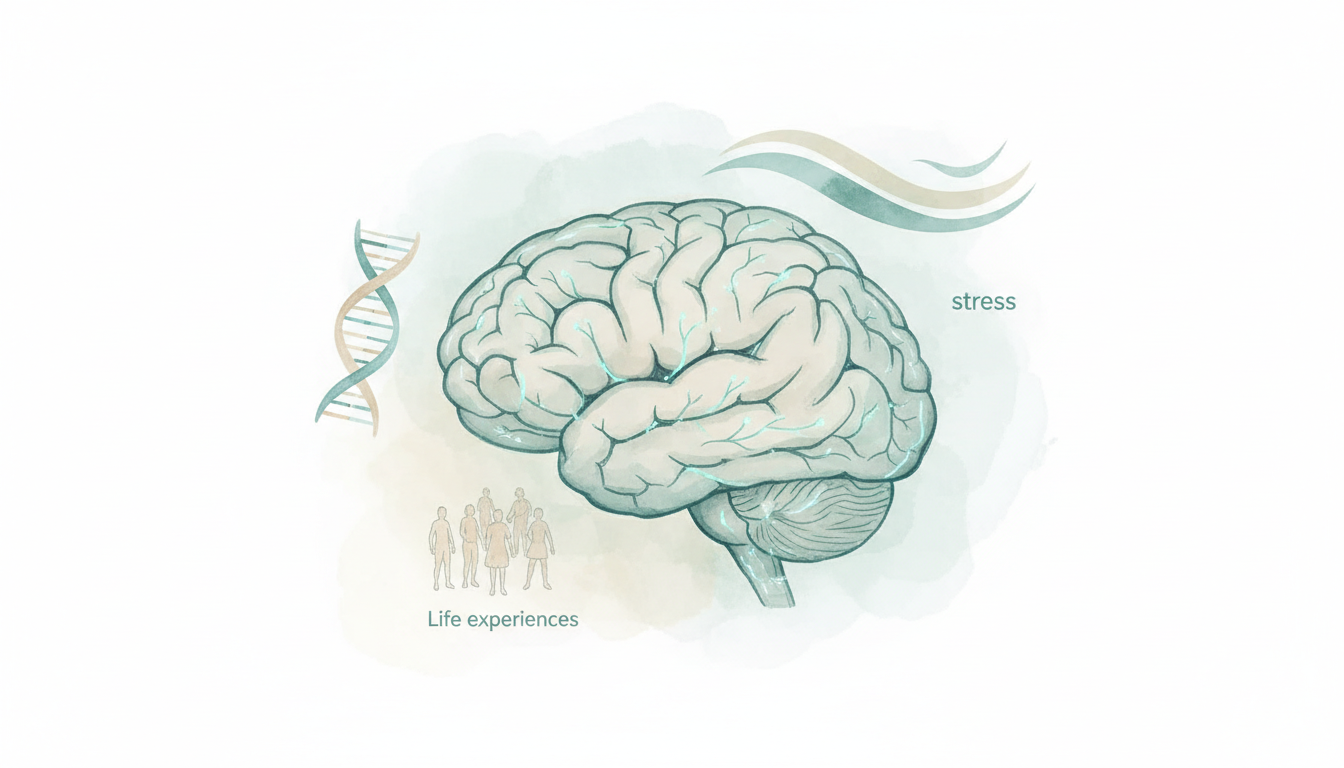
Anxiety Causes: Exploring the Roots of Worry and Fear
Explore the real causes of anxiety: genetics, brain chemistry, stress and life experiences. Understand the roots of worry and fear to start managing it.
Anxiety Symptoms: Signs, Causes and When to Seek Help
Recognise the signs of anxiety - physical, emotional and behavioural. Learn what causes anxiety and when to seek professional help.