
Anxiety Induced Diarrhoea: Why It Happens and How to Calm Your Gut
An important meeting, an exam, an early flight: for many people the first sign of a stressful day is not a racing mind but an urgent dash to the toilet. Anxiety induced diarrhoea is one of the most common and least discussed ways anxiety shows up in the body. If it happens to you, you are not alone, and nothing shameful is going on. It is a direct, physical consequence of how your brain and your gut talk to each other.
This article explains why anxiety can send your bowels into overdrive, how to tell stress-related diarrhoea from other causes, what genuinely helps in the moment, and the warning signs that mean a GP should take a look. It is part of our guide to the physical effects of anxiety, and it completes the digestive picture alongside our pages on anxiety stomach problems, which covers the stomach and upper gut, and nausea from anxiety, which deals with queasiness. This page covers the bowel end of the story.
How anxiety triggers diarrhoea: the gut-brain axis
Your gut has its own extensive nervous system, the enteric nervous system, which is in constant two-way conversation with your brain through the vagus nerve, hormones and neurotransmitters. This network is known as the gut-brain axis, and it is the reason emotions register so quickly in your digestion.
When your brain perceives a threat, it triggers the fight-or-flight response. Stress hormones such as adrenaline and cortisol are released, and the body abruptly reprioritises. Blood is diverted away from digestion towards the muscles, the stomach and upper gut slow down, and the colon does the opposite: it speeds up. Contractions in the large bowel become stronger and more frequent, fluid has less time to be reabsorbed, and the result is urgency, cramping and loose stools.
Serotonin plays a part too. The great majority of the body’s serotonin is found in the gut, where it helps regulate motility, and stress alters serotonin signalling. Emerging research also links chronic stress with changes in the gut microbiome, the community of bacteria that supports normal digestion, which may help explain why a long anxious period can unsettle the bowel for weeks rather than hours.
Signs your diarrhoea is anxiety-related
There is no blood test for stress diarrhoea. The pattern is the clue:
- Timing tracks stress. Episodes cluster first thing in the morning, when cortisol naturally peaks and the day’s worries kick in (see our guide to morning anxiety), or in the hours before exams, interviews, travel or difficult conversations.
- Urgency rather than illness. A sudden, strong need to go, cramping, and loose or watery stools, often with bloating or a feeling of incomplete emptying, but no fever and no sense of being generally unwell.
- It settles when the pressure lifts. Weekends, holidays or simply getting the stressful event over with often bring rapid improvement.
- Other anxiety symptoms arrive with it. A racing heart, tense muscles and butterflies tend to appear alongside, or just before, the gut symptoms.
Is it anxiety, IBS or something else?
There is genuine overlap here. Irritable bowel syndrome (IBS) is a common long-term condition of the gut-brain interaction in which stress is one of the main flare triggers, and its diarrhoea-predominant form looks very similar to anxiety induced diarrhoea. The practical difference is pattern and persistence: occasional episodes clearly tied to stressful moments point to anxiety, while symptoms recurring over months with abdominal pain related to bowel movements fit the NHS description of IBS and deserve a GP conversation, because IBS has its own effective management options.
More important than the label are the red flags. NICE, which writes clinical guidance for the NHS, advises that certain features should always be checked rather than put down to stress:
- Blood in your stools or bleeding from the bottom
- Unintentional weight loss
- Diarrhoea that wakes you from sleep, or a fever alongside it
- A marked change in bowel habit lasting more than six weeks, particularly if you are over 60
- A strong family history of bowel or ovarian cancer, or unexplained anaemia
None of these means something serious is definitely wrong, but each is a reason to see your GP promptly rather than self-manage. The NHS also advises getting help for diarrhoea that lasts more than about a week, whatever you believe the cause to be.
How to calm an episode
- Go when you need to go. Holding on increases cramping and anxiety. Plan your morning so toilet access is not an extra source of stress.
- Sip fluids steadily. Loose stools cost you water and salts. Plain water is usually enough; an oral rehydration solution from a pharmacy helps if episodes are frequent or you feel washed out.
- Slow your breathing. Diaphragmatic breathing with a long out-breath activates the calming branch of your nervous system, which directly dials down gut contractions. Five minutes of the patterns in our breathing exercises for anxiety is a genuinely physical intervention, not just a distraction.
- Eat small and bland. While your gut is irritable, plain toast, rice, bananas and simple soups are easier to handle than fatty, spicy or very large meals.
- Skip the accelerants. Caffeine stimulates the colon as well as the stress response, a double hit explained in our guide to caffeine and anxiety. Alcohol irritates the gut and disturbs sleep, which feeds the cycle.
- For one-off situations. Before a single high-stakes day such as an exam or a long journey, a pharmacist can advise whether a short-term anti-diarrhoeal medicine is appropriate for you. Treat this as an occasional backup rather than a routine, and talk to your GP if you find you need it often.
Preventing anxiety diarrhoea
In the long run, the target is the anxiety rather than the bowel:
- Regular meals at regular times give the gut a predictable rhythm. Skipped meals followed by large ones do the opposite.
- Daily movement and decent sleep both lower baseline stress hormone levels, which the gut notices.
- Build a pre-event routine. If mornings or specific events set you off, rehearse a fixed sequence: wake slightly earlier, eat something small, do five minutes of slow breathing, leave unhurried time for the toilet. Predictability starves the anticipatory anxiety loop.
- Treat the underlying anxiety. NICE recommends cognitive behavioural therapy (CBT) as a first-line treatment for anxiety disorders, and gut-focused CBT teaches you to break the loop in which fear of symptoms produces the symptoms. In England you can refer yourself directly to NHS Talking Therapies; elsewhere in the UK, your GP or local health board can point you to equivalent services.
When to see your GP
Make an appointment if diarrhoea is severe or lasts more than about a week, if any red flag above applies, if you cannot keep fluids down, or if gut symptoms are shaping your life: choosing routes by toilet availability, skipping meals before events, or avoiding travel. Say the word anxiety in the consultation if you suspect it. It changes the conversation usefully, and GPs deal with the gut-anxiety loop every single day.
If you become severely dehydrated (dizziness, confusion, barely passing urine), call 999 or go to A&E. For urgent advice that is not an emergency, contact NHS 111. And if anxiety ever tips into thoughts of harming yourself, Samaritans are free on 116 123, day and night.
The bottom line
Anxiety induced diarrhoea is real, common and mechanically explainable: a threatened brain tells the colon to empty. That knowledge is practical power. Calm the nervous system and the gut follows. Treat the anxiety and the episodes thin out. Get red flags checked, be honest with your GP about stress, and treat your gut for what it is: an accurate, slightly overenthusiastic barometer of how much pressure you are under.
Frequently Asked Questions
Can anxiety really cause diarrhoea?
Yes. When the brain triggers the fight-or-flight response, stress hormones and nerve signals speed up the large bowel, so fluid has less time to be reabsorbed and stools become loose and urgent. It is a normal physiological response to threat, not a sign of anything unusual or shameful.
Why do I get diarrhoea every morning before work?
Cortisol, the main stress hormone, naturally peaks shortly after waking, and anticipatory worry about the day adds to it. Together they stimulate strong colon contractions early in the morning. A calmer, more predictable morning routine with time for breakfast, slow breathing and the toilet usually softens the pattern.
How do I stop anxiety diarrhoea quickly?
Go to the toilet when you feel the urge, sip water steadily, and spend five minutes on slow diaphragmatic breathing with a long out-breath, which directly calms gut contractions. Avoid caffeine, alcohol and heavy meals until things settle. For an occasional high-stakes day, a pharmacist can advise on short-term options.
Is it anxiety or IBS?
The two overlap, and stress is a major trigger for both. Occasional episodes clearly tied to stressful moments point to anxiety, while recurring symptoms over months with abdominal pain linked to bowel movements fit irritable bowel syndrome and should be discussed with your GP. Red flags such as blood, weight loss or night-time diarrhoea need checking whatever the suspected cause.
When should I see a GP about diarrhoea?
See your GP if diarrhoea lasts more than about a week, is severe, or comes with blood in your stools, fever, unintentional weight loss or symptoms that wake you at night. Also go if gut symptoms are limiting your life, for example dictating travel plans or meals. These checks are routine and usually reassuring.
Related Articles
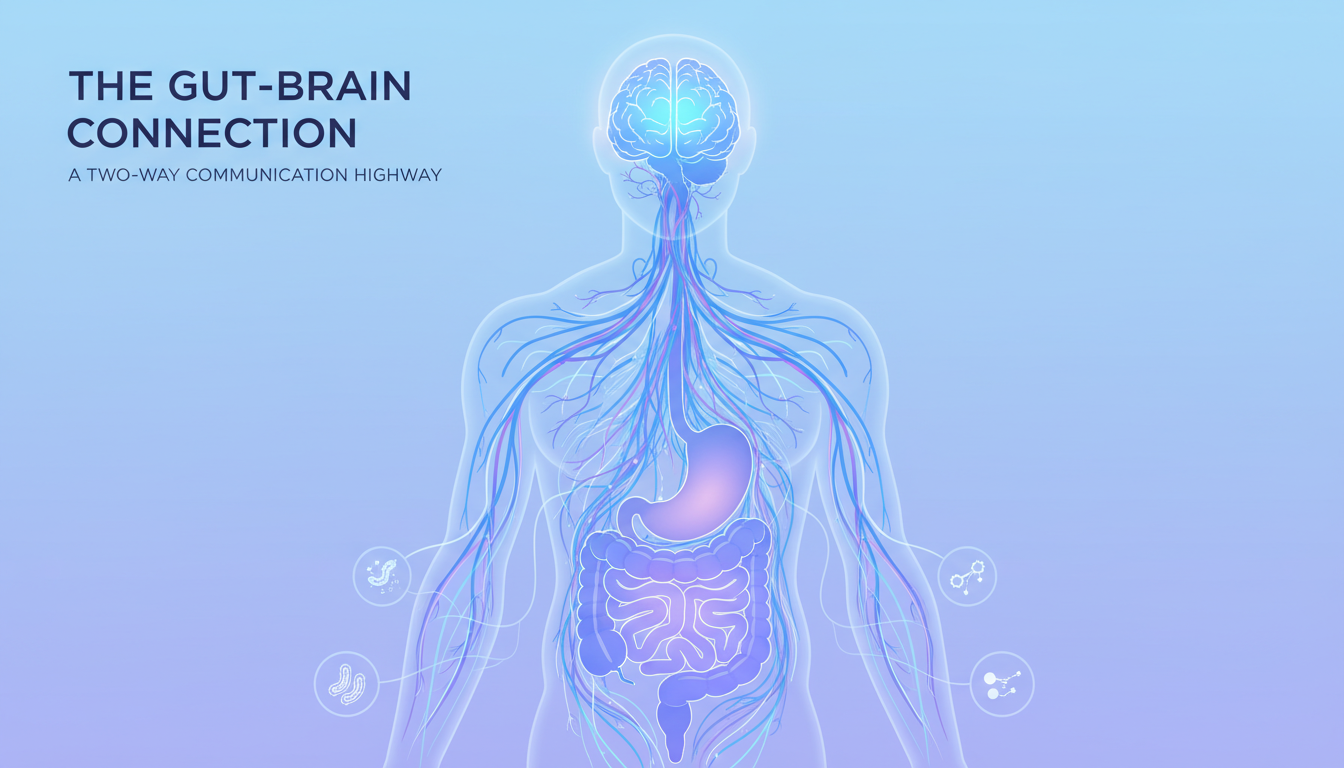
Anxiety and Stomach Problems: Why Anxiety Affects Your Gut
Discover why anxiety causes stomach problems and what you can do about it. Learn about the brain-gut connection, common symptoms, and evidence-based relief.
Caffeine and Anxiety: How Coffee Affects Your Nerves
Does caffeine make anxiety worse? Learn how coffee and energy drinks affect your nervous system, how much is too much, and how to cut back without the crash.
Morning Anxiety: Why You Wake Up Anxious and How to Stop It
Waking up anxious? Learn why morning anxiety happens, the role of cortisol, and gentle, evidence-based ways to start your day feeling calmer and more in control.