
Overcoming Health Anxiety Without Medication: Effective Strategies for Mental Wellness
Last updated:
Health anxiety can be a challenging condition to manage. Many people worry about taking medication to treat their anxiety, but there are effective ways to cope without drugs. You can overcome health anxiety through a combination of therapy, lifestyle changes, and stress management techniques. Dealing with health anxiety doesn’t have to mean relying on medication. Therapy and behavioural changes can help address the root causes of anxiety. Simple lifestyle adjustments like regular exercise and reducing alcohol intake can also make a big difference in managing symptoms. Learning to manage stress and practise mindfulness are key steps in overcoming health anxiety. These techniques can help you stay grounded when anxious thoughts arise. With the right tools and support, it’s possible to reduce health anxiety and improve your quality of life without medication. Key Takeaways Therapy and lifestyle changes can effectively treat health anxiety without medication Regular exercise and stress management techniques help reduce anxiety symptoms Building a support network and practising mindfulness aid long-term anxiety management
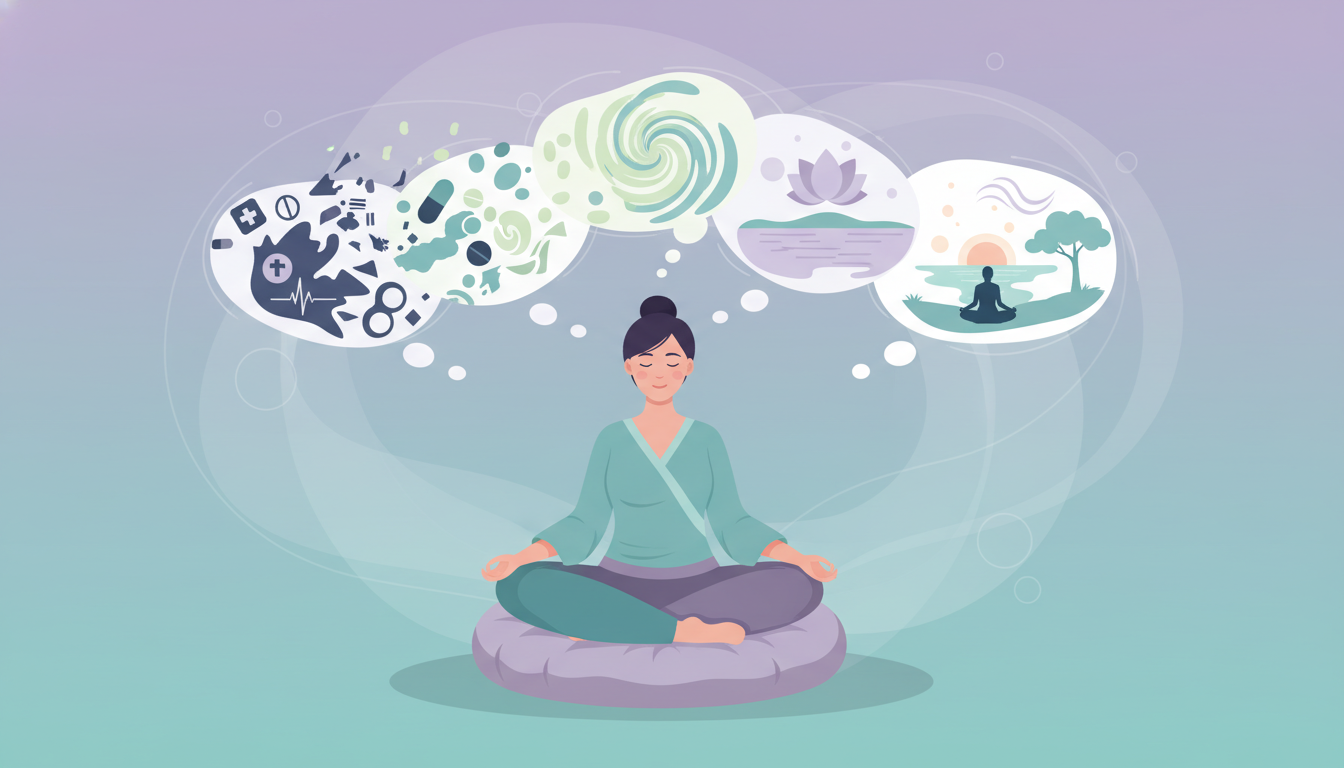
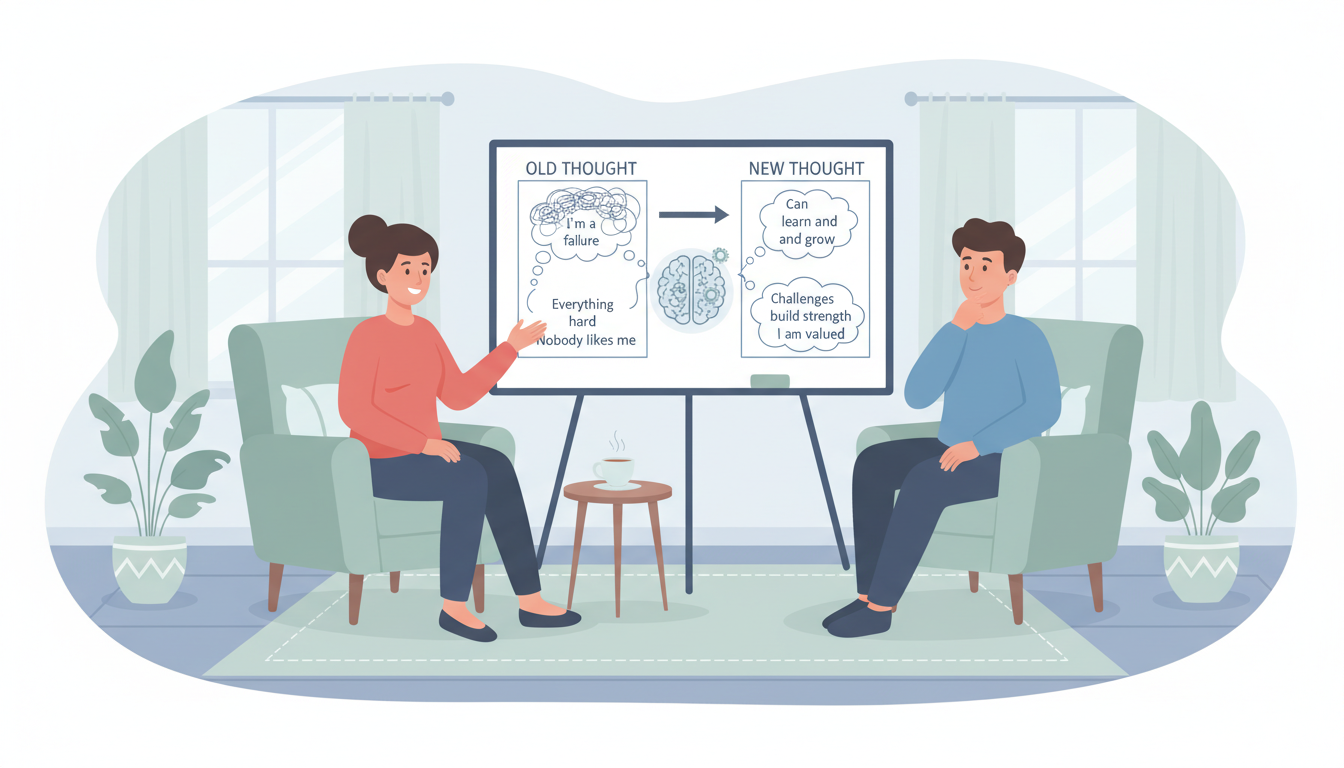
Understanding Health Anxiety Health anxiety is a complex condition that affects many people. It involves excessive worry about one’s health and can significantly impact daily life. Let’s explore the key aspects of this condition. Recognising Anxiety Symptoms Health anxiety often manifests through physical and emotional signs. Common symptoms include: Constant worry about being ill Frequent body checks for signs of illness Seeking reassurance from others about health Obsessively researching medical conditions People with health anxiety may also experience rapid heartbeat, sweating, and trembling. These physical symptoms can further fuel their concerns, creating a cycle of worry. It’s important to note that anxiety symptoms can vary from person to person. Some individuals may focus on specific health issues, while others worry about a range of potential illnesses. The Impact of Anxiety on Daily Life Chronic anxiety can significantly disrupt one’s daily routine. It may lead to: Avoidance of medical appointments due to fear Strained relationships with family and friends Difficulty concentrating at work or school Reduced enjoyment of social activities Health anxiety can also cause sleep problems, affecting overall well-being. Some people might limit their activities or avoid certain situations they perceive as risky to their health. The constant worry can be exhausting, leading to fatigue and decreased quality of life. Differentiating Between Anxiety Disorder and Occasional Anxiety It’s normal to feel anxious about health sometimes, but anxiety disorder is more persistent and intense. Key differences include: Duration: Occasional anxiety is short-lived, while anxiety disorder lasts for months. Intensity: Disorder-level anxiety is more severe and harder to control. Impact: Anxiety disorder significantly interferes with daily functioning. Occasional anxiety might arise from a specific health concern and subside once addressed. In contrast, health anxiety disorder persists even after medical reassurance. If worry about health becomes overwhelming or interferes with daily life, it may indicate an anxiety disorder. Seeking professional help can provide clarity and support in managing these concerns. Mindfulness and Relaxation Strategies Mindfulness and relaxation techniques can help reduce health anxiety symptoms. These practices promote calmness and mental clarity, allowing individuals to better manage their worries and physical sensations. Meditation Techniques Meditation is a powerful tool for easing health anxiety. It involves focusing the mind to achieve a state of relaxation and awareness. One popular method is mindfulness meditation, where you pay attention to the present moment without judgement. To begin, find a quiet spot and sit comfortably. Close your eyes and focus on your breath. When thoughts arise, acknowledge them and gently return your focus to your breathing. Start with short sessions of 5-10 minutes and gradually increase the duration. Guided meditations can be helpful for beginners. These audio recordings lead you through the process, making it easier to maintain focus and learn proper techniques. Progressive Muscle Relaxation Progressive muscle relaxation (PMR) is a technique that involves tensing and then relaxing different muscle groups. This practice helps reduce physical tension and promotes overall relaxation. To practice PMR: Find a comfortable position, either sitting or lying down. Start with your feet. Tense the muscles for 5-10 seconds, then release. Move up through your body, tensing and relaxing each muscle group. Pay attention to the difference between tension and relaxation. Regular practice of PMR can lead to improved body awareness and reduced anxiety symptoms. Deep Breathing Exercises Deep breathing is a simple yet effective way to calm the body and mind. It can be done anywhere, making it a versatile tool for managing health anxiety. Try this basic technique: Sit or lie comfortably. Place one hand on your chest and the other on your belly. Inhale slowly through your nose for 4 counts, feeling your belly rise. Hold for 2 counts. Exhale slowly through your mouth for 6 counts. Repeat this cycle for 5-10 minutes. Deep breathing exercises can help reduce stress and promote relaxation. Practising Mindfulness Daily Incorporating mindfulness into your daily routine can significantly improve your ability to manage health anxiety. Mindfulness involves being fully present in the moment and observing your thoughts and feelings without judgement. Try these simple ways to practice mindfulness: Eat mindfully, focusing on the taste, texture, and smell of your food. Take a mindful walk, paying attention to your surroundings and physical sensations. Practice body scans, mentally checking in with each part of your body. Regular mindfulness practice can help you become more aware of your thoughts and physical sensations, reducing the impact of health anxiety on your daily life. Behavioural and Cognitive Approaches Several effective methods can help manage health anxiety without medication. These approaches focus on changing thought patterns and behaviours to reduce anxiety symptoms. Cognitive Behavioural Therapy (CBT) CBT is a popular treatment for health anxiety. It helps people identify and challenge negative thoughts about their health. A therapist guides patients to recognise unhelpful thinking patterns. They then work together to develop more balanced, realistic thoughts. CBT also teaches coping skills to manage anxiety symptoms. These may include relaxation techniques and problem-solving strategies. Research shows CBT can significantly reduce health anxiety symptoms. Many people see improvements within 12-20 sessions. Exposure Therapy Exposure therapy helps people face their health-related fears gradually. It’s based on the idea that avoiding fears makes them stronger. A therapist creates a list of anxiety-provoking situations. The patient then faces these situations step by step. For example, someone with health anxiety might start by reading about illnesses. They may then progress to visiting a doctor’s office. Over time, exposure helps reduce the fear response. Patients learn that their anxiety decreases naturally with repeated exposure. Behaviour Modification Therapies These therapies focus on changing unhelpful behaviours linked to health anxiety. Common targets include excessive body checking and seeking reassurance. A therapist helps identify problematic behaviours and develop healthier habits. For instance, someone might set limits on how often they check their body for symptoms. Or they might learn to resist the urge to constantly search for health information online. Behaviour modification can help break the cycle of anxiety-driven actions, leading to a reduction in overall anxiety levels. Acceptance and Commitment Therapy (ACT) ACT teaches people to accept their thoughts and feelings without trying to change them. It focuses on living according to one’s values despite anxiety. In ACT, patients learn mindfulness skills. These help them observe anxious thoughts without getting caught up in them. The therapy also helps people identify what’s truly important to them. They then commit to actions that align with these values, even if it causes some anxiety. ACT can be particularly helpful for those who struggle with constant health worries. It teaches them to live fully while accepting uncertainty about their health. Physical Activity and Exercise Exercise plays a key role in managing health anxiety. Regular physical activity provides both mental and physical benefits that can help reduce anxious thoughts and feelings. Benefits of Regular Exercise Regular exercise boosts mood and eases stress. It releases endorphins, which are natural chemicals that make us feel good. Exercise also helps us sleep better at night. Physical activity reduces anxiety symptoms by: • Lowering stress hormones like cortisol • Improving self-esteem and confidence • Distracting from worries • Promoting relaxation Even 30 minutes of moderate exercise 3-5 times a week can make a big difference. Walking, swimming, or cycling are good options to start with. Yoga and Tai Chi Yoga and tai chi combine gentle movement with breathing and mindfulness. These practices can be especially helpful for health anxiety. Yoga improves flexibility and strength whilst calming the mind. It teaches us to focus on the present moment instead of worrying about health fears. Tai chi uses slow, flowing movements. It enhances balance and body awareness. Many find it reduces tension and promotes a sense of calm. Both activities can be adapted for different fitness levels. They work well for people who prefer low-impact exercise. Setting an Exercise Routine Creating a regular exercise habit is important. Here are some tips: • Start small with 10-15 minute sessions • Choose activities you enjoy • Schedule workouts at consistent times • Find an exercise buddy for motivation • Track your progress to stay motivated Gradually increase duration and intensity as your fitness improves. Aim for at least 150 minutes of moderate activity per week. Physical Activity as a Coping Mechanism Exercise can be a powerful tool for coping with health anxiety. When worried thoughts arise, physical activity provides a healthy distraction. Going for a brisk walk or doing some stretches can interrupt anxious thinking. It shifts focus to the body in a positive way. Regular exercise builds resilience to stress and anxiety over time. It gives a sense of control over one’s health, which is empowering for those with health worries.
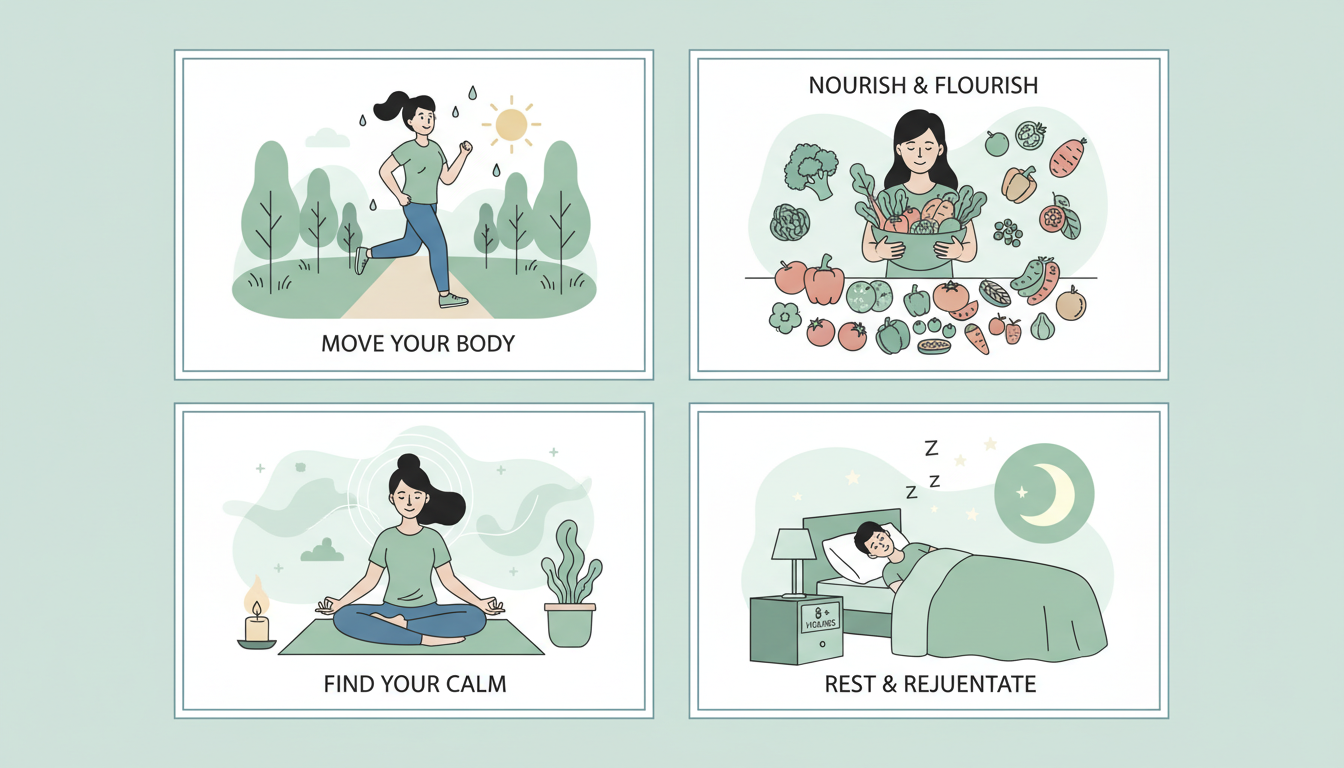
Making physical activity a daily habit creates a go-to strategy for managing anxiety. It’s a natural, medication-free way to improve mental wellness. Diet and Lifestyle Modifications Making changes to your diet and daily habits can help manage health anxiety. These adjustments can improve your overall well-being and reduce anxiety symptoms. Nutrition and Anxiety Eating a balanced diet is crucial for managing anxiety. Foods rich in omega-3 fatty acids like salmon, chia seeds, and walnuts may help reduce anxiety. Complex carbohydrates found in whole grains can boost serotonin levels, promoting calmness. Lean proteins such as chicken, turkey, and eggs contain tryptophan, which aids in serotonin production. Including plenty of fruits and vegetables provides essential vitamins and minerals that support brain function. It’s wise to limit processed foods and sugar, as they can cause blood sugar spikes and crashes, potentially worsening anxiety symptoms. Sleep Hygiene and Bedtime Routine Good sleep is vital for managing anxiety. Establishing a consistent sleep hygiene routine can significantly improve sleep quality. Some helpful practices include: Setting a regular bedtime and wake-up time Creating a relaxing bedtime ritual (e.g., reading, gentle stretching) Keeping the bedroom cool, dark, and quiet Avoiding screens for at least an hour before bed Relaxation techniques like deep breathing or progressive muscle relaxation can also promote better sleep. The Role of Supplements Certain supplements may help reduce anxiety symptoms. However, it’s important to consult a healthcare professional before starting any supplement regimen. Some supplements that have shown promise include: Magnesium: May help regulate neurotransmitters L-theanine: Found in green tea, can promote relaxation Ashwagandha: An herb used in Ayurvedic medicine for stress relief Vitamin B complex: Supports nervous system function While these supplements can be beneficial, they should not replace a balanced diet or professional medical advice. Reducing Caffeine and Sugar Cutting back on caffeine and sugar can have a positive impact on anxiety levels. Caffeine, found in coffee, tea, and some fizzy drinks, can increase heart rate and trigger anxiety symptoms in some people. Sugar can cause rapid spikes and drops in blood sugar, which may mimic anxiety symptoms. Gradually reducing intake of these substances can help stabilise mood and energy levels. Alternatives to consider: Herbal teas like chamomile or peppermint Fresh fruit instead of sugary snacks Water or sparkling water in place of caffeinated drinks Keeping a food diary can help identify any triggers and guide dietary changes. Alternative Therapies Many people find relief from health anxiety through non-medical approaches. These methods can help reduce stress and promote wellbeing without the use of drugs. The Effectiveness of Acupuncture Acupuncture is an ancient Chinese practice that may help ease anxiety symptoms. It involves inserting thin needles into specific points on the body. This can trigger the release of endorphins, which are natural mood-boosters. Studies show that acupuncture may reduce anxiety levels in some people. Regular sessions could lead to long-term improvements in mental health. Some benefits of acupuncture include: Decreased muscle tension Improved sleep quality Enhanced overall relaxation While more research is needed, many find acupuncture a helpful part of their anxiety management plan. Exploring Herbal Remedies Herbal remedies have been used for centuries to calm nerves and promote relaxation. Some popular herbs for anxiety include: Chamomile Lavender Passionflower Valerian root These can be taken as teas, supplements, or essential oils. Chamomile tea, for example, may help reduce anxiety and improve sleep quality. It’s important to note that herbal remedies can interact with other medications. Always consult a healthcare provider before starting any new supplement regimen. Grounding and Earthing Techniques Grounding and earthing are simple yet effective ways to manage anxiety. These practices involve connecting physically with the earth’s surface. Some grounding techniques include: Walking barefoot on grass or sand Sitting or lying on the ground Using grounding mats or sheets These methods may help reduce stress hormones and improve sleep. Many people report feeling calmer and more centred after practising grounding.
Earthing can be done indoors or outdoors. It’s a free and accessible way to potentially reduce anxiety symptoms. Building a Support Network Creating connections with others can ease health anxiety. A strong support system provides comfort, understanding, and practical help when dealing with worries about health. Importance of Social Support Social support is vital for managing health anxiety. Having people to talk to can reduce feelings of isolation and fear. It also gives a different perspective on health concerns. Supportive friends and family can offer reassurance during anxious moments. They may help challenge unrealistic thoughts about illness. Regular social contact can also be a healthy distraction from constant worry. Building strong connections helps create a safety net. This network can provide emotional backing and practical assistance when needed. It’s a key part of coping with health anxiety without medication. Joining Support Groups and Communities Support groups bring together people with similar experiences. For those with health anxiety, these groups offer a chance to share concerns and coping strategies. Many support groups meet in person or online. They provide a safe space to discuss fears without judgement. Members often share tips for managing anxiety and recommend helpful resources. Online forums and social media groups can offer 24/7 support. They allow people to connect with others around the world who understand their struggles. Participating in these communities can reduce feelings of loneliness and provide hope. Creating an Open Dialogue with Loved Ones Talking openly about health anxiety with close friends and family is important. It helps them understand what you’re going through and how to support you. Be clear about your needs. Tell loved ones how they can help during anxious moments. This might include listening without judgement or helping to fact-check health information. Educate your support network about health anxiety. Share articles or resources to help them understand the condition better. This knowledge can improve their ability to offer meaningful support. Set boundaries if needed. Let others know when discussions about health are unhelpful. Building a network that respects your needs is crucial for managing anxiety effectively. Long-Term Management and Resilience Managing health anxiety requires ongoing effort and strategies. Building resilience and maintaining a balanced lifestyle are key to long-term success. Regular self-care and progress monitoring help sustain improvements over time. Cultivating Resilience Resilience is crucial for managing long-term anxiety. It helps people bounce back from setbacks and cope with stress. To build resilience, one can: Practice positive self-talk Set realistic goals Learn from past experiences Develop problem-solving skills Connecting with others is also important. Joining support groups or talking to friends can provide encouragement. Mindfulness and meditation help train the mind to stay calm under pressure. Resilient people view challenges as opportunities for growth. They focus on what they can control and accept what they cannot change. Incorporating Self-Care Activities Self-care is vital for managing health anxiety without medication. It involves activities that promote physical and mental well-being. Some effective self-care practices include: Regular exercise Healthy eating Getting enough sleep Relaxation techniques Engaging in hobbies and creative pursuits can also reduce stress. Reading, gardening, or painting allow the mind to focus on enjoyable tasks. It’s important to make self-care a priority. Scheduling regular time for these activities ensures they become part of one’s routine. Maintaining a Balanced Lifestyle A balanced lifestyle helps prevent anxiety from taking over. This involves managing different areas of life, including: Work or studies Relationships Personal interests Health Setting boundaries is crucial. Learning to say ‘no’ to extra commitments helps avoid overwhelm. Time management skills allow for a good mix of productive and relaxing activities. Limiting screen time can also improve mental health. Excessive use of digital devices can increase anxiety and disrupt sleep patterns. Monitoring Progress and Setbacks Tracking one’s journey is essential for long-term anxiety management. Keeping a journal can help identify triggers and patterns. It also allows one to celebrate small victories. Using a mood tracker app or chart can provide visual feedback. This makes it easier to spot trends and make adjustments as needed. Regular check-ins with a mental health professional can offer expert guidance. They can help refine coping strategies and provide support during difficult times. It’s normal to have setbacks. Viewing them as learning opportunities rather than failures is key to continued progress. Frequently Asked Questions Health anxiety can be managed through various non-medication approaches. These strategies focus on changing thought patterns, behaviours, and lifestyle habits to reduce anxiety symptoms. What strategies can be employed to alleviate severe anxiety without relying on medication? Cognitive behavioural therapy is a powerful tool for managing severe anxiety. It helps people identify and change negative thought patterns. Exercise is another effective strategy. Regular physical activity releases endorphins, which can improve mood and reduce stress. Deep breathing exercises and progressive muscle relaxation can also help calm the body and mind during anxious moments. In what ways can psychological therapies be effective for managing health anxiety? Psychological therapies can help people understand the root causes of their health anxiety. They provide coping mechanisms to deal with anxious thoughts. Exposure therapy can be particularly useful. It gradually exposes individuals to health-related situations they fear, helping them build tolerance. Acceptance and commitment therapy teaches people to accept their thoughts and feelings without judgment. How can lifestyle changes contribute to reducing symptoms of health anxiety? Improving sleep habits can significantly reduce anxiety symptoms. Aim for 7-9 hours of quality sleep each night. A balanced diet rich in fruits, vegetables, and whole grains can support mental health. Limiting caffeine and alcohol intake may also help. Regular social interactions and engaging in enjoyable activities can provide distraction and emotional support. What role do vitamins and supplements play in the management of anxiety disorders? Some studies suggest omega-3 fatty acids may help reduce anxiety symptoms. These can be found in fish oil supplements or fatty fish. Magnesium supplements might help some people feel calmer. However, it’s important to consult a doctor before starting any supplement regimen. B-complex vitamins may help improve mood and reduce stress. They’re found in many foods but can also be taken as supplements. Can engaging in mindfulness and relaxation techniques significantly impact health anxiety? Mindfulness meditation can help people focus on the present moment, reducing worry about future health concerns. Yoga combines physical postures with breathing exercises, promoting relaxation and stress reduction. Progressive muscle relaxation involves tensing and relaxing different muscle groups, helping to release physical tension associated with anxiety. Is it possible for health anxiety to manifest physical symptoms, and how can one address them? Health anxiety can indeed cause physical symptoms. These include rapid heartbeat, sweating, and muscle tension. Recognising these as anxiety symptoms rather than signs of illness is crucial. Keeping a symptom diary can help identify triggers. Learning to tolerate physical sensations through exposure exercises can reduce fear associated with these symptoms.
Related Articles
Anxiety Attack Symptoms: How to Recognise and Respond
Learn to recognise anxiety attack symptoms quickly. Understand what's happening in your body and how to respond with confidence.

Anxiety Attack vs Panic Attack: What’s the Difference?
Anxiety attack vs panic attack - what's the difference? Understand the key distinctions so you can respond effectively in the moment.
Chronic Anxiety: When Anxiety Won’t Go Away
When anxiety won't go away, it can feel overwhelming. Understand chronic anxiety and discover strategies to break the long-term cycle.