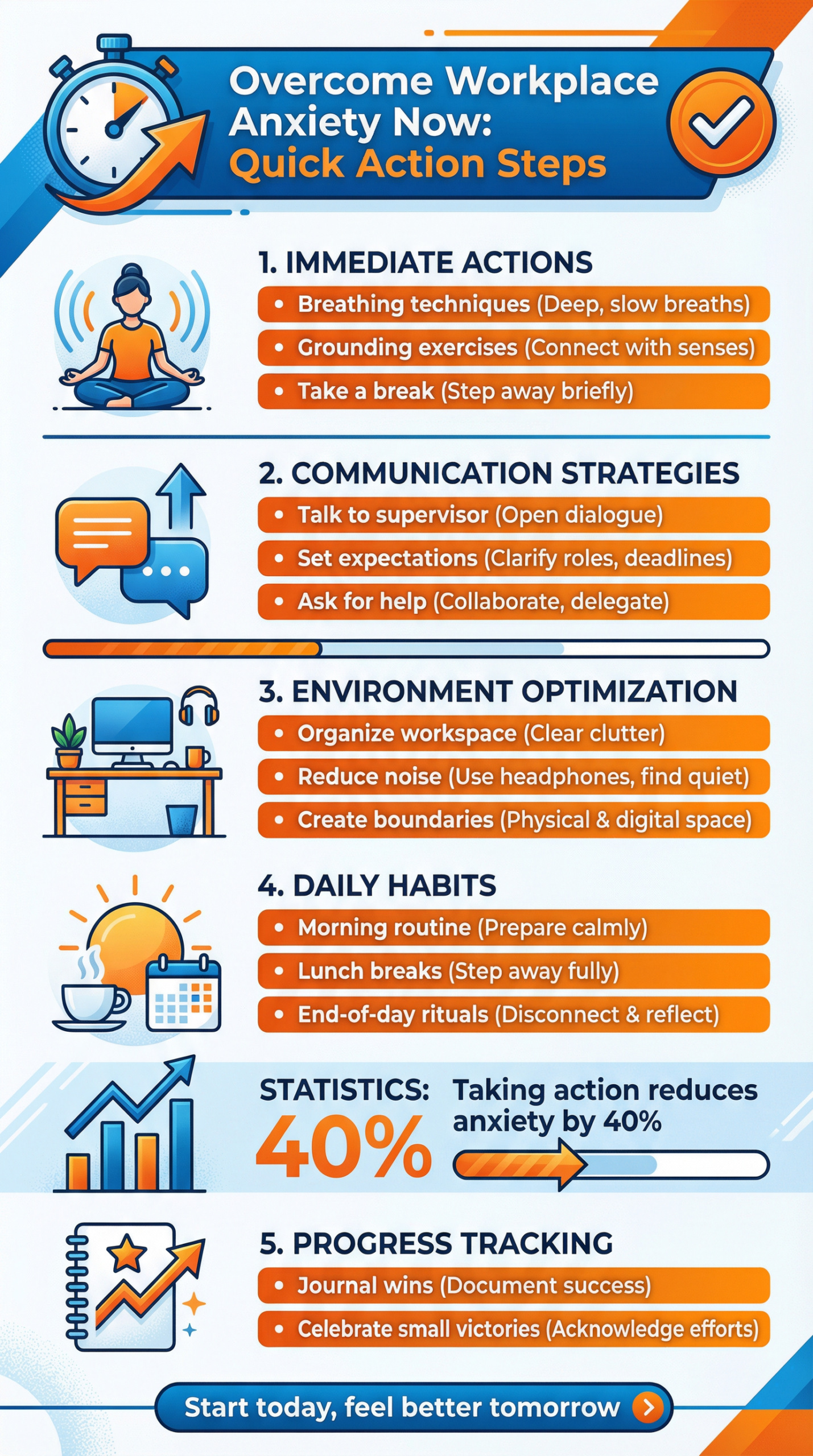
Overcome Workplace Anxiety Now
Last updated:
Understanding the Beast – What Exactly is Workplace Anxiety?
Workplace anxiety is a persistent feeling of worry, apprehension, and dread specifically linked to your job or work environment. It’s more than just a bad day at the office; it’s a chronic state of internal tension that can significantly impair your ability to function and find satisfaction in your role. While often used interchangeably, it’s crucial to distinguish it from everyday stress.
Anxiety vs. Stress: Drawing the Line
Stress is typically a response to an identifiable external pressure, like a looming deadline or a difficult conversation. It’s usually acute and subsides once the pressure is removed. Anxiety, however, is the internal reaction to that stress. It involves persistent, excessive worry that often lingers long after the initial stressor is gone. It’s a future-oriented fear of what might happen, characterized by a sense of impending doom even in the absence of an immediate threat.
This internal struggle manifests in several ways:
- Physical: Headaches, muscle tension (especially in the neck and shoulders), chronic fatigue, stomach issues, and a rapid heartbeat.
- Emotional: Irritability, feeling overwhelmed or “on edge,” a constant sense of dread, and heightened sensitivity to criticism.
- Cognitive: Racing thoughts, difficulty concentrating, memory problems, and a tendency toward catastrophic thinking (imagining the worst-case scenario).
- Behavioral: Procrastination, avoidance of tasks or meetings, a noticeable drop in productivity, and social withdrawal from colleagues.
The Roots of the Problem – Common Triggers of Workplace Anxiety
To effectively manage workplace anxiety, we must first identify its sources. These triggers are often deeply embedded in the structure and culture of our work lives.
- Workload & Performance Pressure: Unmanageable to-do lists, unrealistic deadlines, and a constant fear of underperforming or making a critical mistake create a pressure cooker environment. The modern “always-on” mentality, fueled by digital connectivity, exacerbates this feeling that you can never truly disconnect.
- Lack of Control & Autonomy: Being micromanaged or feeling like a cog in a machine with no ability to influence decisions that directly affect your work can be profoundly disempowering and anxiety-inducing.
- Toxic Culture & Interpersonal Dynamics: Office politics, bullying, lack of support from colleagues or management, and poor communication foster a climate of distrust and fear. For example, a team member who is consistently excluded from key meetings may develop anxiety about their standing in the company.
- Job Insecurity & Financial Fear: In an uncertain economy, the fear of layoffs, contract non-renewal, or not meeting performance targets that are tied to income can be a constant, low-grade source of anxiety.
- Poor Work-Life Balance: When the boundaries between professional and personal life blur, the brain loses its crucial recovery time. Answering emails at the dinner table or working through the weekend prevents the nervous system from resetting.
- Unclear Roles & Expectations: Not knowing what is expected of you, or having conflicting responsibilities from different managers, creates a state of confusion and chronic uncertainty, which is a fertile ground for anxiety.
The High Cost – How Workplace Anxiety Impacts You and Your Organization
The ripple effects of unaddressed workplace anxiety are vast, exacting a heavy toll on both the individual and the organization.
Personal Toll
Chronic anxiety is a significant risk factor for burnout, depression, and insomnia. It can weaken the immune system and, over the long term, increase the risk of cardiovascular issues. Career progression often stalls as individuals may avoid new challenges or promotions due to fear. This can spill over into personal life, straining relationships with family and friends and leading to a general decrease in life satisfaction.
Organizational Toll
For companies, the cost is measured in bottom-line metrics. Anxious employees often experience reduced productivity due to presenteeism—being physically present but mentally disengaged. This leads to increased errors and missed opportunities. Absenteeism rises as employees take sick days for mental health reasons. Perhaps the most costly outcome is high employee turnover, as talented individuals seek healthier environments, forcing the company to bear the expense of recruitment and training. Ultimately, a culture of anxiety stifles innovation, collaboration, and morale.
Your Action Plan – Proactive Strategies for Managing Anxiety
While the challenge is real, you are not powerless. Here is a multi-pronged action plan with practical strategies you can implement today.
A. Master Your Mindset & Internal Dialogue
The stories we tell ourselves shape our reality. Anxiety often speaks in absolutes and catastrophes.
- Cognitive Reframing: Actively identify and challenge negative thought patterns. For instance, if you think, “I’m going to fail this presentation,” reframe it to, “I am well-prepared for this presentation, and I will convey my key points clearly. Any feedback is an opportunity to improve.”
- Practice Self-Compassion: You are your own most constant companion. Talk to yourself as you would a trusted friend who is struggling. Acknowledge that it’s human to feel anxious and that perfection is an impossible standard.
B. Implement Practical, On-the-Job Techniques
Regaining a sense of control over your workday is a powerful antidote to anxiety.
- Time Management & Prioritization: Use methods like the Eisenhower Matrix to categorize tasks by urgency and importance. Alternatively, time-blocking—scheduling specific chunks of time for specific tasks—can prevent the day from feeling like an overwhelming blur.
- The “Two-Minute Rule”: From David Allen’s “Getting Things Done” methodology, if a task takes less than two minutes, do it immediately. This prevents small, nagging tasks from piling up and contributing to mental clutter.
- Set Digital Boundaries: Schedule “no-email” blocks of 60-90 minutes for deep work. Turn off non-essential notifications on your phone and computer after work hours. This creates crucial psychological space.
C. Utilize Physical and Grounding Techniques
Anxiety lives in the body as much as the mind. These techniques can short-circuit the stress response.
- The 4-7-8 Breathing Method: Inhale quietly through your nose for 4 seconds, hold your breath for 7 seconds, and exhale completely through your mouth for 8 seconds. Repeat 3-4 times. This activates the parasympathetic nervous system, promoting calm.
- The 5-4-3-2-1 Grounding Technique: When you feel overwhelmed, pause and identify: 5 things you can see, 4 things you can feel, 3 things you can hear, 2 things you can smell, and 1 thing you can taste. This forces your brain to engage with the present moment, pulling you out of anxious thoughts.
- Move Your Body: Take a five-minute walk around the office or outside. Practice simple desk stretches. Physical movement burns off stress hormones like cortisol and adrenaline.
D. Communicate Your Needs Effectively
Silence often fuels anxiety. Opening a dialogue can be transformative.
- How to Talk to Your Manager: Schedule a dedicated meeting, not a hallway conversation. Prepare your points: “I’m excited about my role and want to ensure I’m as effective as possible. I’ve noticed that with my current projects A, B, and C, I’m struggling to give them all the attention they deserve. Can we discuss priorities or potential resources?” This frames the issue as a shared problem to be solved, not a personal complaint.
Beyond Self-Help – When and How to Seek Professional Support
There is a distinct line between manageable worry and a condition that requires professional intervention. If anxiety consistently interferes with your ability to work, sleep, maintain relationships, or enjoy life, it’s time to seek support. This is not a sign of weakness but of strength and self-awareness.
Several resources are available:
- Employee Assistance Programs (EAP): These are confidential, company-sponsored services that typically

Related Articles
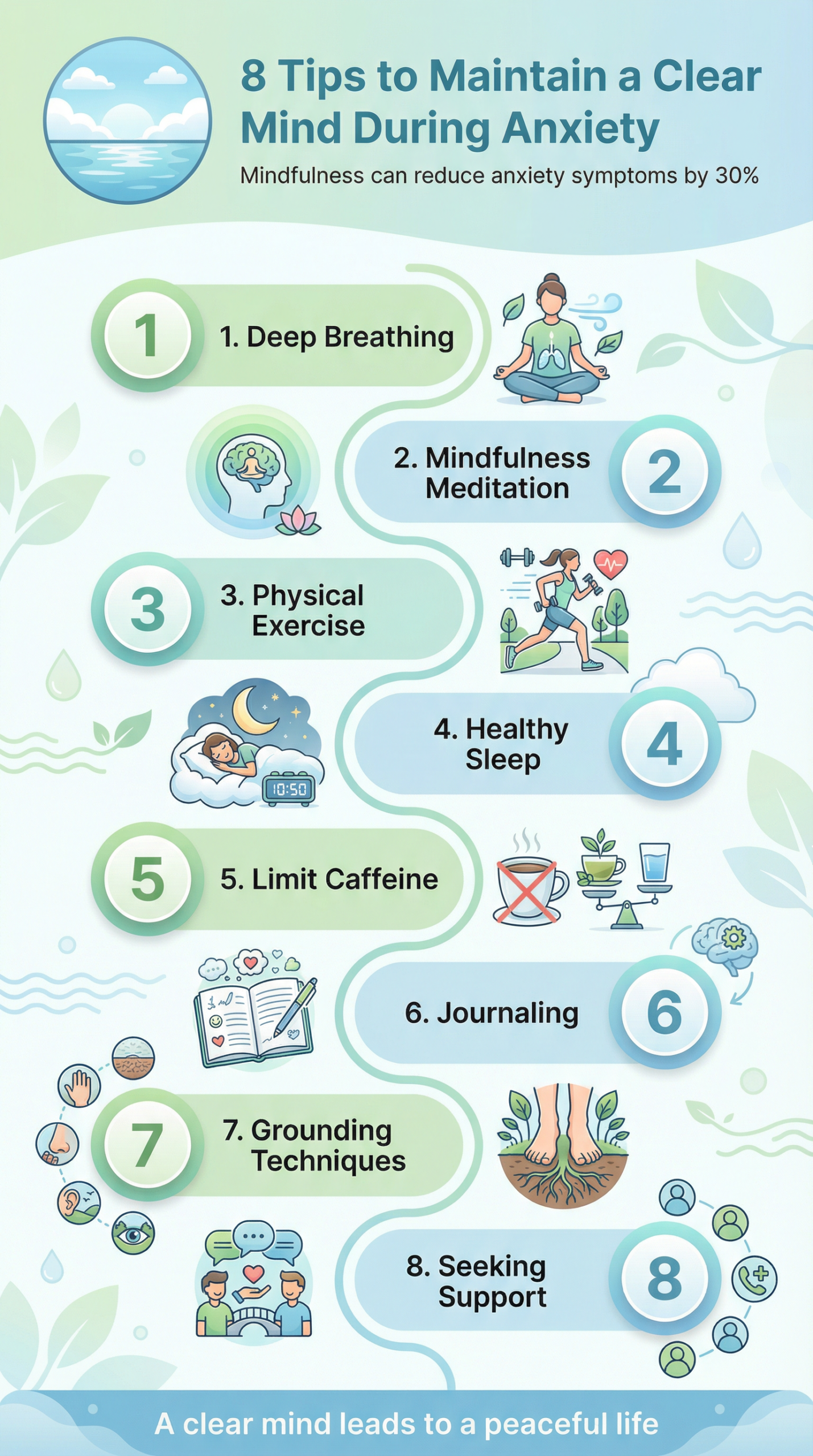
“8 Tips to Maintain a Clear Mind During Anxiety”
Introduction In today’s fast-paced world, anxiety has become a common experience for many individuals, affecting their daily lives and mental well-being. The feeling of anxiousness can...

Bible Verses for Anxiety and Worry
When anxiety and worry threaten to overwhelm your heart, turning to Scripture can provide the peace and comfort your soul desperately needs. These carefully selected Bible verses for anxiety...
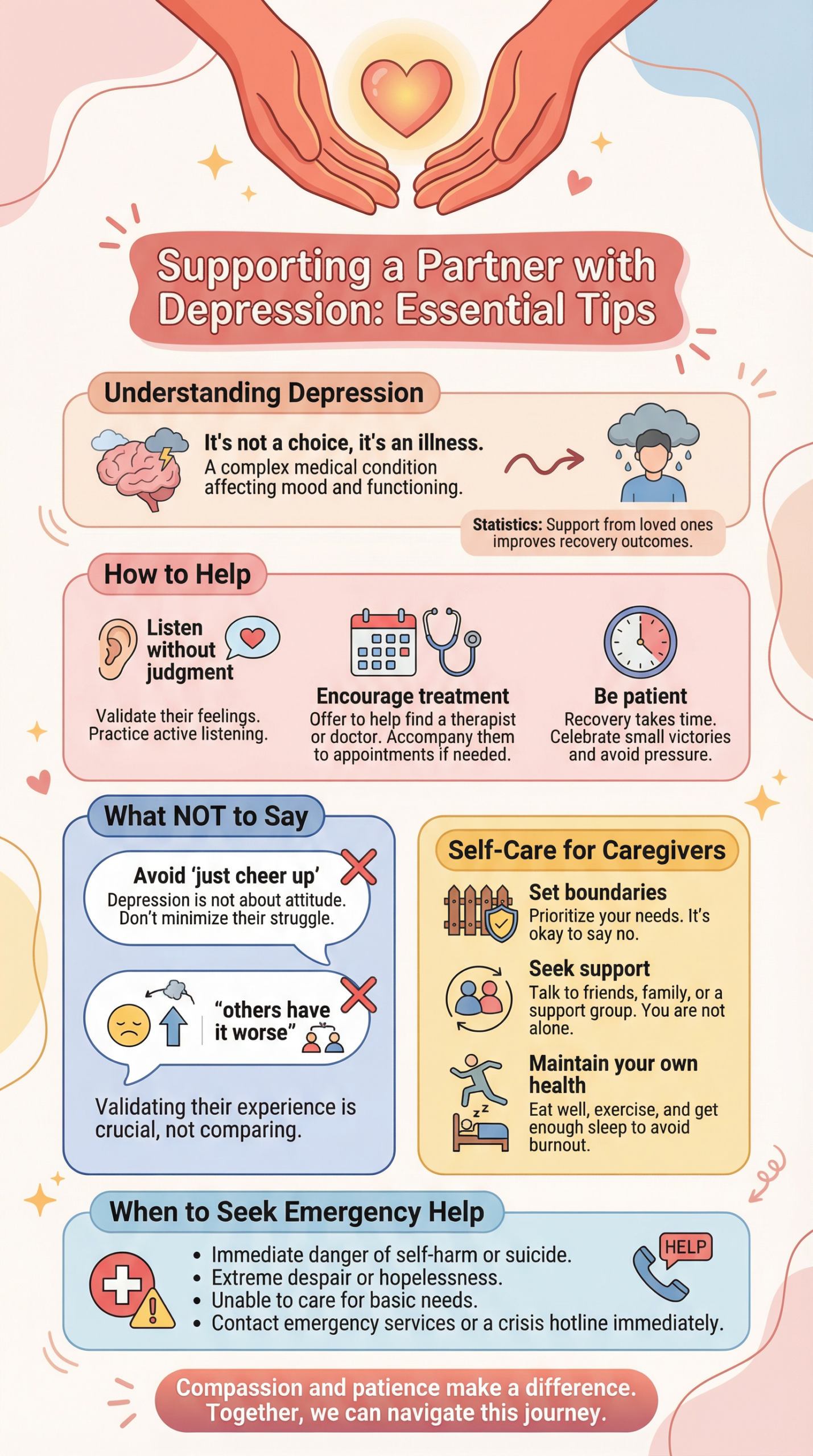
Essential Tips on How to Cope with a Partner with Depression
User:text: How can you help a loved one who is dealing with depression? To help a partner who’s feeling down, it’s important to really hear them out. Suggest getting help…