Essential Tips on How to Cope with a Partner with Depression
Last updated:
User:text: How can you help a loved one who is dealing with depression?
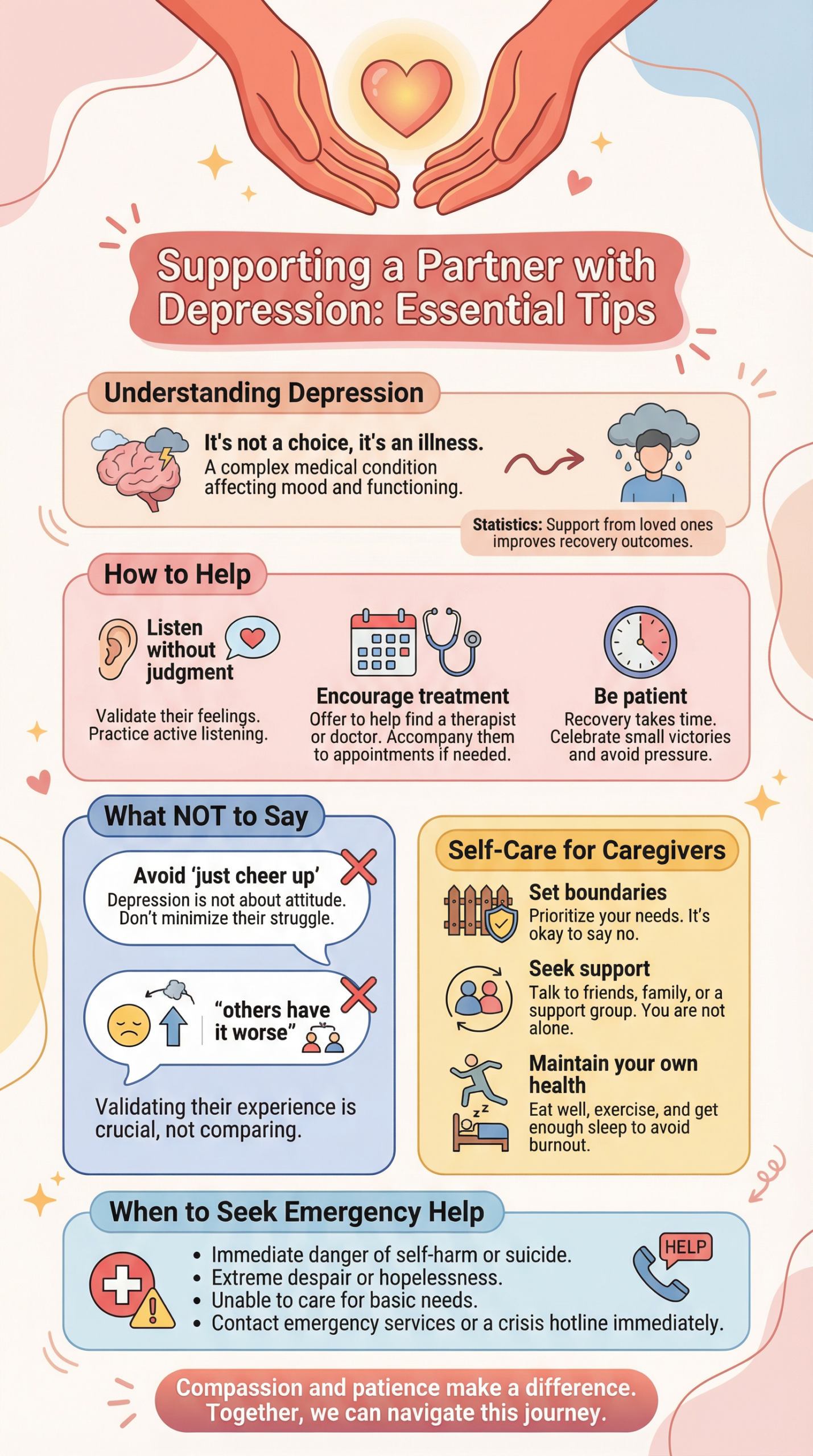
To help a partner who’s feeling down, it’s important to really hear them out. Suggest getting help from a pro and be there for them with lots of patience and understanding. By doing things together like everyday chores, you make their day easier. Always cheer them on in a positive way and steer clear of being critical so they feel comfortable sharing what they’re going through with you. Offer hope and remind them that things will get better, and that you will be there for them every step of the way.
Key Highlights
- Getting to know the signs of depression and its effects on your partner and the relationship you share.
- With effective communication, starting talks about mental health becomes easier, allowing for a space where judgment is left at the door.
- By encouraging them to seek professional help and being there during their appointments, you play a crucial role in their recovery journey.
- Making home a stress-free zone with wellness activities can create a positive atmosphere for everyone.
- Taking care of yourself is just as important; it helps maintain a strong bond between partners.
- In conclusion, offering support, understanding each other’s struggles, and showing love are key in helping your partner overcome depression.
Introduction
Being by your partner’s side while they’re dealing with depression can make you feel pretty powerless. It’s common to end up feeling lost, annoyed, and swamped by it all. Trying to help might seem useless as every effort either gets turned down or doesn’t get any attention at all. Sometimes, you could start thinking that somehow their depression is partly your fault. However, remember that this isn’t something only you are going through.
Depression is a condition related to mental health that really affects the person going through it and their close ones. It’s an illness that makes you feel all alone, messing up relationships and making loved ones feel lost and scared. With symptoms like not wanting to do anything, feeling really down about yourself, and being angry a lot, it can be hard figuring out the best way to help your partner who’s dealing with a mental health condition like depression.
You can’t fix your partner’s depression, but being there for them is super important in their path to getting better. By getting to know more about what depression really is, showing that you’re there for them, pushing gently towards professional help, making home a place where they feel supported, setting little goals together and keeping an eye out for any signs they might be thinking about suicide, you can make a big difference in helping your partner deal with their feelings and start on the road to recovery.
Understanding Depression in Your Partner
To help your partner, the first thing you need to do is get a good grasp of what depression really means. It’s a condition that affects mental health, making people feel very sad, hopeless, and uninterested in things they usually like doing. Along with these feelings, someone might eat or sleep too much or too little, feel tired all the time, worry a lot more than usual, get angry quickly or think about death and not wanting to live anymore. This lack of interest in activities they once enjoyed is a common symptom of depression.
Depression isn’t a one-size-fits-all kind of thing; it changes and shifts in how it shows up. It’s crucial to get that your partner might go through it differently than you or what you’ve seen in books or online. To really get what they’re going through, asking questions without a fixed answer and listening with empathy is key. Through this approach, you can learn about their specific journey with depression and figure out the best ways to be there for them. If your partner is open to it, our free PHQ-9 depression test can be a gentle, private starting point: it is the standard 9-question screen, scored in the browser with nothing saved, and it is a screening tool rather than a diagnosis.
Recognizing the Symptoms of Depression
Understanding when your partner is showing signs of depression is really important for their well-being. Depression symptoms can vary and range in intensity depending on the person, but your partner is most likely depressed if they feel sad or anxious most of the time, have an irregular sleep cycle, have lost passion or energy to contribute to things they once loved or talk about feeling worthless or hopeless. Depression shows up in many forms, like being sad or crying a lot, feeling hopeless, seeing changes in how much they eat or sleep, not enjoying things they usually do, feeling very tired all the time, getting anxious or angry easily, having feelings of not being good enough or guilty about stuff, finding it hard to think clearly or make choices and thinking about death more than usual.
Remember, depression is a tricky mental health issue, and it looks different for everyone. Even if you can’t spot all the symptoms your partner might be going through, knowing the usual signs of depression can make it easier for you to get what they’re dealing with. When you notice these symptoms, showing empathy and support becomes simpler, and you can gently push your partner towards getting professional help as the first step in addressing their mental health.
What are some ways to support a partner with depression?
Support a partner with depression by listening without judgment, being patient, encouraging professional help, participating in activities together, and taking care of yourself to prevent burnout. Show love, understanding, and a willingness to be a consistent source of support through their difficult times.
The Impact of Depression on Relationships
Depression can really affect how people get along in their relationships. It might cause tension, make partners feel distant from each other, and lead to not talking properly. When someone is depressed, they often pull back from being social and don’t find joy in things they used to like doing, resulting in a loss of interest. This situation can make the other person feel left out, anxious, and confused about the best way to offer support.
Remember, depression is a sickness. The way your partner acts when they’re depressed doesn’t show how much they love or care about you. By understanding the impact of depression on relationships, we can handle things with more kindness and understanding. It’s really important to be patient, empathetic, and supportive if we want to help our partner deal with their depression and any bouts of anger while keeping the relationship strong.
So,how to cope with a partner with depression?
Effective Communication Strategies
Talking to your partner who’s feeling down is really important. To do this well, you need to listen carefully, try to get where they’re coming from, and be supportive in what you say back. With these approaches, starting chats about how they’re doing mentally becomes easier and helps make a comfortable environment for them to share their thoughts.

Initiating Conversations About Mental Health
Starting talks about mental health might seem tough, but it’s really important when you’re trying to support your partner. Here are a few pointers on how to handle this delicate subject:
- Pick a good time and spot: Look for a quiet, comfy place where you both can have an open chat.
- Talk about your feelings with “I” statements: When sharing how you feel or what bothers you, use “I” statements to keep things from sounding like you’re blaming the other person.
- Keep eye contact: By maintaining eye contact, show that you’re really listening and focused on the conversation.
- Be patient and avoid judging: Give your partner space to speak their mind at their own speed without cutting them off or making judgments.
- Show support and reassurance: Make it clear to your partner that they have your backing and that their happiness matters to you.
Starting conversations about mental health can help make a comfortable environment where your partner feels they can talk about their challenges and look for the support necessary.
Listening Without Judging
Being there for your partner when they’re feeling down means listening to them without judging. This requires you to be fully present, pay close attention, and keep an open mind while they talk. To do this well, consider these tips:
- Build a circle of support: Get in touch with your close ones, like friends and family, to help you out and give advice.
- Make sure to really listen: When your partner is sharing something, pay full attention. Put away any distractions like phones or tablets. Show you’re listening by nodding, making eye contact, and leaning forward.
- Repeat back what’s said and ask more about it: After hearing them out, say back in your own words what they’ve told you. Then ask questions that dig deeper into the topic to show you get it and want to know more.
- Respond with understanding: Let them know their feelings are seen by saying things such as “that sounds tough” or “I understand why this is hard for you.”
- Keep an open mind without giving solutions right away: Instead of trying to fix everything for them immediately, just be there ready to listen. Tell them they have your full support no matter what.
By hearing them out without being critical, you can make a secure and encouraging space where your partner feels comfortable sharing their feelings and ideas.
Supporting Your Partner’s Journey
Helping your partner through their depression means cheering them on to seek professional advice, going with them to their meetings, and making sure home is a happy place. By doing this, you’re really stepping up to assist your partner in dealing with their depression and getting the help and tools they require.
Encouraging Professional Help
Supporting your partner in their journey involves encouraging them to get professional help. This can mean talking to a therapist, taking medication, or making changes in how they live as suggested by a psychiatrist or psychologist. Below are some tips on how you can motivate your partner to look for professional assistance, including psychotherapy as a treatment option:
- Talk about the signs you’ve seen: Tell them why you’re worried by giving real examples of how their depression affects what they do every day.
- Show that you want to help: Make it clear that you’re ready to support them and remind them that getting help from a professional is a good move for getting better.
- Go over ways to get better: Mention the various methods like counseling or medicine, and suggest they consider these with someone who specializes in mental health.
By supporting your partner to seek professional help, they can get the resources and support necessary for dealing with their depression successfully.
Accompanying Them to Appointments
Going with your partner to their appointments can give them extra support and make them feel more secure. Here are a few advantages of being there for your partner during their mental health visits:
- By being there, you give your partner emotional support and comfort when they really need it.
- Going with your partner helps you see what they’re going through with their treatment and how far they’ve come.
- When you go along with them, it shows that you really care about their health and are thankful for the steps they’re taking to get better.
Text table:
| Benefit | Explanation |
| Support | Your presence can offer emotional support and comfort during what can be a challenging and vulnerable experience. |
| Shared experience | Accompanying your partner allows you to gain a better understanding of their treatment journey and the progress they are making. |
| Gratitude | By accompanying your partner, you show them that their well-being is a priority and that you are grateful for their efforts to seek help. |
Going with your partner to their appointments can really help make your relationship stronger and give them the backing they need while they’re on the road to getting better.
Creating a Positive Home Environment
Making your home a happy place is really important for helping out with your partner’s mental health. By cutting down on things that cause stress and adding in activities that promote good health, you’re doing a lot to make sure they feel better overall.
Reducing Stressors at Home
Making your home a stress-free zone is key to keeping things positive for you and your partner. Think about trying these tips:
- Hobbies: Push your partner to take part in things they love and find meaningful. Having hobbies can give them a sense of purpose and happiness.
- Destigmatize mental health: Work on creating an environment where it’s okay to talk about mental health openly and supportively, without making anyone feel embarrassed or judged.
- Yoga and meditation: These activities are great for lessening stress and helping one relax. Suggest that your partner tries adding these practices into their everyday life.
- Open communication: Make sure there’s a place where you both can talk freely and honestly, feeling safe to share what’s on your mind without fear.
By cutting down on things that cause stress at home, you can make a caring space that helps your partner feel mentally better.
Integrating Wellness Practices
Adding wellness routines into your everyday life can really help improve your partner’s mental well-being. Here are a few you might want to think about:
- For physical health, it’s a good idea to motivate your partner to stay active and eat well. This means getting them into the habit of exercising regularly and choosing healthy foods.
- When it comes to mental well-being, try introducing practices that boost thankfulness. Writing down or talking about things you’re thankful for each day can really help turn attention towards the happier parts of life.
- On self-care, encourage your partner to make time for things they love doing—things that relax them and give them energy back. Whether it’s soaking in a bath, losing themselves in a book, or finding peace through mindfulness exercises.
By bringing wellness habits into your daily routine, you can help look after your partner’s mental health and create a home that’s both positive and supportive.
Self-Care for Partners
Looking after yourself is really important when your partner is dealing with depression. By focusing on your own needs and staying healthy, you can keep the relationship strong and be there for them in a supportive way.

Importance of Your Own Mental Health
Looking after your mental health is key when you’re helping a partner who’s dealing with depression. It’s crucial to put your own wellbeing first and make time for things that make you happy and help you feel refreshed. Be gentle with yourself, knowing that it’s not up to you to cure your partner’s depression. Getting stronger emotionally is important too because it helps you deal with the tough parts of supporting someone who’s depressed. Reach out to friends or find a support group where people understand what you’re going through since they might be in the same boat. Always keep in mind, taking care of your own mental health is just as important for the wellbeing of both you and your partner.
Finding Support for Yourself
When you’re helping a partner who’s feeling really down, it’s super important to make sure you’ve got people around you too. Talk to your close friends and family, the ones who get what you’re going through and can just listen when you need them to. It helps a lot to chat with folks who have been in your shoes before. Think about joining a group for people whose partners are dealing with mental health stuff. These groups give you a place where it’s okay to talk about what’s on your mind, any worries or even the good things happening. Meeting others in similar situations makes everything feel more normal and less overwhelming. You shouldn’t have to deal with all this by yourself; having your own circle of support through therapy and a support network is key not just for helping out your partner but also keeping yourself healthy mentally.
Navigating Challenges Together
Helping your partner through depression means you both have to tackle some tough stuff side by side. It’s all about teaming up, really being there for each other when things get rocky. Talking things out openly and honestly is crucial – it’s how you figure out what each of you needs and how best to support one another during this difficult time. Sometimes, you might need to change things up a bit to make sure both of you are doing okay. Keep in mind, this journey isn’t just yours or theirs alone; it’s something you’re on together. By facing the ups and downs that come with depression as a united front, your bond can only grow stronger and more durable.
Handling Rejection When Offering Help
When you’re trying to help a partner who’s feeling really down, be ready for them not to always accept your help. Being depressed can make someone feel so low that they don’t think any kind of support will make a difference. It’s important not to take it personally if they push your help away; it’s just part of what they’re going through. Instead, focus on ways you can stay strong and deal with any tough feelings you might have yourself. This could mean talking things out with friends or maybe seeing a therapist, doing things that make you feel good about yourself, or getting into mindfulness and being kind to yourself. Remembering to look after your own happiness is okay even when you’re there for your partner.
Dealing with Relationship Strain
Helping your partner through depression can be tough on both of you. You might start to feel upset as you both deal with these hard times. It’s crucial to handle these feelings by being understanding and kind. Remember, it’s not your partner’s fault they’re depressed, and they aren’t trying to make things difficult on purpose. Talking openly and honestly is really important for fixing any problems and keeping a healthy relationship. Listen well, don’t judge, and show that you care. If it gets too hard, seeing a therapist together could help sort out issues more effectively and bring you closer together again.
With patience in listening carefully without jumping into conclusions or passing judgment alongside showing genuine concern can go a long way.
Keep in mind that having solid communication skills forms the backbone of helping your significant other while also taking good care of the relationship itself
Conclusion
To wrap it up, helping a partner who’s feeling down really needs you to be patient, get where they’re coming from, and talk things out well. It’s important to spot the signs of depression early on, push them gently towards getting professional advice, and make sure home is a nice place to be. Don’t forget that looking after your own mental health matters too; seek support for yourself and work through tough times together with kindness. Sometimes when you try to help, they might not take it well or it could make things tense between you two – but talking openly and respecting each other can get you past these hurdles. By building a caring space around them, you play a big part in their path back to feeling good again.
Frequently Asked Questions
What if My Partner Refuses Help?
When your partner doesn’t want to get help for their depression, it’s tough. Try to kindly persuade them to think about getting professional advice again. Share details with them on where they can find support like helplines, email contacts, or how they can talk directly with a mental health expert. If they still say no, you might want to ask a reliable professional for advice on what you should do next. It’s important to remember that you can’t make someone seek help if they don’t want to, but showing your continuous support and explaining the benefits of getting professional assistance in dealing with their mental health is something you can always do.
How Can I Balance Support and Personal Space?
It’s really important to find the right balance between helping your partner who is feeling down and making sure you have enough space for yourself. You’ve got to look after your own needs too, even while you’re there for them. By talking openly with your partner about needing some personal time, it helps make sure they know this doesn’t mean you care any less. When they need someone to talk to, be all ears, show that you understand how they feel and just be there for them. But don’t forget to set some limits and take breaks for yourself as well. Keeping a good balance between being supportive and taking care of your own mental health is key in these situations.
Related Articles
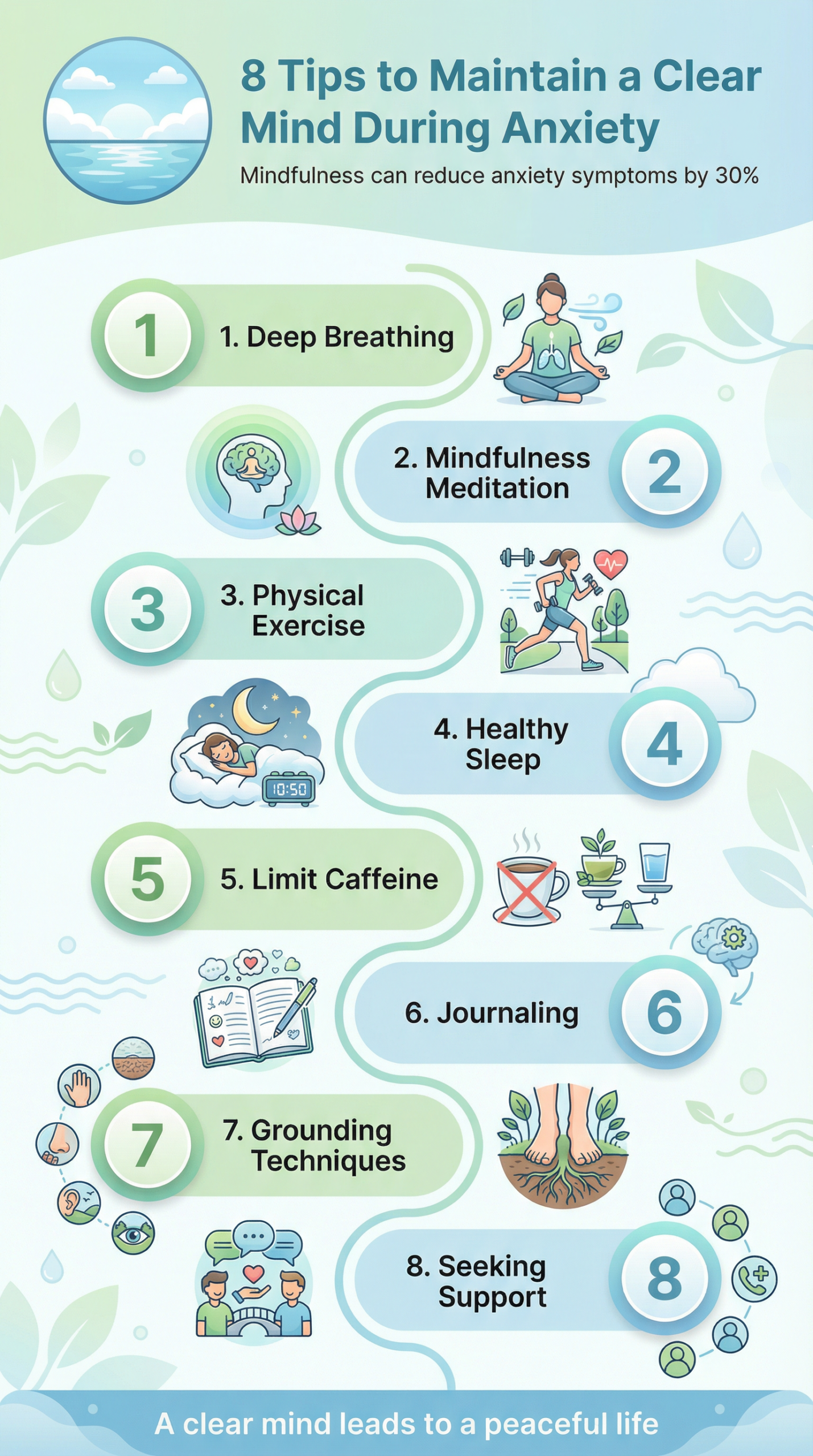
“8 Tips to Maintain a Clear Mind During Anxiety”
Eight practical, calming tips to keep your mind clear when anxiety strikes — from grounding and breathing to gentle routines you can start using today.

Bible Verses for Anxiety and Worry
Comforting Bible verses for anxiety and worry, with reflections to bring peace when fear feels overwhelming. Scripture-based reassurance for anxious hearts.

Mental Health Resources UK: Your Complete Guide to Free Support
A comprehensive guide to UK mental health resources including free helplines, NHS services, charities, apps and online support for anxiety, depression and more.