
Mindfulness Meditation for Beginners: A Complete Guide to Finding Peace
Last updated:
Mindfulness Meditation for Beginners
Introduction
In today’s fast-paced world, where distractions abound and stress levels are high, mindfulness meditation offers a sanctuary of peace and clarity. This ancient practice, rooted in Buddhism, is not merely a trend but rather a deeply transformative tool that can enhance overall well-being. For those new to meditation, the concept may seem daunting; however, mindfulness meditation is accessible to everyone. It simply involves paying attention to the present moment without judgment.
As beginners embark on their mindfulness journey, they might find themselves overwhelmed by misconceptions and the multitude of techniques available. The essence of mindfulness is simplicity—it requires no special equipment or extensive prior knowledge. Instead, it invites individuals to cultivate awareness through their breath, thoughts, and sensations, anchoring them in the current moment. This grounding practice has numerous benefits, including reduced stress, increased focus, and improved emotional health.
As you read this article, you’ll learn why mindfulness meditation works from a scientific perspective, how to start your practice effectively, and common pitfalls to avoid. Whether you seek to manage anxiety, enhance your emotional resilience, or simply find a respite from daily chaos, mindfulness meditation can be an invaluable addition to your life. By committing to this practice, you are taking a significant step toward better mental clarity and emotional regulation. So let’s delve deeper and discover how to embark on this life-changing journey.
Why It Works – Science
The effectiveness of mindfulness meditation is backed by a growing body of scientific research. Studies reveal that this practice affects brain function, emotional regulation, and overall health. One of the key components of mindfulness is its ability to alter brain structures. MRI scans have shown that regular meditation can increase the thickness of the prefrontal cortex, the area of the brain associated with higher-order processing, such as decision-making, emotional control, and attention span.

Additionally, mindfulness meditation has been shown to decrease the size of the amygdala, the part of the brain responsible for the fight-or-flight response. This reduction leads to lower levels of stress and anxiety and improves emotional regulation. By fostering a calmer state of mind, practitioners can respond to situations more thoughtfully instead of reacting impulsively.
Furthermore, research indicates that mindfulness meditation enhances cognitive functions, including memory and attention. A study published in the journal “Psychological Science” found that participants who practiced mindfulness showed significant improvements in task performance compared to those who did not meditate. This suggests that meditation can sharpen focus and improve productivity.
Beyond cognitive benefits, mindfulness meditation has been linked to physical health improvements. Regular practitioners report lower blood pressure, improved immune function, and better sleep quality. This holistic approach means that mindfulness not only nourishes the mind but also strengthens the body, promoting a healthier lifestyle overall.
How to Start – Step by Step
Starting a mindfulness meditation practice is simple and can be tailored to fit your lifestyle. Here’s a step-by-step guide to help beginners embark on their journey:
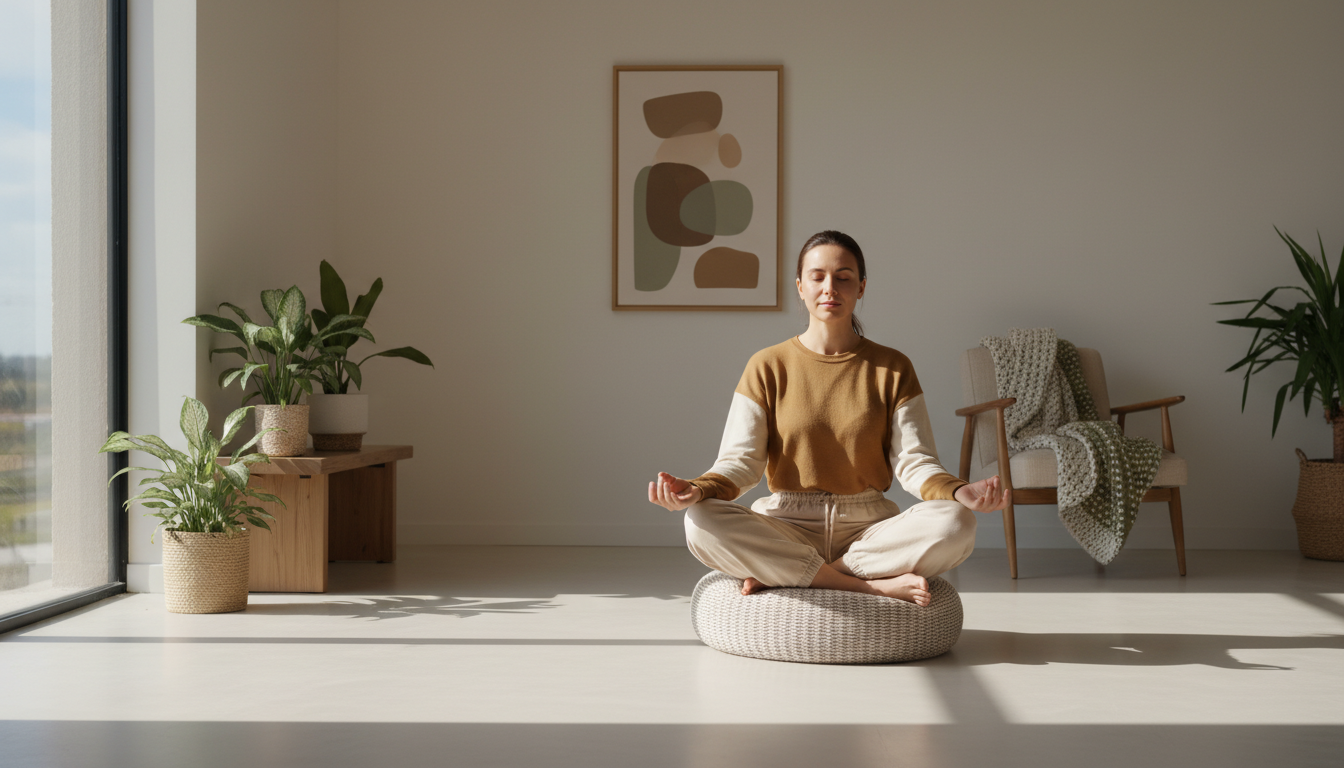
-
Find a Comfortable Space:
Select a quiet, comfortable place where you won’t be disturbed. It can be indoors or outdoors; the key is to choose a spot where you feel at ease.
-
Choose Your Posture:
Sit in a position that feels comfortable for you. You can sit cross-legged on the floor, in a chair with your feet flat on the ground, or even lie down if sitting is uncomfortable. Keep your back straight but relaxed.
-
Set a Time Limit:
If you’re just starting, aim for a brief session, such as 5-10 minutes. As you become more comfortable with the practice, gradually increase the duration to 20-30 minutes or more.
-
Close Your Eyes:
Gently close your eyes to help eliminate distractions. If you’re more comfortable, you can keep your eyes slightly open, gazing softly at a point on the floor.
-
Focus on Your Breath:
Bring your attention to your breath. Notice the sensation of the air entering your nostrils, filling your lungs, and then flowing out. Don’t try to change your breath; simply observe it.
-
Notice Your Thoughts:
As you meditate, thoughts may arise. It’s natural! Instead of engaging with them, acknowledge their presence and gently guide your focus back to your breath.
-
Body Scan:
You can also incorporate a body scan into your practice. While focusing on your breath, progressively tune into different parts of your body, from your head to your toes, releasing any tension you notice.
-
Practice Regularly:
Consistency is key in meditation. Aim to practice daily, even if it’s just for a few minutes. Over time, you will experience deeper states of mindfulness and relaxation.
-
Reflect:
After each session, take a moment to reflect on your experience. Notice any changes in your mood or mindset. This reflection can help reinforce your practice.
By following these steps and allowing yourself the space to practice regularly, mindfulness meditation can become a transformative part of your daily routine. Remember that the journey is personal, and it’s essential to find what feels best for you.
Common Mistakes to Avoid
While starting a mindfulness meditation practice, beginners might encounter a few common pitfalls. Here are some mistakes to avoid for a more fulfilling experience:
-
Expecting Perfection:
Many beginners expect to have a “perfect” meditation session from the outset. Remember, meditation is a practice; it’s normal for thoughts to intrude. Be gentle with yourself and allow room for imperfection.
-
Rushing the Process:
Trying to rush through your meditation can lead to frustration. Don’t force yourself to meditate for longer than you’re comfortable, especially at the start. Enjoy the process and gradually increase your duration.
-
Overthinking Your Practice:
Some people overanalyze their meditation techniques. Focus on being present rather than worrying about how you are meditating. Let go of expectations and simply observe your experience.
-
Ignoring Discomfort:
If you feel physical discomfort, avoid ignoring it. Make sure you’re in a comfortable position and take the time to adjust it. Your practice should feel good, not painful.
-
Dismissing the Benefits:
It can take time to notice the benefits of mindfulness meditation. Don’t be discouraged if you don’t feel immediate results. Consistent practice yields gradual improvements in mental clarity and emotional stability.
-
Being Too Hard on Yourself:
When thoughts wander (and they will), avoid criticizing yourself. Acknowledge the distraction and return your focus to your breath without judgment. This is part of the practice.
By being aware of these common mistakes, you can approach mindfulness meditation with a more open and accepting mindset, enhancing your ability to cultivate awareness and presence.
Conclusion
Mindfulness meditation offers an exceptional pathway toward achieving peace of mind and emotional resilience. For beginners, the journey may feel overwhelming at first, but through understanding the science behind mindfulness, knowing how to start, and avoiding common mistakes, it can become a rewarding part of daily life. As with any practice, consistency is crucial; the more you incorporate mindfulness meditation, the more profound the benefits will be.
So take a deep breath, and allow yourself to explore this beautiful practice without fear or judgment. Embrace the present moment, cultivate awareness, and watch as your life transforms through the power of mindfulness meditation. Your mind and body will thank you.
Related Articles
“8 Tips to Maintain a Clear Mind During Anxiety”
Introduction In today’s fast-paced world, anxiety has become a common experience for many individuals, affecting their daily lives and mental well-being. The feeling of anxiousness can...

Bible Verses for Anxiety and Worry
When anxiety and worry threaten to overwhelm your heart, turning to Scripture can provide the peace and comfort your soul desperately needs. These carefully selected Bible verses for anxiety...
Essential Tips on How to Cope with a Partner with Depression
User:text: How can you help a loved one who is dealing with depression? To help a partner who’s feeling down, it’s important to really hear them out. Suggest getting help…