
Mental Health Resources UK: Your Complete Guide to Free Support
Last updated:
Navigating mental health support in the UK can feel overwhelming, especially when you are struggling. This guide brings together the most important free and low-cost resources available, from crisis helplines to long-term therapy options, so you can find the right help quickly.
All phone numbers, websites, and services listed here were verified at the time of writing. If you find any details that have changed, please let us know so we can keep this resource up to date.
Crisis and Emergency Support
If you or someone you know is in immediate danger or experiencing a mental health crisis, the following services are available right now.
| Service | Contact | Availability | Who It Helps |
|---|---|---|---|
| 999 / A&E | Call 999 or go to A&E | 24/7 | Immediate danger to life, serious self-harm, or suicide attempt |
| Samaritans | 116 123 (free) or email jo@samaritans.org | 24/7, 365 days | Anyone in emotional distress or having suicidal thoughts |
| Crisis Text Line (SHOUT) | Text SHOUT to 85258 | 24/7 | Anyone in crisis who prefers texting to phone calls |
| NHS 111 | Call 111 or visit 111.nhs.uk | 24/7 | Urgent mental health advice when it is not a 999 emergency |
| Papyrus HOPELINEUK | 0800 068 4141, text 07860 039 967 | 9am-midnight daily | Under 35s experiencing suicidal thoughts |
| CALM (Campaign Against Living Miserably) | 0800 58 58 58 or webchat at thecalmzone.net | 5pm-midnight daily | Men experiencing crisis or suicidal thoughts |
Important: If you are supporting someone in crisis, stay with them, listen without judgement, and help them contact one of these services. You do not need to have all the answers — being present matters.
If you are trying to work out where you stand before reaching out, our free self-assessment tools can help you put a number to how you have been feeling: the GAD-7 anxiety test, the PSS-10 stress test and the PHQ-9 depression test. Each uses the same validated questionnaire clinicians use, is scored privately in your browser with no data saved, and is a screening tool rather than a diagnosis.
NHS Mental Health Services
The NHS provides free mental health support at every level of need, from self-help resources to specialist inpatient care.
NHS Talking Therapies (Formerly IAPT)
NHS Talking Therapies is the UK’s flagship free psychological therapy programme for common mental health conditions including anxiety, depression, OCD, PTSD, and phobias. Here is how to access it:
- Step 1: Self-refer online at nhs.uk/talk — you do not need a GP referral. Search for your local service by entering your postcode.
- Step 2: Complete a short online assessment form about your symptoms and how they affect your daily life.
- Step 3: A therapist will contact you (usually within 1-4 weeks) to discuss your needs and recommend the right treatment.
- Step 4: Treatment may include guided self-help, group therapy, one-to-one CBT, counselling, or other evidence-based therapies.
- Step 5: Typically 6-20 sessions depending on your needs, delivered online, by phone, or face-to-face.
Waiting times: The NHS target is to begin treatment within 6 weeks of referral and no later than 18 weeks. Actual waiting times vary by area — some services are faster, others may be longer. Ask your local service for current estimates.
Community Mental Health Teams (CMHTs)
CMHTs provide specialist support for people with more complex or severe mental health conditions. They include psychiatrists, community psychiatric nurses, psychologists, social workers, and occupational therapists. You typically need a GP referral to access CMHT services.
CAMHS (Child and Adolescent Mental Health Services)
CAMHS provides mental health support for children and young people under 18. Referrals can come from GPs, schools, or other professionals. In some areas, young people can self-refer. Services vary by region but typically include assessment, therapy, family support, and crisis intervention.
How to Speak to Your GP About Mental Health
Your GP is a key gateway to mental health support. Tips for making the most of your appointment:
- Write down your symptoms beforehand, including how long they have lasted and how they affect your daily life.
- Be as honest as you can — GPs are trained to discuss mental health without judgement.
- If you find it hard to talk, consider bringing a written note or asking someone to accompany you.
- Ask specifically about NHS Talking Therapies, medication options, and any local mental health services.
- Request a double appointment if you think you will need more time.
- Remember: you can also self-refer to NHS Talking Therapies without seeing your GP at all.
Free Helplines and Text Services
These helplines offer free, confidential support from trained advisers. Most do not require an appointment or referral.
| Organisation | Contact | Hours | What They Offer |
|---|---|---|---|
| Mind Infoline | 0300 123 3393 or text 86463 | Mon-Fri 9am-6pm | Information on mental health conditions, treatments, and where to get help |
| Anxiety UK | 03444 775 774 or text 07537 416 905 | Mon-Fri 9:30am-5:30pm | Support for anxiety conditions, access to therapy, and self-help resources |
| Rethink Mental Illness | 0808 801 0525 | Mon-Fri 9:30am-4pm | Advice on living with mental illness, treatment, and support for carers |
| SANEline | 0300 304 7000 | 4:30pm-10:30pm daily | Emotional support for anyone affected by mental health problems |
| Switchboard LGBT+ | 0300 330 0630 | 10am-10pm daily | Mental health support for LGBTQ+ individuals |
| National Domestic Abuse Helpline | 0808 2000 247 | 24/7 | Support for anyone experiencing domestic abuse, which often co-occurs with mental health difficulties |
Online Support and Communities
If you prefer connecting with others online, these platforms provide moderated, safe spaces to share experiences and receive peer support.

Mind Side by Side
Mind’s online peer support community where you can share experiences, ask questions, and support others in a moderated environment. Free to join at sidebyside.mind.org.uk. Available 24/7 with moderators during daytime hours.
Togetherall (Formerly Big White Wall)
A free, clinically managed online mental health community available 24/7, staffed by trained counsellors. Many NHS areas, universities, and employers provide free access. Check with your GP surgery, university, or employer to see if you are eligible.
Anxiety UK Community
Anxiety UK offers online forums and support groups specifically for people living with anxiety conditions. Membership includes access to their community, discounted therapy, and self-help resources.
7 Cups
A free service offering anonymous chat with trained volunteer listeners, plus community forums and self-help resources. Available at 7cups.com. Particularly useful when you need someone to listen without judgement outside helpline hours.
Elefriends (Mind)
A supportive online community where you can post thoughts, respond to others, and find solidarity. Monitored by Mind staff to keep it safe.
Self-Help Apps and Tools
These digital tools can supplement professional support or serve as a starting point for managing your mental health.
NHS Every Mind Matters
A free NHS resource offering personalised mental health action plans, practical tips, and expert advice. Visit nhs.uk/every-mind-matters to create your free plan. Covers anxiety, stress, sleep, low mood, and more.
SilverCloud (Available Free on NHS)
An evidence-based online CBT platform available free through many NHS Talking Therapies services. Programmes cover anxiety, depression, stress, and sleep. Ask your GP or NHS Talking Therapies service about access.
Wysa
An AI-powered mental health chatbot backed by clinical evidence. The free version offers mood tracking, CBT-based exercises, and guided meditations. Premium features include access to human therapists. NHS-approved and used by some NHS trusts.
Headspace
A popular meditation and mindfulness app with guided sessions for anxiety, stress, and sleep. Requires a subscription, but offers a free trial and reduced-price plans for students and those on low incomes.
Calm
A meditation, sleep, and relaxation app with programmes for anxiety and stress management. Subscription-based with a free trial. Some NHS trusts offer free access to staff.
Woebot
A free chatbot that delivers daily CBT-based check-ins and mood tracking. Research from Stanford University found it significantly reduced symptoms of depression and anxiety within two weeks of use.
Charity Support by Condition
These UK charities provide specialist information, support, and advocacy for specific mental health conditions.
| Charity | Condition Focus | Contact / Website | Key Services |
|---|---|---|---|
| Anxiety UK | All anxiety conditions | anxietyuk.org.uk / 03444 775 774 | Helpline, therapy access, self-help groups, information |
| OCD Action | Obsessive compulsive disorder | ocdaction.org.uk / 0845 390 6232 | Helpline, support groups, advocacy, information |
| PTSD UK | Post-traumatic stress disorder | ptsduk.org | Information, peer support, signposting to treatment |
| Mind | All mental health conditions | mind.org.uk / 0300 123 3393 | Infoline, local services, legal advice, peer support |
| Beat | Eating disorders | beateatingdisorders.org.uk / 0808 801 0677 | Helpline, online support groups, recovery resources |
| Bipolar UK | Bipolar disorder | bipolaruk.org / 0333 323 3880 | Peer support groups, helpline, employment support |
| YoungMinds | Children and young people | youngminds.org.uk / Parents helpline: 0808 802 5544 | Crisis messenger, parents helpline, school resources |
| Rethink Mental Illness | Severe mental illness | rethink.org / 0808 801 0525 | Advice line, support groups, carer support, advocacy |
Workplace Mental Health
Mental health at work is a growing priority in the UK, and there are several resources available to both employees and employers.

Your Rights at Work
Under the Equality Act 2010, mental health conditions that have a substantial and long-term effect on your ability to carry out normal daily activities may be classified as a disability. This means your employer has a legal duty to make reasonable adjustments, such as flexible working hours, reduced workload during difficult periods, or a quieter workspace.
ACAS (Advisory, Conciliation and Arbitration Service)
ACAS provides free guidance on workplace mental health, including advice on reasonable adjustments, discrimination, and having conversations with your employer about mental health. Contact: 0300 123 1100 or visit acas.org.uk.
Mind Workplace Wellbeing Index
Mind’s Workplace Wellbeing Index is a benchmark that helps employers improve mental health support. If your employer participates, you may have access to additional resources. Check with your HR department.
Occupational Health
Many employers offer occupational health services that can provide confidential mental health assessments, recommend workplace adjustments, and support your return to work after mental health-related absence. Ask your HR department or line manager about access.
Access to Work
The Department for Work and Pensions’ Access to Work scheme can provide funding for mental health support in the workplace, including a support worker, specialist equipment, or therapy sessions. This is available for people with a mental health condition that affects their ability to work. Apply at gov.uk/access-to-work.
How to Access Therapy
There are several routes to accessing professional therapy in the UK, from completely free NHS services to affordable private options.
Free NHS Therapy
- NHS Talking Therapies — self-refer at nhs.uk/talk for free CBT, counselling, and other evidence-based therapies. Typical wait: 6-18 weeks.
- GP referral to secondary care — for more complex conditions, your GP can refer you to specialist psychological services within the NHS.
- SilverCloud online CBT — available free through many NHS services for mild to moderate anxiety and depression.
Finding a Private Therapist
If you prefer private therapy or want to be seen more quickly, use accredited directories to find a qualified professional:
- BACP (British Association for Counselling and Psychotherapy) — search for accredited counsellors and psychotherapists at bacp.co.uk/search/therapists.
- BABCP (British Association for Behavioural and Cognitive Psychotherapies) — find accredited CBT therapists at cbtregisteruk.com.
- BPS (British Psychological Society) — find chartered psychologists at bps.org.uk/find-psychologist.
- UKCP (UK Council for Psychotherapy) — search for registered psychotherapists at psychotherapy.org.uk.
Typical private therapy costs: £40-£100 per session depending on location, therapist qualifications, and therapy type. London tends to be at the higher end of this range.
Low-Cost Therapy Options
- Mind counselling services — many local Mind centres offer low-cost or sliding-scale counselling. Find your local Mind at mind.org.uk/information-support/local-minds.
- University training clinics — universities with counselling or psychology courses often run low-cost clinics where supervised trainees provide therapy. Sessions typically cost £5-£20.
- Trainee therapists — therapists completing their accreditation hours often offer reduced rates (£20-£40 per session). They are supervised by experienced practitioners. Search the BACP directory and filter by “trainee” or contact local training courses directly.
- Anxiety UK therapy service — Anxiety UK members can access discounted therapy sessions with accredited therapists.
- The Listening Place — a free face-to-face service in London for people experiencing suicidal thoughts (listeningplace.org.uk).
Resources for Specific Groups
Young People (Under 25)
- YoungMinds — crisis text line (text YM to 85258), parents helpline (0808 802 5544), and online resources at youngminds.org.uk.
- Childline — free, confidential support for under 19s. Call 0800 1111 or chat online at childline.org.uk.
- Kooth — free, anonymous online counselling and support for 11-25 year olds. Available at kooth.com until 10pm, 365 days a year.
- The Mix — free support for under 25s on mental health, relationships, money, and more. Call 0808 808 4994 or use the online chat at themix.org.uk.
- Papyrus HOPELINEUK — suicide prevention support for under 35s. Call 0800 068 4141.
Students
- Student Minds — the UK’s student mental health charity, providing resources, peer support, and training at studentminds.org.uk.
- University counselling services — most universities offer free, confidential counselling to enrolled students. Check your university’s student services webpage.
- Togetherall — many universities provide free access to this 24/7 online support community. Check with your student services.
- Nightline — a confidential listening service run by students for students, available at many universities during evening and night hours.
Parents and Carers
- YoungMinds Parents Helpline — 0808 802 5544, free advice for parents worried about a child’s mental health.
- Carers UK — support for anyone caring for a person with a mental health condition. Helpline: 0808 808 7777. Visit carersuk.org.
- Family Action — provides practical, emotional, and financial support to families experiencing difficulties. Visit family-action.org.uk.
- Home-Start — local volunteer support for families with young children. Visit home-start.org.uk.
Men
- CALM (Campaign Against Living Miserably) — 0800 58 58 58 (5pm-midnight) or webchat at thecalmzone.net. Specifically for men in crisis or distress.
- Movember — men’s health charity with resources on mental health, suicide prevention, and building social connections. Visit movember.com.
- Andy’s Man Club — free peer support groups for men held across the UK on Monday evenings. Find your nearest group at andysmanclub.co.uk.
- ManHealth — mental health resources specifically tailored for men, addressing the unique barriers men face in seeking help.
LGBTQ+
- Switchboard LGBT+ — 0300 330 0630 (10am-10pm daily). Confidential listening and information for LGBTQ+ people.
- MindOut — mental health charity specifically for LGBTQ+ communities, offering advocacy, online chat, and support groups. Visit mindout.org.uk.
- Mermaids — support for gender-diverse children, young people, and their families. Helpline: 0808 801 0400. Visit mermaidsuk.org.uk.
- Gendered Intelligence — support and resources for trans and gender-diverse people. Visit genderedintelligence.co.uk.
Veterans and Armed Forces
- Combat Stress — the UK’s leading veterans’ mental health charity. Helpline: 0800 138 1619 (24/7). Visit combatstress.org.uk.
- Op COURAGE — the NHS Veterans’ Mental Health and Wellbeing Service, providing free specialist treatment. Self-refer or ask your GP for a referral.
- SSAFA — the Armed Forces charity, providing practical and emotional support to serving personnel, veterans, and their families. Visit ssafa.org.uk.
- Help for Heroes — recovery support for wounded, injured, and sick veterans and their families. Visit helpforheroes.org.uk.
Older Adults
- Age UK — advice and support on mental health, loneliness, and wellbeing for older people. Helpline: 0800 678 1602. Visit ageuk.org.uk.
- The Silver Line — free, confidential helpline for older people offering friendship and conversation. Call 0800 4 70 80 90 (24/7).
- Independent Age — free advice and support for older people on a range of issues including mental health. Visit independentage.org.
- Campaign to End Loneliness — resources and local programmes to combat isolation in older adults. Visit campaigntoendloneliness.org.
Frequently Asked Questions
Where can I get free mental health support in the UK?
Free mental health support is available from several sources in the UK. NHS Talking Therapies provides free evidence-based therapy including CBT, counselling, and guided self-help — you can self-refer at nhs.uk/talk without needing a GP appointment. Your GP can also prescribe medication and refer you to specialist services. Helplines such as Samaritans (116 123), Mind (0300 123 3393), and Anxiety UK (03444 775 774) offer free confidential support. Online resources include NHS Every Mind Matters, Togetherall, and 7 Cups.
How do I self-refer to NHS Talking Therapies?
Visit nhs.uk/talk and enter your postcode to find your local NHS Talking Therapies service. You will be asked to complete a short online form about your symptoms and how they affect your daily life. A therapist will then contact you to discuss your needs and recommend appropriate treatment. The whole process is confidential, and you do not need permission from your GP. Most services aim to make initial contact within 1-4 weeks.
What mental health helplines are available 24/7?
The following helplines are available around the clock: Samaritans (116 123) for anyone in emotional distress, SHOUT crisis text line (text SHOUT to 85258), NHS 111 for urgent mental health advice, and Combat Stress (0800 138 1619) for veterans. The National Domestic Abuse Helpline (0808 2000 247) is also available 24/7. For young people, Childline (0800 1111) is available 24 hours a day.
Can I get therapy for free on the NHS?
Yes. NHS Talking Therapies provides free psychological therapy for common mental health conditions including anxiety, depression, PTSD, OCD, and phobias. Treatment options include CBT, counselling, interpersonal therapy, EMDR, and guided self-help. Therapy is typically offered in 6-20 sessions and can be delivered face-to-face, online, or by telephone. For more complex or severe conditions, your GP can refer you to specialist NHS psychological services. There is no charge for any NHS mental health treatment.
What do I do in a mental health crisis?
If you or someone else is in immediate danger, call 999 or go to your nearest A&E. For crisis support without immediate physical danger, call Samaritans on 116 123, text SHOUT to 85258, or call NHS 111. If you are under 35 and having suicidal thoughts, contact Papyrus HOPELINEUK on 0800 068 4141. Many areas also have local crisis teams that can visit you at home — your GP surgery or NHS 111 can connect you with your local service. If you are already under a mental health team, contact them using your crisis plan if you have one.
How long is the NHS waiting list for therapy?
NHS waiting times for Talking Therapies vary by area. The NHS target is to begin treatment within 6 weeks of referral, and no later than 18 weeks. In practice, many services meet these targets, though some areas have longer waits, particularly for specialist therapies. While waiting, you can access self-help resources through NHS Every Mind Matters, use apps like SilverCloud or Wysa, attend peer support groups, or contact helplines for ongoing support. If you are struggling while waiting, contact your GP or the service directly to let them know.
Related Articles
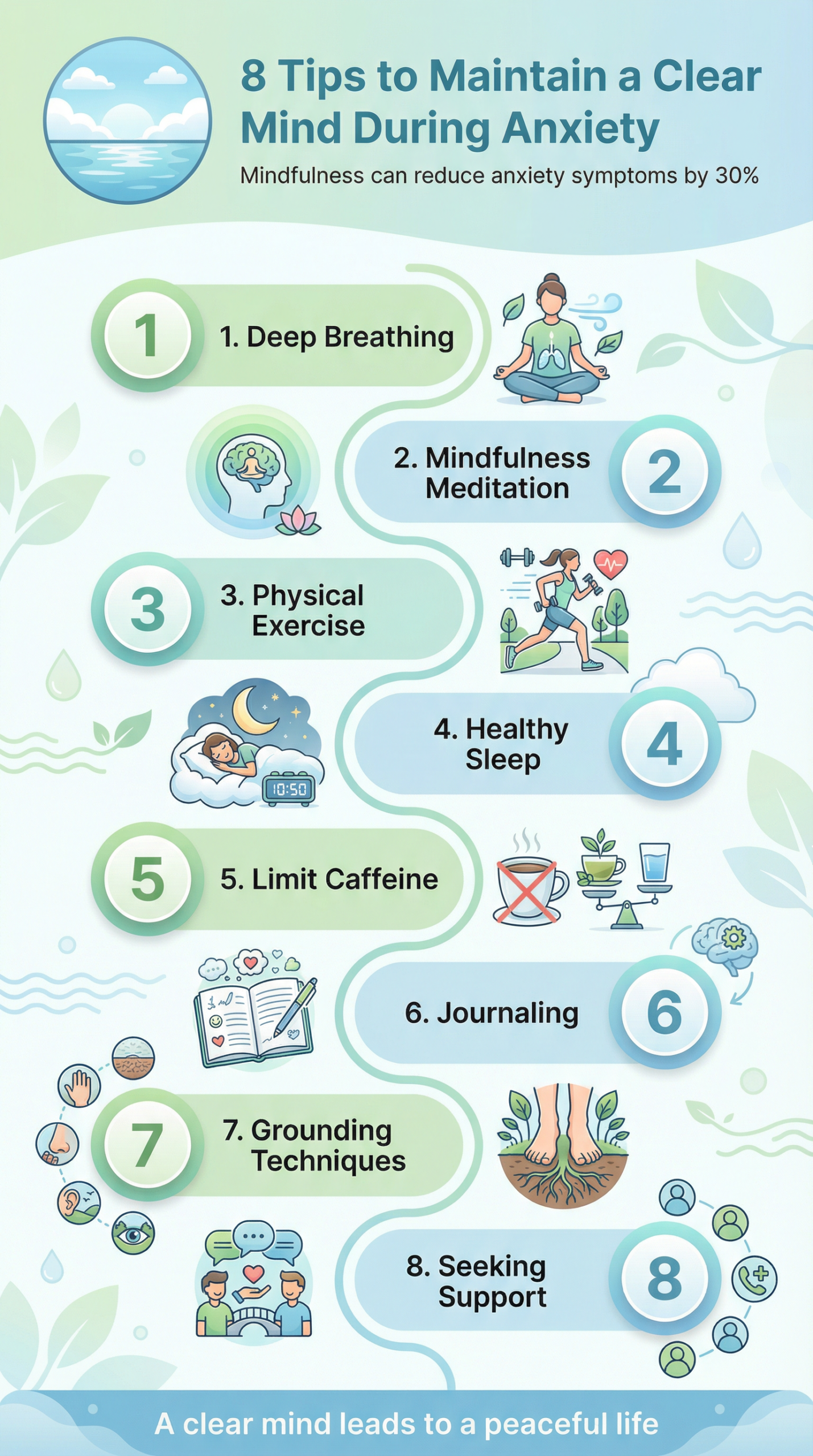
“8 Tips to Maintain a Clear Mind During Anxiety”
Eight practical, calming tips to keep your mind clear when anxiety strikes — from grounding and breathing to gentle routines you can start using today.

Bible Verses for Anxiety and Worry
Comforting Bible verses for anxiety and worry, with reflections to bring peace when fear feels overwhelming. Scripture-based reassurance for anxious hearts.
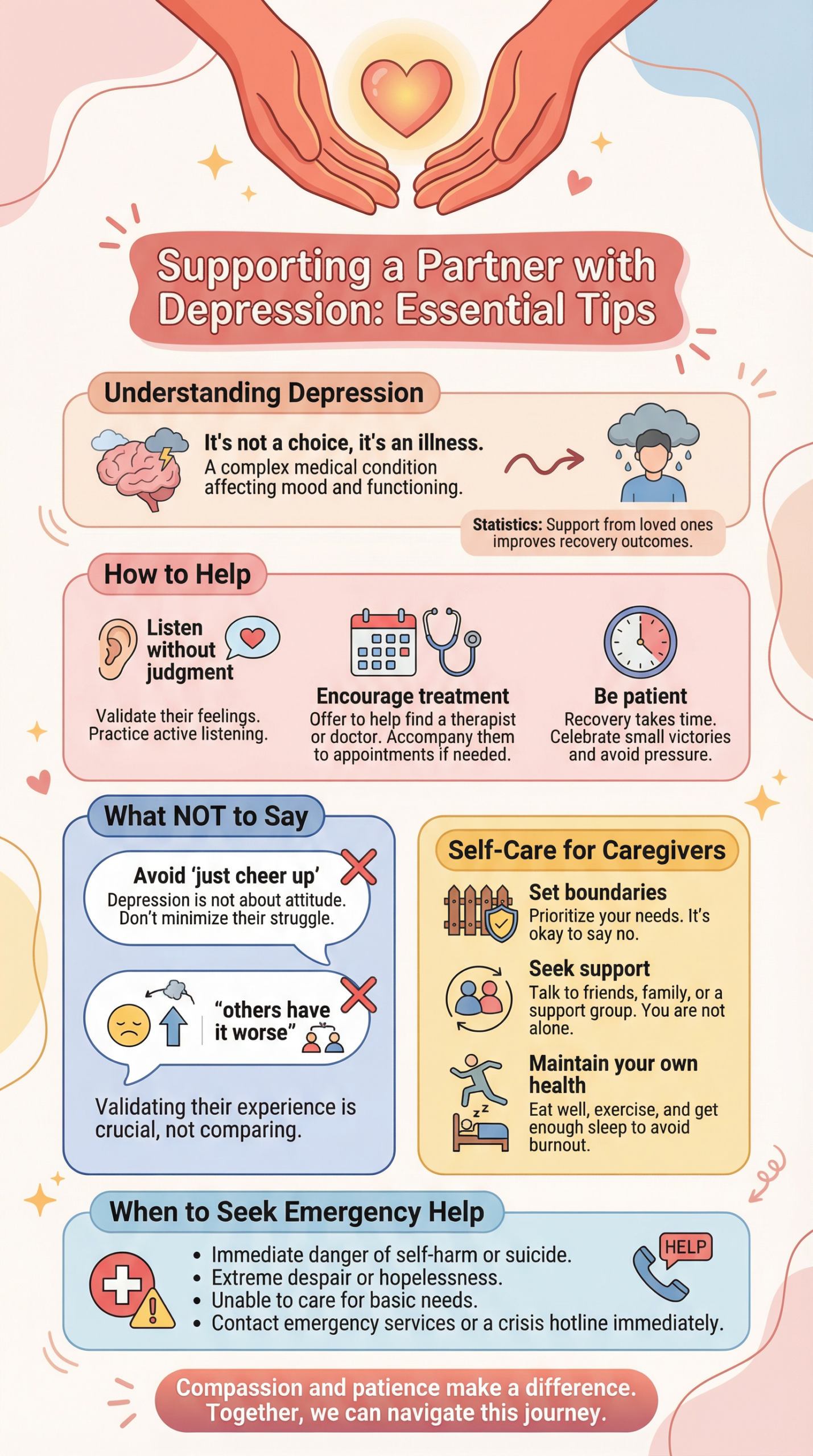
Essential Tips on How to Cope with a Partner with Depression
How to support a partner with depression while protecting your own wellbeing — practical ways to listen, encourage help and cope as a couple together.