How to overcome panik attacks due to agoraphobia: understanding, coping and recovery
Last updated:
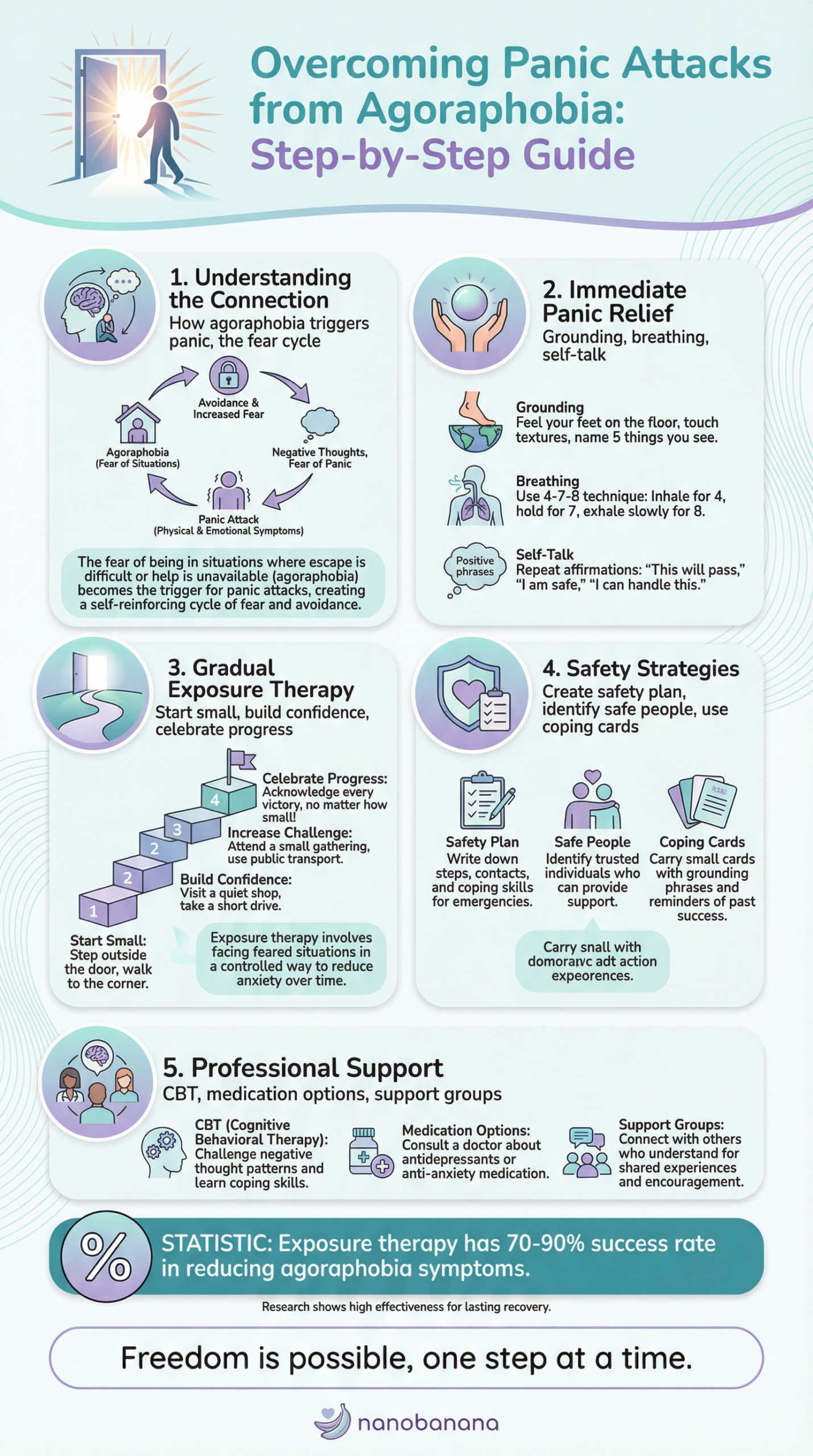
\n\n# Overcome panik attacks due to agoraphobia: understanding, coping and recovery **Agoraphobia and panic attacks are deeply interconnected.** Agoraphobia is an anxiety disorder marked by intense fear of situations in which escape might be difficult or help unavailable, such as crowds, open spaces or public transport. Many people avoid these situations because they are afraid of having a panic attack in public. Panic attacks are short, intense surges of fear accompanied by physical symptoms such as racing heart, dizziness, sweating and a sense of detachment. When panic attacks occur repeatedly and lead to avoidance behaviours, a cycle of agoraphobia can develop. This guide explores why this cycle occurs and provides evidence‑based techniques for overcoming panic attacks related to agoraphobia. ## What are panic attacks? Panic attacks are exaggerated fear responses. Mind, a UK mental‑health charity, notes that they are an amplification of the body’s normal reaction to danger, stress or excitement.
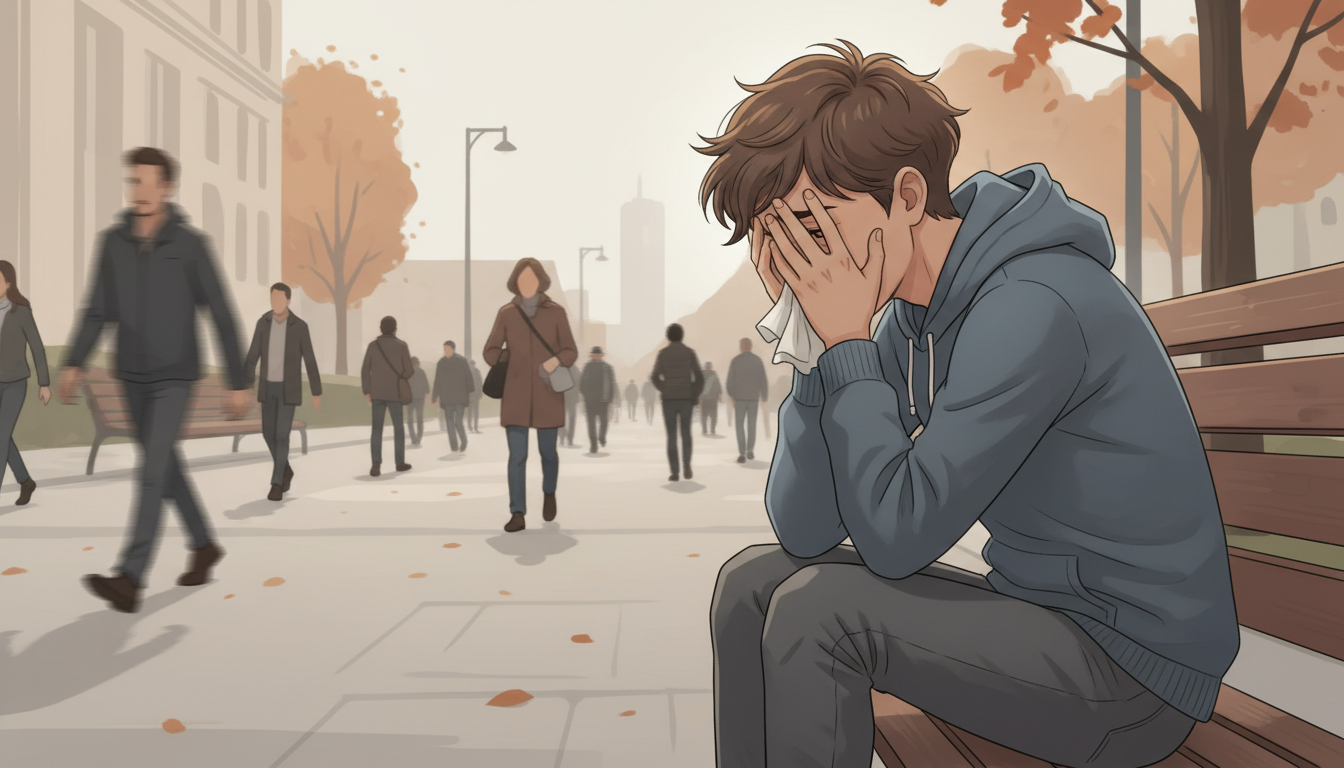
During a panic attack, physical symptoms build rapidly: a pounding heartbeat, feeling faint or dizzy, sweating, shaking, nausea, chest pain, difficulty breathing and a feeling of detachment from your surroundings. Many people fear they are losing control, fainting or even dying. Panic attacks often reach a peak within ten minutes and typically last between five and 20 minutes. They may occur unexpectedly, but specific triggers—like boarding a train, being in a queue or driving on a motorway—can provoke them. Fear of experiencing another attack in certain places can lead to agoraphobia. ## What is agoraph and why do panic attacks trigger it? Agoraphobia is an **anxiety disorder** that causes an intense fear of becoming overwhelmed or unable to escape. People often avoid places outside the home, crowded areas or public transport. It frequently develops as a consequence of panic disorder; about a third of people with panic disorder develop agoraphobia. Risk factors include having panic attacks, responding to panic with excessive fear, other phobias, traumatic life events and high sensitivity to anxiety. When panic attacks occur in particular places, people begin to associate those places with fear and avoid them, which reinforces agoraphobia. ### Symptoms of agoraphobia Symptoms are similar to panic attacks: chest pain or rapid heart rate, shaky feelings, hyperventilation or trouble breathing, dizziness and excessive sweating. Behavioural symptoms include avoiding situations or needing a companion to feel safe. A healthcare provider diagnoses agoraphobia when a person feels extreme fear or panic in at least two situations—such as using public transport, being in open or enclosed spaces or being in a crowd. ## Understanding the cycle of panic and avoidance During a panic attack, the natural urge is to escape to a “safe” place. NHS guidance suggests that staying where you are and resisting the urge to flee is vital. Running away may provide short‑term relief but reinforces the belief that the environment is dangerous, making future attacks more likely. By staying put and allowing the panic to peak and subside, you teach your brain that the situation is tolerable. Avoidance fuels agoraphobia. If you stop travelling on buses after a panic attack on public transport, the bus becomes scarier. Exposure therapy, a type of cognitive behavioural therapy (CBT), helps break this cycle. The Cleveland Clinic explains that exposure therapy gradually exposes you to the feared situation in a safe environment, allowing you to attach more realistic beliefs to the situation. Over time you become more comfortable with the experience of fear. ## Evidence‑based strategies to manage panic attacks during agoraphobia Managing panic attacks involves immediate coping techniques and long‑term therapeutic strategies. Here are evidence‑based methods supported by reputable sources. ### 1. Stay where you are and focus on the present – **Resist the urge to run.** The NHS advises staying in place during a panic attack—pull over if driving—so your brain learns that the situation is not dangerous. – **Focus on something non‑threatening.** Concentrate on your watch, items in a shop or another neutral object. Remind yourself that frightening sensations are signs of panic and will pass. – **Grounding and sensory focus.** Mind recommends grounding techniques, such as stamping on the spot, tasting mint sweets or touching something soft, to help you feel more in control during a panic attack. ### 2. Slow, deep breathing Feelings of panic worsen if you breathe quickly. The NHS suggests focusing on slow, deep breathing while counting to three on each inhale and exhale. Deep, diaphragmatic breathing has been shown to improve emotional well‑being and reduce panic symptoms. Try breathing in through your nose for a count of four, holding briefly, then breathing out slowly; place one hand on your chest and one on your abdomen to ensure your belly rises. ### 3. Challenge fearful thoughts During a panic attack, you might think you are having a heart attack or dying. Recognise that these are symptoms of panic and will pass. The NHS advises identifying what you fear and challenging it by reminding yourself that the feared outcome (e.g., fainting or dying) is not likely. This cognitive reframing is a key component of CBT. ### 4. Creative visualisation and mindfulness Visualising a peaceful place—such as a beach or garden—helps redirect your mind. The NHS recommends conjuring a soothing mental image during a panic attack and focusing on it. Mindfulness, which involves focusing attention on the present and observing emotions without judgment, can also be effective. ### 5. Don’t fight the attack Trying to fight or suppress the symptoms often intensifies them. Accepting the panic and letting it run its course can reduce its impact. Remind yourself that although the sensations are unpleasant and embarrassing, they are not life‑threatening. ### 6. After the attack: self‑care and communication After a panic attack, take care of your body by resting, hydrating and eating if needed. Tell someone you trust about what you experienced so they can support you. Sharing your feelings reduces isolation and helps others understand how to help if an attack occurs again. *Panic attacks often involve intense fear, physical discomfort and a desire to escape.* ## Long‑term treatments for overcoming panic attacks and agoraphobia While immediate coping strategies provide relief, long‑term recovery usually requires professional support. Treatment plans often include psychotherapy, medication and lifestyle changes. ### 1. Cognitive behavioural therapy (CBT) and exposure therapy CBT is the most effective psychotherapy for agoraphobia and panic disorders. It teaches you to identify thoughts that cause anxiety and replace them with more realistic ones. CBT programmes typically include relaxation training, cognitive restructuring and gradual exposure to feared situations. Exposure therapy is an essential part of CBT. The Cleveland Clinic notes that exposure therapy involves confronting fears in a safe, controlled manner. Types include imaginal exposure (visualising the feared situation), in vivo exposure (facing it in real life), interoceptive exposure (triggering physical sensations like a racing heart) and virtual reality exposure. Therapists may use graded exposure—starting with mildly challenging situations and progressing to more difficult ones—or flooding, where you face the most feared situation first. The NHS describes similar progression, with CBT sessions beginning with modest goals like visiting a local shop and gradually building up to more challenging tasks. CBT and exposure therapy can be delivered in person or online. Mayo Clinic advises that therapists may offer sessions via video, phone or home visits for individuals who are homebound. Some programmes provide intensive treatment in hospital settings for severe cases. ### 2. Medications Selective serotonin reuptake inhibitors (SSRIs) and serotonin–norepinephrine reuptake inhibitors (SNRIs) are often prescribed for agoraphobia and panic disorders. Benzodiazepines can relieve acute panic symptoms, but they carry risks of dependence and are recommended only for short‑term use. Always consult a healthcare provider before starting or stopping any medication. ### 3. Lifestyle changes and self‑help techniques Lifestyle plays a significant role in managing anxiety. Healthcare providers recommend several habits: – **Regular exercise and balanced diet.** Exercise relieves stress and improves mood, while a balanced diet supports overall health. – **Avoid alcohol, caffeine and recreational drugs.** These substances may worsen anxiety. – **Practice breathing exercises and relaxation.** Regularly practising deep breathing outside of panic episodes can make the technique more automatic when needed. – **Stay engaged.** Avoid avoiding. Continue to participate in activities and places you enjoy, even if you feel anxious. *Deep breathing and mindfulness can help you regain control during anxious moments.* ## Living with and overcoming agoraphobia Recovery from agoraphobia and panic attacks is possible. With treatment, many people regain independence and confidence. Cleveland Clinic emphasises that therapy, medication and lifestyle changes can help you participate in activities you enjoy with less fear. The NHS encourages a stepped approach: learn about your condition, use self‑help techniques, try guided self‑help programmes and, if needed, undergo CBT or medication. Combining these interventions addresses both the immediate symptoms and the underlying fear. ### Tips for progress – **Educate yourself.** Understanding how panic and agoraphobia work reduces fear and empowers you to challenge myths and misinterpretations. – **Keep a diary.** Track panic attacks, triggers, thoughts and behaviours. Recognising patterns helps you and your therapist create an exposure hierarchy. – **Set small, achievable goals.** Gradual exposure is key. Celebrate each step, whether it’s standing in a queue or riding a bus for one stop. – **Seek support.** Join support groups, online forums or speak to loved ones. Hearing others’ experiences can inspire you and reduce isolation. – **Be patient and compassionate with yourself.** Recovery takes time, and setbacks are normal. Remind yourself of your progress and keep practicing the techniques. ## When to seek professional help If panic attacks or avoidance behaviours interfere with your daily life—causing you to avoid work, study or social activities—seek professional help. A healthcare provider can assess your symptoms and recommend treatment. Cleveland Clinic stresses that early diagnosis and treatment increase the likelihood of recovery. Mayo Clinic notes that therapists can adapt sessions for people who cannot leave home, and intensive programmes are available for severe cases
Final thoughts Overcoming “panik attacks” due to agoraphobia is a journey that combines self‑help strategies, professional therapy and lifestyle adjustments.

Panic attacks are frightening but temporary, and they do not cause physical harm. By understanding the cycle of fear and avoidance, practising coping techniques like slow breathing and grounding, and engaging in CBT and exposure therapy, you can break free from the grip of agorap &np&
Deep breathing and mindfulness can help you regain control during anxious moments.
With commitment and support, it is possible to reclaim your independence and enjoy a life beyond fear.\n\n
Related Articles
Anxiety Attack Symptoms: How to Recognise and Respond
Learn to recognise anxiety attack symptoms quickly. Understand what's happening in your body and how to respond with confidence.

Anxiety Attack vs Panic Attack: What’s the Difference?
Anxiety attack vs panic attack - what's the difference? Understand the key distinctions so you can respond effectively in the moment.

Chronic Anxiety: When Anxiety Won’t Go Away
When anxiety won't go away, it can feel overwhelming. Understand chronic anxiety and discover strategies to break the long-term cycle.