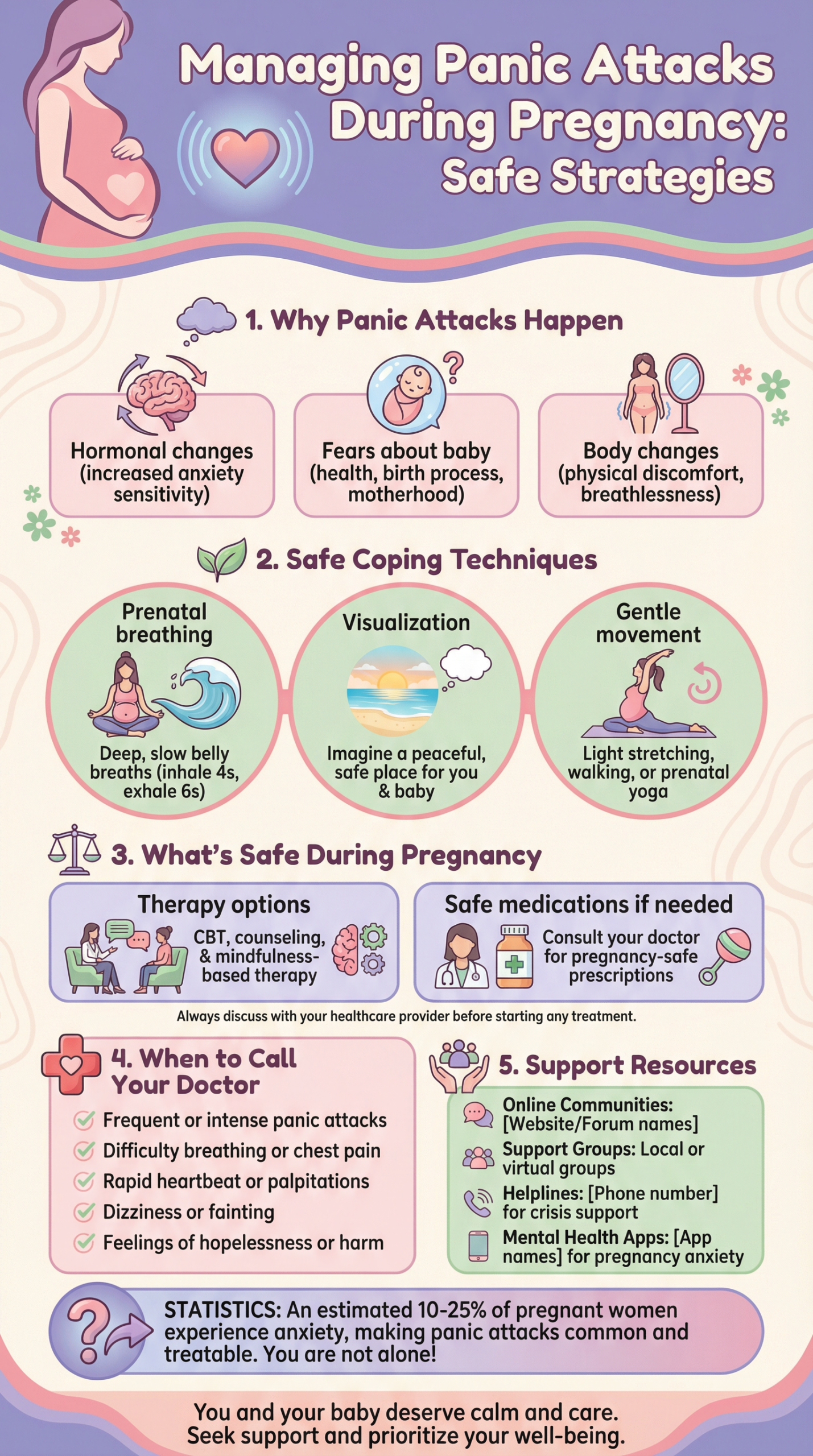
Managing Panic Attack While Pregnant: Essential StrategiesEssential Strategies for Managing Panic Attacks During Pregnancy
Last updated:
Key Highlights
- Pregnancy can bring about a rollercoaster of emotions and it’s important to manage anxiety and panic attacks during this time.
- Anxiety and panic attacks during pregnancy are common and can be caused by hormonal changes, previous miscarriages, and worries about the health of the baby, among other factors.
- Recognizing the symptoms of anxiety disorders during pregnancy is crucial, as they can be debilitating and affect day-to-day functioning.
- Untreated anxiety and panic attacks during pregnancy can have negative effects on both the mother and the fetus, including preterm birth, low birth weight, and other health complications.
- There are several strategies for managing panic attacks during pregnancy, including relaxation techniques, deep breathing exercises, and maintaining a healthy lifestyle.
- Seeking medical and professional support is important, and there are various therapy options and safe medications available for treating panic attacks during pregnancy.
- Self-care plays a crucial role in managing anxiety and panic attacks during pregnancy, and having a strong support system and engaging in stress-reducing activities can be beneficial.
Introduction
Pregnancy is a beautiful and transformative time in a woman’s life, but it can also come with its fair share of challenges. The hormonal changes, physical discomfort, and anticipation of becoming a parent can lead to a range of emotions, including anxiety and panic attacks. It’s important for expectant mothers to understand how to manage these feelings and prioritize their mental health for the well-being of both themselves and their babies.
Anxiety and panic attacks during pregnancy are more common than one might think. The surge of hormones, previous experiences of miscarriages, and the natural worries that come with carrying a child can all contribute to heightened anxiety levels. It’s completely normal to have concerns about the health of the baby, the delivery experience, or even the financial burden of adding a new member to the family. However, when these worries become overwhelming and start to interfere with daily life, it may be a sign of an anxiety disorder.
Managing anxiety and panic attacks during pregnancy is essential for the overall health and well-being of both the mother and the baby. In this blog, we will explore the causes of anxiety and panic attacks during pregnancy, the effects they can have on the pregnancy, and practical strategies for managing them. We will also discuss when to seek professional help and answer some frequently asked questions about panic attacks during pregnancy.
Understanding Panic Attacks During Pregnancy
Panic attacks can be a distressing experience for anyone, and when they occur during pregnancy, they can add an extra layer of concern. It’s important to understand the difference between panic disorder and anxiety disorder, as well as their impact on mental health during pregnancy.
Panic disorder is an anxiety disorder characterized by recurrent and unexpected panic attacks. These attacks are intense episodes of fear and discomfort that often come on suddenly and peak within a few minutes. Panic attacks can cause physical symptoms such as a rapid heartbeat, sweating, trembling, shortness of breath, and a sense of impending doom. They can also lead to emotional and psychological distress, making it difficult for individuals to carry out their daily activities.
Anxiety disorder, on the other hand, is a broader term that encompasses various conditions characterized by excessive and persistent worry or fear. It includes generalized anxiety disorder (GAD), social anxiety disorder, specific phobias, and panic disorder. Anxiety disorders can manifest in different ways, but they all involve heightened levels of anxiety that interfere with daily life.
During pregnancy, hormonal changes can contribute to the development or exacerbation of anxiety disorders, including panic disorder. The uncertainty and anticipation associated with pregnancy can also trigger anxiety and panic attacks. It’s important to remember that experiencing anxiety during pregnancy is common and doesn’t necessarily indicate a mental health disorder. However, when anxiety becomes overwhelming and starts to significantly impact daily functioning, it’s important to seek help and find strategies to manage it effectively.
The Difference Between Anxiety and Panic Attacks
While anxiety and panic attacks are closely related, there are distinct differences between the two. Anxiety is a general feeling of unease, worry, or fear that can be triggered by specific situations or occur without a specific cause. It can manifest as physical symptoms such as restlessness, muscle tension, irritability, and difficulty sleeping. Anxiety symptoms can also include racing thoughts, difficulty concentrating, and a sense of impending doom.
On the other hand, a panic attack is a sudden and intense episode of fear or discomfort that peaks within minutes. It is often accompanied by physical symptoms such as a rapid heartbeat, chest pain, shortness of breath, dizziness, and a feeling of being out of control. Panic attacks can be triggered by specific situations or occur unexpectedly. They can be extremely distressing and may lead to a fear of having future panic attacks, which can further exacerbate anxiety.
It’s important to note that while anxiety and panic attacks can coexist, not all individuals with anxiety will experience panic attacks. Understanding the difference between anxiety and panic attacks can help individuals recognize and manage their symptoms more effectively. If you’re experiencing persistent anxiety or panic attacks that significantly impact your daily life, it’s important to seek professional help to develop a personalized treatment plan.
Common Triggers of Panic Attacks in Pregnant Women
Pregnancy is a time of increased vulnerability and heightened emotions, which can make pregnant women more susceptible to panic attacks. While the exact causes of panic attacks can vary from person to person, there are several common triggers that pregnant women may experience. These triggers can include:
- Hormonal changes: Fluctuations in hormone levels during pregnancy can contribute to increased anxiety and the onset of panic attacks.
- Previous history of panic attacks: Women who have previously experienced panic attacks may be more prone to experiencing them during pregnancy due to the added stress and hormonal changes.
- Increased stress factors: Pregnancy can be a stressful time, with concerns about the health of the baby, financial worries, and changes in relationships. These stress factors can contribute to the development or exacerbation of panic attacks.
- Caffeine consumption: Consuming high amounts of caffeine during pregnancy has been linked to increased anxiety and panic attacks. It’s important for pregnant women to limit their caffeine intake to reduce the risk of panic attacks.
- Lack of sleep: Pregnancy can often disrupt sleep patterns, making it difficult to get adequate rest. Lack of sleep can contribute to increased anxiety and the likelihood of experiencing panic attacks.
It’s important for pregnant women to be aware of these triggers and take steps to manage them effectively. This may involve practicing stress-reduction techniques, limiting caffeine intake, seeking support from loved ones, and prioritizing self-care. If you have a history of panic attacks or are experiencing severe symptoms, it’s important to consult with your healthcare provider for additional support and guidance.
The Impact of Panic Attacks on Pregnancy
Experiencing panic attacks during pregnancy can have significant effects on both the mother and the baby. It’s important to understand the potential impact and seek appropriate management strategies.
How Panic Attacks Affect You and Your Baby
Panic attacks can have various effects on the health and well-being of both the mother and the baby. Research suggests that untreated anxiety and panic attacks during pregnancy can increase the risk of preterm birth and low birth weight. These factors can contribute to potential health complications for the baby, including developmental issues and a higher risk of certain conditions.
Furthermore, experiencing chronic anxiety and panic attacks during pregnancy can lead to high levels of stress hormones in the mother’s body. These stress hormones can cross the placenta and potentially affect the baby’s development and long-term health.
It’s important for expectant mothers to seek appropriate support and management strategies to minimize the impact of panic attacks on their pregnancy. By addressing anxiety and panic attacks, mothers can improve their own well-being and create a healthier environment for their baby’s growth and development.
The Long-term Effects of Untreated Panic Attacks During Pregnancy
The effects of untreated panic attacks during pregnancy can extend beyond the prenatal period. Research has shown that women who experience anxiety and panic attacks during pregnancy are at a higher risk of developing postpartum depression. Postpartum depression is a serious mental health condition that affects many new mothers and can have long-lasting negative effects on both the mother and the baby.
Untreated panic attacks and anxiety during pregnancy can also contribute to difficulties in the postpartum period, including challenges with bonding, breastfeeding, and overall adjustment to motherhood. It’s important for expectant mothers to seek appropriate support and treatment for their anxiety and panic attacks to minimize the risk of long-term effects on their mental health and the well-being of their baby.
Recognizing Symptoms of a Panic Attack
Recognizing the symptoms of a panic attack is crucial for managing and seeking appropriate help. Panic attacks can be distressing and may mimic symptoms of other medical conditions. Being able to identify the signs of a panic attack can help individuals take necessary steps to address the episode and seek appropriate support.
Physical Symptoms to Watch For
Panic attacks can manifest as various physical symptoms that can be alarming and mimic other medical conditions. Some physical symptoms to watch for during a panic attack include:
- Rapid heartbeat: The heart may start racing or pounding, and individuals may feel as though their heart is going to jump out of their chest.
- Difficulty breathing: Panic attacks can cause shortness of breath or a sensation of being smothered, which can be extremely distressing.
- Chest pain: Some individuals may experience chest pain or tightness, which can be mistaken for a heart attack.
- Numbness or tingling: Panic attacks can lead to sensations of numbness or tingling in the extremities, such as the fingers or toes.
- Dizziness or lightheadedness: Feeling dizzy or lightheaded is common during a panic attack and is often accompanied by a sense of impending doom.
It’s important to note that while these symptoms may be alarming, panic attacks are not life-threatening. However, if you have concerns about your symptoms or are unsure if you’re experiencing a panic attack, it’s always best to seek medical attention to rule out any other potential causes.
Emotional and Psychological Signs
In addition to physical symptoms, panic attacks can also manifest as emotional and psychological signs. These signs may include:
- Intense fear or dread: Panic attacks are often accompanied by an overwhelming sense of fear or impending doom.
- A sense of losing control: Individuals experiencing a panic attack may feel as though they are losing control or going crazy.
- Feeling detached or disconnected: Some individuals may feel as though they are detached from their surroundings or themselves, experiencing a sense of unreality or depersonalization.
- Overwhelming anxiety: Panic attacks can cause severe anxiety, making it difficult to concentrate or carry out daily activities.
It’s important to remember that everyone’s experience with panic attacks may be different, and not all of these symptoms may be present during an episode. If you’re experiencing severe anxiety or are unsure if you’re having a panic attack, it’s important to reach out to a healthcare provider for an accurate diagnosis and appropriate support.
Practical Strategies for Managing Panic Attacks
Managing panic attacks during pregnancy requires a multifaceted approach that focuses on both physical and emotional well-being. Fortunately, there are several practical strategies that can help individuals cope with and reduce the frequency and intensity of panic attacks.

One effective strategy for managing panic attacks is the practice of relaxation techniques. These techniques help to calm the mind and body, promoting a sense of peace and tranquility. Deep breathing exercises, such as diaphragmatic breathing, can be particularly helpful in reducing anxiety and panic symptoms. By focusing on slow, controlled breaths, individuals can activate the body’s relaxation response and counteract the physiological effects of panic.
In addition to relaxation techniques, maintaining a healthy diet can also play a role in managing panic attacks. Certain foods and beverages, such as those high in caffeine or sugar, can exacerbate anxiety symptoms. It’s important to limit or avoid these substances and instead focus on a balanced diet that includes plenty of fruits, vegetables, whole grains, and lean proteins. This can help stabilize blood sugar levels and promote overall well-being.
Regular exercise is another powerful tool for managing panic attacks. Engaging in physical activity releases endorphins, the body’s natural mood boosters, and helps to reduce stress. Whether it’s going for a walk, practicing prenatal yoga, or swimming, finding activities that you enjoy and that fit your physical capabilities can contribute to overall mental and physical well-being.
Breathing Techniques That Help
Deep breathing exercises are a valuable tool in managing panic attacks during pregnancy. These techniques help to activate the body’s relaxation response, counteracting the physiological effects of panic.
One effective breathing technique for managing panic attacks is diaphragmatic breathing. This technique involves breathing deeply into the diaphragm, rather than shallowly into the chest. To practice diaphragmatic breathing, follow these steps:
- Find a comfortable position, either sitting or lying down.
- Place one hand on your chest and the other hand on your abdomen, just below your ribcage.
- Take a slow, deep breath in through your nose, allowing your abdomen to rise as you fill your lungs with air. Visualize your breath flowing into your belly.
- Exhale slowly through your mouth, allowing your abdomen to fall as you release the air.
- Continue breathing deeply and slowly, focusing on the rise and fall of your abdomen.
Practicing diaphragmatic breathing for a few minutes each day, or during a panic attack, can help promote relaxation and reduce anxiety symptoms. It’s important to remember that everyone’s breathing pattern may differ, and finding a technique that works best for you is key. If you have any concerns or questions about practicing deep breathing exercises during pregnancy, consult with your healthcare provider.
Lifestyle Changes for Reducing Stress
Making lifestyle changes can significantly reduce stress and contribute to the management of panic attacks during pregnancy. Here are some effective strategies for reducing stress and promoting overall well-being:
- Engage in regular physical activity: Physical activity releases endorphins, which are natural mood boosters. Find activities that you enjoy and that are safe during pregnancy, such as walking, swimming, or practicing prenatal yoga.
- Maintain a healthy diet: A balanced diet rich in fruits, vegetables, whole grains, and lean proteins can support overall well-being and help stabilize blood sugar levels, reducing the risk of anxiety and panic attacks.
- Practice stress-reducing activities: Find activities that help you relax and unwind, such as reading, taking baths, practicing mindfulness or meditation, or listening to calming music.
- Establish a support system: Surround yourself with family and friends who provide love, understanding, and support. Having a strong support system can make a significant difference in managing anxiety and panic attacks during pregnancy.
By incorporating these lifestyle changes into your daily routine, you can create a healthier and more balanced lifestyle that promotes mental and physical well-being during pregnancy.
Medical and Professional Support Options
Seeking medical and professional support is crucial for managing panic attacks during pregnancy. Healthcare providers can offer guidance, personalized treatment options, and support throughout the pregnancy journey.
When to Seek Help from a Healthcare Provider
If you’re experiencing panic attacks that significantly impact your daily life or are concerned about your mental health during pregnancy, it’s important to seek help from a healthcare provider. They can provide an accurate diagnosis, recommend the best treatment options, and offer support throughout your pregnancy journey.
It’s especially important to seek help if you’re experiencing severe symptoms, such as frequent panic attacks, extreme anxiety, or difficulty functioning in daily life. Your healthcare provider can help determine if medication or therapy is appropriate and can refer you to specialists or mental health services. Don’t hesitate to reach out to your GP or the NHS for support and guidance during this time.
Therapy Types Effective for Panic Attacks During Pregnancy
Therapy can be an effective treatment option for managing panic attacks during pregnancy. Two types of therapy that have shown promise in the perinatal period are cognitive-behavioral therapy (CBT) and psychotherapy. These therapies can help individuals challenge maladaptive thoughts, emotions, and actions, and provide anxiety management strategies.
In some cases, medications may be necessary to manage severe symptoms of panic attacks. Selective serotonin reuptake inhibitors (SSRIs) are commonly prescribed for depression and anxiety during pregnancy. They have been found to be generally safe and not associated with an increased risk of major congenital malformations. However, SSRIs may be associated with transient neonatal symptoms that resolve on their own.
Benzodiazepines such as lorazepam (Ativan) and alprazolam (Xanax) have long been a controversial topic when it comes to pregnancy. While older studies suggested a potential risk, more recent research indicates that their use alone is not associated with an increased risk of birth defects. However, combining benzodiazepines with antidepressants may increase the risk. It’s important to discuss the potential risks and benefits of medication options with your healthcare provider to determine the best course of action.
| Therapy Type | Description |
| Cognitive-Behavioral Therapy (CBT) | Focuses on challenging maladaptive thoughts, emotions, and actions to manage anxiety and panic attacks |
| Psychotherapy | Involves talking to a trained therapist to explore and address underlying issues contributing to anxiety and panic attacks |
| Selective Serotonin Reuptake Inhibitors (SSRIs) | Medications commonly prescribed for depression and anxiety during pregnancy. They are generally safe and not associated with an increased risk of major congenital malformations. However, they may cause transient neonatal symptoms that resolve on their own. |
| Benzodiazepines | Medications that may be prescribed for severe symptoms but come with potential risks when used alone or in combination with other medications |
Self-care Tips for Expectant Mothers
In addition to medical and professional support, self-care plays a crucial role in managing panic attacks during pregnancy. Taking care of yourself physically, emotionally, and mentally is essential for overall well-being.

Importance of a Support System
Having a strong support system is essential for managing panic attacks during pregnancy. Family members, partners, and friends can provide understanding, love, and support during times of anxiety and panic. They can be a source of comfort and reassurance and can help you navigate the challenges of pregnancy.
During moments of panic, reaching out to a trusted family member or friend can provide a sense of grounding and reassurance. They can offer a listening ear, distraction techniques, or simply be present with you during the episode. Having someone who understands your struggles and supports your mental health journey can make a significant difference in managing panic attacks.
If you don’t have a built-in support system, consider joining support groups or seeking out online communities where you can connect with other expectant mothers who may be experiencing similar challenges. Remember, you don’t have to face panic attacks alone, and seeking support is an important part of self-care during pregnancy.
Activities and Hobbies That Reduce Stress
Engaging in activities and hobbies that reduce stress can be incredibly beneficial for managing panic attacks during pregnancy. Here are some stress-reducing activities to consider:
- Practice yoga: Prenatal yoga classes can help promote relaxation, flexibility, and mindfulness. Yoga combines gentle movements, breathwork, and meditation, providing a holistic approach to managing anxiety and stress.
- Mindfulness and meditation: Incorporating mindfulness and meditation practices into your daily routine can help calm the mind, reduce anxiety, and improve overall well-being. There are various apps and resources available that provide guided meditations specifically tailored to pregnancy.
- Engage in creative outlets: Painting, drawing, writing, or engaging in any creative outlet can serve as a form of self-expression and stress relief. Find activities that bring you joy and help you relax.
- Connect with nature: Spending time outdoors and connecting with nature has been shown to reduce stress and promote a sense of well-being. Take leisurely walks in nature, spend time gardening, or simply sit outside and enjoy the fresh air.
Finding activities and hobbies that resonate with you and bring you joy can significantly contribute to your overall mental health during pregnancy. Explore different options and prioritize self-care as an essential part of managing panic attacks.
Conclusion
In conclusion, managing panic attacks during pregnancy is crucial for the well-being of both the mother and the baby. Understanding the triggers, symptoms, and practical strategies can help alleviate the impact of panic attacks on pregnancy. Seeking medical and professional support, practicing self-care, and having a strong support system are essential components in coping with panic attacks while pregnant. Remember, it’s okay to seek help and prioritize your mental health during this delicate phase. By implementing effective management techniques and seeking support, you can navigate through this challenging time with more ease and confidence.
Frequently Asked Questions
Can panic attacks harm my baby?
Panic attacks themselves do not directly harm the baby. However, untreated anxiety and panic attacks during pregnancy can increase the risk of preterm birth and low birth weight. It’s important to manage anxiety to promote a healthy pregnancy.
Are there safe medications for panic attacks during pregnancy?
Selective serotonin reuptake inhibitors (SSRIs) are commonly prescribed for panic attacks and anxiety during pregnancy. They have been found to be generally safe and not associated with an increased risk of birth defects. However, benzodiazepine use may carry potential risks and should be discussed with a healthcare provider.
How can partners help during a panic attack?
Partners can provide invaluable support during a panic attack by remaining calm, offering reassurance, and using relaxation techniques such as deep breathing. Being present and empathetic can help the person experiencing a panic attack feel supported and safe.
When should I seek emergency help for a panic attack?
If you experience severe symptoms during a panic attack, such as chest pain, difficulty breathing, or a sense of impending doom, it’s important to seek emergency help immediately. If you’re unsure, always consult with a healthcare provider to determine the best course of action.
How common are panic attacks during pregnancy?
Panic attacks during pregnancy are relatively common, affecting up to one in five women. Perinatal anxiety, which includes panic attacks, is a widespread issue that many pregnant women experience. It’s important to seek support and management strategies if you’re experiencing panic attacks during pregnancy.
What are some triggers for panic attacks in pregnant women?
Pregnant women can experience panic attacks triggered by various factors, including hormonal changes, previous history of panic attacks, increased stress factors, and high caffeine intake. Identifying these triggers and managing them effectively is essential for managing panic attacks during pregnancy.
Are there any specific risks associated with experiencing panic attacks during pregnancy?
Untreated panic attacks during pregnancy can increase the risk of preterm birth and low birth weight. Chronic anxiety and panic attacks may also have long-term effects on the mental health of the mother and the well-being of the baby. Seeking appropriate support is crucial for minimizing these risks.
Related Articles

Anxiety Attack Symptoms: How to Recognise and Respond
Learn to recognise anxiety attack symptoms quickly. Understand what's happening in your body and how to respond with confidence.

Anxiety Attack vs Panic Attack: What’s the Difference?
Anxiety attack vs panic attack - what's the difference? Understand the key distinctions so you can respond effectively in the moment.

Chronic Anxiety: When Anxiety Won’t Go Away
When anxiety won't go away, it can feel overwhelming. Understand chronic anxiety and discover strategies to break the long-term cycle.