
Coping strategies for agoraphobia: Practical tips for everyday challenges
Last updated:
Agoraphobia can make everyday tasks feel overwhelming. This anxiety disorder often leads people to avoid places or situations that might trigger panic. Coping with agoraphobia in daily life requires patience and practice. Learning effective strategies can help manage symptoms and improve quality of life.
Many people with agoraphobia struggle to leave their homes or enter crowded spaces. This can affect work, relationships, and overall wellbeing. Practical tips for facing fears can make a big difference. Small steps, like short walks or brief outings, can build confidence over time. Support from loved ones and mental health professionals is crucial. Therapy and coping skills can provide tools to manage anxiety. These might include breathing exercises, mindfulness, or challenging negative thoughts. With the right help, many people find ways to live fuller lives despite agoraphobia. Key Takeaways
Agoraphobia symptoms can be managed with effective coping strategies Gradual exposure to feared situations helps build confidence Professional help and support networks play a vital role in recovery
Understanding Agoraphobia
Agoraphobia is a complex anxiety disorder that can significantly impact daily life. It involves intense fear and avoidance of certain places or situations. This section explores the definition, symptoms, causes, and triggers of agoraphobia. Defining Agoraphobia Agoraphobia is an anxiety disorder characterised by fear of places or situations that might cause panic or feelings of being trapped. People with agoraphobia often avoid:
Crowded spaces Open areas Public transport Enclosed spaces
This fear can be so intense that some individuals struggle to leave their homes. Agoraphobia often develops after experiencing panic attacks, leading to a fear of future attacks. Recognising Symptoms Agoraphobia symptoms can vary in intensity and may include:
Rapid heartbeat Sweating Trembling Difficulty breathing Nausea Chest pain Feeling dizzy or faint
These physical symptoms are often accompanied by intense anxiety and a strong desire to escape the situation. In severe cases, individuals may experience panic attacks when exposed to feared situations or even when thinking about them. Identifying Causes and Triggers The exact causes of agoraphobia are not fully understood, but several factors may contribute:
Genetics: A family history of anxiety disorders Brain chemistry: Imbalances in neurotransmitters Environmental factors: Traumatic experiences or stressful life events
Common triggers for agoraphobia include:
Crowded places (shopping centres, concerts) Open spaces (car parks, bridges) Enclosed spaces (lifts, small rooms) Public transport (buses, trains, aeroplanes) Being alone outside the home
Understanding these triggers can help individuals and healthcare professionals develop effective coping strategies and treatment plans. Seeking Professional Help
Getting expert support is crucial for managing agoraphobia. A proper diagnosis and personalised treatment plan can make a big difference in recovery. There are several effective options to explore with mental health professionals. Importance of Professional Diagnosis A proper diagnosis is key for treating agoraphobia. Mental health experts use specific criteria to identify the condition. They look at symptoms like fear of open spaces and avoidance behaviours. A professional can tell agoraphobia apart from other anxiety disorders. This is important because treatments may differ. They also check for any other mental health issues that might be present. Seeking help is a sign of strength, not weakness. Early diagnosis often leads to better outcomes. It allows for timely intervention and support.
Exploring Therapy Options Cognitive Behavioural Therapy (CBT) is a leading treatment for agoraphobia. It helps people change unhelpful thoughts and behaviours. Exposure therapy, a type of CBT, is particularly effective. In exposure therapy, individuals gradually face feared situations. This helps reduce anxiety over time. A therapist provides support and guidance throughout the process. Other helpful therapies include:
Mindfulness-based techniques Acceptance and Commitment Therapy (ACT) Group therapy for peer support
Therapists can tailor treatment plans to each person’s needs. They may use a mix of approaches for the best results. Considering Medication Management Medication can be a helpful part of agoraphobia treatment. It’s often used alongside therapy for better outcomes. A psychiatrist or GP can advise on suitable options. Common medications for agoraphobia include:
Selective Serotonin Reuptake Inhibitors (SSRIs) Serotonin-Norepinephrine Reuptake Inhibitors (SNRIs) Benzodiazepines (for short-term use)
SSRIs and SNRIs are types of antidepressants. They can help reduce anxiety symptoms. Benzodiazepines provide quick relief but are usually only for short periods. Beta-blockers might be prescribed to manage physical symptoms like rapid heartbeat. It’s important to discuss potential side effects and benefits with a doctor. Adopting Effective Coping Strategies
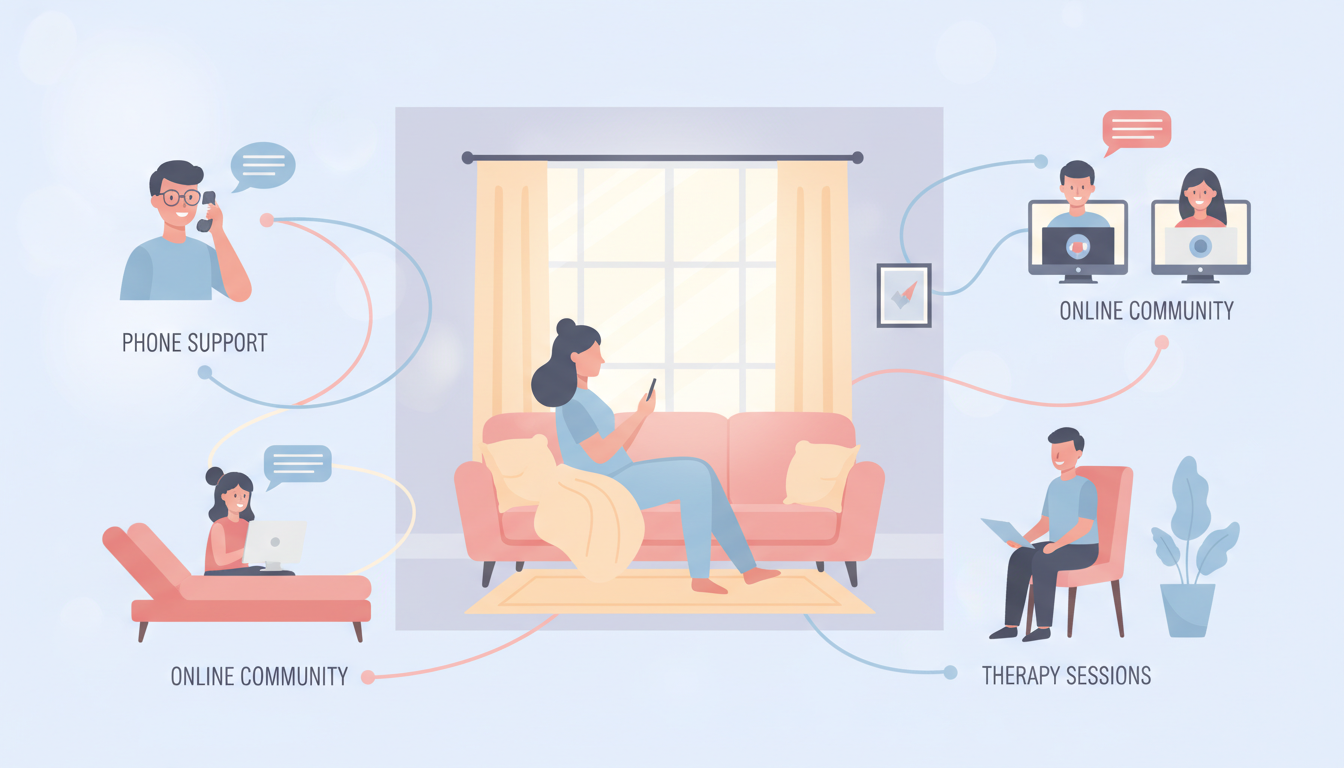
Coping with agoraphobia involves a range of techniques and approaches. These strategies aim to reduce anxiety, build confidence, and expand one’s comfort zone. Building a Support Network A strong support network is crucial for managing agoraphobia. Friends and family can provide emotional support and practical help. They may accompany the person on outings or assist with daily tasks. Support groups can be invaluable. They offer a safe space to share experiences and learn from others facing similar challenges. Online forums and virtual support groups are also helpful, especially for those who struggle to leave home. Professional support is essential. A therapist or counsellor can provide personalised guidance and treatment. They can help develop coping strategies tailored to individual needs. It’s important to communicate openly with loved ones about agoraphobia. This helps them understand the condition and how best to offer support. Utilising Cognitive-Behavioural Therapy (CBT) CBT is a highly effective treatment for agoraphobia. It helps identify and change negative thought patterns and behaviours. Key aspects of CBT for agoraphobia include:
Identifying triggers and anxious thoughts Challenging irrational beliefs Developing coping statements Practising relaxation techniques
CBT often involves homework assignments. These might include keeping a thought diary or practising new coping skills. Cognitive restructuring is a core component of CBT. It involves examining and changing unhelpful thoughts about feared situations. Gradual exposure is often combined with CBT. This helps build confidence in managing anxiety-provoking situations. Incorporating Exposure Therapy Exposure therapy is a key part of agoraphobia treatment. It involves gradually facing feared situations in a controlled manner. Steps in exposure therapy might include:
Creating a fear hierarchy Starting with less challenging situations Gradually working up to more difficult scenarios Practising regularly to maintain progress
It’s important to work with a therapist when doing exposure therapy. They can guide the process and provide support. Virtual reality exposure is a newer approach. It allows people to face feared situations in a safe, controlled environment. Exposure therapy helps reduce anxiety over time. It shows that feared outcomes often don’t happen, or aren’t as bad as expected. Learning Relaxation Techniques Relaxation techniques are valuable tools for managing anxiety. They can help reduce physical symptoms and promote calm. Common relaxation techniques include:
Deep breathing exercises Progressive muscle relaxation Guided imagery Body scanning
Regular practice is key. It’s helpful to learn these techniques when calm and use them in anxious moments. Deep breathing can quickly reduce anxiety. It involves taking slow, deep breaths from the diaphragm. Progressive muscle relaxation involves tensing and relaxing different muscle groups. This helps release physical tension associated with anxiety. These techniques can be used anywhere, making them valuable for managing anxiety in various situations. Enhancing Routine with Mindfulness Practices Mindfulness can be a powerful tool for managing agoraphobia. It involves focusing on the present moment without judgement. Key mindfulness practices include:
Meditation Mindful breathing Body awareness exercises Mindful walking
Regular mindfulness practice can reduce overall anxiety levels. It helps create distance from anxious thoughts and feelings. Mindfulness techniques can be used in everyday situations. This might involve focusing on sensory experiences during daily activities. Mindfulness apps and guided recordings can be helpful tools. They provide structure and guidance for practice. Incorporating mindfulness into daily routine can improve overall mental well-being. It can help build resilience against anxiety and stress. Navigating Daily Life with Agoraphobia
Agoraphobia can make everyday tasks feel challenging. With the right strategies, people can learn to manage their symptoms and improve their quality of life. Adjusting to Public Transportation Using public transport can be daunting for those with agoraphobia. To make it less overwhelming, take short trips during off-peak hours. Sitting near exits can help reduce anxiety. Practise deep breathing exercises before and during the journey. Listening to calming music or podcasts can serve as a helpful distraction. Gradually increase trip length as comfort grows. Consider asking a trusted friend to accompany you initially. Remember, it’s okay to exit if overwhelmed. Each attempt is progress, even if the destination isn’t reached. Managing Grocery Shopping and Social Events Grocery shopping can be simplified by making a list and going during quieter times. Online shopping is a viable alternative when leaving home feels too difficult. For social events, arrive early to acclimate to the environment. Have an exit strategy planned, but try to stay for a set time before leaving. Communicate your needs to friends and family. They can offer support and understanding, making social interactions less stressful. Practise relaxation techniques before and during events. Focus on small victories, like staying for 10 minutes longer than last time. Overcoming Isolation and Celebrating Progress Isolation often accompanies agoraphobia, but connection is crucial for recovery. Start by reaching out to loved ones via phone or video calls. Join online support groups for people with agoraphobia. These provide a safe space to share experiences and coping strategies. Set small, achievable goals each week. This might include walking to the end of the street or visiting a local park. Celebrate every accomplishment, no matter how small it may seem. Keep a journal to track progress and reflect on growth. Consider professional help if symptoms persist. A therapist can provide tailored strategies for managing agoraphobia and improving daily life. Developing Personalised Recovery Plans
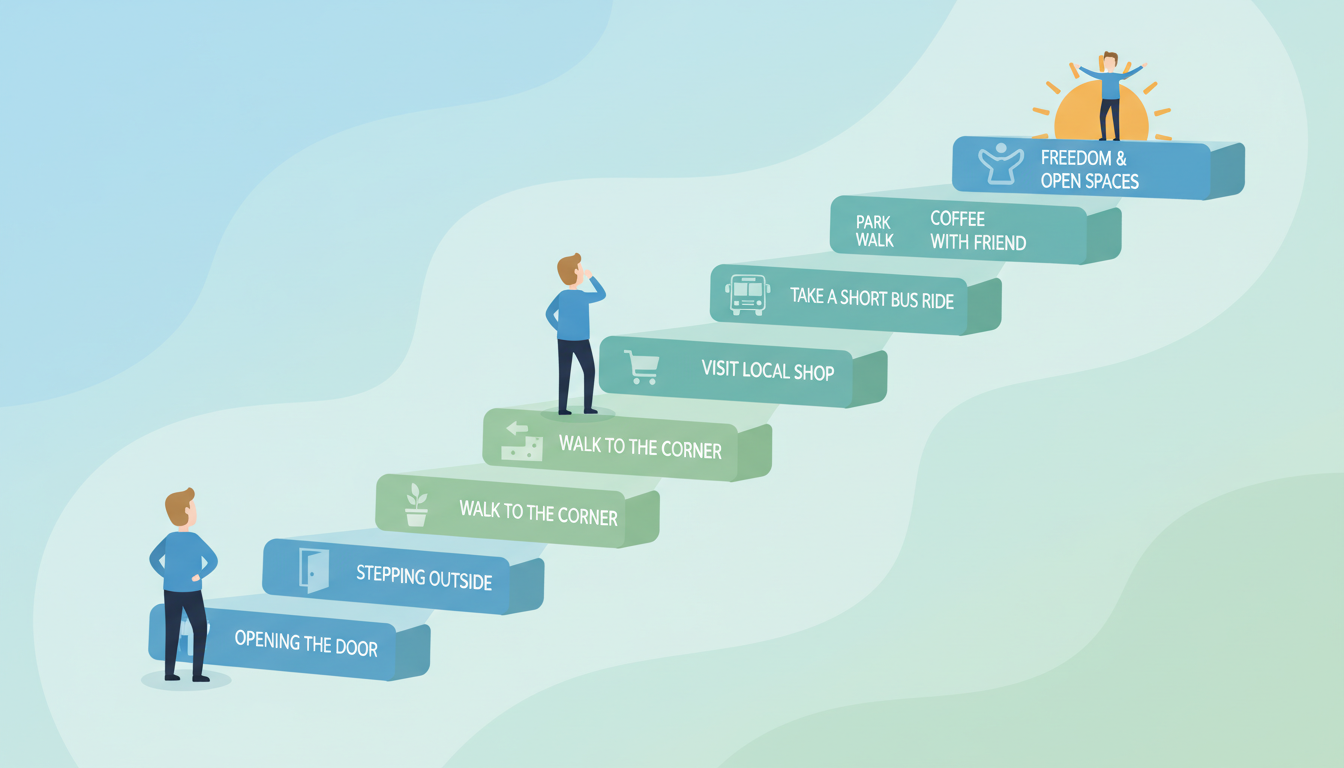
A tailored approach is key for overcoming agoraphobia. Personalised plans help individuals face fears at their own pace and track progress effectively. Creating a Hierarchy of Feared Situations Building a hierarchy of feared situations is a crucial step in recovery. This involves listing anxiety-provoking scenarios from least to most challenging. Start with mildly uncomfortable situations, then progress to more anxiety-inducing scenarios. Make sure to include specific details for each situation. For example:
Standing outside the front door for 1 minute Walking to the end of the street Visiting a local shop during quiet hours
This hierarchy serves as a roadmap for gradual exposure. It allows individuals to tackle fears systematically, building confidence with each step. Setting Goal-Oriented Milestones Establishing clear, achievable milestones is vital for measuring progress and maintaining motivation. These goals should be:
Specific Measurable Attainable Relevant Time-bound
Examples of goal-oriented milestones:
Visit the local park twice a week for 15 minutes Take a short bus ride once a month Attend a social gathering with a trusted friend quarterly
Celebrating progress, no matter how small, is essential. It reinforces positive behaviours and boosts confidence. Individuals should reward themselves for reaching milestones, acknowledging each step forward in their recovery journey. Innovative Treatment Approaches
New therapies for agoraphobia offer promising options beyond traditional methods. These approaches aim to reduce anxiety and increase quality of life for those struggling with this condition. Exploring Virtual Reality Therapy Virtual reality therapy is an exciting development in agoraphobia treatment. It allows people to face feared situations in a controlled, safe environment. Patients wear VR headsets to experience simulated scenarios like crowded shops or public transport. A therapist guides the patient through these virtual experiences. They help the person develop coping skills and build confidence. The intensity of the scenarios can be adjusted to match the patient’s comfort level. Studies show VR therapy can be as effective as in-person exposure therapy. It’s especially helpful for those who find real-world exposure too daunting at first. Considering Alternative Medications and Supplements While traditional anti-anxiety medications are common, new options are emerging. Some doctors now prescribe atypical antipsychotics in low doses for severe cases. These can help reduce anxiety and panic symptoms. Natural supplements like kava and passionflower are being studied for their calming effects. However, it’s crucial to consult a doctor before trying any new treatments. Personalised medicine approaches are also gaining ground. Genetic testing can help identify which medications might work best for each individual. This tailored approach may lead to better outcomes and fewer side effects.
Maintaining Mental and Physical Health
Taking care of both mental and physical health is key for managing agoraphobia. A balanced approach can help reduce symptoms and boost overall well-being. Implementing Lifestyle Changes Making small changes to daily habits can have a big impact on agoraphobia symptoms. A regular sleep schedule is crucial. Aim for 7-9 hours of sleep each night. Eating a balanced diet rich in fruits, veg, and whole grains can help stabilise mood. Cut back on caffeine and alcohol, as they can worsen anxiety. Maintaining a regular routine provides structure and comfort. Set meal times, sleep schedules, and daily activities. Try relaxation techniques like deep breathing or meditation. These can calm the mind and ease physical symptoms of anxiety. Prioritising Physical Fitness Exercise is a powerful tool for managing agoraphobia. It releases endorphins, which boost mood and reduce stress. Start small with gentle activities like walking or yoga. Gradually increase intensity as comfort levels improve. Aim for 30 minutes of moderate exercise most days of the week. This could include:
Brisk walking Swimming Cycling Dancing
Exercise outdoors when possible. This can help expand comfort zones and reduce fear of open spaces. Consider joining a fitness class or group. This provides social interaction and support, which are beneficial for mental health. Addressing Comorbid Conditions like Depression Agoraphobia often occurs alongside other mental health issues, especially depression. It’s important to address these conditions together. Cognitive Behavioural Therapy (CBT) can be effective for both agoraphobia and depression. It helps change negative thought patterns and behaviours. Anti-anxiety medications may be prescribed to manage symptoms. These should be used under medical supervision. Support groups can provide a safe space to share experiences and coping strategies. They can help reduce feelings of isolation. Self-care is vital. This includes activities that bring joy and relaxation, such as reading, art, or listening to music. Understanding Related Disorders
Agoraphobia often coexists with other anxiety disorders. Brain chemistry and environmental factors play key roles in their development and manifestation. Differentiating from Panic Disorder and Social Anxiety Panic disorder and agoraphobia share some similarities but are distinct conditions. Panic disorder involves sudden, intense fear episodes called panic attacks. These can happen anywhere, while agoraphobia focuses on specific places or situations. People with agoraphobia may experience panic attacks, but their fear centres on being trapped or embarrassed in public. Social anxiety, on the other hand, involves fear of social interactions and judgement from others. Key differences:
Panic disorder: Unexpected panic attacks Agoraphobia: Fear of specific places or situations Social anxiety: Fear of social interactions and scrutiny
Acknowledging Environmental and Brain Chemistry Factors Both environmental and biological factors contribute to anxiety disorders. Traumatic experiences or witnessing others’ anxious behaviours can trigger agoraphobia. Brain chemistry imbalances, particularly involving neurotransmitters like serotonin, also play a role. Environmental factors:
Childhood trauma Witnessing anxious behaviour in family members Stressful life events
Brain chemistry factors:
Imbalances in neurotransmitters Genetic predisposition to anxiety disorders
Research suggests that a combination of these factors often leads to the development of agoraphobia and related anxiety disorders. Understanding these connections can help in developing effective treatment plans. Preventative Measures and Ongoing Support
Preventing agoraphobia relapse and maintaining progress requires continuous support and engagement. Key strategies include professional guidance and participation in support groups. Preventing Relapse through Continuous Support Professional guidance plays a vital role in preventing agoraphobia relapse. Regular check-ins with a therapist help monitor progress and address any emerging concerns. Therapists may suggest periodic ‘booster’ sessions to reinforce coping skills. These sessions can be especially helpful during stressful life events or transitions. Developing a personalised coping toolkit is crucial. This might include:
Relaxation techniques Mindfulness exercises Positive self-talk strategies
Maintaining a consistent self-care routine is essential. This includes regular exercise, a balanced diet, and adequate sleep. Encouraging Engagement in Support Groups Support groups offer invaluable benefits for those managing agoraphobia. They provide a safe space to share experiences and learn from others facing similar challenges. Regular attendance can help individuals:
Feel less isolated Gain new coping strategies Build confidence in social situations
Online support groups are particularly useful for those who find it difficult to leave home. They offer flexibility and accessibility. Encouraging loved ones to join support groups for families of agoraphobia sufferers can enhance understanding and improve home support. Frequently Asked Questions
Coping with agoraphobia involves various strategies and techniques. These approaches can be incorporated into daily life to manage symptoms and improve overall wellbeing. What strategies can assist in managing agoraphobia without professional intervention? Self-help tips can be effective for managing agoraphobia. Deep breathing exercises and mindfulness techniques can help reduce anxiety in challenging situations. Gradual exposure to feared places or situations can build confidence over time. Starting with less anxiety-provoking scenarios and slowly progressing can be helpful. What are effective self-help techniques for dealing with agoraphobia? Cognitive restructuring is a useful technique. This involves identifying and challenging negative thoughts associated with feared situations. Regular exercise can help reduce overall anxiety levels. Even short walks or home-based workouts can make a difference. Could you outline a typical daily routine for someone contending with agoraphobia? A structured routine can provide stability. Waking up at a consistent time and practising morning relaxation exercises can set a positive tone for the day. Setting small, achievable goals for venturing outside can be beneficial. This might involve a short walk or a quick trip to a nearby shop. How can exposure therapy be incorporated into everyday life for those with agoraphobia? Exposure therapy can be practised informally. Gradually facing feared situations in daily life, such as using public transport or visiting crowded places, can be effective. Starting with less challenging situations and progressively increasing difficulty is key. Keeping a journal to track progress can be motivating. What approaches can support a friend or family member in coping with agoraphobia? Offering understanding and patience is crucial. Encouraging and supporting their efforts to face feared situations can be very helpful. Accompanying them on outings or helping them practise relaxation techniques can provide valuable support. Just remember not to push too hard or criticise setbacks. Are there natural remedies that may alleviate the symptoms of agoraphobia? Some people find herbal teas like chamomile or lavender helpful for reducing anxiety. However, their effectiveness varies from person to person. Regular meditation or yoga practice can help manage stress and anxiety symptoms. These activities can be done at home, making them accessible for those with agoraphobia.
Related Articles
Anxiety Attack Symptoms: How to Recognise and Respond
Learn to recognise anxiety attack symptoms quickly. Understand what's happening in your body and how to respond with confidence.

Anxiety Attack vs Panic Attack: What’s the Difference?
Anxiety attack vs panic attack - what's the difference? Understand the key distinctions so you can respond effectively in the moment.

Chronic Anxiety: When Anxiety Won’t Go Away
When anxiety won't go away, it can feel overwhelming. Understand chronic anxiety and discover strategies to break the long-term cycle.