
Anxiety Attack vs Panic Attack: What’s the Difference?
Last updated:
Why the Confusion?
The terms “anxiety attack” and “panic attack” are frequently used interchangeably in everyday conversation, on social media and even in some health articles. This is understandable, as both involve intense anxiety and can feel overwhelming. However, from a clinical perspective, there are meaningful differences between the two experiences that are worth understanding.
Knowing whether you are experiencing anxiety attacks or panic attacks can help you better describe your symptoms to a healthcare professional, access the most appropriate treatment and understand what is happening in your body and mind. It can also provide reassurance — both are common, both are treatable, and neither means there is something fundamentally wrong with you.
What Is a Panic Attack?
A panic attack is a well-defined clinical concept recognised in both major diagnostic systems used in the UK: the International Classification of Diseases (ICD-11), used by the NHS, and the Diagnostic and Statistical Manual (DSM-5). It involves a sudden, intense surge of fear or discomfort that escalates rapidly, typically reaching peak intensity within 10 minutes.
Key Characteristics of Panic Attacks
- Sudden onset: Panic attacks often come out of nowhere, sometimes even waking you from sleep (nocturnal panic attacks). They can occur when you are relaxed, not just during stressful moments.
- Peak intensity: Symptoms reach their maximum within minutes, creating an overwhelming sensation that something catastrophic is happening.
- Discrete episodes: A panic attack is a distinct event with a clear beginning and end, typically lasting 5 to 30 minutes.
- Intense physical symptoms: Panic attacks produce powerful physical symptoms that can mimic medical emergencies.
- Cognitive features: During a panic attack, it is common to fear that you are dying, having a heart attack, losing control or “going mad.”
Symptoms of a Panic Attack
The DSM-5 specifies that a panic attack involves at least four of the following symptoms developing abruptly:
- Pounding or racing heart
- Sweating
- Trembling or shaking
- Shortness of breath or a smothering sensation
- Feeling of choking
- Chest pain or discomfort
- Nausea or stomach distress
- Dizziness, unsteadiness or faintness
- Chills or hot flushes
- Numbness or tingling
- Feelings of unreality (derealisation) or detachment from yourself (depersonalisation)
- Fear of losing control or going mad
- Fear of dying
What Is an Anxiety Attack?
Unlike a panic attack, an “anxiety attack” is not a recognised clinical term. You will not find it in the ICD-11 or the DSM-5. However, this does not mean the experience is not real. The term is widely used by the general public, mental health advocates and even some healthcare professionals to describe episodes of intense anxiety that feel overwhelming.
Key Characteristics of Anxiety Attacks
- Gradual build-up: Anxiety attacks typically develop more gradually, building over minutes, hours or even days in response to mounting worry or stress.
- Linked to a trigger: There is usually an identifiable source of anxiety — a looming deadline, a social situation, financial worries, health concerns or a conflict.
- Variable intensity: The intensity can range from moderate to severe. It may not reach the overwhelming peak of a panic attack, but it can still feel very distressing.
- Longer duration: Because anxiety attacks are tied to ongoing stressors, they may last longer than panic attacks — sometimes hours or even persisting at a lower level throughout the day.
- More worry-focused: While both involve physical symptoms, anxiety attacks tend to be more dominated by excessive worry and apprehension, whereas panic attacks are characterised by acute physical intensity and fear.
Symptoms of an Anxiety Attack
Symptoms commonly described during an anxiety attack include:
- Restlessness and agitation
- Excessive worry that feels uncontrollable
- Difficulty concentrating
- Irritability
- Muscle tension
- Disturbed sleep
- Fatigue
- Elevated heart rate (though usually less dramatic than in a panic attack)
- Stomach upset or nausea
- Feeling overwhelmed or on the verge of tears
- A sense of dread or impending doom
Comparing the Two: Key Differences
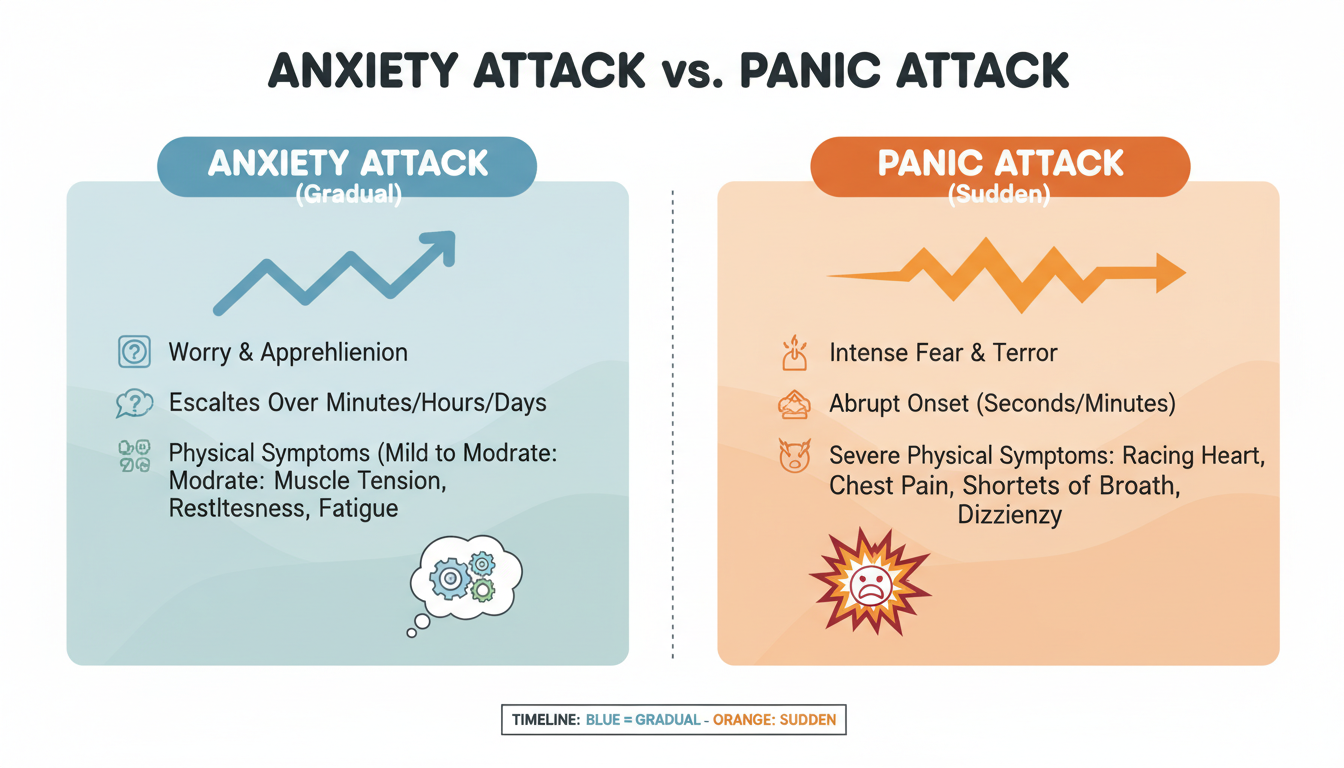
The following comparison highlights the main distinctions between anxiety attacks and panic attacks:
Onset
Panic attack: Sudden, often unexpected. Can occur without any apparent trigger. Anxiety attack: Gradual, building over time. Usually connected to a specific worry or situation.
Intensity
Panic attack: Extremely intense. Symptoms peak rapidly and can feel life-threatening. Anxiety attack: Ranges from mild to severe. Distressing, but usually does not reach the same peak intensity.
Duration
Panic attack: Usually 5 to 30 minutes, though residual anxiety may last longer. Anxiety attack: Can last from minutes to hours, or even persist at a lower level throughout the day.
Physical Symptoms
Panic attack: Dominant and intense — chest pain, difficulty breathing, numbness, feeling of unreality. Often mimic a medical emergency. Anxiety attack: Present but generally less acute — muscle tension, restlessness, stomach upset, elevated heart rate.
Cognitive Features
Panic attack: Fear of dying, having a heart attack, losing control or going mad. Anxiety attack: Excessive worry, apprehension, difficulty thinking clearly, feeling overwhelmed.
Trigger
Panic attack: May occur without any identifiable trigger (especially in panic disorder). Anxiety attack: Typically linked to a specific stressor or worry.
Clinical Recognition
Panic attack: A formally defined clinical term with specific diagnostic criteria. Anxiety attack: Not a clinical term. A colloquial description of intense anxiety.
Can You Have Both?
Absolutely. Many people experience both anxiety attacks and panic attacks at different times, or even in quick succession. For example, a prolonged period of intense anxiety about a health concern (which might be described as an anxiety attack) could escalate into a full-blown panic attack. Conversely, having panic attacks can lead to chronic anxiety about when the next one will strike, resulting in extended periods of heightened anxiety that might feel like an ongoing anxiety attack.
It is also worth noting that panic attacks can occur in the context of many different anxiety conditions — not just panic disorder. Someone with social anxiety might have a panic attack before a presentation, and someone with a phobia might have one when confronted with their feared object. In these cases, the panic attack is triggered by a specific fear rather than appearing out of nowhere.
What to Do If You Experience Either
During the Episode
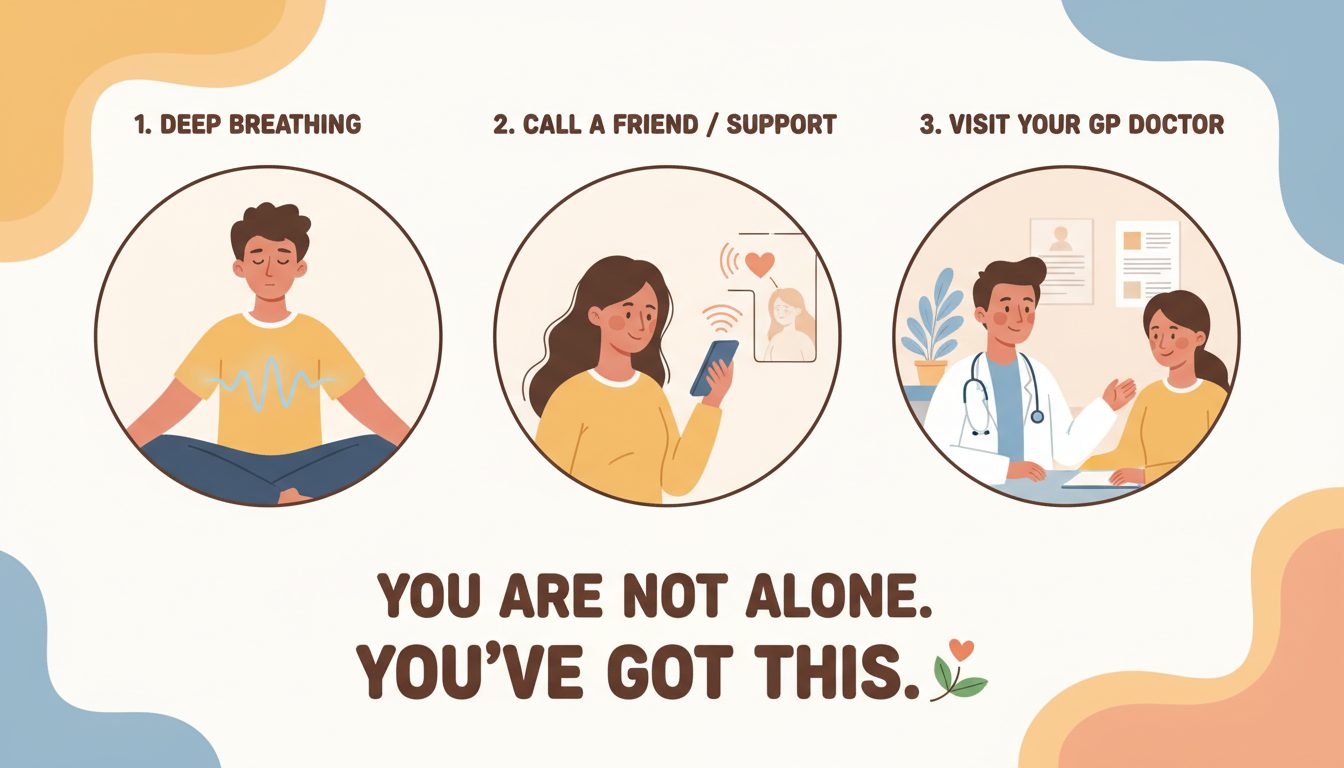
- Focus on your breathing: Slow, controlled breathing can help calm both anxiety attacks and panic attacks. Try breathing in for four counts, holding for two and breathing out for six.
- Ground yourself: Use your senses to anchor yourself in the present moment. Focus on what you can see, hear, touch, smell or taste.
- Remind yourself it will pass: Neither anxiety attacks nor panic attacks last forever, even though they feel unbearable in the moment.
- Avoid fighting the feelings: Struggling against the symptoms can intensify them. Try to observe them with as much acceptance as you can manage.
- Stay where you are: If safe, try not to flee the situation. Running away reinforces the idea that the situation was dangerous.
After the Episode
- Be compassionate with yourself: You have just been through something difficult. Give yourself time to recover.
- Reflect gently: Without dwelling on it excessively, note what happened, what you were doing and how you felt. This can help identify patterns over time.
- Consider keeping a diary: Tracking your experiences can help you and a healthcare professional understand your pattern and identify triggers.
When to Seek Help
You should consider seeking professional help if:
- You are having frequent episodes of intense anxiety or panic that are affecting your quality of life
- You are avoiding situations, places or activities because you fear having an attack
- The episodes are becoming more frequent or more intense over time
- You are spending significant time worrying about when the next episode will occur
- You are unsure whether your symptoms are anxiety-related or could indicate a physical health condition
- Your daily functioning — work, relationships, social life — is being impaired
If you experience chest pain, difficulty breathing or other symptoms that could indicate a cardiac event for the first time, seek immediate medical attention to rule out a physical cause. Once a physical cause has been excluded, you can work with your GP or a therapist to address the anxiety component.
Where to get help in the UK:
- Your GP: Can assess your symptoms, rule out physical causes and refer you for appropriate treatment.
- NHS Talking Therapies: Free self-referral for talking therapies at nhs.uk.
- No Panic: Specialist support for panic attacks and panic disorder. Helpline: 0300 772 9844.
- Mind: Information and support. Infoline: 0300 123 3393.
- NHS 111: Call 111 if you need medical advice and are unsure whether your symptoms require urgent attention.
Frequently Asked Questions
Why the Confusion?
The terms “anxiety attack” and “panic attack” are frequently used interchangeably in everyday conversation, on social media and even in some health articles. This is understandable, as both involve intense anxiety and can feel overwhelming. However, from a clinical perspective, there are meaningful differences between the two experiences that are worth understanding.
What Is a Panic Attack?
A panic attack is a well-defined clinical concept recognised in both major diagnostic systems used in the UK: the International Classification of Diseases (ICD-11), used by the NHS, and the Diagnostic and Statistical Manual (DSM-5). It involves a sudden, intense surge of fear or discomfort that escalates rapidly, typically reaching peak intensity within 10 minutes.
What Is an Anxiety Attack?
Unlike a panic attack, an “anxiety attack” is not a recognised clinical term. You will not find it in the ICD-11 or the DSM-5. However, this does not mean the experience is not real. The term is widely used by the general public, mental health advocates and even some healthcare professionals to describe episodes of intense anxiety that feel overwhelming.
Can You Have Both?
Absolutely. Many people experience both anxiety attacks and panic attacks at different times, or even in quick succession. For example, a prolonged period of intense anxiety about a health concern (which might be described as an anxiety attack) could escalate into a full-blown panic attack. Conversely, having panic attacks can lead to chronic anxiety about when the next one will strike, resulting in extended periods of heightened anxiety that might feel like an ongoing anxiety attack.
What to Do If You Experience Either?
You should consider seeking professional help if:
Related Articles
Anxiety Attack Symptoms: How to Recognise and Respond
Learn to recognise anxiety attack symptoms quickly. Understand what's happening in your body and how to respond with confidence.

Chronic Anxiety: When Anxiety Won’t Go Away
When anxiety won't go away, it can feel overwhelming. Understand chronic anxiety and discover strategies to break the long-term cycle.
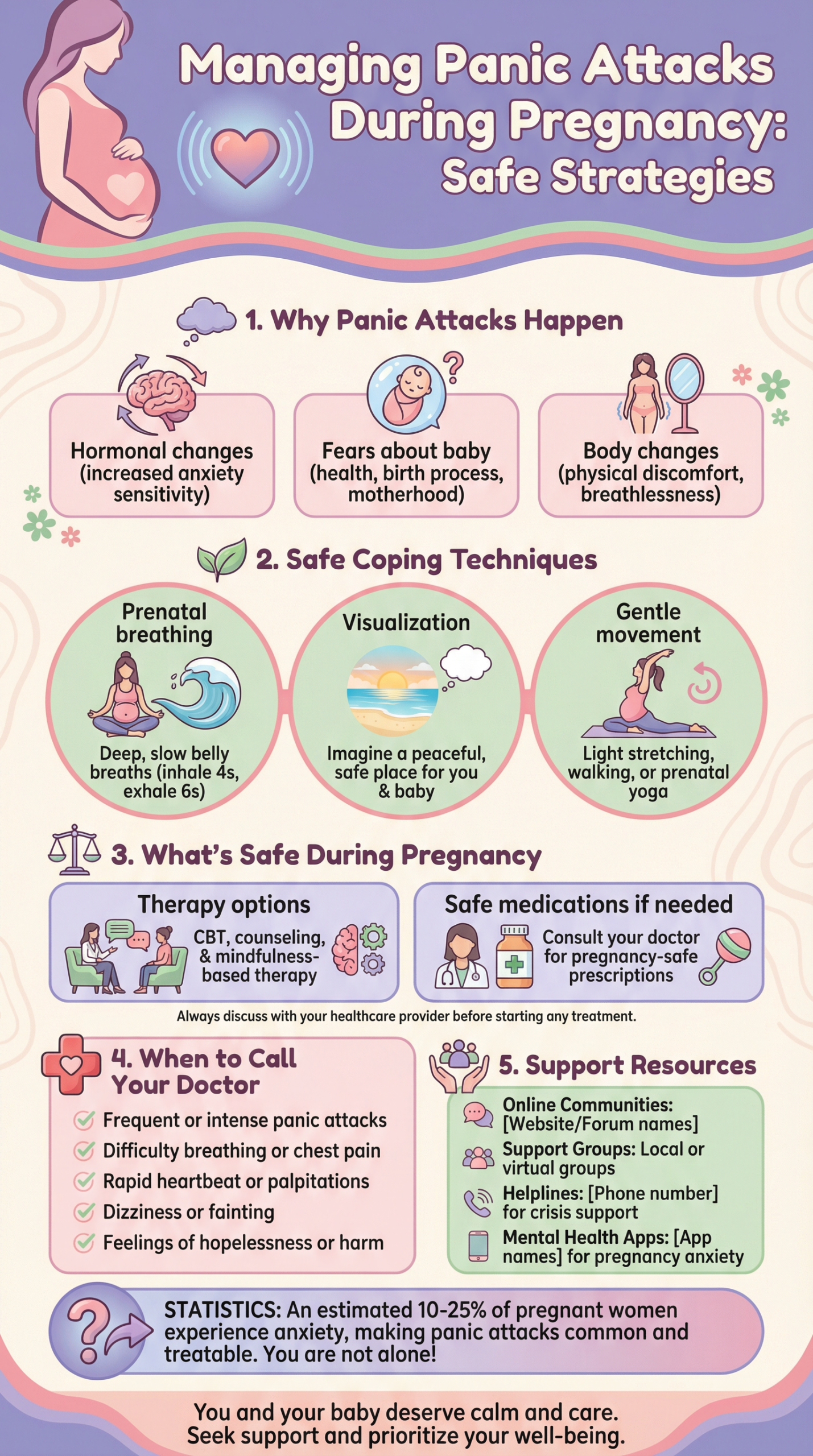
Managing Panic Attack While Pregnant: Essential StrategiesEssential Strategies for Managing Panic Attacks During Pregnancy
Essential, safe tips for coping with panic attacks during pregnancy — calming techniques, triggers to watch for, and when to speak to your midwife or GP.