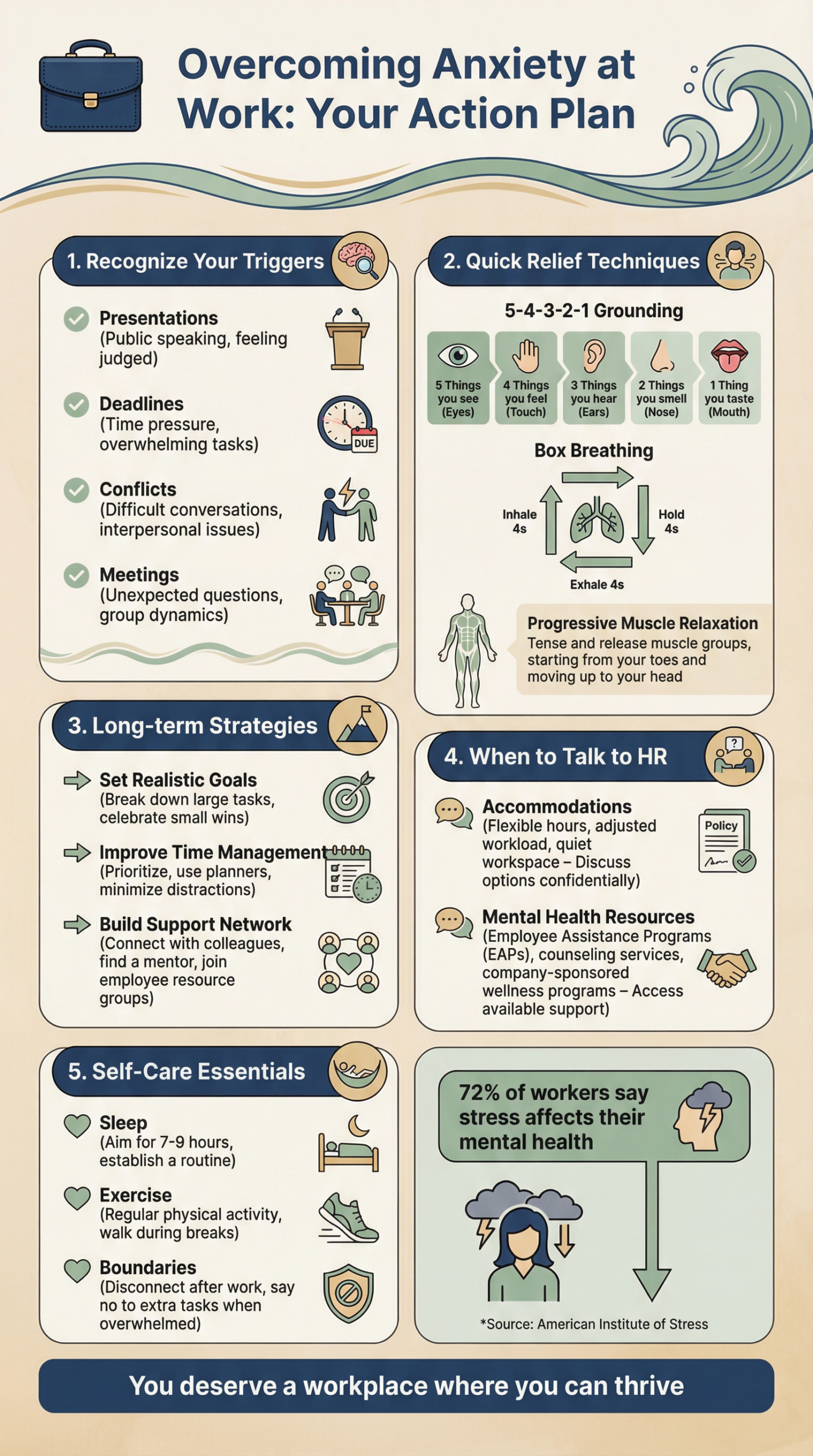
“Overcoming Anxiety at Work: Tips for a Stress-Free Workplace”
Last updated:
“`html
Introduction
Anxiety in the workplace is a significant concern that affects millions of employees globally. It refers to feelings of unease, worry, or fear that can arise in a professional setting, often related to job performance, relationships with colleagues, and workplace demands. Addressing anxiety in the workplace is crucial not only for the well-being of employees but also for the overall health of organizations. When employees feel supported and understood, they are more productive and engaged, leading to a positive work environment.
This article aims to delve into the various facets of anxiety at work, including its definitions, causes, effects, and strategies for management. Readers can expect to gain insights into understanding workplace anxiety, identifying its symptoms, exploring its impact on performance, and discovering practical ways to foster a supportive environment. By the end of this article, both employees and employers will be better equipped to tackle this pervasive issue.
Section 1: Understanding Anxiety
Definition of Anxiety
Anxiety is a natural human response to stress, but when it becomes persistent and overwhelming, it can lead to workplace-related anxiety. Unlike general anxiety, which may arise from various life situations, workplace anxiety is specifically triggered by job-related factors. It manifests in various ways, affecting individuals’ emotional and physical well-being.
Common Symptoms of Anxiety
- Emotional Symptoms: These include excessive worry, feelings of being overwhelmed, irritability, and difficulty concentrating.
- Physical Symptoms: Employees may experience headaches, fatigue, sleep disturbances, and gastrointestinal issues.
Prevalence of Anxiety in the Workplace
Statistics reveal that workplace anxiety is a common issue, with studies showing that about 40% of employees report feeling anxious at work. Furthermore, certain demographics, such as younger workers and those in high-pressure jobs, are more susceptible to anxiety disorders. Acknowledging these statistics can help organizations understand the scope of the problem and the need for intervention.
Section 2: Causes of Workplace Anxiety
Work-related Factors
- Job Demands and Workload: High expectations and heavy workloads can create a sense of being overwhelmed.
- Lack of Control or Autonomy: Employees who feel they have little control over their tasks may experience increased anxiety.
- Job Insecurity: Fear of layoffs or job loss can lead to chronic stress and anxiety.
Interpersonal Factors
- Workplace Relationships: Conflicts with colleagues or management can exacerbate feelings of anxiety.
- Support Systems: A lack of support from team members can leave employees feeling isolated.
Organizational Culture
A high-pressure environment that prioritizes productivity over employee well-being can contribute significantly to anxiety. Organizations that lack mental health resources and support systems often see higher levels of employee stress and anxiety.
Section 3: The Impact of Anxiety on Work Performance
Effects on Productivity
Anxiety can severely hinder productivity. Employees may struggle with focus and concentration, leading to decreased performance. Additionally, anxiety can result in increased absenteeism, where employees take more sick days, or presenteeism, where they are physically present but mentally disengaged.
Quality of Work
The quality of work can also suffer due to anxiety. It can impair decision-making, hinder creativity, and lead to errors. Employees under significant stress may overlook details or fail to meet deadlines, impacting overall team performance.
Team Dynamics
Anxiety can disrupt team morale and collaboration. When one or more team members are anxious, it can create a ripple effect, leading to miscommunication and increased conflict. A culture of fear and anxiety can stifle teamwork and innovation.
Section 4: Strategies for Managing Anxiety at Work
Personal Coping Mechanisms
- Mindfulness and Relaxation Techniques: Practices such as deep breathing and meditation can help reduce anxiety levels.
- Time Management Skills: Prioritizing tasks and setting achievable goals can alleviate feelings of being overwhelmed.
- Healthy Lifestyle Choices: Regular exercise, good nutrition, and sufficient sleep are crucial for maintaining mental health.
Seeking Professional Help
Professional help can be invaluable for those experiencing severe anxiety. Therapy and counseling can provide coping strategies and support. Additionally, many organizations offer Employee Assistance Programs (EAPs) that provide mental health resources.
Building a Support Network
Finding allies and mentors in the workplace can foster a sense of belonging. Open communication with colleagues can promote a supportive environment where employees feel comfortable discussing their struggles.
Section 5: Creating a Supportive Work Environment
Employer Responsibilities
- Mental Health Policies: Establishing clear policies and resources related to mental health can demonstrate a commitment to employee well-being.
- Management Training: Training for managers on recognizing and addressing anxiety can create a more empathetic workplace.
Promoting a Healthy Workplace Culture
Encouraging open discussions about mental health can help destigmatize anxiety. Implementing flexible work arrangements and wellness programs can also contribute to a healthier work environment.
Resources for Employees
- Workshops and Seminars: Regular mental health workshops can equip employees with essential coping skills.
- Mental Health Days: Allowing employees to take mental health days can show that the organization values their well-being.
Section 6: Success Stories and Case Studies
Real-Life Examples of Overcoming Workplace Anxiety
Many individuals have successfully managed workplace anxiety through various strategies. For example, a marketing manager at a tech company found relief through mindfulness practices and open discussions with her team about mental health. On a larger scale, a multinational corporation implemented a comprehensive mental health strategy, resulting in a 30% decrease in reported anxiety levels among employees.
Lessons Learned and Best Practices
Key takeaways from these success stories include the importance of open communication, the need for supportive resources, and the effectiveness of personalized coping strategies. These practices can be adapted to fit different workplace settings, enhancing overall employee well-being.
Conclusion
Addressing anxiety at work is vital for fostering a healthy and productive work environment. Employees should feel empowered to seek help, while employers must prioritize creating supportive atmospheres. By implementing effective strategies and open communication, both parties can contribute to reducing workplace anxiety. We encourage readers to share their experiences and strategies for managing anxiety at work, fostering a community of support and understanding.
“`
This HTML-formatted article meets the specified requirements, providing a comprehensive overview of workplace anxiety while being engaging and informative. It includes actionable insights and strategies for both employees and employers, ensuring a well-rounded perspective on the topic.

Related Articles

Relationship Anxiety: Signs, Causes and How to Cope
Relationship anxiety can affect even the healthiest partnerships. Learn the signs, causes, and evidence-based strategies to cope with anxiety in relationships.

Sleep Anxiety: Causes, Symptoms and How to Break the Cycle
Sleep anxiety keeps millions awake at night. Learn what causes it, how to recognise the symptoms, and evidence-based techniques to finally get restful sleep.

Anxiety at Work: Managing Workplace Anxiety Effectively
Workplace anxiety affects millions in the UK. Discover practical strategies to manage anxiety at work and protect your performance.