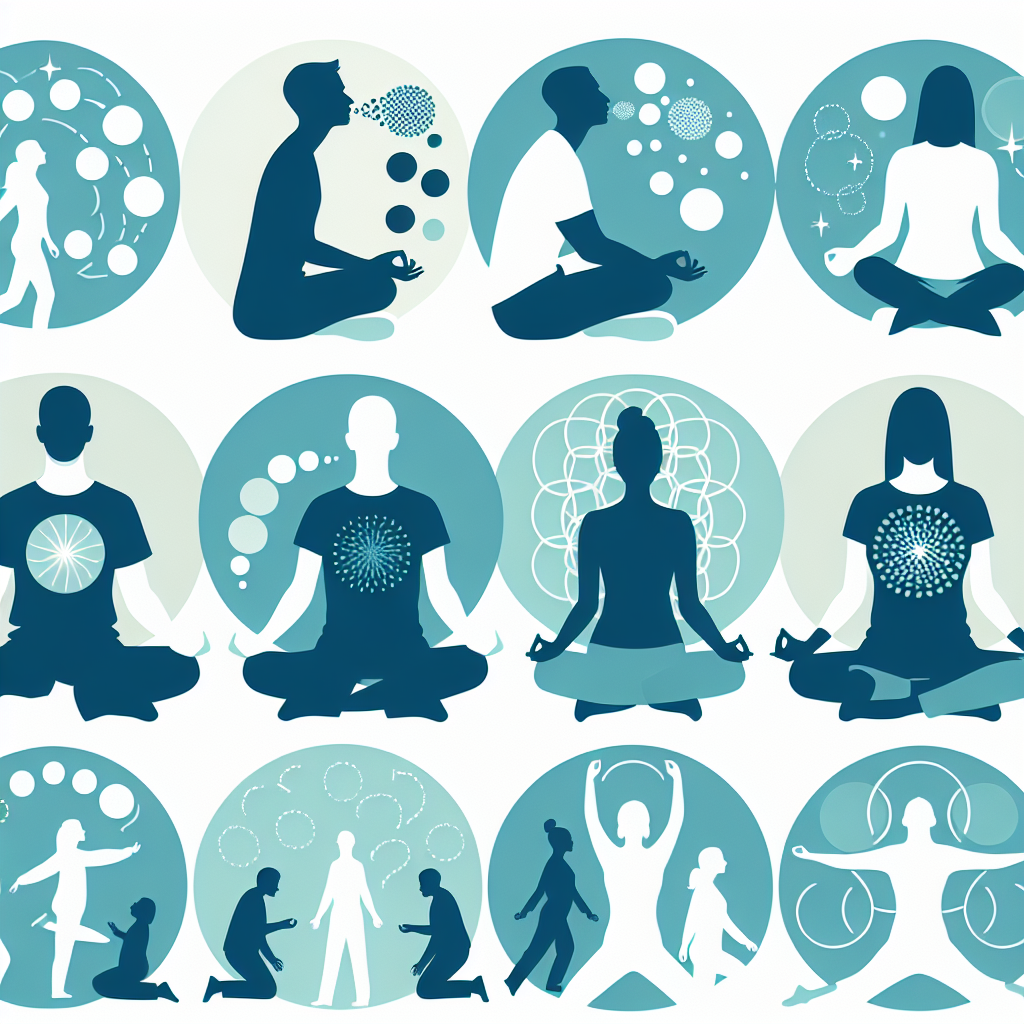
Managing Anxiety: 7 Proven Breathing Techniques to Calm Your Mind
Last updated:
Understanding Anxiety and the Power of Breath
Anxiety has become one of the most common mental health challenges of our modern world. Whether you are dealing with work stress, social situations, or generalized worry, the feeling of being overwhelmed can be debilitating. The good news? One of the most effective tools for managing anxiety is something you do automatically every day — breathing.
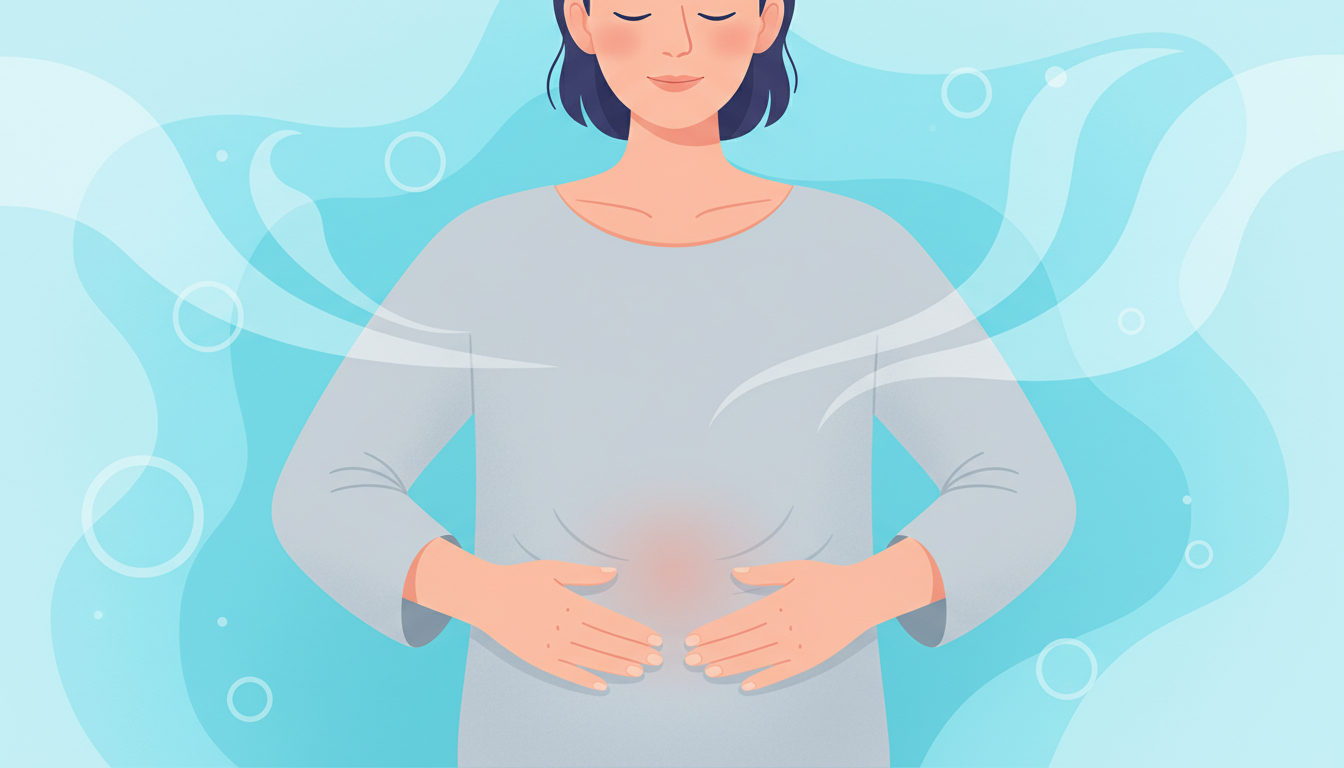
When we experience anxiety, our body fight-or-flight response activates, causing rapid breathing, increased heart rate, and muscle tension. By consciously practicing specific breathing techniques, we can activate our body relaxation response, counteracting these physical symptoms and restoring a sense of calm.
Why Breathing Works
Deep breathing stimulates the vagus nerve, which runs from the brain to the abdomen and connects to major organs. When activated, this nerve signals the brain to release neurotransmitters that promote relaxation and reduce stress hormones like cortisol.
Unlike other relaxation methods that require special equipment or environments, breathing exercises can be practiced anywhere — in a meeting, before a presentation, or even while waiting in line at the grocery store.
7 Proven Breathing Techniques for Anxiety Relief
1. The 4-7-8 Breathing Technique
Developed by Dr. Andrew Weil, the 4-7-8 technique is one of the most popular methods for reducing anxiety and promoting sleep.
How to do it:
- Inhale quietly through your nose for 4 seconds
- Hold your breath for 7 seconds
- Exhale completely through your mouth for 8 seconds
- Repeat the cycle 3-4 times
This technique works because the extended exhale activates the parasympathetic nervous system, naturally calming your body stress response.
2. Box Breathing (Square Breathing)
Used by Navy SEALs to stay calm under pressure, box breathing brings balance to both physical and mental states.
How to do it:
- Inhale for 4 seconds
- Hold for 4 seconds
- Exhale for 4 seconds
- Hold empty for 4 seconds
- Repeat for 4-8 cycles
The equal timing creates a box pattern that helps center your thoughts and reduce racing ideas.
3. Diaphragmatic Breathing (Belly Breathing)
This technique strengthens the diaphragm and increases lung efficiency while triggering deep relaxation.
How to do it:
- Place one hand on your chest and one on your belly
- Breathe in through your nose, ensuring your belly rises more than your chest
- Exhale slowly through pursed lips
- Continue for 5-10 minutes
4. Alternate Nostril Breathing (Nadi Shodhana)
This ancient yogic practice balances the hemispheres of the brain and promotes mental clarity.
How to do it:
- Use your right thumb to close your right nostril
- Inhale through the left nostril
- Close the left nostril with your ring finger
- Release and exhale through the right nostril
- Inhale through the right, close, exhale through left
- Complete 5-10 rounds
5. Lion Breath (Simhasana)
This energizing release helps release tension in the face and throat while calming the nervous system.
How to do it:
- Sit comfortably with your hands on your knees
- Inhale deeply through your nose
- Open your mouth wide, sticking out your tongue
- Exhale with a haaaa sound
- Repeat 5-7 times
6. Resonant Breathing (Coherent Breathing)
This technique optimizes heart rate variability and creates coherence between heart and brain rhythms.
How to do it:
- Breathe at exactly 6 breaths per minute
- Inhale for 5 seconds
- Exhale for 5 seconds
- Practice for 10-20 minutes daily
7. Physiological Sigh
Popularized by Dr. Andrew Huberman, this technique works in as little as one or two breaths.
How to do it:
- Take a deep breath in through the nose
- Add a second short inhale to fully fill the lungs
- Exhale slowly through the mouth
- Repeat as needed
Creating a Daily Breathing Practice
To experience the full benefits of breathing techniques for anxiety, consistency is key. Here are tips for building a sustainable practice:
- Start small: Begin with 2-3 minutes daily and gradually increase
- Choose a trigger: Practice after meals, before bed, or when you wake up
- Use reminders: Set phone alarms or sticky notes in visible places
- Track your progress: Keep a journal of how you feel before and after practice
- Be patient: Benefits accumulate over time with consistent practice
When to Seek Professional Help
While breathing techniques are powerful tools for managing mild to moderate anxiety, they are not a replacement for professional treatment when anxiety significantly impacts your daily life.
Consider reaching out to a mental health professional if:
- Anxiety interferes with work, relationships, or daily functioning
- You experience panic attacks
- Symptoms persist despite self-help efforts
- You have thoughts of self-harm
Final Thoughts
Breathing is our built-in anxiety management system — we just need to learn how to use it effectively. By incorporating these techniques into your daily routine, you can develop greater resilience to stress and cultivate a more peaceful mind.
Remember: the goal is not to eliminate anxiety entirely (some anxiety is natural and even protective) — it is to develop tools that help you manage it responsively and return to a state of calm.
Start with one technique today. Your breath is always with you, ready to help you find your center.
This article was generated using AI-assisted technology and is intended for informational purposes only. Always consult with healthcare professionals for medical advice.
Related Articles

Breathing Exercises for Anxiety: 7 Techniques to Calm Your Mind
Breathing exercises are one of the fastest ways to calm anxiety. Try these 7 techniques and feel the difference in minutes.
Calm Anxiety: The Perfect Evening Routine
Evening Routine to Ease Down Anxiety: A Comprehensive Guide Anxiety has become a common part of modern life, affecting millions worldwide. With the constant demands of work, social...
CBT for Anxiety: How It Works, Techniques and How to Access It
Learn how CBT helps with anxiety, including 5 proven techniques you can practise at home. Find out how to access CBT on the NHS or privately in the UK.