
How to Overcome Anxiety: Steps Towards Recovery
Last updated:
What Does It Mean to Overcome Anxiety?
The phrase “overcoming anxiety” can feel like a tall order, especially when anxiety has been part of your life for months or years. It is important to start with a realistic understanding of what overcoming anxiety actually means.
Overcoming anxiety does not mean never feeling anxious again. Anxiety is a normal human emotion, and experiencing it in certain situations — before a job interview, during a medical appointment, when facing genuine uncertainty — is healthy and adaptive. Overcoming anxiety means reaching a point where anxiety no longer controls your decisions, limits your life, or causes you persistent distress.
The NHS recognises that anxiety disorders are highly treatable. With the right combination of self-help strategies, professional support, and persistence, most people with anxiety disorders experience significant improvement. NICE guidelines confirm that both psychological therapies and, where appropriate, medication can be highly effective.
Recognising Where You Are Now
Acknowledging Anxiety Without Shame
One of the first steps towards overcoming anxiety is acknowledging it honestly. Many people minimise their anxiety or feel ashamed of it, which prevents them from seeking help. In the UK, anxiety disorders affect approximately 8 million people at any given time. You are not weak, dramatic, or broken — you are experiencing a common and well-understood condition.
Mind, the UK mental health charity, emphasises that acknowledging your mental health challenges is a sign of strength, not weakness. Saying “I have anxiety, and I want to address it” is the starting point for meaningful change.
Assessing the Impact
Consider how anxiety is currently affecting your life:
- Are there activities or situations you avoid because of anxiety?
- Has anxiety affected your work, relationships, or social life?
- Are physical symptoms (headaches, stomach problems, muscle tension) becoming persistent?
- Do you rely on alcohol, substances, or other coping mechanisms to manage anxiety?
- Is anxiety the first thing you think about when you wake up?
Answering these questions honestly helps you understand the scope of the challenge and guides you towards the right level of support.
The Evidence-Based Path to Recovery
Cognitive Behavioural Therapy (CBT)
NICE guidelines recommend CBT as the first-line psychological treatment for all anxiety disorders, including generalised anxiety disorder, social anxiety, panic disorder, and specific phobias. CBT works by helping you identify and change the thought patterns and behaviours that maintain anxiety.
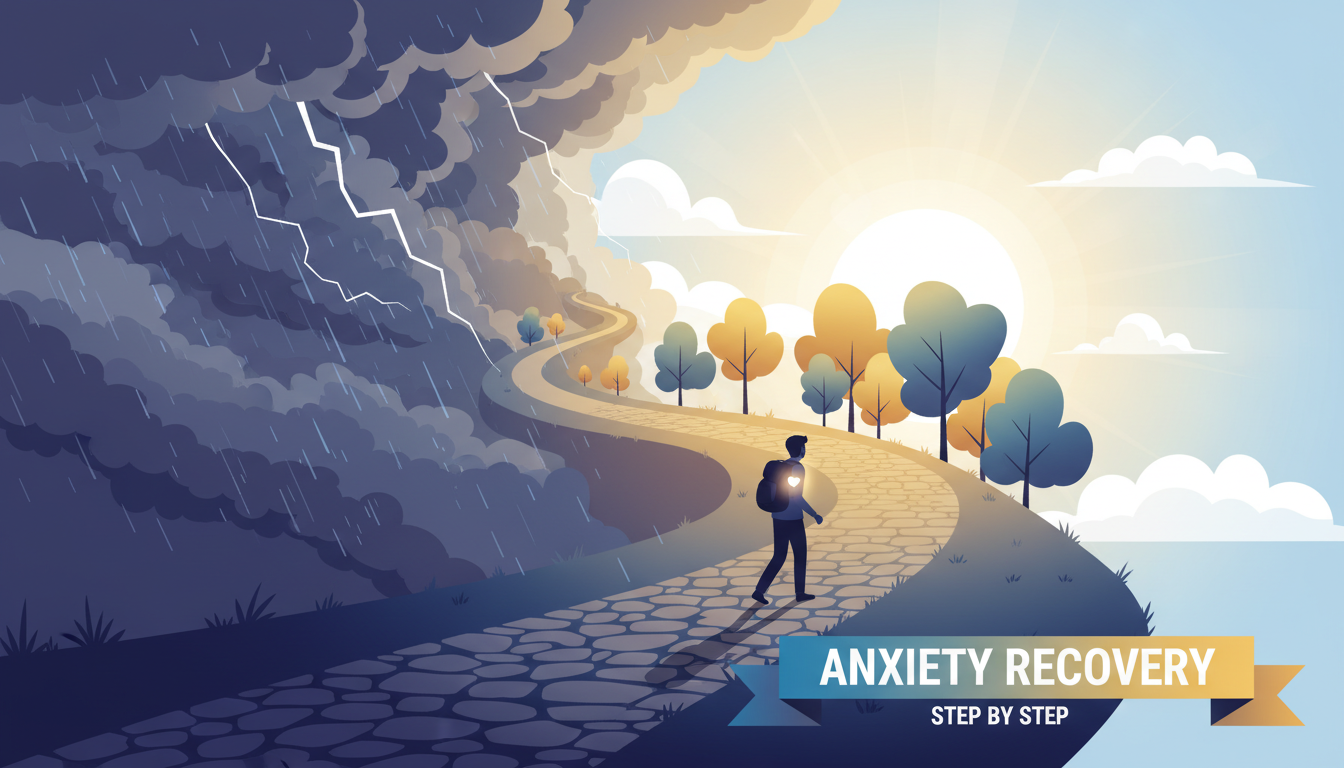
The core principles of CBT include:
Cognitive restructuring: Learning to recognise distorted thinking patterns (catastrophising, black-and-white thinking, mind reading) and replacing them with more balanced, evidence-based thoughts.
Behavioural experiments: Testing your anxious predictions against reality. For example, if you believe “everyone will judge me if I speak up in a meeting,” a behavioural experiment might involve speaking up once and observing what actually happens.
Exposure: Gradually and systematically facing the situations you fear, which we will explore in more detail below.
You can access CBT free of charge through NHS Talking Therapies. In many areas, you can self-refer without needing to see your GP first. Courses typically involve 6 to 20 sessions, depending on the severity and type of anxiety.
Gradual Exposure: Facing Your Fears Step by Step
Avoidance is the engine that keeps anxiety running. While avoiding feared situations provides temporary relief, it prevents you from learning that the situation is manageable and that anxiety naturally decreases over time. Gradual exposure — sometimes called graded exposure — is one of the most powerful tools for overcoming anxiety.
How to create an exposure hierarchy:
- List the situations you avoid or find highly anxiety-provoking.
- Rate each situation from 0 (no anxiety) to 10 (maximum anxiety).
- Order them from least to most anxiety-provoking.
- Start with a situation rated around 3 or 4 — challenging but not overwhelming.
- Stay in the situation until your anxiety begins to decrease naturally (this is called habituation).
- Repeat the same situation until it no longer provokes significant anxiety.
- Move to the next item on your list.
Important: Exposure should be gradual, planned, and within your control. Flooding yourself with your worst fear is not recommended. If you find this process too difficult alone, a therapist can guide you through it safely.
Acceptance and Commitment Therapy (ACT)
Another approach gaining strong evidence, and increasingly available through the NHS, is Acceptance and Commitment Therapy. ACT takes a different approach to CBT — rather than trying to change anxious thoughts, it teaches you to accept them as passing mental events that do not need to control your behaviour.
The core principles of ACT include:
- Acceptance: Allowing anxious thoughts and feelings to exist without fighting them.
- Defusion: Creating distance from your thoughts so you can observe them without being controlled by them.
- Values clarification: Identifying what truly matters to you and committing to actions aligned with those values, even in the presence of anxiety.
Practical Steps You Can Take Today
Step 1: Educate Yourself
Understanding anxiety — what it is, why it happens, and how it works — is itself therapeutic. The NHS website, Mind’s website, and Anxiety UK all offer free, accurate information about anxiety disorders. Knowledge reduces the fear of the unknown and helps you make sense of your experiences.
Step 2: Start a Daily Practice
Choose one evidence-based technique and commit to practising it daily for at least two weeks. This might be:
- 10 minutes of breathing exercises
- A daily mindfulness meditation
- Writing in a worry journal
- A 20-minute walk
Consistency matters more than intensity. A small daily practice is more effective than occasional heroic efforts.
Step 3: Begin Small Exposures
Choose one situation you have been avoiding that rates low on your anxiety scale. Face it this week. Notice that while anxiety may rise initially, it does come down. Each successful exposure builds evidence that you can cope.
Step 4: Build Your Support Network
Recovery is easier when you are not alone. Consider:
- Telling a trusted friend or family member about your anxiety.
- Joining a support group (Mind and Anxiety UK both offer these).
- Speaking with your GP about professional support options.
- Self-referring to NHS Talking Therapies.
Step 5: Address Lifestyle Factors
Your lifestyle provides the foundation for mental health. Prioritise:
- Regular sleep (7 to 9 hours)
- Regular physical activity
- Balanced nutrition
- Reduced caffeine and alcohol
- Meaningful social connection
- Time in nature
Navigating Setbacks
Recovery from anxiety is not a straight line. You will have periods of progress followed by days or weeks when anxiety seems to return with full force. This is entirely normal and does not mean you have failed or that your efforts have been wasted.
Setbacks often occur during times of stress, change, illness, or fatigue. They are opportunities to practise your coping strategies, not evidence that recovery is impossible.
When setbacks happen:
- Remind yourself that setbacks are a normal part of recovery.
- Return to the basics — breathing, grounding, movement.
- Be extra compassionate with yourself.
- Review what might have triggered the setback and what you can learn from it.
- Reach out to your support network.
Medication: What You Should Know
NICE guidelines recommend medication as an option when anxiety is moderate to severe, or when psychological therapy alone has not been sufficient. The most commonly prescribed medications for anxiety in the UK are:
- SSRIs (selective serotonin reuptake inhibitors): Such as sertraline, the first-line medication recommended by NICE for most anxiety disorders.
- SNRIs (serotonin-noradrenaline reuptake inhibitors): Such as venlafaxine, often used when SSRIs are not effective.
- Pregabalin: Sometimes prescribed for generalised anxiety disorder.
Medication is not a sign of failure. For many people, it provides the stability needed to engage effectively with therapy and self-help strategies. Always discuss medication options thoroughly with your GP.
Building a Life Beyond Anxiety
True recovery from anxiety is not just about reducing symptoms — it is about building a life that is rich, meaningful, and aligned with your values. As anxiety loosens its grip, you may find yourself rediscovering interests you had abandoned, rebuilding relationships that had suffered, and taking on challenges you once thought impossible.
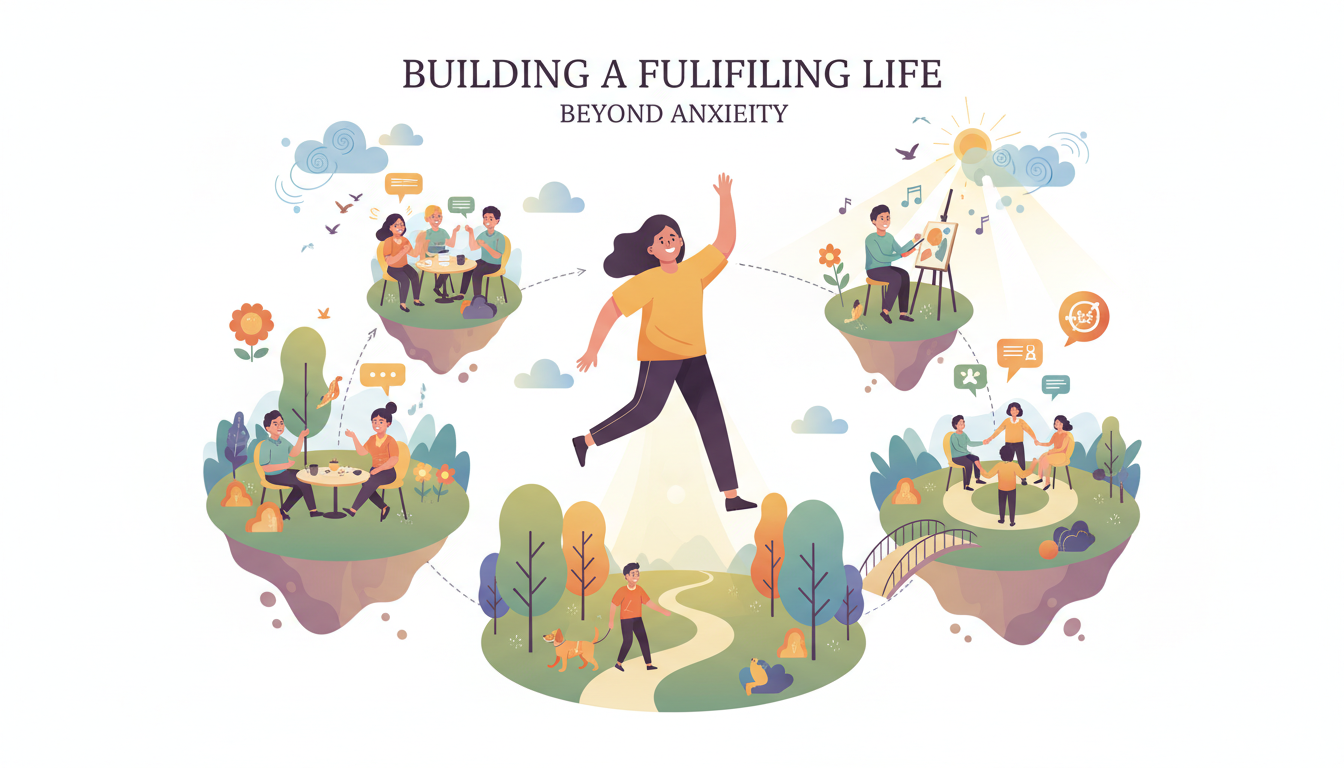
This is the real reward of the work you are doing. Not the absence of anxiety, but the presence of a full and purposeful life.
UK Resources for Your Recovery Journey
- NHS Talking Therapies: Free talking therapy — self-refer via the NHS website.
- Mind: Information and support — Infoline: 0300 123 3393.
- Anxiety UK: Helpline: 03444 775 774 — support groups and therapy access.
- Samaritans: 24/7 emotional support — call 116 123 (free).
- SHOUT: Crisis text line — text SHOUT to 85258.
- Every Mind Matters (NHS): Free online tools and a personalised mental health action plan.
You have already taken the first step by reading this article and seeking information. That takes courage, and it matters. Recovery is possible, and with patience, persistence, and the right support, you can build a life that is no longer defined by anxiety.
Related Articles

Breathing Exercises for Anxiety: 7 Techniques to Calm Your Mind
Breathing exercises are one of the fastest ways to calm anxiety. Try these 7 techniques and feel the difference in minutes.
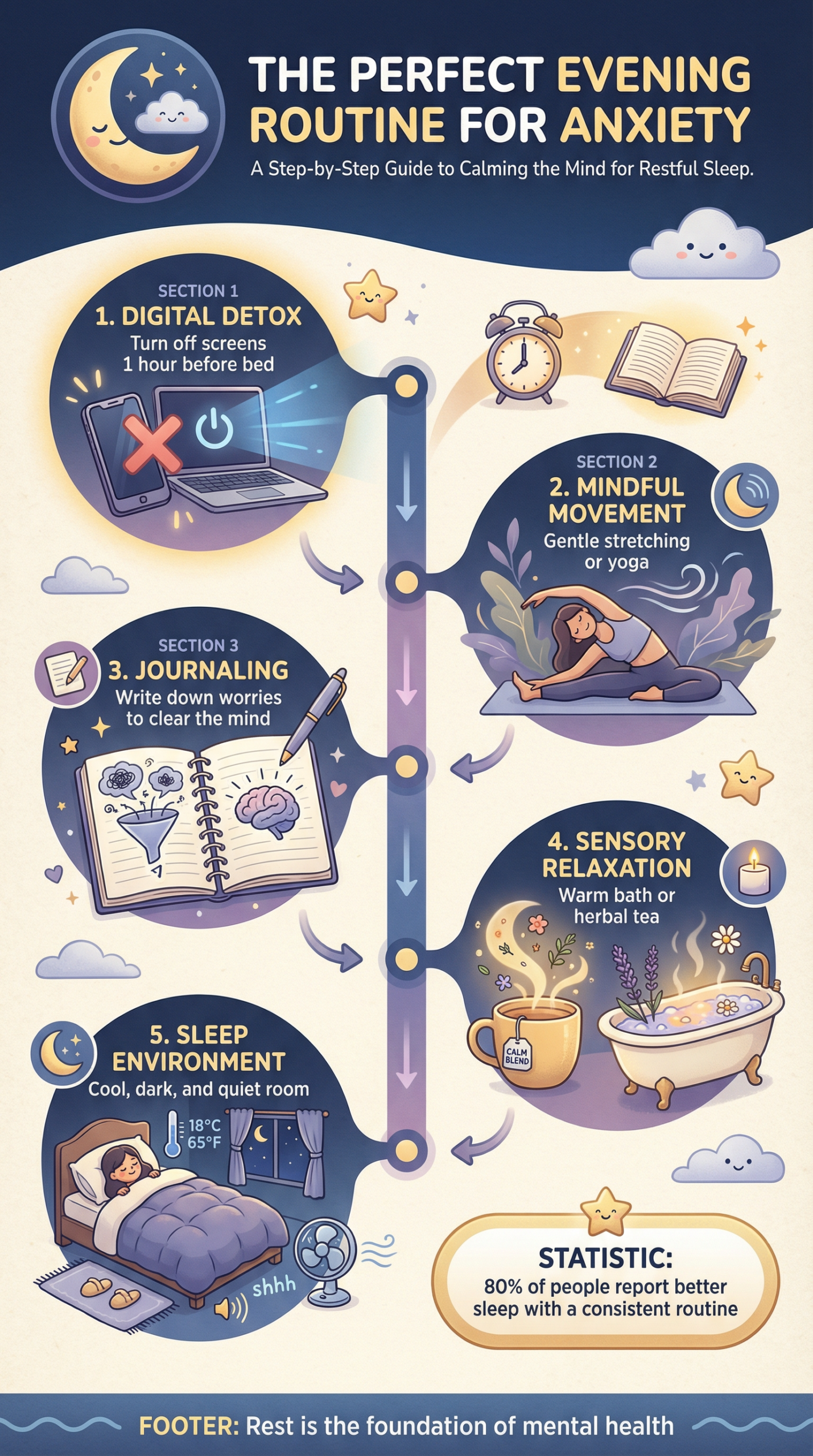
Calm Anxiety: The Perfect Evening Routine
Evening Routine to Ease Down Anxiety: A Comprehensive Guide Anxiety has become a common part of modern life, affecting millions worldwide. With the constant demands of work, social...
CBT for Anxiety: How It Works, Techniques and How to Access It
Learn how CBT helps with anxiety, including 5 proven techniques you can practise at home. Find out how to access CBT on the NHS or privately in the UK.