
Hot Flashes and Anxiety: The Mind-Body Connection
Last updated:
Introduction: Why Anxiety Makes You Feel Overheated
A sudden wave of heat spreading across your face and chest. Your skin flushing red. Sweat breaking out on your forehead and palms. If this sounds familiar, you may be experiencing anxiety-related hot flashes, one of the more physically uncomfortable and socially awkward symptoms of anxiety.
Hot flashes are often associated with the menopause, and while hormonal changes are indeed a common cause, anxiety is another significant and frequently overlooked trigger. Anxiety-related hot flashes can affect men and women of any age, and they can occur in any situation, from sitting quietly at home to navigating a crowded train during the morning commute.
In the UK, where anxiety disorders are among the most common mental health conditions, understanding the connection between anxiety and hot flashes can help millions of people make sense of a symptom that might otherwise cause additional worry. This article examines why anxiety produces hot flashes, how to distinguish them from other causes, and what you can do to manage them.
The Science of Anxiety-Related Hot Flashes
Thermoregulation and the Stress Response
Your body maintains its core temperature through a sophisticated system called thermoregulation, managed by the hypothalamus in the brain. The hypothalamus acts like a thermostat, adjusting blood vessel dilation, sweat production, and metabolic rate to keep your temperature within a narrow range.
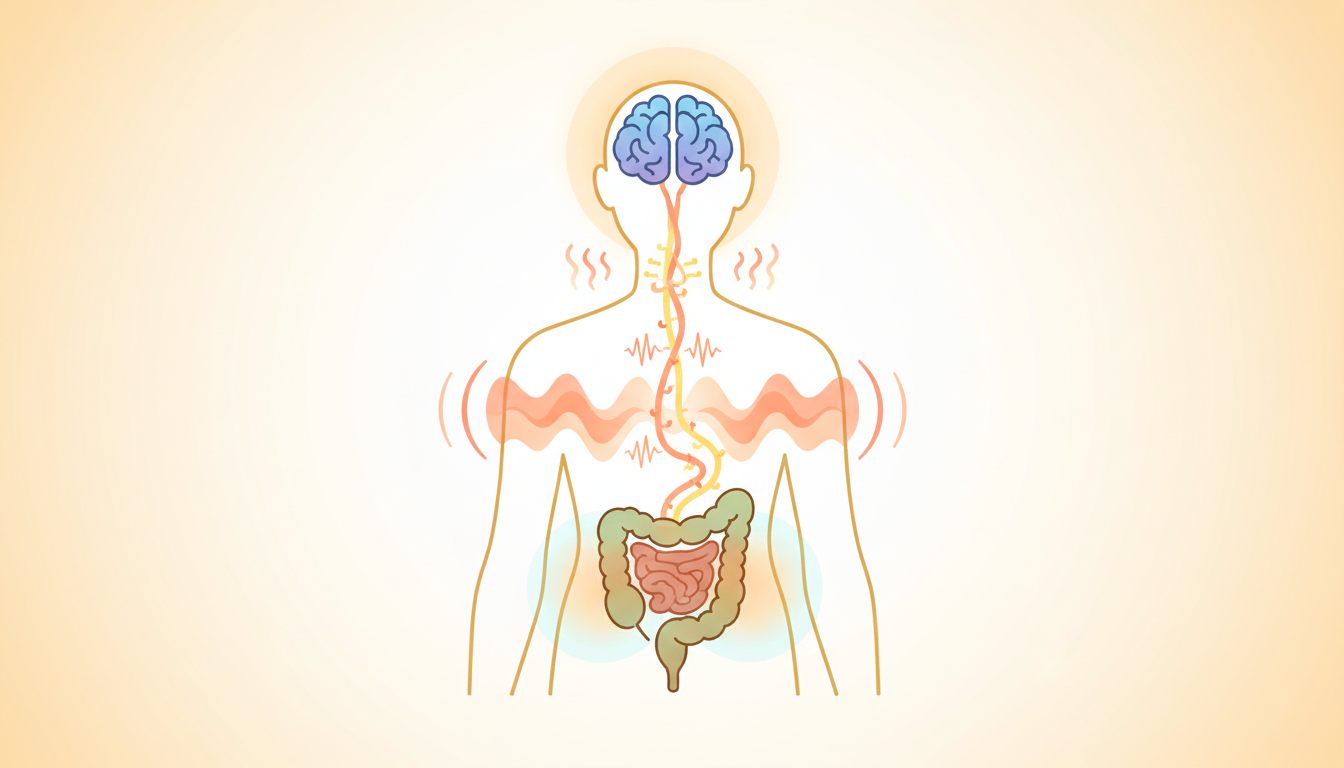
When anxiety activates the fight-or-flight response, this thermoregulatory system is disrupted. The sympathetic nervous system triggers several changes that can produce a sensation of overheating:
- Increased metabolic rate: Adrenaline speeds up your metabolism, generating additional body heat.
- Vasodilation: Blood vessels near the skin surface dilate to help dissipate the extra heat, causing flushing, particularly in the face, neck, and chest.
- Increased heart rate: The heart pumps blood faster and more forcefully, further warming the body.
- Sweating: The body attempts to cool itself through perspiration, which can be particularly noticeable on the face, palms, underarms, and back.
The Role of the Hypothalamus
The hypothalamus is responsible for both emotional regulation and temperature control. During anxiety, the hypothalamus receives intense signals from the amygdala (the brain’s fear centre), which can temporarily disrupt its thermoregulatory function. This means your body’s internal thermostat essentially becomes miscalibrated, triggering cooling responses (such as vasodilation and sweating) even when you are not actually overheating.
Cortisol and Chronic Anxiety
In people with chronic anxiety, persistently elevated cortisol levels can further disrupt thermoregulation. Cortisol affects the hypothalamic-pituitary-adrenal (HPA) axis, which is involved in both stress response and temperature control. This is one reason why people with generalised anxiety disorder may experience hot flashes more frequently and more unpredictably than those who only experience occasional anxiety.
Anxiety Hot Flashes vs Menopausal Hot Flushes
Because hot flashes are so commonly associated with the menopause, many women who experience anxiety-related hot flashes initially assume their symptoms are hormonal. While both can feel similar, there are some distinguishing features.
Anxiety Hot Flashes
- Can affect people of any age and any sex
- Tend to coincide with periods of worry, stress, or panic
- Are often accompanied by other anxiety symptoms: racing heart, shallow breathing, sweating, dizziness, or a sense of dread
- May be triggered by specific situations or thoughts
- Often improve when the anxiety subsides
- Can occur at any time of day or night
Menopausal Hot Flushes
- Typically affect women between the ages of 45 and 55, though they can begin earlier
- Are caused by declining oestrogen levels affecting the hypothalamus
- Often follow a pattern and may be more predictable
- Are frequently worse at night (night sweats)
- May be accompanied by other menopausal symptoms such as irregular periods, vaginal dryness, or mood changes
- Do not typically resolve with relaxation techniques alone
It is important to note that anxiety and menopause can overlap. The hormonal changes of menopause can increase vulnerability to anxiety, and anxiety can worsen menopausal hot flushes. If you are perimenopausal or menopausal and experiencing hot flashes alongside anxiety, it may be worth discussing both aspects with your GP, as treatment may need to address both the hormonal and psychological components.
Who Experiences Anxiety-Related Hot Flashes?
While anyone with anxiety can experience hot flashes, certain groups may be more susceptible:
- People with panic disorder: Hot flashes are a recognised symptom of panic attacks and may be one of the primary symptoms that a person notices.
- People with social anxiety: The fear of being observed or judged can trigger flushing and overheating, which then increases self-consciousness and anxiety.
- People with generalised anxiety disorder: Chronic, low-level anxiety can produce recurring hot flashes throughout the day.
- People taking certain medications: Some antidepressants, particularly SSRIs and SNRIs, can cause hot flashes as a side effect, which may be confused with anxiety symptoms.
The Impact on Daily Life
Anxiety-related hot flashes can significantly affect daily functioning and quality of life. The visible flushing and sweating can cause embarrassment and self-consciousness, particularly in professional or social settings. Some people begin avoiding situations where they fear a hot flash might occur, which can lead to increasing isolation and limitation of activities.
The fear of having a hot flash can itself become a source of anxiety, creating a familiar vicious cycle: anxiety causes a hot flash, the hot flash causes embarrassment and more anxiety, which triggers another hot flash. Breaking this cycle requires addressing both the physical symptom and the underlying anxiety.
Managing Anxiety-Related Hot Flashes
Immediate Cooling Strategies
Cold water: Drinking cold water or placing cold water on your wrists, the back of your neck, or your temples can help lower your body temperature quickly.
Portable fan: Carrying a small handheld fan can provide immediate relief and a sense of control over the symptom.
Layered clothing: Wearing layers allows you to remove clothing quickly when you feel a hot flash coming on. Choose breathable, natural fabrics like cotton or linen.
Room temperature: If possible, keep your environment cool. Open windows, use fans, or adjust air conditioning.
Breathing and Relaxation
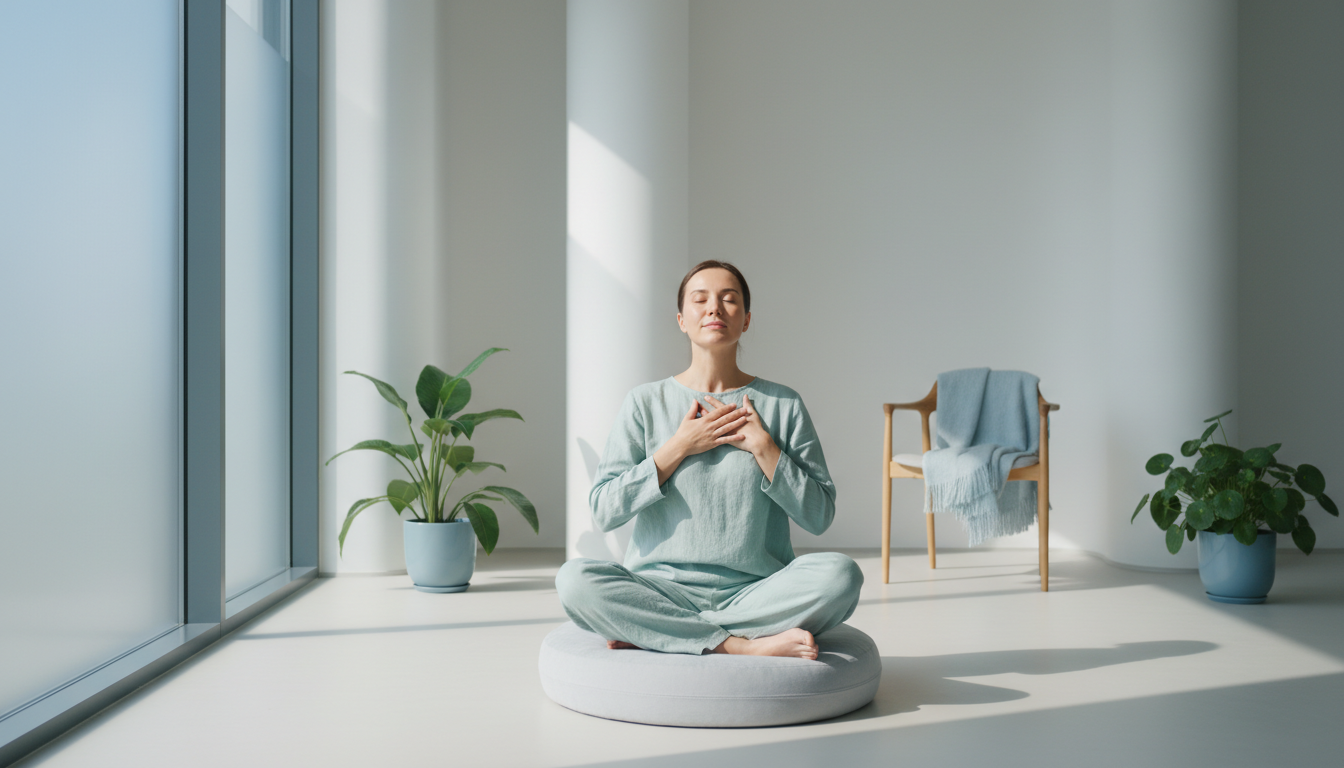
Slow breathing: As with all anxiety symptoms, controlled breathing can help activate the parasympathetic nervous system and reduce the intensity of the fight-or-flight response. Aim for slow, diaphragmatic breaths with a longer exhale than inhale.
Mindfulness: Practising mindfulness during a hot flash can help you observe the sensation without reacting to it with fear or frustration. Remind yourself that the sensation is temporary and not dangerous.
Lifestyle Modifications
Reduce triggers: Caffeine, alcohol, spicy foods, and hot drinks can all lower the threshold for hot flashes. Reducing or eliminating these, particularly during periods of high anxiety, may help.
Regular exercise: The NHS recommends 150 minutes of moderate exercise per week. Regular exercise improves thermoregulation, reduces cortisol, and helps manage anxiety.
Adequate sleep: Sleep deprivation worsens both anxiety and thermoregulatory function. Prioritise good sleep hygiene.
Hydration: Staying well hydrated helps your body regulate temperature more effectively.
Professional Treatment
CBT: NICE-recommended for anxiety disorders. CBT can help break the cycle of anxiety and hot flashes by addressing the thought patterns and behaviours that maintain the problem. Available through NHS Talking Therapies.
Medication: SSRIs can reduce anxiety and, interestingly, are also used to treat hot flushes in menopausal women. Your GP can advise on whether medication might be helpful for your situation. Beta-blockers such as propranolol can also help manage the physical symptoms of anxiety, including flushing and sweating.
When to See Your GP
See your GP if hot flashes are frequent and distressing, if they are accompanied by other symptoms that concern you, if you are unsure whether your hot flashes are related to anxiety or menopause, if self-help strategies are not providing sufficient relief, or if hot flashes are significantly affecting your quality of life.
UK Resources
- NHS Talking Therapies: Free therapy for anxiety. Self-referral available.
- Mind: Information and support for mental health. Infoline: 0300 123 3393.
- Anxiety UK: Helpline: 03444 775 774.
- Women’s Health Concern: If menopause may be a factor, this charity provides advice and a nurse-led helpline.
Conclusion
Anxiety-related hot flashes are a common, well-understood symptom of the body’s stress response. While they can be uncomfortable and embarrassing, they are not dangerous and they are highly treatable. By understanding the mechanisms behind the symptom and employing a combination of immediate coping strategies and longer-term anxiety management, you can significantly reduce their impact on your life. If hot flashes are causing you distress, reach out to your GP or a mental health professional. You do not need to simply put up with them.
Frequently Asked Questions
When to See Your GP?
See your GP if hot flashes are frequent and distressing, if they are accompanied by other symptoms that concern you, if you are unsure whether your hot flashes are related to anxiety or menopause, if self-help strategies are not providing sufficient relief, or if hot flashes are significantly affecting your quality of life.
What are the most common physical symptoms?
For Hot Flashes and Anxiety, this question is best answered with personalised guidance. If you are concerned, speak to your GP or contact NHS 111. The article above outlines the most relevant evidence-based approaches.
How long do these symptoms typically last?
For Hot Flashes and Anxiety, this question is best answered with personalised guidance. If you are concerned, speak to your GP or contact NHS 111. The article above outlines the most relevant evidence-based approaches.
Related Articles
Anxiety and High Blood Pressure: Understanding the Connection
Can anxiety cause high blood pressure? Learn about the link between anxiety and blood pressure, what the research says, and how to manage both effectively.
Anxiety Chest Pain: What It Feels Like, Causes and When to Seek Help
Anxiety chest pain can feel frightening. Learn what causes it, how to tell it apart from a heart attack, and what to do — including when to call 999.

Anxiety Fatigue: Why Anxiety Makes You So Tired
Anxiety can leave you exhausted. Understand why anxiety causes fatigue and discover strategies to restore your energy and wellbeing.