
Feeling Overwhelmed by Anxiety: How to Cope When It’s Too Much
Last updated:
When Anxiety Becomes Overwhelming
There is a difference between feeling anxious and feeling overwhelmed by anxiety. Anxiety on its own, while uncomfortable, is manageable — you can still think, function, and make decisions. But when anxiety becomes overwhelming, it can feel as though you are drowning. Your thoughts race so fast you cannot catch them. Your body feels like it is in crisis mode. Simple tasks seem impossibly difficult. You may feel paralysed, unable to do anything at all, or you may feel frantic and agitated, unable to settle on any single thought or action.
If this describes how you are feeling right now, please know: this is a recognised, common experience, and it does not mean there is something fundamentally wrong with you. It means your nervous system is in overdrive, and it needs help to come back down.
According to the Mental Health Foundation, 74% of UK adults have felt so stressed at some point in the past year that they felt overwhelmed or unable to cope. You are not alone in this, even though anxiety can make you feel profoundly isolated.
What to Do Right Now
If you are feeling overwhelmed by anxiety as you read this, here are immediate steps that can help. You do not need to do all of them — just try one.
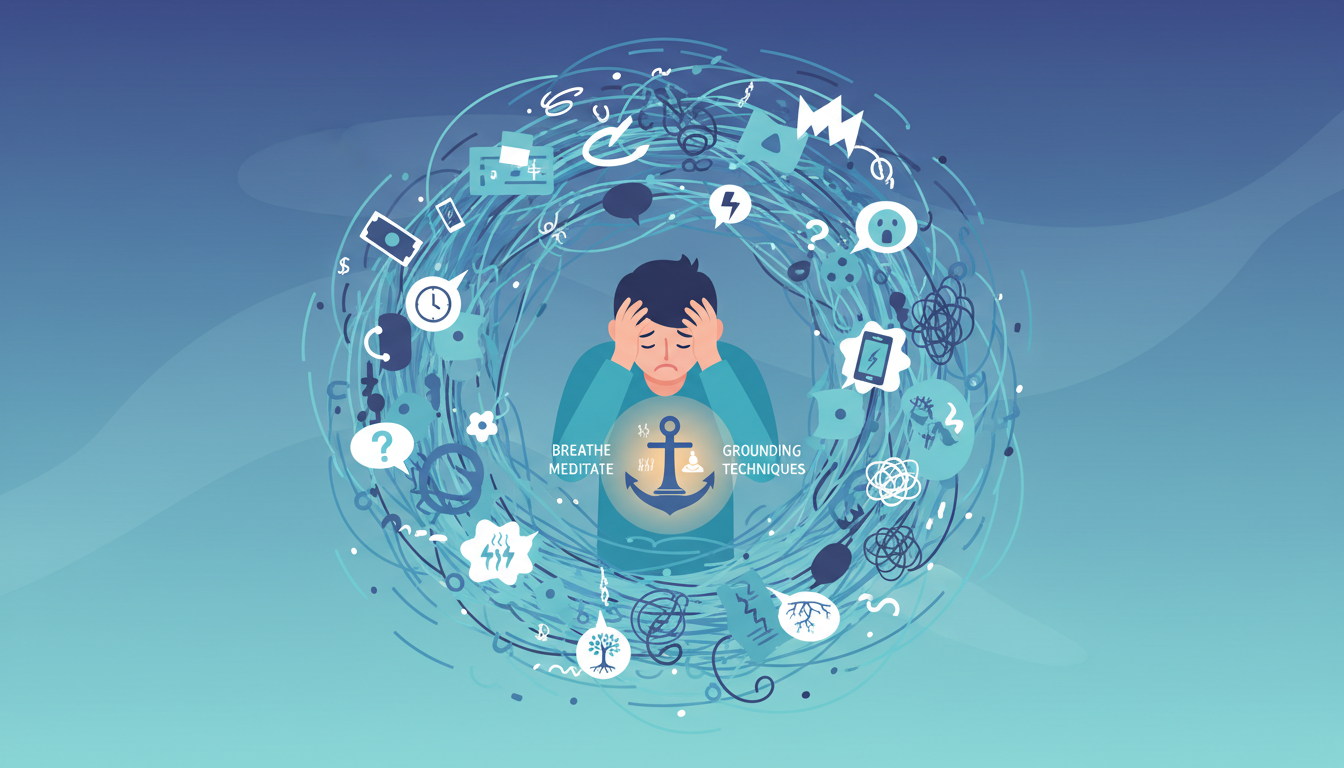
Step 1: Pause
Stop whatever you are doing. You do not need to solve anything right now. Give yourself permission to simply stop for a moment. If you are at work, go to the bathroom or step outside. If you are at home, sit down or lie on the floor. The floor is surprisingly grounding — it is solid and stable beneath you.
Step 2: Breathe
Take three slow breaths using the physiological sigh: breathe in through your nose, then take a second small sip of air through your nose, then exhale slowly through your mouth. This is the fastest known breathing technique for reducing acute anxiety, supported by research from Stanford University.
If that feels too complicated right now, simply breathe out slowly. Make your exhale as long as you comfortably can. That is enough. The exhale is what activates your calming system.
Step 3: Ground Yourself
Press your feet firmly into the floor. Notice the sensation of contact. Squeeze your hands into fists and release them. Touch something cold — run your wrists under cold water or hold a cold object. These physical sensations anchor you in the present moment and interrupt the anxiety spiral.
Step 4: Reduce Stimulation
When you are overwhelmed, every additional input makes it worse. If possible:
- Put your phone on silent and turn it face down.
- Close your eyes or look at something simple and neutral.
- Move to a quieter space.
- If you cannot control the environment, use headphones or earplugs.
Step 5: Speak Kindly to Yourself
What you say to yourself in these moments matters. Instead of “What is wrong with me?” or “I cannot cope,” try: “This is a difficult moment. I have survived difficult moments before. This feeling will pass.” Self-compassion is not weakness — research from the University of Exeter shows it actively reduces anxiety and improves emotional resilience.
Understanding Why You Feel Overwhelmed
The Bucket Metaphor
Imagine your capacity to cope as a bucket. Every stressor in your life — work pressure, family responsibilities, financial worries, health concerns, relationships, world events — adds water to that bucket. Self-care activities, support from others, rest, and positive experiences are the drainage at the bottom.
When more water is going in than draining out, the bucket eventually overflows. That overflow is what overwhelm feels like. It is not a reflection of your weakness — it is a signal that the demands on you currently exceed your available resources.
Common Contributors to Overwhelm
Overwhelm rarely has a single cause. It usually results from a combination of factors:
- Accumulated stress: Multiple moderate stressors can be more overwhelming than a single large one because they create a sense of being besieged on all fronts.
- Lack of recovery time: Without adequate rest, sleep, and downtime, your nervous system never fully resets.
- Perfectionism: Holding yourself to impossibly high standards creates constant anxiety about not being good enough.
- Difficulty saying no: Taking on too many commitments leaves no margin for the unexpected.
- Isolation: Carrying everything alone is exhausting. Humans are designed to share burdens.
- Unresolved anxiety or trauma: Past experiences can make you more vulnerable to overwhelm in the present.
- Physical factors: Poor sleep, illness, hormonal changes, and nutritional deficiencies all reduce your capacity to cope.
Strategies for When Everything Feels Too Much
Make the Next Small Step Your Only Step
When you are overwhelmed, looking at the full picture — all your responsibilities, all the things that need doing — is paralysing. Instead, ask yourself: “What is the one smallest thing I can do right now?”
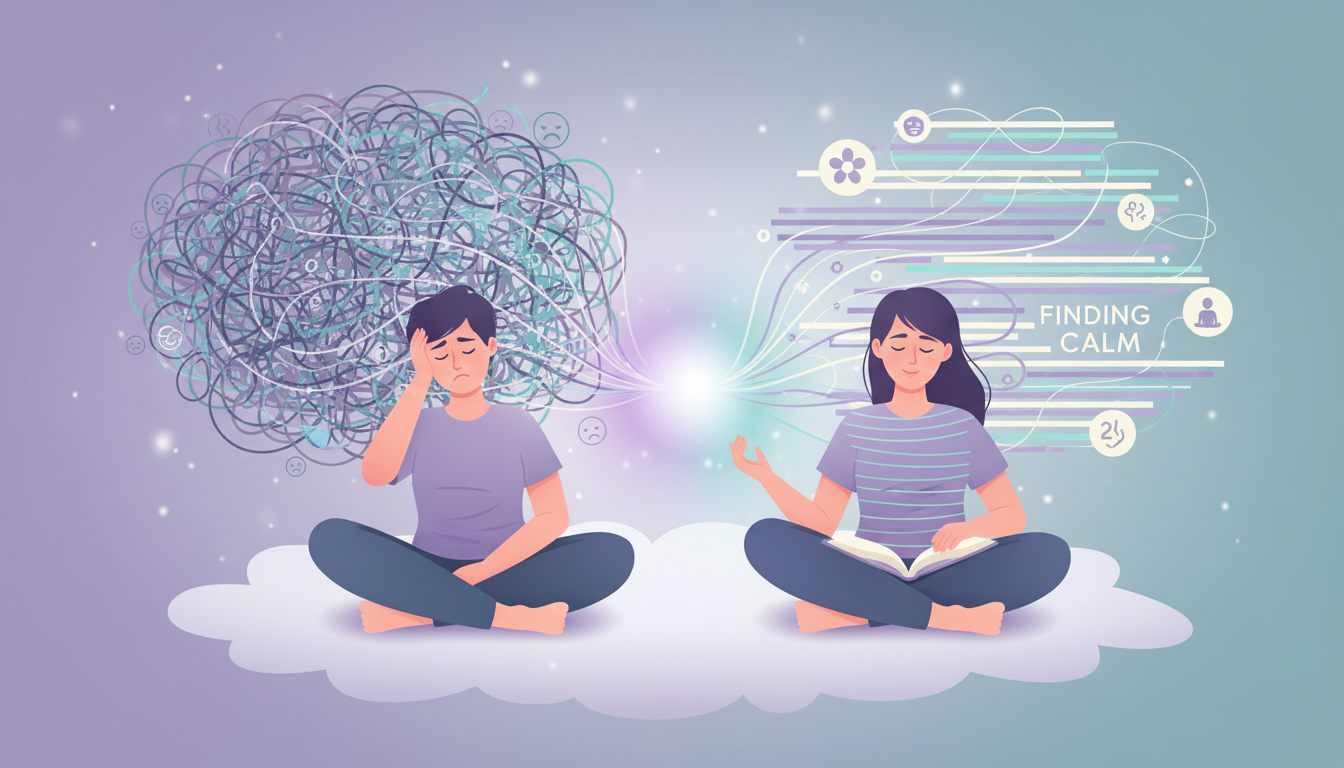
That might be drinking a glass of water. It might be sending one email. It might be putting on your shoes. Do that one thing, and then ask the question again. This approach is used in therapeutic settings because it bypasses the paralysis of overwhelm by making the task so small that your brain cannot object.
Triage Your Responsibilities
When everything feels urgent, nothing feels manageable. Try sorting your responsibilities into three categories:
- Must be done today: What genuinely cannot wait? Be ruthless. Most things are less urgent than they feel.
- Can be done this week: What has some flexibility in timing?
- Can wait or be dropped: What can be postponed, delegated, or simply not done? This category is often larger than you think.
Write these lists on paper. Seeing your responsibilities organised in this way often makes the situation feel significantly more manageable.
Ask for Help
This may feel like the hardest suggestion on this list, but it is one of the most important. Anxiety thrives in isolation. Telling someone you trust — a partner, friend, family member, or colleague — that you are struggling is not a sign of failure. It is a sign of wisdom.
You do not need to ask for solutions. Sometimes simply saying, “I am feeling really overwhelmed right now” is enough. Being heard and understood has a powerful calming effect.
If you do not have someone you feel you can talk to, helplines are available:
- Samaritans: 116 123 (free, 24/7) — for anyone who needs to talk.
- Mind: Infoline 0300 123 3393 — information and support.
- SHOUT: Text SHOUT to 85258 — crisis text support.
Create Space in Your Day
When you are overwhelmed, you need less in your day, not more. Look at your schedule and ask what can be cancelled, postponed, or simplified. Give yourself permission to do less.
This is not laziness — it is essential maintenance. You would not expect a car to run on empty, and you cannot expect yourself to function without recovery time.
Return to Basics
When everything feels chaotic, focus on the fundamentals:
- Sleep: Prioritise getting to bed at a reasonable time tonight. Poor sleep makes everything harder.
- Food: Eat something nourishing. When we are overwhelmed, we often forget to eat or grab convenience food that makes us feel worse.
- Water: Dehydration worsens anxiety. Drink a glass of water now.
- Fresh air: Even 5 minutes outside can shift your nervous system state.
- Movement: A short walk, some stretches, or just shaking your body can release physical tension.
Building Resilience Against Future Overwhelm
Learn to Recognise Early Warning Signs
Overwhelm rarely arrives without warning. Learning to recognise your personal early signs allows you to intervene before you reach crisis point. Common early warning signs include:
- Feeling irritable or tearful over small things.
- Difficulty concentrating or making decisions.
- Withdrawing from friends and activities.
- Changes in appetite or sleep.
- Feeling physically tense or having headaches.
- Procrastinating more than usual.
Set Boundaries
Boundaries are not selfish — they are essential for mental health. This might mean:
- Saying no to additional commitments when you are already stretched.
- Limiting time spent on news and social media.
- Setting work hours and sticking to them.
- Communicating your needs clearly to others.
Build Regular Recovery Into Your Week
Do not wait until you are overwhelmed to rest. Schedule recovery time proactively — even 30 minutes a day dedicated to something that genuinely recharges you. This might be reading, walking, gardening, having a bath, or simply sitting quietly.
Develop a Self-Care Toolkit
Create a list of activities that help you when you are struggling — not just big things, but small, accessible ones. Keep this list somewhere visible so you can refer to it when overwhelm makes it hard to think clearly.
Professional Support for Overwhelming Anxiety
If anxiety is regularly overwhelming you, please consider seeking professional support. This is especially important if:
- You have felt overwhelmed for more than two weeks.
- Anxiety is affecting your ability to work, study, or maintain relationships.
- You are using alcohol, drugs, or other substances to cope.
- You are having thoughts of self-harm or suicide.
- Self-help strategies are not providing enough relief.
Professional treatment is effective. NICE guidelines recommend cognitive behavioural therapy (CBT) as the first-line treatment for anxiety disorders, and it is available free through NHS Talking Therapies. In many areas, you can self-refer without seeing your GP first.
Your GP can also discuss medication options, which can be particularly helpful when anxiety is so severe that it is difficult to engage with therapy or self-help.
UK Resources for Immediate Support
- Samaritans: 116 123 (free, 24/7) — someone to listen when you need to talk.
- SHOUT: Text SHOUT to 85258 — free crisis text support.
- NHS Talking Therapies: Free psychological therapy — self-refer online.
- Mind: Infoline 0300 123 3393 — information and support.
- Anxiety UK: Helpline 03444 775 774.
- Every Mind Matters (NHS): Free personalised mental health action plan.
- In an emergency: Call 999 or go to your nearest A&E.
If you are feeling overwhelmed right now, here is what matters most: you do not have to fix everything today. You do not even have to fix anything today. Right now, in this moment, you just need to breathe, to be here, and to take the next small step. That is enough. You are enough. And this feeling, as intense as it is, will not last forever.
Frequently Asked Questions
When Anxiety Becomes Overwhelming?
There is a difference between feeling anxious and feeling overwhelmed by anxiety. Anxiety on its own, while uncomfortable, is manageable — you can still think, function, and make decisions. But when anxiety becomes overwhelming, it can feel as though you are drowning. Your thoughts race so fast you cannot catch them. Your body feels like it is in crisis mode. Simple tasks seem impossibly difficult. You may feel paralysed, unable to do anything at all, or you may feel frantic and agitated, unable to settle on any single thought or action.
What to Do Right Now?
If you are feeling overwhelmed by anxiety as you read this, here are immediate steps that can help. You do not need to do all of them — just try one.
Which technique works fastest in the moment?
For Feeling Overwhelmed by Anxiety, this question is best answered with personalised guidance. If you are concerned, speak to your GP or contact NHS 111. The article above outlines the most relevant evidence-based approaches.
Related Articles

CBT for Anxiety: How It Works, Techniques and How to Access It
Learn how CBT helps with anxiety, including 5 proven techniques you can practise at home. Find out how to access CBT on the NHS or privately in the UK.
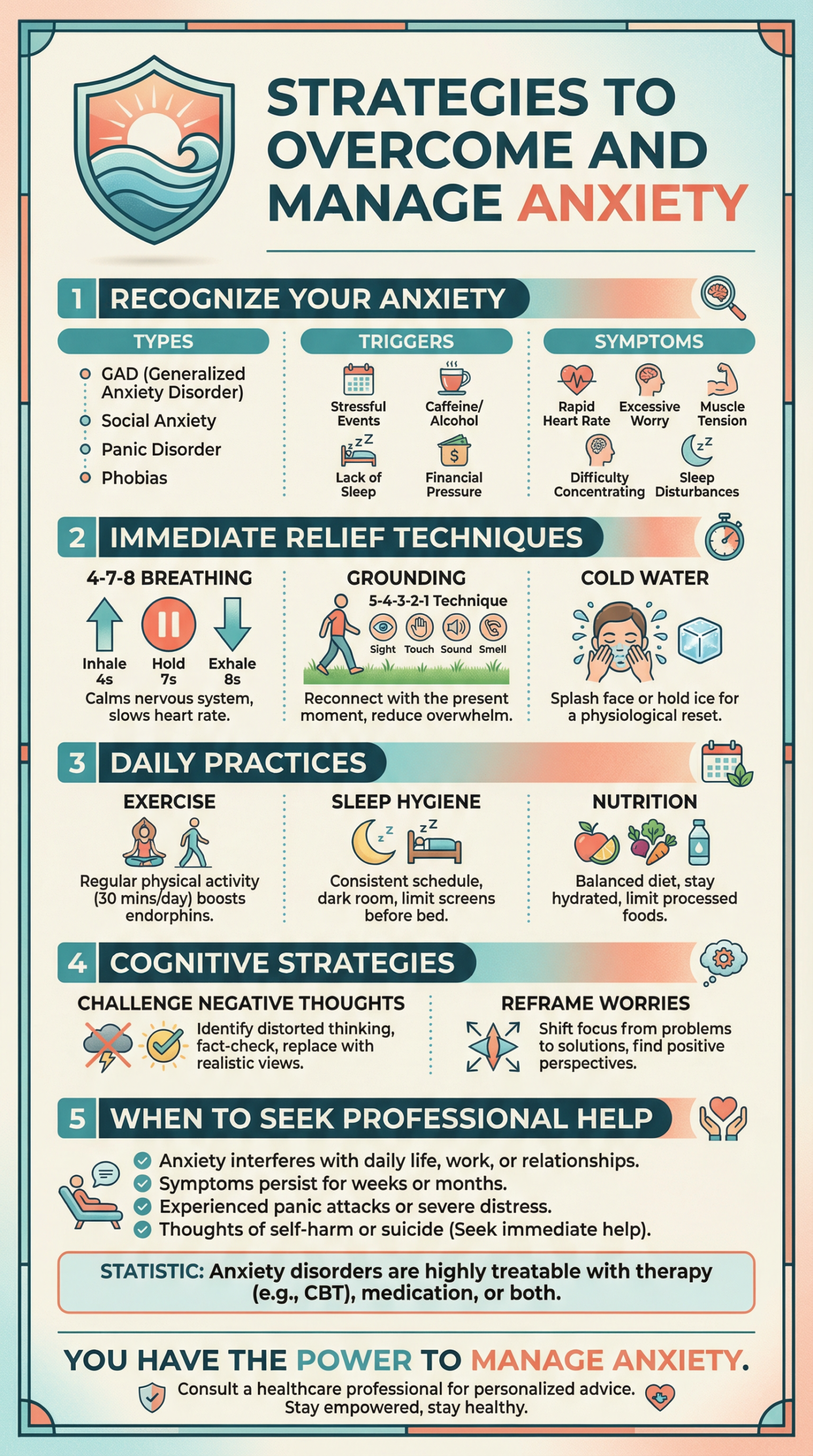
Coop with Anxiety: Strategies to Overcome and Manage Anxiety
Practical strategies to cope with anxiety and take back control — grounding, reframing worry, lifestyle changes and tools to manage anxiety day to day.

How to Get Rid of Anxiety: Evidence-Based Approaches
Want to get rid of anxiety for good? Explore evidence-based approaches that tackle anxiety at its root and deliver lasting results.