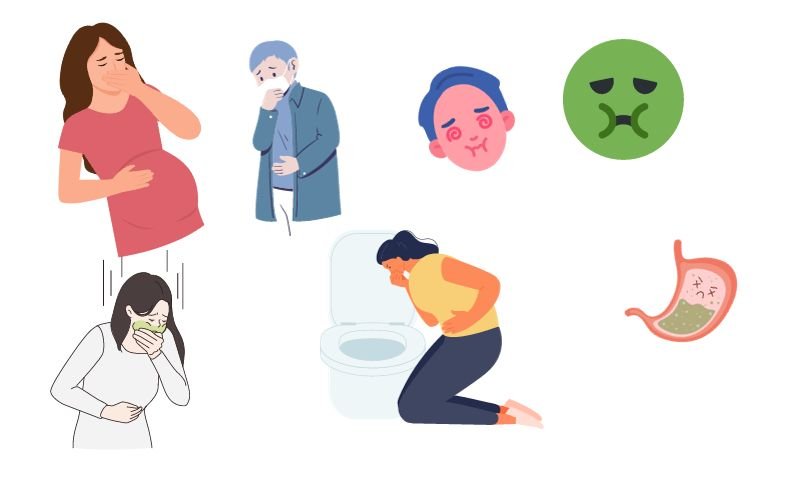
Emetophobia: Symptoms, Causes & Treatment Guide 2025
Last updated:
Emetophobia, the intense and persistent fear of vomiting or witnessing others vomit, is more than just a dislike of nausea—it’s a debilitating anxiety disorder that disrupts daily life. This phobia can lead to extreme avoidance behaviors, social isolation, and significant emotional distress. Understanding its symptoms, causes, and effective treatments is crucial for those affected and their loved ones. Below, we explore this condition in depth, offering actionable insights and hope for recovery.
Symptoms of Emetophobia
Emetophobia manifests through physical, emotional, and behavioral symptoms that vary in severity:
Physical reactions
- Rapid heart rate, sweating, or dizziness when exposed to triggers like vomiting sounds or nausea.
- Gastrointestinal discomfort, such as stomachaches or nausea itself, which can ironically heighten anxiety.
Emotional responses
- Overwhelming dread of losing control during vomiting episodes.
- Fear of embarrassment or choking while vomiting.
Behavioral patterns
- Avoiding public transportation, crowded spaces, or situations without quick bathroom access.
- Restrictive eating habits (e.g., only consuming “safe” foods) or overcooking meals to prevent foodborne illness.
- Excessive handwashing, temperature checks, or discarding food nearing expiration dates.
Causes and Triggers
While the exact cause of emetophobia isn’t fully understood, several factors may contribute:
- Traumatic experiences: A past episode of severe vomiting or witnessing someone else vomit, especially during childhood.
- Anxiety sensitivity: A heightened fear of bodily sensations, where nausea is misinterpreted as catastrophic.
- Genetic predisposition: Family history of anxiety disorders or specific phobias.
Triggers often include stomach bugs, motion sickness, pregnancy (due to morning sickness fears), or even mentions of vomit in media.
Evidence-Based Treatments

Cognitive-Behavioral Therapy (CBT)
CBT is the gold-standard treatment, focusing on:
- Challenging irrational beliefs: Addressing thoughts like “Vomiting will kill me” or “I can’t survive nausea”.
- Exposure and Response Prevention (ERP): Gradual exposure to vomit-related stimuli, such as watching videos of vomiting or simulating nausea, while practicing coping strategies. Studies show CBT can significantly reduce symptoms in structured programs.
Medication
- Antidepressants (SSRIs): Often prescribed to manage underlying anxiety.
- Anti-nausea drugs: Used sparingly to reduce physical symptoms, though reliance can reinforce fear.
Supplementary Approaches
- Mindfulness and relaxation techniques: Deep breathing or grounding exercises to manage panic attacks.
- Support groups: Connecting with others facing similar challenges reduces isolation.
Coping Strategies for Daily Life
Living with emetophobia requires practical adjustments:
- Create a “safety kit”: Carry mints, ginger candies, or a comfort item to alleviate nausea anxiety.
- Gradual exposure: Start with low-stakes scenarios, like saying the word “vomit,” and slowly progress to higher exposures.
- Challenge avoidance: Reintroduce avoided foods or activities in small, manageable steps (e.g., trying a new restaurant with a trusted friend).
Finding Hope and Support
Ken Goodman, a leading expert, emphasizes that recovery is possible with dedication and the right tools. His Emetophobia Manual and webinars provide structured guidance for confronting fears. Remember, setbacks are normal—progress often comes in small, incremental steps.
If daily functioning is severely impacted, seek a therapist specializing in anxiety disorders. According to the NHS, specific phobias like emetophobia are highly treatable with proper professional support. The Anxiety and Depression Association of America also provides comprehensive resources for understanding and treating specific phobias. With tailored treatment, many individuals reclaim their lives, proving emetophobia doesn’t have to be a lifelong sentence.
Frequently Asked Questions
What are the most common physical symptoms?
For Emetophobia, this question is best answered with personalised guidance. If you are concerned, speak to your GP or contact NHS 111. The article above outlines the most relevant evidence-based approaches.
How long do these symptoms typically last?
For Emetophobia, this question is best answered with personalised guidance. If you are concerned, speak to your GP or contact NHS 111. The article above outlines the most relevant evidence-based approaches.
Are these symptoms dangerous or just uncomfortable?
For Emetophobia, this question is best answered with personalised guidance. If you are concerned, speak to your GP or contact NHS 111. The article above outlines the most relevant evidence-based approaches.
Related Articles

Anxiety Chest Pain: What It Feels Like, Causes and When to Seek Help
Anxiety chest pain can feel frightening. Learn what causes it, how to tell it apart from a heart attack, and what to do — including when to call 999.

Anxiety Headache: Types, Triggers and Relief
Anxiety headaches are more common than you think. Identify your triggers, understand the types and find lasting relief today.
Anxiety and Stomach Problems: Why Anxiety Affects Your Gut
Discover why anxiety causes stomach problems and what you can do about it. Learn about the brain-gut connection, common symptoms, and evidence-based relief.