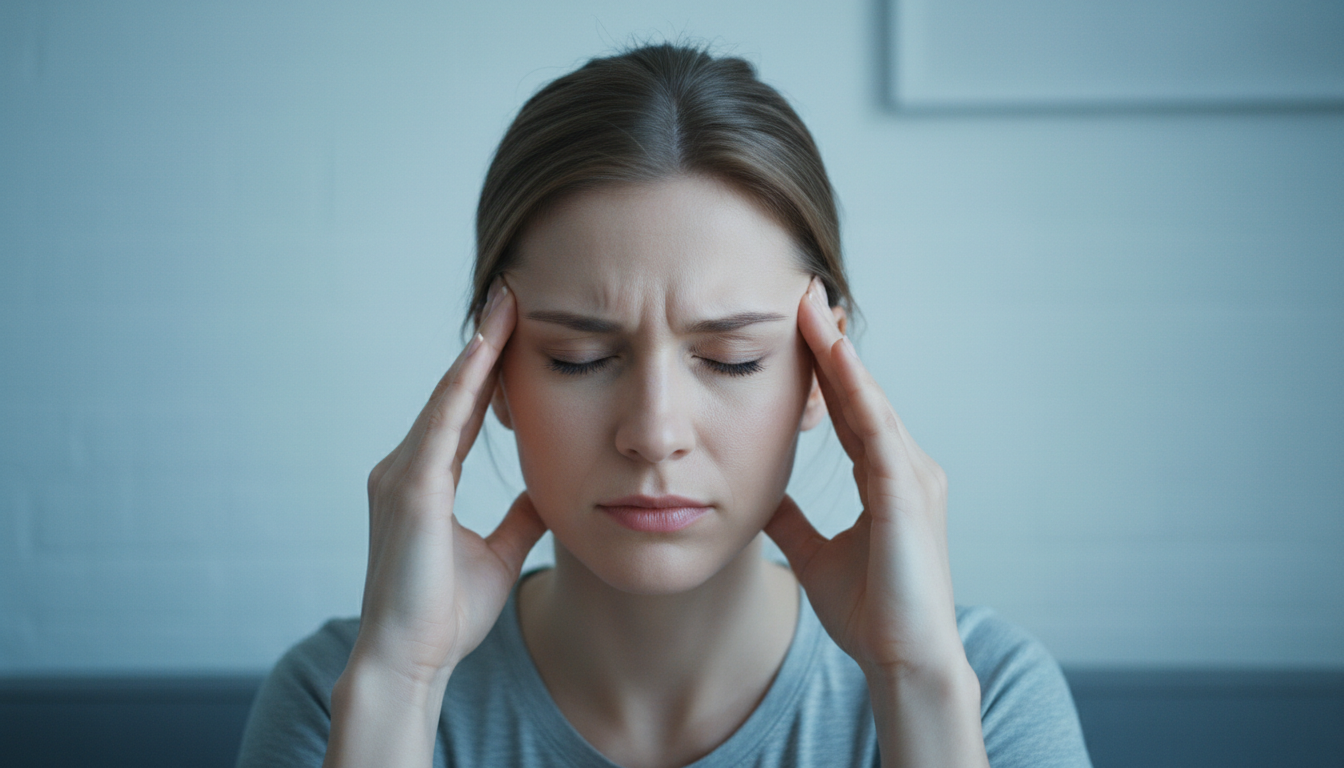
Anxiety Tremors: Why You Shake and How to Manage It
Last updated:
Introduction: When Anxiety Makes You Shake
You are about to give a presentation, and your hands will not stop trembling. You are sitting in a meeting, and you can feel your legs vibrating beneath the table. You are trying to hold a cup of tea, and the liquid is visibly rippling. Anxiety tremors, the involuntary shaking that accompanies heightened anxiety, are one of the most visible and embarrassing physical symptoms of anxiety, and they affect far more people than you might imagine.
In the United Kingdom, where millions of people live with anxiety disorders, tremors and shaking are commonly reported symptoms. They can occur during panic attacks, in social situations, before stressful events, or even at seemingly random moments when anxiety levels are elevated. The shaking is involuntary, meaning you cannot simply will it to stop, which can make it all the more distressing.
This article explains why anxiety causes tremors, how to distinguish anxiety tremors from other causes, and what you can do to manage and reduce them.
Why Does Anxiety Cause Tremors?
The Adrenaline Response
The primary cause of anxiety tremors is the release of adrenaline (epinephrine) as part of the fight-or-flight response. When your brain perceives a threat, it triggers the adrenal glands to flood your body with adrenaline. This hormone has several effects on the musculoskeletal system:
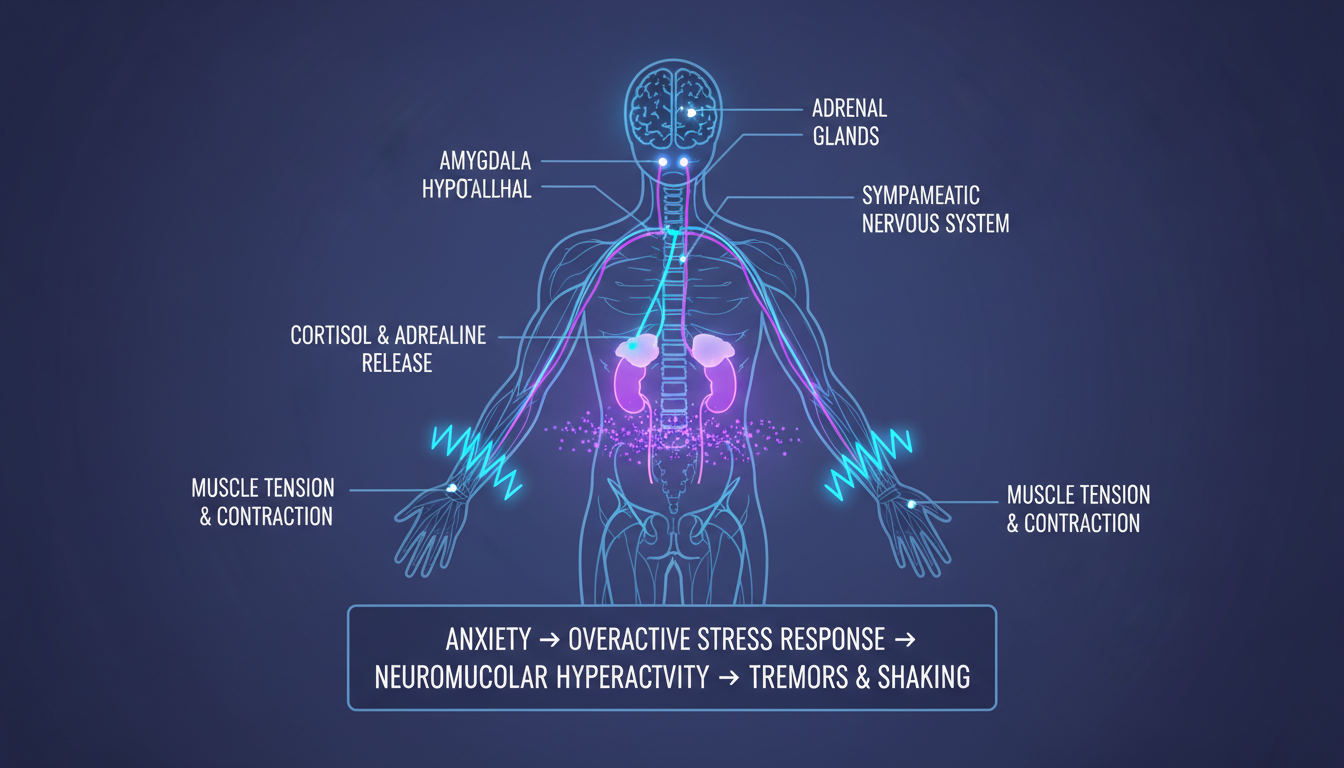
- It increases blood flow to the muscles, preparing them for rapid action
- It causes muscles to tense and become primed for movement
- It increases the speed of nerve impulses to the muscles
When your muscles are activated in this way but you are not actually running from a predator or fighting a physical threat, the excess energy has nowhere to go. The result is involuntary muscle contractions that manifest as shaking or trembling. In essence, your body is revving its engine while parked.
Muscle Tension and Fatigue
Chronic anxiety often leads to sustained muscle tension. Over time, holding your muscles in a state of constant contraction leads to fatigue. When muscles are fatigued, they are more prone to trembling. You may notice this particularly in the hands, where fine motor control makes tremors more visible, or in the legs, which bear the body’s weight and can fatigue quickly when tensed.
Blood Sugar Fluctuations
Anxiety can affect eating patterns, causing you to skip meals or reach for sugary foods for quick energy. Blood sugar fluctuations can contribute to shakiness and trembling. Additionally, the stress response itself can temporarily alter blood sugar regulation, as cortisol and adrenaline both affect glucose metabolism.
Post-Adrenaline Shaking
Many people notice that they shake after an anxiety-provoking event rather than during it. This post-adrenaline tremor occurs as the body processes and clears the excess adrenaline from the system. It is the body’s way of returning to a state of equilibrium and, while unpleasant, is a normal physiological process.
Types of Anxiety Tremors
Anxiety tremors can affect different parts of the body and present in different ways.
Hand Tremors
Shaking hands are perhaps the most commonly noticed anxiety tremor, partly because the hands are so visible and involved in many daily activities. You might notice them when writing, holding objects, typing, or gesturing during conversation. Hand tremors can be particularly distressing in social or professional settings.
Leg and Knee Tremors
Your legs may shake or feel weak and wobbly during periods of anxiety. This can affect your ability to stand still, walk steadily, or feel grounded. Some people describe a sensation of their knees “turning to jelly” during panic attacks.
Voice Tremors
Anxiety can cause your voice to shake or quiver, which is particularly troublesome during public speaking, phone calls, or meetings. The vocal cords are controlled by muscles that respond to the same adrenaline surge as the rest of the body.
Internal Tremors
Some people experience a sensation of shaking or vibrating internally that is not visible to others. This “internal tremor” can feel like the whole body is vibrating from the inside and can be very disconcerting. It is likely caused by microscopic muscle contractions and heightened nervous system activity.
Full-Body Shaking
During severe panic attacks or periods of extreme anxiety, the entire body may shake visibly. This can be accompanied by chattering teeth, a feeling of being unable to control any muscles, and intense fear.
Anxiety Tremors vs Other Causes of Tremor
While anxiety is a very common cause of tremor, it is important to be aware that other conditions can also cause shaking. If your tremors are persistent, progressively worsening, or occur independently of anxiety, it is worth seeing your GP to rule out other causes.
Essential Tremor
Essential tremor is the most common movement disorder, affecting approximately 1 in 25 people over the age of 40 in the UK. It typically causes a rhythmic tremor in the hands that worsens with purposeful movement (such as reaching for a cup). Unlike anxiety tremors, essential tremor is present most of the time and tends to worsen with age. It may run in families.
Medication Side Effects
Certain medications, including some antidepressants, asthma inhalers (salbutamol), and stimulant medications, can cause tremor as a side effect. If you notice tremor after starting a new medication, discuss it with your GP.
Caffeine and Stimulants
Excessive caffeine intake is a very common cause of tremor that can easily be mistaken for anxiety. Caffeine stimulates the nervous system in similar ways to anxiety, and reducing your intake may significantly reduce shaking.
Other Medical Conditions
Conditions such as hyperthyroidism (overactive thyroid), low blood sugar (hypoglycaemia), and certain neurological conditions can cause tremor. Your GP can arrange blood tests and assessments to investigate if needed.
Managing Anxiety Tremors
In the Moment: Immediate Strategies
Controlled breathing: Slow, deep breathing activates the parasympathetic nervous system and begins to counteract the adrenaline response. Try the 4-7-8 technique: breathe in for 4 seconds, hold for 7 seconds, exhale for 8 seconds.
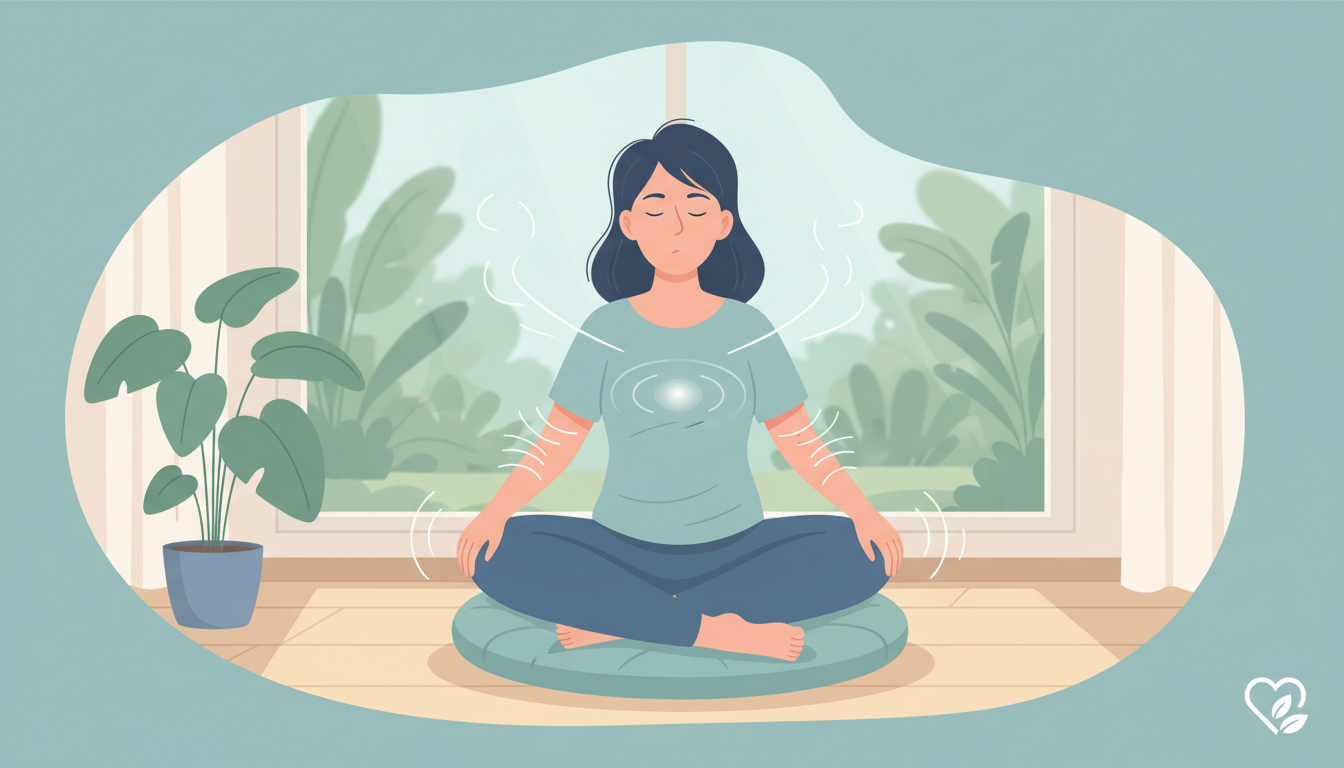
Progressive muscle relaxation: Deliberately tensing and then releasing each muscle group can help reset the muscles and reduce trembling. Start with your feet and work upward through your legs, abdomen, hands, arms, shoulders, and face.
Physical movement: Because anxiety tremors are caused by excess adrenaline priming your muscles for action, actually moving can help. A brisk walk, some star jumps, or even vigorous hand-shaking can help burn off the adrenaline and reduce trembling.
Cold water: Splashing cold water on your face or holding ice cubes in your hands can trigger the mammalian dive reflex, which activates the parasympathetic nervous system and can quickly reduce anxiety symptoms including tremors.
Grounding: Press your feet firmly into the floor, grip the arms of a chair, or hold a heavy object. The sensory input from these actions can help anchor you in the present moment and reduce the feeling of being out of control.
Long-Term Management
CBT: Cognitive behavioural therapy is recommended by NICE for the treatment of anxiety disorders and can be very effective at reducing the frequency and severity of anxiety episodes, including those that produce tremors. CBT is available through NHS Talking Therapies.
Regular exercise: Consistent physical activity helps regulate the nervous system, reduces baseline cortisol levels, and improves the body’s ability to process adrenaline. The NHS recommends at least 150 minutes of moderate-intensity exercise per week.
Reduce stimulants: Cutting back on caffeine, nicotine, and sugar can significantly reduce the tendency to shake. Try gradually reducing your intake over a few weeks to avoid withdrawal symptoms.
Medication: If anxiety tremors are severe and impacting your daily life, your GP may recommend medication. SSRIs such as sertraline can reduce overall anxiety levels, while beta-blockers such as propranolol can specifically help manage the physical symptoms of anxiety, including tremor, palpitations, and sweating. Propranolol is sometimes used on an as-needed basis before specific anxiety-provoking events such as presentations or performances.
Sleep: Poor sleep exacerbates both anxiety and muscle tension. Prioritising good sleep hygiene, including a consistent bedtime, a dark and cool bedroom, and avoiding screens before bed, can help reduce the likelihood of anxiety tremors.
Living with Anxiety Tremors: Practical Tips
- If you are worried about visible shaking in meetings or social situations, holding something heavy (like a thick notebook or a full water bottle) can help stabilise your hands.
- Wearing layers can help disguise leg tremors.
- If your voice shakes, speaking slightly more slowly and at a lower pitch can help.
- Remember that most people are far less observant of your tremors than you think. We tend to overestimate how much others notice our anxiety symptoms.
UK Resources for Support
- NHS Talking Therapies: Free CBT and other talking therapies. Self-referral available.
- Mind: Mental health information and support. Infoline: 0300 123 3393.
- Anxiety UK: Specialist anxiety support. Helpline: 03444 775 774.
- Your GP: Can assess your tremors, rule out other causes, and discuss medication options.
Conclusion
Anxiety tremors are a natural, if uncomfortable, consequence of your body’s stress response. They are not dangerous, and they do not indicate a serious neurological problem. Understanding that the shaking is simply your muscles responding to adrenaline, your body preparing for action that never comes, can itself be reassuring. With the right combination of immediate coping techniques and long-term anxiety management, most people can significantly reduce the frequency and intensity of anxiety-related shaking. If tremors are affecting your quality of life, do not hesitate to seek support from your GP or a mental health professional.
Related Articles
Anxiety and High Blood Pressure: Understanding the Connection
Can anxiety cause high blood pressure? Learn about the link between anxiety and blood pressure, what the research says, and how to manage both effectively.
Anxiety Chest Pain: What It Feels Like, Causes and When to Seek Help
Anxiety chest pain can feel frightening. Learn what causes it, how to tell it apart from a heart attack, and what to do — including when to call 999.

Anxiety Fatigue: Why Anxiety Makes You So Tired
Anxiety can leave you exhausted. Understand why anxiety causes fatigue and discover strategies to restore your energy and wellbeing.