Anxiety and High Blood Pressure: Understanding the Connection
Last updated:
Can Anxiety Cause High Blood Pressure?
Yes — but with an important distinction. Anxiety causes temporary spikes in blood pressure, not the sustained high blood pressure (hypertension) that your GP is primarily concerned about.
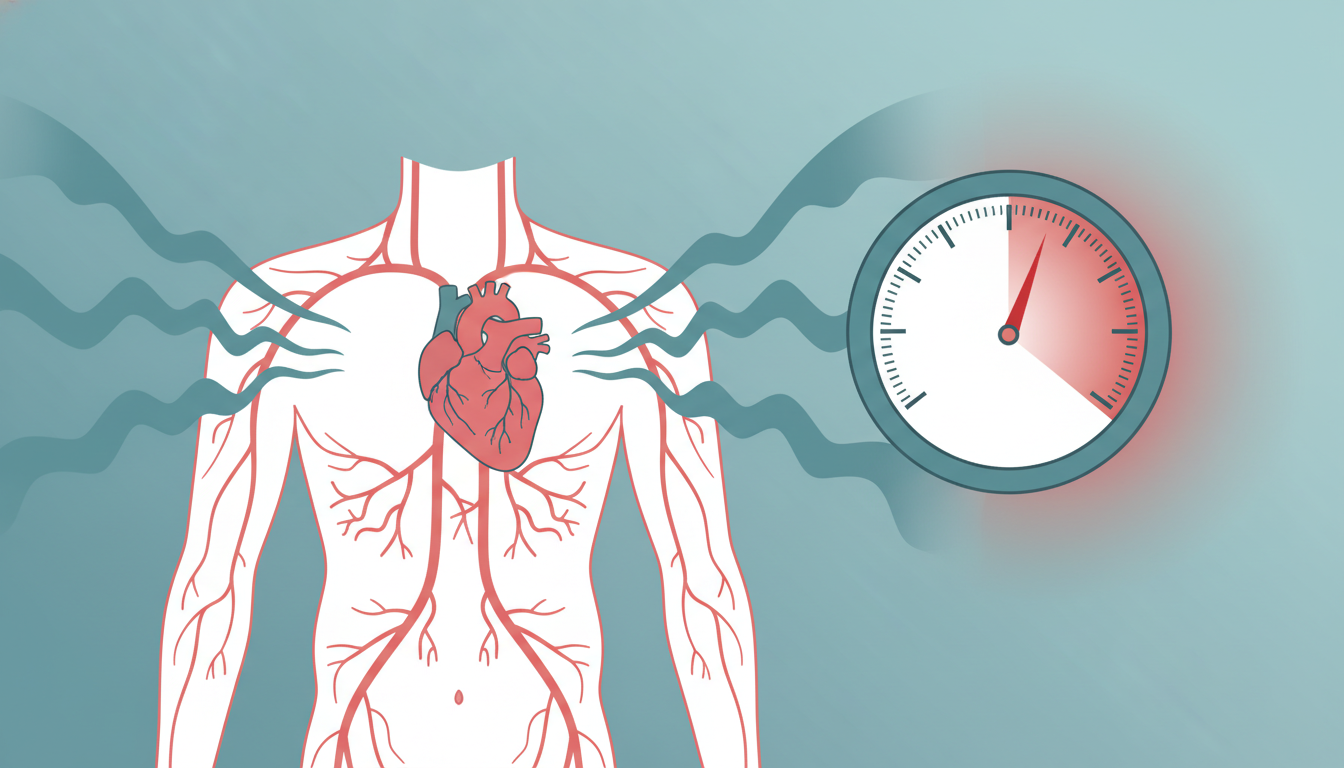
Here is what happens: when you feel anxious, your body activates the fight-or-flight response. Your adrenal glands release adrenaline (epinephrine) and cortisol, which cause your heart to beat faster and your blood vessels to narrow. Both of these effects increase blood pressure, sometimes significantly. This is your body preparing to respond to a perceived threat — a survival mechanism that evolved to help you escape danger.
Once the anxiety passes and the fight-or-flight response subsides, your blood pressure typically returns to its normal baseline. This is an entirely normal physiological process. The concern arises when anxiety is chronic, frequent, or severe — keeping your body in a prolonged state of heightened stress that may have cumulative effects on your cardiovascular system.
Understanding Blood Pressure
Before exploring the anxiety connection further, it helps to understand what blood pressure readings actually mean.
Blood pressure is measured in millimetres of mercury (mmHg) and expressed as two numbers:
- Systolic pressure (the top number) — the pressure in your arteries when your heart contracts and pushes blood out.
- Diastolic pressure (the bottom number) — the pressure in your arteries when your heart relaxes between beats.
NHS Blood Pressure Categories
According to the NHS and NICE guidelines, blood pressure is categorised as follows:
- Low blood pressure: below 90/60 mmHg
- Normal blood pressure: between 90/60 and 120/80 mmHg
- Slightly raised (pre-hypertension): between 120/80 and 140/90 mmHg
- High blood pressure (hypertension): 140/90 mmHg or above (confirmed by repeated readings or ambulatory monitoring)
- Severe hypertension: 180/120 mmHg or above — this requires urgent medical attention
A single high reading does not necessarily mean you have hypertension. Blood pressure fluctuates throughout the day depending on activity, stress, caffeine intake, and many other factors. This is why the NHS recommends confirming high readings with ambulatory blood pressure monitoring (ABPM) or home blood pressure monitoring (HBPM) before diagnosing hypertension.
How Much Can Anxiety Raise Blood Pressure?
The extent to which anxiety raises blood pressure varies between individuals, but research gives us useful benchmarks:
- Systolic pressure can increase by 20-30 mmHg or more during acute anxiety or panic.
- Diastolic pressure typically rises by 10-15 mmHg during anxious episodes.
- During a full panic attack, systolic blood pressure can temporarily spike to 180 mmHg or higher, even in people with normally healthy blood pressure.
A 2015 study published in the Journal of Hypertension found that individuals with anxiety disorders had significantly higher average blood pressure readings than non-anxious controls, even after adjusting for lifestyle factors. Research from the Framingham Heart Study — one of the longest-running cardiovascular studies in the world — found that anxiety was associated with a higher risk of developing hypertension over time.
It is worth noting that these spikes, while uncomfortable and sometimes frightening, are not usually dangerous in otherwise healthy individuals. Your cardiovascular system is designed to handle temporary increases in blood pressure. The concern is when these spikes become very frequent or are layered on top of already elevated baseline blood pressure.
The Anxiety-Blood Pressure Cycle
One of the most challenging aspects of the anxiety-blood pressure relationship is that it can become a self-reinforcing cycle:
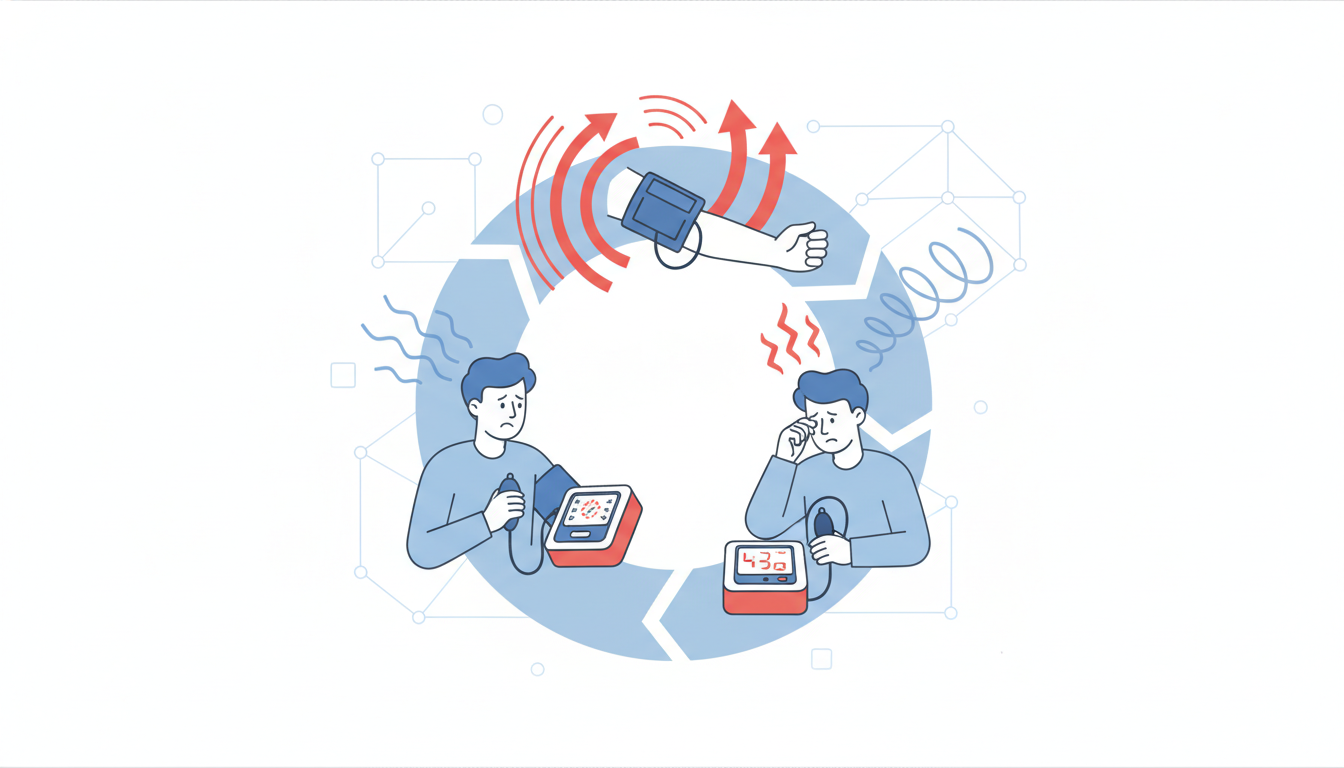
- Anxiety raises blood pressure through the fight-or-flight response.
- You notice symptoms of raised blood pressure (headache, dizziness, pounding heart) or see a high reading on a monitor.
- The high reading causes more anxiety — “Is something wrong with my heart? Am I going to have a stroke?”
- The increased anxiety raises blood pressure further.
- The cycle continues, with each revolution reinforcing the association between blood pressure and threat.
This cycle is particularly common in people with health anxiety (hypochondria). If you tend to monitor your body closely for signs of illness, a single elevated blood pressure reading can trigger a cascade of anxious thoughts, physical symptoms, and repeated checking behaviours that maintain both the anxiety and the elevated readings.
Breaking this cycle requires addressing the anxiety component, not just the blood pressure numbers. This is where psychological approaches such as CBT become essential.
White Coat Hypertension
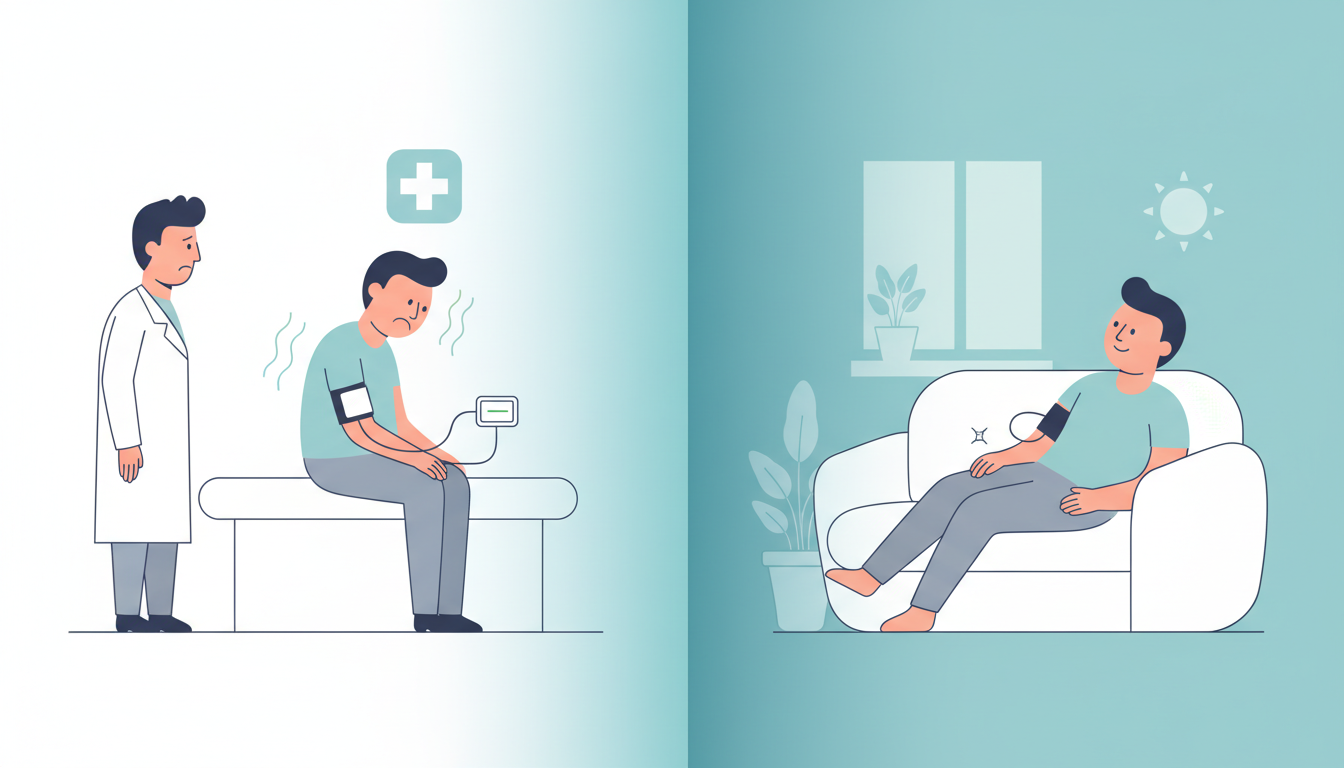
White coat hypertension is a well-recognised phenomenon where a person’s blood pressure is consistently elevated when measured in a clinical setting (GP surgery, hospital, or clinic) but normal when measured at home or during daily life.
How Common Is It?
White coat hypertension is remarkably prevalent. Research estimates that it affects 15-30% of people who receive high blood pressure readings in clinical settings. Some studies suggest the figure may be even higher among people with diagnosed anxiety disorders.
Why Does It Happen?
The medical environment itself triggers a stress response. The anticipation of the appointment, the clinical surroundings, the presence of a health professional, and the anxiety about what the reading might show all activate the sympathetic nervous system, raising blood pressure. For many people, this response is automatic and occurs even when they do not feel consciously anxious.
How Is It Identified?
NICE guidelines (CG127) recommend that if a clinic reading is 140/90 mmHg or above, the diagnosis should be confirmed with one of the following:
- Ambulatory Blood Pressure Monitoring (ABPM) — you wear a small device on your arm for 24 hours that takes readings at regular intervals throughout the day and night. This is the gold standard for confirming hypertension and identifying white coat hypertension.
- Home Blood Pressure Monitoring (HBPM) — you take your own readings at home twice daily (morning and evening) for at least 4 days, ideally 7. An average of these readings gives a more accurate picture.
If your ABPM or HBPM readings are normal (below 135/85 for ABPM daytime average), but your clinic readings are elevated, you likely have white coat hypertension rather than true hypertension.
Does White Coat Hypertension Need Treatment?
White coat hypertension was historically considered harmless, but more recent research suggests it may carry a slightly increased cardiovascular risk compared to consistently normal blood pressure. Your GP will typically recommend monitoring rather than medication, with regular follow-up to ensure it does not progress to sustained hypertension.
Can Anxiety Cause Permanent High Blood Pressure?
This is one of the most frequently asked questions, and the answer requires nuance.
Temporary anxiety spikes do not directly cause permanent hypertension. When the anxiety resolves, blood pressure returns to baseline. A single panic attack or stressful day will not give you chronic high blood pressure.
However, chronic anxiety may contribute to long-term hypertension through several indirect mechanisms:
- Sustained cortisol elevation — chronic anxiety keeps cortisol levels elevated, which over months and years can promote arterial stiffness, inflammation, and sodium retention, all of which raise baseline blood pressure.
- Behavioural factors — people with chronic anxiety are more likely to engage in behaviours that raise blood pressure, including poor sleep, reduced physical activity, emotional eating, increased alcohol consumption, and smoking.
- Vascular changes — repeated, frequent blood pressure spikes may cause wear and tear on blood vessel walls over time, potentially contributing to arterial stiffness.
- Medication effects — some anxiety medications (particularly SNRIs such as venlafaxine) can raise blood pressure as a side effect.
A 2019 meta-analysis published in the Journal of the American Heart Association found that anxiety was associated with a 37% increased risk of developing hypertension. This does not mean anxiety directly causes hypertension in every case, but it does suggest that managing anxiety is an important part of cardiovascular health.
Anxiety Medication and Blood Pressure
If you are taking or considering medication for anxiety, it is helpful to understand how different types affect blood pressure.
SSRIs (Selective Serotonin Reuptake Inhibitors)
SSRIs such as sertraline, citalopram, and fluoxetine are generally blood pressure neutral. They may occasionally cause a very modest increase, but this is uncommon and usually clinically insignificant. SSRIs are typically the first-line medication for anxiety disorders in the UK.
SNRIs (Serotonin-Noradrenaline Reuptake Inhibitors)
SNRIs such as venlafaxine and duloxetine can raise blood pressure, particularly at higher doses. The noradrenaline component increases sympathetic nervous system activity. If you are prescribed an SNRI, your GP should monitor your blood pressure regularly, especially when the dose is increased.
Beta-Blockers
Beta-blockers such as propranolol lower both anxiety symptoms and blood pressure. They work by blocking the effects of adrenaline, reducing heart rate and the physical symptoms of anxiety (tremor, palpitations, sweating). Propranolol is commonly prescribed in the UK for performance anxiety, situational anxiety, and the physical symptoms of anxiety. It is particularly useful for people who experience significant anxiety-related blood pressure spikes.
Benzodiazepines
Benzodiazepines such as diazepam temporarily lower blood pressure through their sedative and muscle-relaxant effects. However, they are only recommended for short-term use (typically 2-4 weeks) due to the risk of dependence. They are not a long-term solution for either anxiety or blood pressure management.
Buspirone
Buspirone, an anti-anxiety medication that works differently from SSRIs and benzodiazepines, generally has minimal effect on blood pressure and can be a useful option for people concerned about cardiovascular effects.
Always discuss the blood pressure implications of any medication with your GP, especially if you already have hypertension or are taking blood pressure medication.
How to Lower Anxiety-Related Blood Pressure
Managing anxiety-related blood pressure effectively requires both immediate techniques for acute spikes and long-term strategies for overall reduction.
Immediate Techniques
The 4-7-8 Breathing Technique:
- Breathe in quietly through your nose for 4 seconds.
- Hold your breath for 7 seconds.
- Exhale completely through your mouth for 8 seconds.
- Repeat for 4 cycles.
This technique activates the parasympathetic nervous system, directly counteracting the fight-or-flight response. Research from the Journal of Clinical Hypertension found that slow breathing exercises can reduce systolic blood pressure by 5-10 mmHg within minutes.
Progressive Muscle Relaxation (PMR):
Systematically tense and release each muscle group in your body, starting from your toes and working upwards. Hold the tension for 5 seconds, then release for 10 seconds. This reduces the overall muscle tension that contributes to both anxiety and elevated blood pressure.
Grounding Techniques:
The 5-4-3-2-1 technique can interrupt an anxiety spiral. Identify 5 things you can see, 4 things you can touch, 3 things you can hear, 2 things you can smell, and 1 thing you can taste. This brings your attention back to the present moment and out of the anxious thought loop.
Long-Term Strategies
Regular exercise: The NHS recommends at least 150 minutes of moderate-intensity exercise per week. Regular physical activity reduces both anxiety and blood pressure. Research shows that aerobic exercise lowers systolic blood pressure by an average of 5-8 mmHg and reduces anxiety symptoms by 20-30%.
Dietary changes: Reducing sodium intake, increasing potassium-rich foods (bananas, spinach, sweet potatoes), following a balanced diet rich in fruits, vegetables, and whole grains, and maintaining a healthy weight all contribute to lower blood pressure. The DASH (Dietary Approaches to Stop Hypertension) diet has strong evidence for blood pressure reduction.
Sleep improvement: Poor sleep both raises blood pressure and worsens anxiety. Aim for 7-9 hours per night. Establish a consistent sleep routine and limit screen time before bed.
Caffeine reduction: Caffeine raises blood pressure acutely (by 5-10 mmHg) and can worsen anxiety symptoms. If you are sensitive to caffeine, consider reducing or eliminating coffee, strong tea, and energy drinks.
CBT (Cognitive Behavioural Therapy): CBT is the gold-standard treatment for anxiety disorders and has been shown to reduce anxiety-related blood pressure elevation. By changing the thought patterns that trigger the fight-or-flight response, CBT reduces the frequency and intensity of blood pressure spikes. Available free through NHS Talking Therapies (self-refer at nhs.uk/talk).
Monitoring Blood Pressure at Home
If you have anxiety about your blood pressure, home monitoring can be helpful — but it needs to be done carefully to avoid making the anxiety worse.
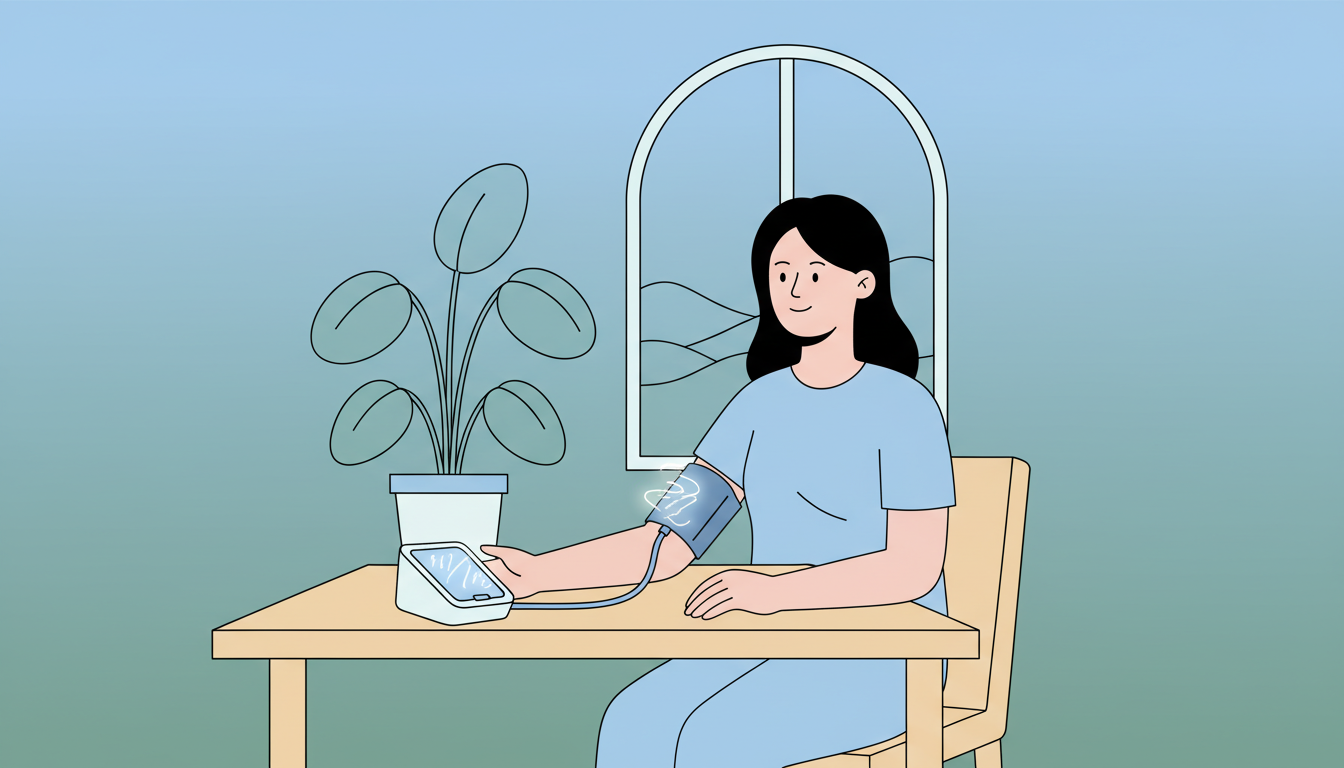
Tips for Accurate, Anxiety-Friendly Home Monitoring
- Sit quietly for at least 5 minutes before taking a reading. Do not check your blood pressure immediately after an anxious episode or physical activity.
- Sit with your back supported, feet flat on the floor, and arm resting at heart level on a table or cushion.
- Take 3 readings, each 1-2 minutes apart, and discard the first reading, which is often the highest due to the initial anxiety of the measurement itself. Average the second and third readings.
- Measure at the same times each day — ideally morning and evening — for consistency.
- Do not check obsessively. If you find yourself checking multiple times a day, this may indicate health anxiety that is maintaining the anxiety-blood pressure cycle. Limit yourself to twice daily (morning and evening) or as recommended by your GP.
- Use a validated monitor. The British and Irish Hypertension Society (BIHS) maintains a list of validated home blood pressure monitors at bihsoc.org/bp-monitors.
- Record your readings in a log or app to share with your GP, rather than reacting to individual numbers. The overall trend matters far more than any single reading.
Important: If checking your blood pressure at home is causing you significant anxiety rather than reassurance, discuss this with your GP. For some people with health anxiety, home monitoring can become a compulsive checking behaviour that worsens the problem. Your GP can advise on the right monitoring approach for you.
When to See Your GP
Make an appointment with your GP if you:
- Consistently get home readings above 135/85 mmHg
- Have been told your blood pressure is high at a routine check
- Experience frequent anxiety that you suspect is affecting your blood pressure
- Want to discuss whether your anxiety medication might be affecting your blood pressure
- Have a family history of hypertension or heart disease and are concerned about your risk
When to Call 999
A hypertensive crisis is a medical emergency. Call 999 or go to A&E immediately if your blood pressure reading is 180/120 mmHg or higher and you are experiencing any of the following symptoms:
- Severe headache that feels different from normal headaches
- Chest pain or tightness
- Difficulty breathing
- Visual changes (blurred vision, loss of vision)
- Sudden confusion or difficulty speaking
- Weakness or numbness on one side of the body
- Severe nosebleed that will not stop
If your reading is 180/120 mmHg but you feel well and have no symptoms, wait 5 minutes, retake the reading, and if it remains elevated, contact NHS 111 for advice.
UK Resources
- NHS — comprehensive information on blood pressure at nhs.uk/conditions/high-blood-pressure-hypertension. Free blood pressure checks available at most GP surgeries and many pharmacies.
- British Heart Foundation (BHF) Heart Helpline — 0300 330 3311 (Mon-Fri 9am-5pm). Free information and support about heart and circulatory conditions. Visit bhf.org.uk.
- Blood Pressure UK — the UK’s leading blood pressure charity, providing information, tools, and support at bloodpressureuk.org.
- Anxiety UK — support for anxiety conditions including health anxiety. Helpline: 03444 775 774. Visit anxietyuk.org.uk.
- NHS Talking Therapies — free therapy for anxiety, including health anxiety that may be driving blood pressure concerns. Self-refer at nhs.uk/talk.
- Mind — mental health information and support. Infoline: 0300 123 3393. Visit mind.org.uk.
Frequently Asked Questions
Can anxiety cause high blood pressure?
Anxiety causes temporary increases in blood pressure through the release of stress hormones (adrenaline and cortisol) during the fight-or-flight response. Systolic blood pressure can rise by 20-30 mmHg or more during an anxious episode. These spikes are temporary and blood pressure typically returns to normal once the anxiety passes. However, chronic, untreated anxiety may contribute to sustained high blood pressure over time through ongoing stress hormone elevation and associated lifestyle factors.
Does anxiety medication lower blood pressure?
It depends on the type of medication. Beta-blockers (such as propranolol) lower both anxiety symptoms and blood pressure. SSRIs (such as sertraline) are generally blood pressure neutral. SNRIs (such as venlafaxine) can actually raise blood pressure, particularly at higher doses. Benzodiazepines temporarily lower blood pressure but are only suitable for short-term use. Discuss the cardiovascular effects of any medication with your GP, especially if you have existing blood pressure concerns.
What is white coat hypertension?
White coat hypertension is a condition where blood pressure readings are elevated in clinical settings (GP surgery, hospital) but normal in everyday life. It affects an estimated 15-30% of people who receive high readings in clinical environments. It is caused by the anxiety response triggered by the medical setting itself. NICE guidelines recommend confirming any high clinic reading with ambulatory blood pressure monitoring (ABPM) or home blood pressure monitoring (HBPM) to distinguish white coat hypertension from true hypertension.
How do I get an accurate blood pressure reading when anxious?
To minimise anxiety’s effect on your readings: sit quietly for at least 5 minutes before measuring, ensure your back is supported and arm is at heart level, take 3 readings 1-2 minutes apart and discard the first (which is typically the highest), measure at the same times each day for consistency, and avoid caffeine, exercise, or stressful activities for 30 minutes beforehand. If clinic readings are consistently higher than home readings, ask your GP about ambulatory monitoring to get an accurate picture.
Can stress permanently damage my heart?
Occasional stress and temporary blood pressure spikes are not harmful to a healthy heart. However, chronic, unmanaged stress over many years may contribute to cardiovascular risk through sustained cortisol elevation, inflammation, arterial stiffness, and associated unhealthy behaviours. The British Heart Foundation notes that while stress is not a direct cause of heart disease, it is a contributing risk factor. Managing stress and anxiety effectively is an important part of overall cardiovascular health. If you are concerned, speak to your GP about a cardiovascular risk assessment.
Should I worry about blood pressure spikes from anxiety?
In most cases, no. Temporary blood pressure spikes during anxiety are a normal physiological response and are not dangerous in otherwise healthy individuals. Your cardiovascular system is designed to handle these fluctuations. The concern arises if you have pre-existing heart disease, already have sustained hypertension, or if the spikes are extremely frequent due to chronic untreated anxiety. If you are worried, the most productive step is to address the underlying anxiety through evidence-based approaches such as CBT (available free via NHS Talking Therapies) and to have your blood pressure properly assessed by your GP, including ambulatory monitoring if needed.
Related Articles
Anxiety Chest Pain: What It Feels Like, Causes and When to Seek Help
Anxiety chest pain can feel frightening. Learn what causes it, how to tell it apart from a heart attack, and what to do — including when to call 999.
Anxiety Headache: Types, Triggers and Relief
Anxiety headaches are more common than you think. Identify your triggers, understand the types and find lasting relief today.
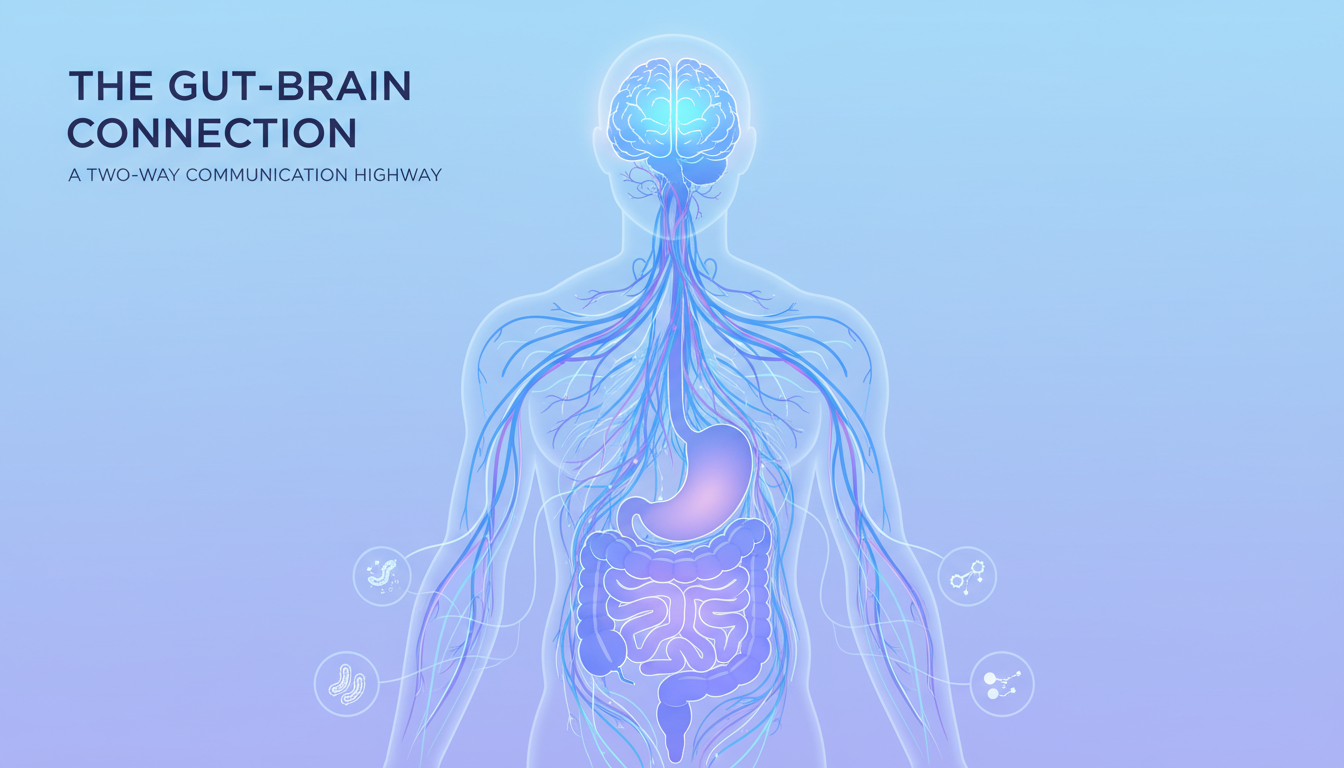
Anxiety and Stomach Problems: Why Anxiety Affects Your Gut
Discover why anxiety causes stomach problems and what you can do about it. Learn about the brain-gut connection, common symptoms, and evidence-based relief.